
Pruning
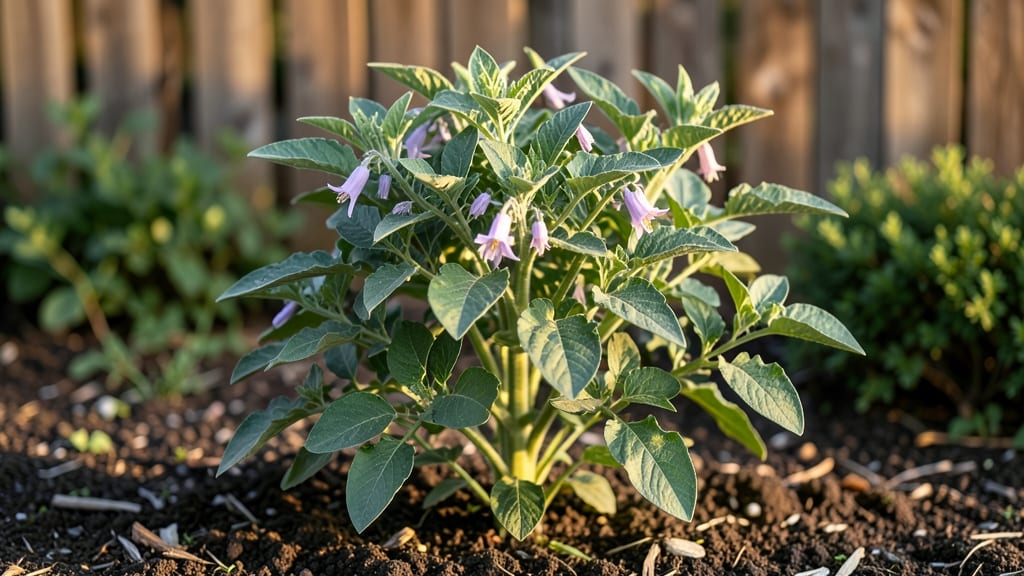
Blue potato bush trees (Solanum jasminoides) turn your yard into a fragrant, flowering tower—if you prune them right. 🌿 I’ve seen these plants go from scraggly to showstopping in just one growing season, and the secret lies in understanding their growth habits.
This isn’t your average shrub; it’s a fast grower that needs guidance to stay lush and blooming.
The key to towering blooms starts with the right location: full sun and well-draining soil are non-negotiable. Water deeply once a week (more in extreme heat), but avoid soggy roots—they’ll send up more foliage than flowers.
Pruning isn’t just about shaping; it’s about encouraging that vibrant blue-purple bloom you planted for. Start with light trims in early spring and summer, then go heavier in late fall to prep for next year’s growth.
You’ll end up with a plant that’s 6-10 feet tall, covered in cascading flowers from spring through fall. The fragrance alone makes it worth the effort—like a tropical vacation in your backyard. Plus, it’s drought-tolerant once established, so once you get the hang of it, maintenance is easy.
The only catch? Those berries are toxic if ingested, so keep pets and kids away from them.
Works beautifully as a privacy screen, container specimen, or even a trained espalier against a fence. Whether you’re trimming back winter dieback or shaping summer growth, this guide keeps your blue potato bush tree blooming like crazy all season. Let’s get those shears sharp and those branches pruned!
📚 In This Guide
- What you need
- Instructions
- Tips and common mistakes
- Wrapping up and next steps
What you need
- ● Blue potato bush tree (Solanum rantonnetii) – Healthy, mature plant (3+ years old for best results).
- ● Pruning shears – Sharp, bypass-style shears (avoid anvil types to prevent crushing stems).
- ● Gloves – Heavy-duty gardening gloves (this plant has thorny stems!).
- ● Disinfectant – 70% isopropyl alcohol or diluted bleach solution (1 part bleach to 9 parts water) to sterilize tools.
- ○ Pruning sealant (optional) – Wound dressing (like tree paint) for large cuts to prevent disease.
- ● Garden twine or stakes – For supporting heavy branches post-pruning (if needed).
- ● Sharp knife or loppers – For thicker branches (½ inch or larger).
- ● Trash bag or compost bin – For pruned debris (do not compost infected material!).
- ● Sunlight – Full sun (6+ hours daily) for optimal growth and flowering.
- ● Well-draining soil – Mix in perlite or sand if your soil is heavy clay.
- ● Watering can or hose – For post-pruning hydration (avoid overwatering!).
- ● Weather check – Prune on a dry, calm day (rain can spread disease).
- ● Patience! – Blue potato bush thrives with consistent care—prune gradually over seasons.
Step-by-Step pruning guide for a thriving blue potato bush tree
Here's how to coax those sky-high blooms while keeping your plant healthy year-round.
✂️ Step 1: Early Spring Renewal Pruning (March-April)
Start by removing any dead, broken, or crossing branches with clean cuts just above a leaf node. I like to use sharp pruning shears to avoid tearing the bark—this prevents disease from sneaking in through jagged wounds. Focus on the center of the plant first, where branches crowd together, to improve airflow and sunlight penetration.
Look for any branches growing inward or rubbing against others. These are prime candidates for removal—they'll compete for nutrients and create weak points where pests can hide. After trimming, give your plant a good shake to dislodge any winter debris hiding in the branches.
☀️ Step 2: Summer Bloom Maintenance (June-August)
After the first flush of flowers appears, prune lightly to encourage continuous blooming. Cut back about one-third of the longest stems just above a set of leaves with buds. This redirects energy to side branches, producing more flowers. I always prune in the morning when the plant is hydrated—this helps it recover faster.
Watch for leggy growth reaching toward the light. These stems need pruning back to a strong lateral branch. You'll know you're doing it right when you see new growth within 2-3 weeks—look for fresh green leaves and new flower buds forming along the remaining branches.
⏰ Step 3: Late Summer to Early Fall Rejuvenation (September-October)
As temperatures cool, give your blue potato bush tree a more aggressive pruning to prepare for winter. Cut back about half of the current season's growth to a strong framework branch. This prevents weak, spindly growth next spring. I like to make these cuts at a 45-degree angle just above an outward-facing bud.
Remove any spent flowers and seed pods to prevent the plant from putting energy into seed production. You'll notice fewer leaves turning brown and more vibrant green growth appearing within a few weeks. This is your plant's way of saying "thank you" for the pruning—it's storing energy for next year's blooms.
🌿 Step 4: Winter Dormancy Pruning (November-December)
After the first hard frost, prune back any remaining dead or diseased branches. This is your last chance to clean up before winter sets in. I always wear gloves for this step—some branches can be quite sharp! Focus on shaping the plant while you're at it, giving it that natural, full appearance.
Leave some branches unpruned if you want winter interest. The blue potato bush tree's unique seed pods add texture to winter landscapes. Just be sure to remove any branches that are completely bare or have no signs of life. Your goal is to create a balanced framework that will burst into bloom next spring.
Tips & tricks for pruning a blue potato bush tree
Your blue potato bush tree will reward you with stunning blooms if you time your pruning just right.
Tool Prep: Always sterilize your pruning shears with rubbing alcohol between cuts, especially during Step 1. I learned this the hard way after my plant developed fungal spots from contaminated tools. Sharp tools make cleaner cuts that heal faster, so take 5 minutes to hone your blades before starting—it prevents unnecessary stress on the plant.
Seasonal Timing: In Step 2, when you're pruning for summer blooms, focus on the morning hours. The plant's natural hydration levels are highest then, helping it recover faster from pruning stress. If you must prune in hot afternoons, water the plant thoroughly beforehand to compensate for the shock.
Visual Cues: During Step 3, when cutting back half the growth, look for branches that are growing in a circular pattern rather than outward. These are the ones to remove—they'll create a dense center that blocks sunlight from reaching inner leaves. Aim for an open, vase-like shape that allows light to penetrate all the way to the trunk.
Winter Interest: For Step 4, if you want to keep those decorative seed pods through winter, leave them attached to branches that aren't in the main framework. The pods add texture and color to winter landscapes, but don't overdo it—remove any that look shriveled or diseased to prevent spreading problems to healthy branches.
Pro Tips for Blue Potato Bush Tree
- Your blue potato bush tree will reward you with stunning blooms if you time your pruning just right.
- Tool Prep: Always sterilize your pruning shears with rubbing alcohol between cuts, especially during Step 1.
- Seasonal Timing: In Step 2, when you're pruning for summer blooms, focus on the morning hours.
Frequently asked questions
Got questions about growing and maintaining your Blue Potato Bush Tree? You’re not alone! Here are some of the most common queries—plus quick, actionable answers to keep your shrub thriving year-round.
When is the best time to prune a Blue Potato Bush Tree for maximum blooms?
The ideal time to prune is late winter or early spring (before new growth starts) to shape the tree and encourage dense, vibrant blooms. A light pruning in late summer (after flowering) helps maintain its bushy form. Avoid heavy pruning in fall—it can stress the plant before winter.
How do I protect my Blue Potato Bush Tree from cold winters?
Most varieties tolerate USDA Zones 7-10, but younger plants or colder climates need extra care. Mulch the base with 2-3 inches of organic material (like wood chips) and wrap the trunk with burlap if temps drop below 20°F. Prune back dead branches in early spring to promote regrowth.
Can I grow a Blue Potato Bush Tree in a container? How big should the pot be?
Yes! This shrub adapts well to containers, but size matters. Choose a pot at least 18-24 inches wide and deep with drainage holes. Opt for terracotta or fabric pots for better airflow. Repot every 2-3 years to refresh soil and prevent root binding.
Why are the leaves on my Blue Potato Bush Tree turning yellow or dropping?
Yellowing leaves often signal overwatering, nutrient deficiency, or pests. Check soil moisture—it should be damp but not soggy. Fertilize in spring with a balanced 10-10-10 formula. Inspect for aphids or spider mites (common culprits) and treat with neem oil if needed.
Are there any non-toxic alternatives to chemical pruning sprays?
For natural pruning and pest control, try:
- Neem oil spray (deters pests like aphids and whiteflies)
- Soap spray (1 tbsp mild dish soap + 1 quart water)
- Garlic or chili pepper spray (homemade repellent)
- Pruning shears dipped in rubbing alcohol (sterilizes cuts)
Wrapping up and next steps
Growing a blue potato bush tree is a rewarding journey that brings vibrant color and unique charm to your garden year-round! With the right pruning techniques—like year-round shaping, deadheading, and seasonal trimming—you’ll encourage lush blooms and a sturdy structure.
Whether you’re a seasoned gardener or just starting, this plant offers endless creativity and beauty.
Ready to take the next step? Start small:
- Pick a sunny spot and gather your tools.
- Follow the pruning tips above to keep your bush thriving.
- Share your progress with fellow plant lovers—inspiration spreads!