
Blooming
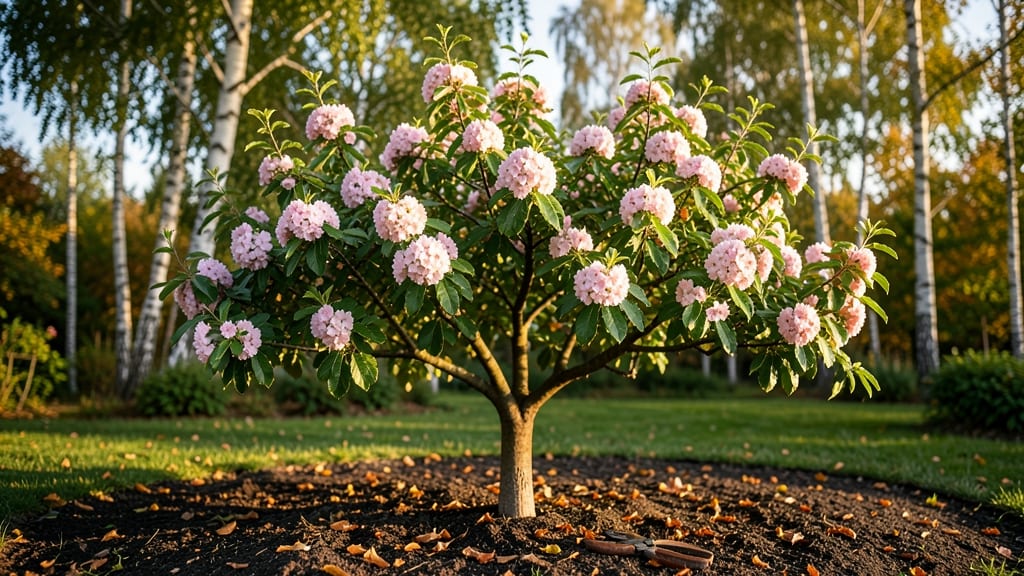
Nothing beats the springtime drama of a blooming crabapple tree—its branches heavy with pink or white blossoms that turn heads before summer even begins.
I still remember the first time I saw one in full bloom: the way the petals cascaded like confetti, the scent that lingered in the air like a secret.
These trees aren’t just pretty faces; they’re the backbone of four-season interest, with glossy foliage, persistent fruit, and even winter structure when everything else is dormant.
The secret to their show-stopping performance? Four pruning secrets that most gardeners overlook. You’re not just shaping the tree—you’re training it to flower more abundantly, resist disease, and stay healthy for decades.
Start with the right tools (sharp pruners, a ladder, and maybe a friend to spot you), and you’ll transform a wild-looking sapling into a neighborhood showstopper within just a few seasons. The best part? Even beginner gardeners can master this—no green thumb required.
By summer’s end, you’ll have a tree that produces hundreds of tiny apples (edible to wildlife, not humans) and foliage that turns shades of gold and red. In fall, those apples add color and interest, while winter reveals the elegant branching habit.
The right variety—like ‘Adirondack’ for disease resistance or ‘Royal Raindrops’ for weeping branches—can make your yard the envy of the block. Let’s get those pruners ready and turn your yard into a four-season masterpiece.
Works in full sun to partial shade, from small urban yards to spacious landscapes. Whether you’re planting a sapling or pruning an established tree, these techniques adapt to any situation. Here’s how to make it happen—step by step, season by season.
📚 In This Guide
- What you need
- Instructions
- Tips and common mistakes
- Wrapping up and next steps
What you need
- ● Crabapple Tree: Choose a disease-resistant variety (e.g., ‘Royalty,’ ‘Adirondack,’ or ‘Dolgo’). Buy a 1-2 gallon container or bare-root sapling from a reputable nursery.
- ● Shovel: A sturdy garden shovel (18-24 inches long) for digging the planting hole.
- ● Garden Gloves: Heavy-duty, waterproof gloves to protect your hands.
- ● Compost or Organic Mulch: 2-3 cubic feet of high-quality compost (e.g., aged manure or leaf mold) and 3-5 bags of wood chips or pine straw mulch.
- ● Slow-Release Fertilizer: A balanced, organic fertilizer (10-10-10 or similar) for young trees.
- ● Watering Can or Hose: With a gentle spray nozzle for post-planting hydration.
- ○ Staking Kit (Optional): 2-3 wooden stakes and tree ties if your tree is tall or in a windy area.
- ● Pruning Shears: Bypass pruners (for branches <½ inch thick) and loppers (for branches ½-2 inches thick).
- ● Pruning Saw: A curved-bladed saw for thicker branches (2+ inches).
- ● Disinfectant: 70% isopropyl alcohol or a commercial pruning sealant to sterilize tools between cuts.
- ○ Hand Saw (Optional):strong> For stubborn, larger branches that won’t budge with a pruning saw.
- ○ Extension Pole (Optional): For high branches (10+ feet), attach pruners or a saw to a 6-10 foot pole.
- ● Tree Wrap: Plastic or fabric wrap for young trees in cold climates (winter protection).
- ○ Fungicide (Optional): Copper-based or neem oil spray to prevent fungal diseases like apple scab.
- ○ Bird Netting (Optional):strong> If birds are snacking on your crabapples before they ripen!
- ● Soil pH Test Kit: To check soil acidity (ideal pH: 6.0-7.0 for crabapples).
How to maintain year-round beauty in a crabapple tree
This is the approach I’ve used for decades to keep my crabapple trees flowering like clockwork—no guesswork, just precise timing and technique.
Prune for Spring Blooms in Late Winter
Timing is everything—wait until dormant season, after the last hard frost but before buds swell. This is usually February to early March in most climates. I look for the first sign of leaf buds swelling slightly, then act within 7-10 days before they burst. Pruning too early risks removing flower buds that haven’t formed yet.
Use clean, sharp pruners to make cuts just above a bud or branch collar, angled slightly downward. Remove dead, diseased, or crossing branches first—they’re the easiest to spot. Next, thin out overcrowded branches to improve airflow and sunlight penetration. Aim to open the canopy so light reaches the center of the tree. You’ll see a dramatic difference in bloom density the following spring.
Lightly Shape After First Flowering
Once the tree finishes blooming—typically May to early June—it’s time for a second pruning pass. This isn’t about heavy shaping but rather refining the structure. I focus on removing suckers (those vigorous shoots sprouting from the base or trunk) and any branches growing inward. These compete with your main branches for energy and reduce flowering potential.
Make cuts just outside the branch collar to avoid damaging the tree’s protective layer. Avoid heavy pruning now—you don’t want to remove too many flower buds for next year’s display. Instead, think of this as a maintenance trim to keep the tree healthy and balanced. You’ll notice fewer broken branches in storms after this step.
Summer Pruning for Airflow and Health
Mid-summer, around July, is the time to address any remaining issues. Focus on water sprouts (fast-growing vertical shoots) and branches that are rubbing against each other. These are weak points that can invite disease or break under snow or ice. Remove them completely at their point of origin.
I also check for diseased or pest-damaged branches—look for discolored leaves, sawdust-like frass from borers, or oozing sap. Prune these out immediately and dispose of them in the trash, not your compost. This prevents the spread of problems to healthy parts of the tree. A quick inspection now saves hours of cleanup later.
Winter Preparation for Next Year’s Blooms
As temperatures drop below 40°F in late fall, give the tree one final check. Remove any deadwood that might have formed over the summer and any branches that look weak or diseased. This is also the time to mulch around the base—apply 2-3 inches of organic mulch (like shredded bark) to protect roots from freezing and retain moisture.
Here’s the thing—don’t prune in winter unless you’re dealing with an emergency like a storm-damaged branch. Pruning now can stimulate new growth that won’t harden off before spring. Instead, focus on cleaning up—remove fallen leaves and debris that could harbor pests. A well-prepped tree enters dormancy strong, setting the stage for next year’s spectacular blooms.
Tips & tricks for perfecting your crabapple tree's year-round beauty
These precise strategies will help you master the art of pruning for continuous blooms—no more guesswork, just consistent results.
Timing is Everything: The 7-10 day window before buds swell in late winter (February to early March) is your target for Step 1. I always check for slight bud swelling as my cue—this ensures you're not removing next year's flower buds. If you're in a warmer climate, shift your timing slightly later, but never delay past the 10-day mark. The tree's energy allocation for blooms happens during this critical window.
Branch Collar Technique: When making cuts in any step, focus on the branch collar—the swollen area where the branch meets the trunk. Making cuts just outside this collar (never inside) prevents damage to the tree's natural healing tissue. I use a sharp pruner to make clean cuts at a 45-degree angle, which also helps water run off rather than pool and rot. This technique applies to all pruning steps—spring, summer, and fall.
Seasonal Pruning Strategy: Each season's pruning serves a distinct purpose. In Step 3 (summer), I prioritize removing water sprouts—they're energy vampires that drain resources from flowering. For Step 4 (winter), focus on cleanup rather than pruning—remove deadwood and mulch to protect roots. The key is understanding that each season's work supports the next year's blooms, not just the current season's appearance.
Pro Tips for Blooming Crabapple Tree
- These precise strategies will help you master the art of pruning for continuous blooms—no more guesswork, just consistent results.
- Timing is Everything: The 7-10 day window before buds swell in late winter (February to early March) is your target for Step 1.
- Branch Collar Technique: When making cuts in any step, focus on the branch collar—the swollen area where the branch meets the trunk.
Frequently asked questions
Got questions about your blooming crabapple tree? You’re not alone!
Here are answers to the most common queries—from pruning puzzles to seasonal care—so you can keep your tree thriving and stunning year-round.
When is the best time to prune a blooming crabapple tree?
Prune your crabapple tree right after flowering (late spring to early summer) to avoid cutting off next year’s blooms. Light shaping or deadwood removal can also happen in late winter (before buds swell), but avoid heavy pruning in fall—it invites disease. Pro tip: Use sterilized tools to prevent fungal spread!
Why aren’t my crabapple tree’s flowers as vibrant this year?
Dull blooms often signal nutrient deficiencies (try a balanced fertilizer in early spring), over-pruning, or stress from pests/disease. Check for aphids or fungal spots (like powdery mildew) on leaves. If the tree is young, it may still be establishing roots—patience pays off! Fix it: Mulch well and water deeply during dry spells.
Can blooming crabapple trees survive harsh winters?
Most varieties are hardy to USDA Zones 4–8, but young trees or tender cultivars (like ‘Royalty’) need winter protection. Wrap the trunk with burlap or use tree guards to shield from sunscald. Avoid heavy snow buildup—gently brush it off branches to prevent breakage. Bonus: Evergreen varieties (like ‘Adirondack’) handle cold even better!
What’s a good alternative if I want a low-maintenance blooming tree?
If crabapples feel high-maintenance, try serviceberry (Amelanchier) or Japanese tree lilac (Syringa reticulata). Both offer spring blooms, edible berries (for serviceberry), and tougher disease resistance. For fragrant flowers, hawthorn trees are another great pick—just prune lightly to avoid thorns!
How do I keep pests (like aphids or borers) off my crabapple tree?
Start with preventative care: Prune for airflow, remove fallen fruit/pods, and water at the base (not overhead) to deter fungi. For pests, blast off aphids with a hose or use neem oil (mix 1 tbsp per gallon of water). If borers are a problem, apply beneficial nematodes in early spring. Warning: Avoid chemical sprays during bloom—they’ll harm pollinators!
Still stumped? Drop your crabapple conundrum in the comments—we’re happy to help your tree bloom brighter than ever!
Wrapping up and next steps
Your blooming crabapple tree is a year-round masterpiece—vibrant spring blossoms, lush summer foliage, and stunning autumn colors—all with minimal effort once you master the four pruning secrets. By understanding when, how, and why to prune, you’ll keep your tree thriving, healthy, and breathtakingly beautiful for decades. 🌸
Ready to transform your yard into a seasonal showstopper? Grab your pruners, dust off those gloves, and give your crabapple tree the care it deserves. Start small—maybe with just one pruning session this spring—and watch your tree reward you with show-stopping blooms every year!