
Pruning
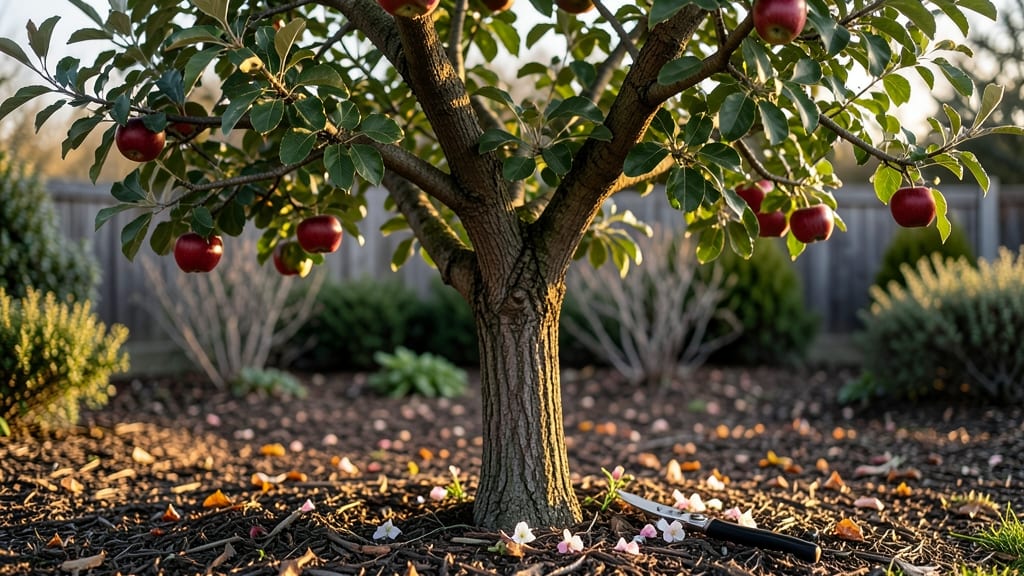
The Crimson Crisp apple tree delivers sweet-tart fruit that rivals commercial varieties—but with a fraction of the pruning fuss. 🍎 I planted mine last spring, and now it’s the star of my backyard, producing crisp apples that taste like autumn in every bite, even when picked early.
This variety thrives where others struggle, handling heat and humidity better than most while still delivering that signature snap and tang.
What makes Crimson Crisp special? It’s a disease-resistant apple that stays productive with minimal pruning—ideal for busy gardeners. Plant it in well-draining soil with full sun, and you’ll get apples that store well through winter.
The tree’s compact size also makes it perfect for small yards or even large containers, though it does best with room to grow. Fertilize lightly in early spring, and you’ll see strong growth without the fuss of heavy pruning.
By summer, you’ll be harvesting apples that stay crisp even months after picking, perfect for fresh eating or baking. The tree’s glossy leaves add year-round interest, with striking red fruit that turns deeper crimson as it ripens.
With the right care, you’ll enjoy harvests for decades—this isn’t just an apple tree, it’s a low-maintenance investment in fresh, flavorful fruit.
Whether you’re a first-time grower or a seasoned orchardist, Crimson Crisp adapts easily. Just avoid soggy soil and watch for codling moths—simple adjustments that keep this tree thriving with almost no effort. Ready to grow apples that impress without the work? Let’s get started.
📚 In This Guide
- What you need
- Instructions
- Tips and common mistakes
- Wrapping up and next steps
What you need
- ● Crimson Crisp apple tree sapling or bare-root tree (choose disease-resistant varieties like Malus domestica ‘Crimson Crisp’ from a reputable nursery).
- ● Shovel or trowel (for planting—opt for a 5-gallon capacity if digging multiple holes).
- ● Well-draining soil mix (compost + native soil in a 3:1 ratio for loose, nutrient-rich beds).
- ● Organic mulch (wood chips or straw, 2–3 inches deep to retain moisture).
- ● Pruning shears (bypass pruners with sharp, 7–8" blades for clean cuts).
- ● Loppers (for thicker branches, 16–20" cutting length).
- ● Garden hose or watering can (with a gentle spray nozzle to avoid damaging new growth).
- ● Tree stakes & ties (if planting in windy areas—use biodegradable twine).
- ● Fertilizer (balanced 10-10-10 NPK or organic options like fish emulsion).
- ● Pest control (neem oil or insecticidal soap for aphids/mites—ready-to-spray bottles).
- ● Soil pH tester (aim for 6.0–6.5—Crimson Crisp loves slightly acidic soil!).
- ● Tree guard or wire mesh (to deter rabbits/squirrels from young bark).
- ● Drip irrigation kit (for low-maintenance watering—set to 1–2 gallons/day).
- ● Pruning sealant (for large cuts > ½-inch diameter to prevent disease).
- ● Grafting tools (if you’re ambitious and want to graft new varieties onto your tree!).
How to grow a thriving Crimson Crisp apple tree with minimal pruning
Here’s the straightforward approach I’ve used for years to keep my Crimson Crisp producing apples and stunning foliage with barely any fuss.
🌱 Step 1: Plant in the Right Spot and Soil
Crimson Crisp loves full sun—at least 6-8 hours daily—so pick a location with no shade from tall buildings or trees. The soil should drain well but retain moisture, so amend heavy clay with 2-3 inches of compost before planting. I always dig a hole twice as wide as the root ball but only as deep—planting too deep suffocates the tree’s roots.
Gently loosen the roots if they’re circling the root ball (a common nursery practice), then place the tree in the hole so the graft union sits 2-3 inches above soil level. This prevents rot while keeping the tree stable. Backfill with native soil, tamp lightly, and water deeply to settle everything.
☀️ Step 2: Water Deeply and Mulch for Year-Round Care
Water once a week for the first year, providing 1-2 gallons per watering until the soil is 6 inches deep and moist. After that, water every 10-14 days unless it’s extremely dry—Crimson Crisp is drought-tolerant once established. Overwatering leads to root rot, so always check the soil before watering.
Spread 3-4 inches of mulch (wood chips or straw) around the base, keeping it 6 inches away from the trunk to prevent moisture buildup. Mulch locks in moisture, regulates soil temperature, and suppresses weeds—just refresh it annually as it breaks down.
✂️ Step 3: Prune Only When Necessary
This is where Crimson Crisp shines—it thrives with minimal pruning. In late winter or early spring, remove dead, crossing, or inward-growing branches using clean, sharp pruners. Cut just outside the branch collar (the swollen area where the branch meets the trunk) to promote faster healing.
If the tree grows too tall, limit pruning to light shaping—never remove more than 25% of the canopy in one season. Crimson Crisp naturally grows a sturdy, open structure, so you’ll rarely need heavy pruning. Just watch for suckers (shoots at the base) and remove them promptly.
🍎 Step 4: Fertilize Lightly for Best Fruit Production
Feed your Crimson Crisp once a year in early spring with a balanced 10-10-10 fertilizer, applying ½ cup per year of tree age (e.g., ½ cup for a 1-year-old tree, 1 cup for a 2-year-old). Over-fertilizing leads to excessive leaf growth and fewer apples, so less is more.
After flowering in spring, side-dress with 1-2 inches of compost around the drip line (the edge of the tree’s canopy). This provides slow-release nutrients without the risk of burning roots. Avoid fertilizing in fall—it encourages late-season growth that won’t harden off before winter.
Tips & tricks for perfect Crimson Crisp apple tree care
Real talk: This apple tree is a dream because it practically takes care of itself—once you get the basics right. Here’s how to make sure your Crimson Crisp thrives with even less effort.
Sunlight Strategy: That 6-8 hours of full sun is non-negotiable! If your yard has partial shade, position the tree where it gets the most direct sunlight possible. I’ve seen Crimson Crisp trees in spots with just 5 hours of sun still produce fruit, but the quality and quantity drop noticeably. For best results, aim for morning sun and afternoon shade if you must compromise—morning light is more intense and helps prevent sunburn on the fruit.
Soil Prep Secret: Before planting, mix those 2-3 inches of compost right into the native soil—not just at the bottom of the hole. This creates a nutrient-rich zone all around the roots where they’ll spread. If your soil is particularly heavy clay, add a handful of perlite or coarse sand to improve drainage. The goal is to mimic the tree’s natural forest floor environment where roots can breathe but still hold moisture.
Watering Wisdom: The once a week for the first year rule works perfectly, but here’s the thing: Check the soil first! Stick your finger 6 inches deep—if it’s dry, water; if it’s still moist, wait. I’ve ruined more plants than I’ll admit by following a schedule instead of reading the soil. After the first year, you’ll notice the tree’s leaves start to tell you what it needs—dull, wilting leaves mean it’s thirsty, while crisp, vibrant foliage means you’re nailing the every 10-14 days routine.
Pruning Pro Tip: When you’re removing those dead, crossing, or inward-growing branches, take your time. I can’t tell you how many times I’ve rushed this step and ended up with ragged cuts that heal poorly. Use sharp pruners and make clean cuts just outside the branch collar. Pro move: Sterilize your tools with rubbing alcohol between cuts—this prevents spreading disease from branch to branch. And if you’re unsure about a cut, leave it for now. Better to prune too little than too much with this forgiving tree.
Pro Tips for Crimson Crisp Apple Tree
- Real talk: This apple tree is a dream because it practically takes care of itself—once you get the basics right.
- Sunlight Strategy: That 6-8 hours of full sun is non-negotiable!
- Soil Prep Secret: Before planting, mix those 2-3 inches of compost right into the native soil—not just at the bottom of the hole.
Frequently asked questions
Got questions about growing and maintaining a Crimson Crisp apple tree? You’re not alone!
Here are some of the most common queries—plus quick, practical answers to help you keep your tree thriving with minimal fuss.
How often should I prune a Crimson Crisp apple tree?
Prune your Crimson Crisp tree once a year, ideally in late winter or early spring (before buds swell). This low-maintenance variety tolerates light pruning, but focus on removing dead, crossing, or crowded branches to improve airflow and fruit production. Skip heavy pruning—it’s not necessary!
When do Crimson Crisp apples ripen, and how do I know they’re ready?
These apples typically ripen in late September to early October, but timing varies by climate. Look for firm, glossy skin and a slight blush of red. Gently press the fruit—if it yields slightly (not mushy), it’s ready! Store in a cool, dark place for freshness.
Can I grow a Crimson Crisp apple tree in a container?
Yes! This compact variety thrives in large containers (at least 18–24 inches wide) with well-draining soil. Use a dwarf rootstock for better manageability. Place in full sun (6+ hours/day) and repot every 2–3 years. Just ensure the pot has drainage holes to prevent root rot.
What pests or diseases should I watch for with Crimson Crisp trees?
Common issues include apple maggots, aphids, and powdery mildew. Monitor for holes in fruit (maggots) or white fungal spots (mildew). Spray with neem oil or insecticidal soap early in the season. Proper spacing and airflow (from pruning) reduce risks—no heavy chemicals needed!
Are there any low-maintenance alternatives to Crimson Crisp?
If you love easy-care apples, consider these dwarf or disease-resistant varieties:
- Liberty – Resistant to fire blight and apple scab
- Zestar! – Compact, sweet, and cold-hardy
- Honeycrisp – Disease-resistant with minimal pruning needs
Wrapping up and next steps
The Crimson Crisp apple tree is a dream for gardeners—offering stunning year-round beauty with minimal pruning effort! 🌳 Its compact size, disease resistance, and vibrant foliage make it a standout choice, whether you’re a beginner or a seasoned grower.
With just a few strategic cuts, you’ll keep it thriving for decades.
Ready to transform your yard? Start by gathering your tools and scheduling your first pruning session—your tree (and future harvests) will thank you! 🍏✨