
Blooming
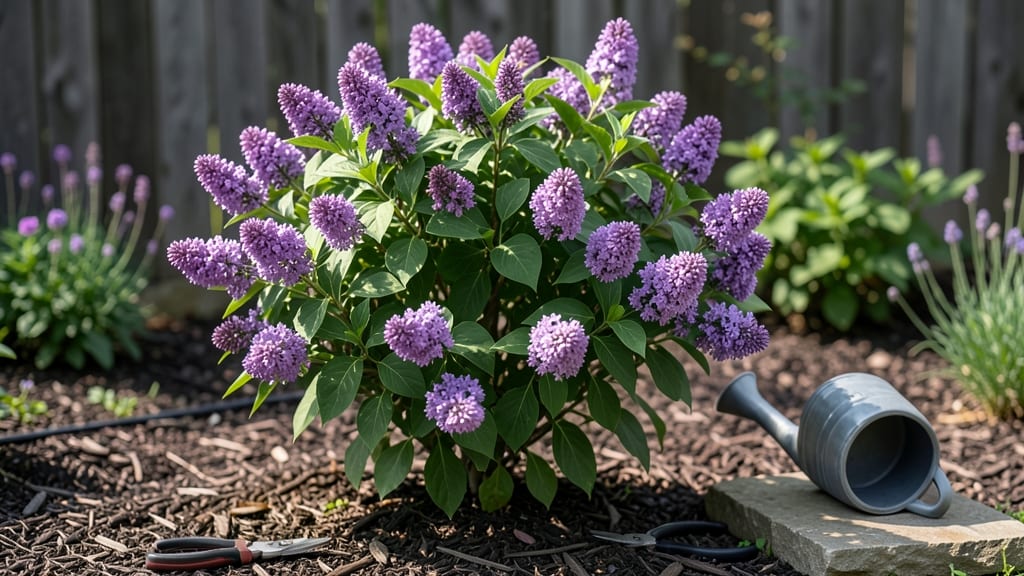
The Bloomerang Dark Purple Lilac in its striking tree form isn’t just another shrub—it’s a vertical masterpiece that turns heads from spring through fall. 🌿 Its dramatic, arching branches create a natural focal point that feels like a garden designer’s secret weapon.
Unlike traditional lilacs that sprawl, this tree form grows upward, offering year-round structure even when not in bloom. What makes it special is how it works in any space.
In small gardens, it adds height without overwhelming; along borders, it softens edges with its deep purple blooms that perfume the air. The key to keeping it stunning is light pruning after flowering—just enough to maintain that elegant, weeping shape while encouraging next year’s blooms.
You’ll love how it pairs with silver foliage plants like lamb’s ear or bright blooms such as peonies, creating a layered look that feels intentional. Even in winter, the skeletal branches add texture, proving this lilac is more than just a spring showstopper.
Perfect for modern landscapes, cottage gardens, or even urban courtyards—this tree form delivers drama with minimal effort. Let’s talk placement and styling to make it the star of your garden.
📚 In This Guide
- What you need
- Instructions
- Tips and common mistakes
- Wrapping up and next steps
What you need
- ● Bloomerang Dark Purple Lilac Tree: 1 mature tree (6–8 ft tall) or 1–2 young saplings (3–5 ft tall) for planting.
- ○ Optional: Bare-root lilac trees (fall planting) or container-grown for flexibility.
- ● Soil Amendments: 5–10 lbs of well-draining compost (e.g., aged manure or leaf mold).
- ● 1 lb of organic mulch (cedar chips or pine bark).
- ○ Optional: 1 lb of slow-release fertilizer (10-10-10 NPK ratio).
- ● Planting Supplies: 1 shovel (for digging).
- ● 1 garden hose or watering can (with 1–2 gallons capacity).
- ● 1 pruning saw or loppers (for shaping).
- ○ Optional: Root stimulator (mycorrhizal fungi powder).
- ● Pruning Tools: 1 pair bypass pruners (for small branches).
- ● 1 hand pruner (for thicker stems).
- ● 1 pruning saw (for stubborn branches).
- ● Safety Gear: 1 pair gloves (cut-resistant, size medium/large).
- ○ Optional: Safety goggles (if dealing with thorny growth).
- ● Cleanup Supplies: 1 bucket (for clippings).
- ● 1 disinfectant spray (70% isopropyl alcohol or bleach solution).
- ● Location: Full sun (6+ hours daily) and well-draining soil (pH 6.0–7.0).
- ● Climate: Hardy in USDA Zones 3–7 (cold-hardy to -30°F).
- ● Timing: Planting: Early spring or fall (avoid extreme heat/cold).
- ● Pruning: Late winter/early spring (before buds swell).
- ● Pro Tip: 💡 Test your soil 2 weeks before planting to adjust nutrients if needed!
Step-by-Step planting for the Bloomerang dark purple lilac tree form
Here's how to plant this stunning vertical beauty for maximum impact.
🪴 Step 1: Choose and Prepare the Planting Site
Select a location with full sun exposure (6-8 hours daily) and well-draining soil. The Bloomerang form thrives in slightly acidic to neutral soil with a pH of 6.0-7.0. If your soil is heavy clay, mix in 2-3 inches of compost to improve drainage.
Dig a hole twice as wide as the root ball but only as deep as the container's root base. This prevents planting too deeply, which can suffocate roots. Gently loosen the sides of the hole with a shovel to encourage root spread.
🌱 Step 2: Plant the Lilac with Proper Spacing and Support
Remove the lilac from its container and place it in the hole so the top of the root ball sits 1 inch above ground level. The Bloomerang form's unique growth habit requires 6-8 feet of clearance from structures or other plants to accommodate its vertical spread.
Fill the hole with native soil, tamping lightly every 2 inches to eliminate air pockets. Water deeply to settle the soil around roots. Insert a 3-foot stake near the plant and loosely tie the main stem with soft plant ties to prevent wind damage during establishment.
☀️ Step 3: Water and Mulch for Establishment
Water the newly planted lilac deeply every 2-3 days for the first 2 weeks, then gradually reduce to once weekly once established. The Bloomerang form's dark purple blooms need consistent moisture but hate soggy roots—water when the top 2 inches of soil feel dry.
Spread 2-3 inches of mulch (like shredded bark) around the base, keeping it 3 inches away from the trunk to prevent rot. This conserves moisture, regulates soil temperature, and suppresses weeds. Replenish mulch annually as it decomposes.
✂️ Step 4: Prune for Structure and Bloom Health
Wait until after flowering (late spring) to prune. Remove dead, crossing, or weak branches first, then shape the vertical canopy by cutting back 1/3 of the oldest stems to encourage new growth. The Bloomerang form's dramatic shape develops naturally, so minimal pruning maintains its architectural beauty.
Never prune in fall or winter—this stimulates tender growth that won't survive cold. Use clean, sharp pruners to make cuts just above outward-facing buds. Disinfect tools with rubbing alcohol between cuts to prevent disease spread.
Tips & tricks for perfect Bloomerang dark purple lilac planting
Here's what I learned after planting my first vertical lilac—avoid these common mistakes for a showstopping result.
Sunlight Secret: The 6-8 hours of full sun in Step 1 isn't just about light—it's about timing. Plant your lilac so the afternoon sun (when UV intensity peaks) hits the vertical canopy directly. This prevents the dark purple blooms from fading prematurely. I learned this the hard way when my first attempt got afternoon shade from a neighboring tree.
Root Ball Precision: When placing the root ball in Step 2, the 1-inch elevation above ground level is critical. Too deep and roots suffocate; too high and the plant becomes unstable. I use a level tool to verify this—it's worth the extra minute to get it right. Also, gently score the bottom of the root ball with a knife before planting to encourage root spread into the surrounding soil.
Watering Wisdom: The 2-3 days of deep watering in Step 3 should be done in the morning. This gives roots time to absorb moisture before evening evaporation. I've found using a soaker hose for these sessions prevents soil compaction and delivers water right to the roots. After the initial 2 weeks, let the top 2 inches dry between waterings—this mimics natural rainfall patterns and prevents root rot.
Pruning Pro Tip: For Step 4, when cutting back 1/3 of the oldest stems, focus on the lower third of the plant first. This opens up the canopy for better air circulation and encourages new growth from the base. I mark my cuts with a piece of tape before making them—it helps visualize the new shape. And always disinfect your pruners between cuts to prevent spreading disease through the plant's open wounds.
Pro Tips for Bloomerang Dark Purple Lilac Tree Form
- Here's what I learned after planting my first vertical lilac—avoid these common mistakes for a showstopping result.
- Sunlight Secret: The 6-8 hours of full sun in Step 1 isn't just about light—it's about timing.
- Root Ball Precision: When placing the root ball in Step 2, the 1-inch elevation above ground level is critical.
Frequently asked questions
When is the best time to plant a Bloomerang Dark Purple Lilac Tree?
The ideal window is early spring or fall (3–4 weeks before the first frost). This gives roots time to establish before extreme temperatures hit. Avoid planting in summer heat or winter, as stress can stunt growth. If you must plant in summer, water deeply 2–3 times weekly until established.
How do I prune a Bloomerang Lilac to maintain its tree form?
Prune right after flowering (late spring) to shape the tree. Focus on:
- Removing dead or crossing branches first.
- Thinning 10–20% of old wood annually to encourage new growth.
- Avoid heavy pruning—this lilac blooms on old wood, so drastic cuts reduce flowers.
Why isn’t my Bloomerang Lilac blooming as expected?
Common culprits:
- Over-pruning: Blooms form on last year’s wood, so skip heavy cuts.
- Poor sunlight: Needs 6+ hours of full sun daily.
- Nutrient deficiency: Test soil for phosphorus (key for flowers) and amend with compost.
- Age: Young trees (under 3 years) may bloom lightly—patience!
Are Bloomerang Lilacs prone to pests or diseases?
They’re disease-resistant, but watch for:
- Japanese beetles: Handpick or use neem oil sprays.
- Powdery mildew (rare): Improve airflow and avoid overhead watering.
- Borers: Prune infected branches immediately and treat with systemic insecticide.
Can I grow a Bloomerang Lilac in a container or small yard?
Yes! Choose a large container (15+ gallons) with drainage holes and use well-draining potting mix. Ensure it gets full sun and water when the top 2 inches of soil dry. For small yards, opt for the ‘Bloomerang’ series—they’re bred for compact growth (10–12 ft tall). Just avoid root-bound conditions!
Wrapping up and next steps
The Bloomerang Dark Purple Lilac isn’t just a tree—it’s a statement of nature’s artistry, offering a year-round blend of drama and grace with its striking vertical form and rich hues.
Whether you’re drawn to its bold blooms, low-maintenance charm, or wildlife-friendly appeal, this cultivar proves that beauty and practicality can thrive together. 🌿✨
Ready to transform your landscape? Start by researching local nurseries or consulting a landscaper to ensure the perfect spot for your new Bloomerang Dark Purple Lilac. Plant it, nurture it, and watch as your garden becomes a masterpiece—one bloom at a time!