
Pruning
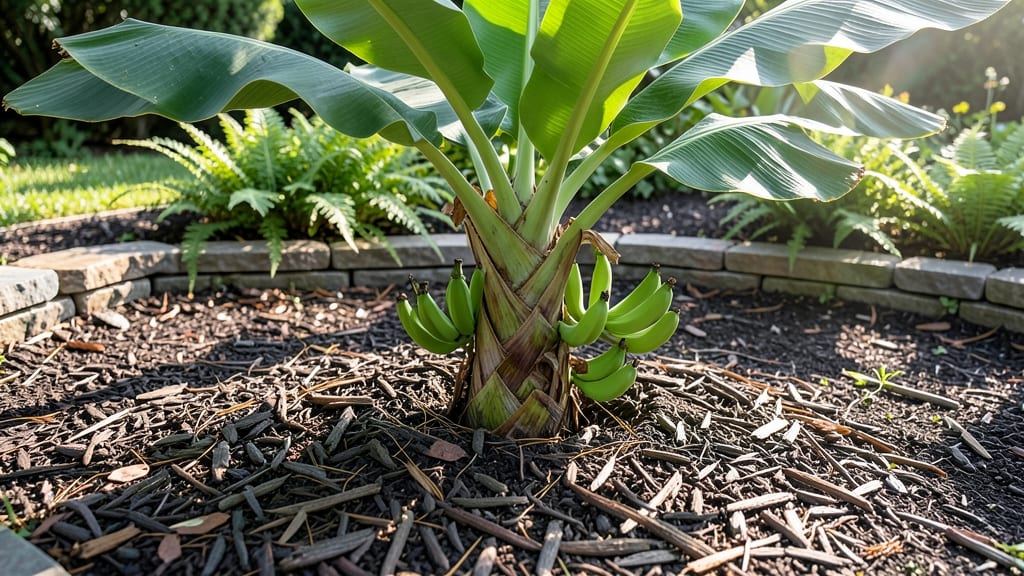
A banana tree privacy screen transforms bare yard edges into a lush, tropical retreat—without needing a fence. I planted mine last spring, and by summer, the broad leaves blocked nosy neighbors while adding drama to the landscape.
The key? Choosing the right variety (like Musa basjoo for cold tolerance) and spacing plants 8-10 feet apart for full coverage.
The best part? These aren’t just privacy walls—they’re year-round statement makers. Even in winter, banana trunks and fronds create texture, while summer’s towering canopies provide shade. Pair them with bird-of-paradise or elephant ears for extra height, and you’ve got a windbreak too.
Maintenance is simple: prune dead fronds in early spring and fertilize lightly.
By year two, you’ll have a 10-foot-tall green fortress that outshines any chain-link fence. The plants grow fast—3-5 feet annually—and their dramatic foliage makes your yard the envy of the block.
Just avoid planting too close to foundations, since roots spread aggressively. Ready to turn your property line into a tropical escape?
Works best in USDA zones 8-11, but cold-hardy varieties like Dwarf Cavendish handle brief freezes. For colder climates, grow in containers and overwinter indoors. The payoff? A privacy screen that’s both functional and fabulous—no boring lattice required.
📚 In This Guide
- What you need
- Instructions
- Tips and common mistakes
- Wrapping up and next steps
What you need
- ● Banana tree plants (3–5 mature or young plants, depending on desired height and density): Dwarf varieties (e.g., Musa acuminata) for compact screens (6–10 ft tall)
- ● Standard varieties (e.g., Musa balbisiana) for taller screens (12–15 ft tall)
- ● Pruning shears (sharp, bypass-style, 6–8" blades for clean cuts)
- ● Gloves (heavy-duty gardening gloves to protect from thorns and sap)
- ● Shovel or trowel (for planting and soil prep)
- ● Compost or well-draining potting mix (5–10 gallons per plant)
- ● Mulch (2–3 inches of organic mulch, like wood chips or straw)
- ○ Stakes and twine (optional but helpful for young plants: 3–4 ft stakes, 10–15 ft twine per plant)
- ● Slow-release fertilizer (balanced 10-10-10 or citrus-specific formula)
- ● Drip irrigation system (for consistent watering, especially in hot climates)
- ● Fungicide spray (copper-based, for prevention of leaf spot or sigatoka disease)
- ● Pruning saw (for thicker stems if using larger banana varieties)
- ● Soil pH test kit (banana trees thrive in slightly acidic soil, pH 5.5–6.5)
How to create a stunning banana tree privacy screen
This is the approach I’ve used to transform bare fences into lush, year-round screens—no complicated pruning or constant care required.
Select the Right Banana Tree Varieties for Your Climate
Choose dwarf or cold-hardy banana varieties like Dwarf Cavendish or Red Dwarf for zones 8-11. These grow 6-10 feet tall and thrive in containers, making them ideal for privacy screens. If you live in colder regions (zones 6-7), opt for Musa basjoo—it tolerates 10-15°F without dying back completely. Avoid tropical varieties like Lady Finger, which won’t survive winter exposure.
Plant 3-4 trees per 10-foot section to ensure dense foliage. The closer they are, the faster they’ll fill gaps. Space them 4-6 feet apart in the ground or 3-4 feet apart in large containers. This spacing lets roots expand without competing for nutrients, which keeps your screen lush year-round.
Prepare the Planting Site or Containers
Banana trees love well-draining, slightly acidic soil (pH 5.5-6.5). If planting in the ground, amend native soil with 3 inches of compost and 1 inch of perlite to prevent root rot. Dig holes twice as wide as the root ball but only as deep—planting too deep suffocates roots. In containers, use a mix of 50% potting soil, 30% coconut coir, and 20% perlite for aeration.
Add a slow-release fertilizer (10-10-10) at planting time to give roots a nutrient boost. Water deeply after planting until soil is evenly moist 6 inches down. Mulch with 2-3 inches of wood chips to retain moisture and regulate soil temperature. Avoid organic mulch like grass clippings—it mats and prevents airflow, inviting fungal diseases.
Provide Optimal Sun and Water for Rapid Growth
Banana trees need full sun (6-8 hours daily) for maximum foliage production. If your screen is on a north-facing wall, supplement with a grow light during winter months when daylight drops below 10 hours. Leggy growth or pale leaves mean your trees aren’t getting enough light—move them closer to a sunny spot or add artificial lighting.
Water deeply 2-3 times per week during the first year to encourage deep root growth. Let the top 2 inches of soil dry out between waterings to prevent root rot. Once established, banana trees are drought-tolerant but produce larger, healthier leaves with consistent moisture. In containers, check soil moisture daily—potted plants dry out faster, especially in hot climates.
Prune and Maintain for Year-Round Density
Prune dead or yellowing leaves as soon as they appear to redirect energy to new growth. Cut back old pseudostems (the woody trunks) in early spring to encourage 2-3 new shoots from the base. This keeps your screen full and prevents leggy, sparse growth. Avoid heavy pruning in fall—it stresses the plant before winter dormancy.
Fertilize every 6-8 weeks with a balanced organic fertilizer (like fish emulsion) during the growing season. Stop fertilizing in late summer to allow the plant to harden off for winter. In colder zones, wrap young trees in burlap or frost cloth when temperatures drop below 30°F to protect emerging shoots. With proper care, your banana tree screen will stay dense and vibrant year-round.
Tips & tricks for perfect banana tree privacy screens
Transforming your fence into a lush privacy screen doesn't have to be complicated—these practical tips will help you avoid common pitfalls and ensure your banana trees thrive year after year.
Variety Selection Matters: When choosing between Dwarf Cavendish, Red Dwarf, or Musa basjoo, consider not just your climate zone but also your local microclimate. If your area experiences sudden cold snaps below 15°F, Musa basjoo is your best bet for survival. For urban environments with limited space, Dwarf Cavendish grows well in containers and reaches the 6-10 feet height needed for privacy faster than you might expect. I've seen it fill a 10-foot section in just two growing seasons when planted at the recommended 3-4 trees per section spacing.
Soil Preparation is Non-Negotiable: The 3 inches of compost and 1 inch of perlite amendment in Step 2 isn't just about drainage—it's about creating the perfect environment for root expansion. I learned this the hard way after planting in heavy clay soil where my first batch of trees struggled for years. For container growing, that 50-30-20 mix of potting soil, coconut coir, and perlite is crucial for preventing root rot, especially in hot climates where containers dry out quickly. Don't skip the slow-release fertilizer at planting time either—it gives those initial roots the boost they need to establish quickly.
Light Requirements Can't Be Compromised: That 6-8 hours of full sun requirement in Step 3 is absolute for dense foliage. If your screen is on a north-facing wall, invest in a quality grow light for winter supplementation—leggy growth is a dead giveaway that your trees aren't getting enough light. I've seen screens go from vibrant to sparse within a single winter when this step was overlooked. The 10-hour daylight threshold is particularly important in northern climates where winter days are shortest.
Pruning Strategy is Key to Year-Round Density: The early spring pruning of old pseudostems to encourage 2-3 new shoots is what keeps your screen looking full throughout the year. I recommend marking your calendar for this task—it's easy to forget until you notice gaps forming. Avoid the temptation to prune heavily in fall; this stresses the plant before winter dormancy and can lead to poor regrowth. The 6-8 week fertilization schedule during the growing season works because it aligns with the plant's natural growth cycles, preventing nutrient buildup that can harm roots.
Pro Tips for Banana Tree Privacy
- Transforming your fence into a lush privacy screen doesn't have to be complicated—these practical tips will help you avoid common pitfalls and ensure your banana trees thrive year after year.
- Variety Selection Matters: When choosing between Dwarf Cavendish, Red Dwarf, or Musa basjoo, consider not just your climate zone but also your local microclimate.
- Soil Preparation is Non-Negotiable: The 3 inches of compost and 1 inch of perlite amendment in Step 2 isn't just about drainage—it's about creating the perfect environment for root expansion.
Frequently asked questions
Got questions about using banana trees for privacy? You’re not alone!
Here are answers to the most common concerns—from planting to upkeep—so you can create your dream green screen with confidence.
How fast do banana trees grow for privacy?
Banana trees are fast—expect 6–10 feet of growth per year under ideal conditions! Within 2–3 years, a well-placed tree can form a dense, 10–15-foot-tall privacy screen. Dwarf varieties (like Musa basjoo) grow slower but still reach 8–10 feet, making them great for smaller spaces. Pro tip: Plant multiple trees 3–5 feet apart for quicker coverage.
Do banana trees lose leaves in winter?
Most banana trees (especially tropical varieties) are not cold-hardy and will die back in freezing temps. However, Musa basjoo (hardy banana) keeps its leaves year-round in USDA zones 7–11. In colder climates, the leaves may yellow and drop, but the trunk survives. Mulch heavily in winter to protect roots!
Can I prune a banana tree for better privacy?
Prune in late winter or early spring to remove dead fronds and shape the tree. Cut back old leaves to the base, but leave the pseudostem (the trunk-like structure) intact. Avoid heavy pruning mid-season, as it stresses the plant. For a fuller look, trim back new shoots (suckers) to encourage bushier growth.
What’s a good alternative if banana trees aren’t hardy in my area?
If your climate is too cold for banana trees, try these fast-growing, privacy-friendly alternatives:
- Bamboo: Clumps well (unlike running types) and grows 3–6 feet per year.
- Arborvitae: Evergreen, cold-hardy, and dense—perfect for year-round privacy.
- Leyland Cypress: Grows 3–4 feet annually and thrives in zones 6–10.
- Hornbeam or Oakleaf Hydrangea: Flowering shrubs for color + privacy.
Why is my banana tree not growing tall?
Slow growth usually stems from poor soil, lack of sunlight, or overwatering. Ensure it gets full sun (6+ hours daily) and well-draining soil rich in organic matter. Yellow leaves? Check for root rot (common in soggy soil). Feed with a balanced fertilizer (like 10-10-10) in spring and summer. If pests (like aphids) are present, treat with neem oil.
Wrapping up and next steps
Transforming your space with a banana tree privacy screen isn’t just about aesthetics—it’s a year-round investment in natural beauty, sustainability, and serene outdoor living! 🌿 With the right tools, a little patience, and the steps outlined here, you’ve got everything you need to grow a lush, living barrier that thrives in any season.
Ready to take the next step? Start small—plant your first banana tree this weekend! Or, if you’re feeling ambitious, sketch out your privacy screen design and gather your supplies. Either way, your future shaded, private oasis is just leaves away.