
Pruning
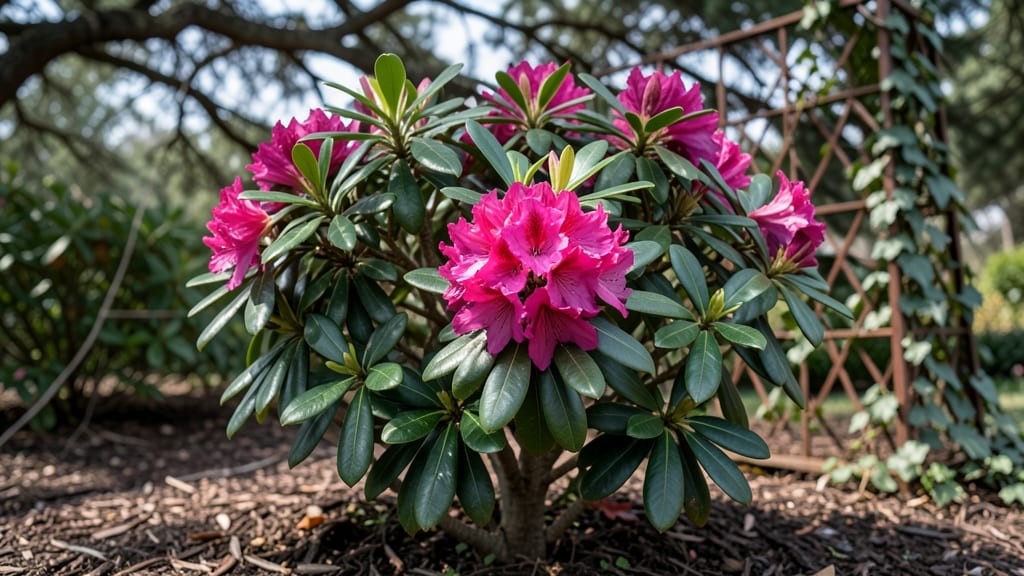
Your azalea tree outside could bloom twice as lushly this year with the right pruning timing—it’s all about when you cut, not just how. I learned this the hard way after shearing my azalea back too late in spring, only to watch it skip its usual spring show.
The secret lies in understanding its natural growth cycle and climate quirks, like avoiding late pruning when buds are already set.
Azaleas thrive in partial shade and acidic soil, but their pruning needs shift with the seasons. Start by removing dead or crossing branches in late winter or early spring before buds swell, then do light shaping after blooms fade.
For hardy varieties, a second light trim in early summer encourages fuller growth. The key is patience—never cut more than one-third of the plant in a single session, or you risk stressing it.
What you’ll end up with is a neat, bushy azalea that blooms reliably year after year, even in tough climates. The branches will hold their shape better, and new growth will be denser, making it easier to protect from frost or wind.
Plus, you’ll avoid the common mistake of over-pruning, which leaves azaleas vulnerable to pests and disease. Ready to transform that wild shrub into a showstopper?
Works for evergreen and deciduous azaleas alike, whether you’re in a mild coastal zone or a colder inland area. The same principles apply—just adjust timing slightly for your local frost dates. Let’s get those shears sharp and those branches in shape!
📚 In This Guide
- What you need
- Instructions
- Tips and common mistakes
- Wrapping up and next steps
What you need
- ● Pruning shears (bypass pruners): Sharp, high-quality shears (e.g., Felco or Fiskars) with a 4- to 6-inch blade for clean cuts.
- ● Loppers: For thicker branches (up to 1.5 inches in diameter). Look for bypass-style loppers to avoid crushing.
- ● Pruning saw: A curved-tooth pruning saw for branches thicker than 2 inches.
- ● Garden gloves: Heavy-duty, cut-resistant gloves (e.g., Mechanix or Wolverine) to protect your hands.
- ○ Disinfectant (optional but recommended): A 70% isopropyl alcohol or bleach solution (1 part bleach to 9 parts water) to sterilize tools between cuts and prevent disease.
- ● Rag or paper towels: For wiping down tools and cleaning sap.
- ● Ladder or step stool: If your azalea is taller than 6 feet, a sturdy extension ladder or foldable step stool (rated for your weight).
- ● Trash bags or bucket: For collecting pruned branches and debris.
- ● Know your azalea’s blooming time: Prune right after flowering (late spring/early summer) for spring-blooming varieties, or late winter/early spring for fall-blooming types.
- ● Check the weather: Choose a dry, overcast day to avoid stressing the tree. Avoid pruning in extreme heat or cold.
- ● Identify dead/diseased branches: Scan your tree for blackened, mushy, or hollow branches—these need immediate removal.
- ● Plan your shape: Sketch a rough outline of your desired shape (e.g., rounded, tiered, or open-centered) to guide your cuts.
- ● Handheld magnifying glass: For spotting small, tricky cuts or pests.
- ● Pruning sealant: A tree wound sealant (like Tanglefoot) for large cuts (though many experts say it’s unnecessary for azaleas).
- ● Camera or phone: Take before-and-after photos to track progress over the years!
- ● Compost bin: Chop up pruned branches for mulch or compost.
Year-round azalea pruning: how to shape your tree for stronger blooms
Azaleas reward careful pruning with bigger, healthier blooms and a tidy shape. Here's how to maintain yours through every season.
Prune Immediately After Flowering
Wait until your azalea has finished blooming completely before pruning. This is critical because azaleas set next year's flower buds on old wood—pruning too early removes potential blooms. Look for spent flowers that have dropped naturally and any leaves that are brown or damaged. These are your cues that the tree has finished its flowering cycle.
Use clean, sharp pruning shears to cut back any dead, diseased, or crossing branches. Make cuts just above a set of leaves or a bud that faces outward. This encourages new growth to fill in any gaps and creates a more open, airy structure. I always prune about one-third of the oldest stems back to the ground to rejuvenate the plant and stimulate new growth from the base.
Light Summer Pruning for Shape
In mid-summer, after the first round of pruning, focus on shaping the tree. This is when you can fine-tune its form by trimming branches that are growing too close together or those that spoil the natural silhouette. Summer pruning is less stressful for azaleas because the flower buds for the next season haven't formed yet.
Trim back any leggy branches to encourage bushier growth. You'll know you're on the right track when the tree starts to fill out more evenly. Avoid heavy pruning in summer—just light shaping to maintain the form you want. I like to step back and look at the tree from all sides to ensure it looks balanced and full.
Minimal Winter Pruning to Prevent Damage
Winter is the quietest time for azaleas, but it's still a good time for light maintenance. Prune only to remove any dead, broken, or diseased branches. Avoid heavy pruning in winter because it can stimulate new growth that might be damaged by late frosts. Focus on cleaning up the tree rather than reshaping it.
Use the time to inspect the tree for signs of pests or disease. Look for chewed leaves, unusual spots, or any branches that look weak. If you find any issues, address them immediately. I also like to check the soil around the base of the tree to ensure it's well-draining and free of debris, which can harbor pests or diseases.
Spring Cleanup Before New Growth
As spring approaches and you see new growth starting, do a final cleanup. Remove any remaining dead branches or twigs that might have been missed. This is also a good time to thin out any overly dense areas to improve air circulation, which helps prevent fungal diseases.
Lightly fertilize the tree with an acid-loving plant fertilizer to support the new growth and flowering. Azaleas thrive in acidic soil, so if your soil isn't naturally acidic, consider adding some sulfur or peat moss to the soil around the base. Water deeply after fertilizing to help the nutrients soak into the soil. This step sets the stage for a vibrant blooming season ahead.
Tips & tricks for perfect azalea tree pruning
Pruning azaleas with confidence means understanding the small details that make all the difference. Here's what I've learned after years of shaping my own trees.
Timing is Everything: The key to azalea pruning is waiting until after all blooms have completely faded. I can't stress this enough—pruning too early removes next year's flower buds since azaleas set them on old wood. Look for naturally dropped flowers and any brown leaves as your signal that it's safe to prune. This timing ensures you won't sacrifice next season's spectacular display.
Cutting Technique Matters: When you're pruning those one-third of oldest stems in Step 1, make your cuts just above a leaf set or outward-facing bud. This isn't just random cutting—it's about encouraging new growth in the right direction. I always use clean, sharp shears because dull blades crush stems, inviting disease. The right cut creates a natural framework for your azalea to flourish.
Seasonal Approach Prevents Mistakes: Summer pruning should be light and focused on shaping, never heavy. I've seen people over-prune in summer and end up with sparse growth. The rule is simple: trim only what's necessary to maintain the shape you want. Winter is for cleanup only—never reshaping. This seasonal rhythm keeps your azalea healthy year after year.
Soil Preparation Boosts Results: That spring fertilization step in Step 4 is your secret weapon. Azaleas love acidic soil, so if yours isn't naturally acidic, mix in sulfur or peat moss around the base. I've found that adding these amendments before new growth starts gives my trees a head start. Just remember to water deeply after fertilizing so the nutrients reach the roots where they're needed most.
Pro Tips for Azalea Tree Outside
- Pruning azaleas with confidence means understanding the small details that make all the difference.
- Timing is Everything: The key to azalea pruning is waiting until after all blooms have completely faded.
- Cutting Technique Matters: When you're pruning those one-third of oldest stems in Step 1, make your cuts just above a leaf set or outward-facing bud.
Frequently asked questions
Got questions about keeping your azalea tree outside looking its best? Here are some common concerns—and expert answers—to help you prune like a pro!
When is the best time to prune an azalea tree outside?
The ideal time is right after flowering (late spring to early summer). This gives you a head start for the next blooming season. Avoid pruning in fall or winter, as it can stimulate new growth that may be damaged by frost. For light shaping, you can also prune in early spring before buds swell.
Can I prune an azalea tree in winter?
Pruning azaleas in winter is generally not recommended unless it’s a mild climate. Cold snaps can stress the tree, and new growth may not harden off before spring. If you must prune, wait until late winter (just before buds break) and keep cuts minimal. Always use sharp, clean tools to prevent damage.
How much can I trim back an azalea tree?
Never remove more than 1/3 of the plant’s foliage in a single pruning session. Over-pruning can weaken the tree and reduce next year’s blooms. Focus on shaping by trimming back overgrown branches to just above a leaf bud or lateral branch. For severely neglected azaleas, spread pruning over 2–3 years to avoid shock.
Why aren’t my azaleas blooming after pruning?
Poor blooming often stems from pruning at the wrong time (like late summer/fall) or cutting into old wood (where flower buds form). Azaleas bloom on last year’s growth, so avoid heavy pruning in late summer. If blooms are sparse, also check for sunlight, soil pH (acidic is ideal), and fertilizer needs.
What’s a good alternative if I don’t want to prune my azalea?
If pruning feels overwhelming, try selective shaping—just trim a few stray branches to maintain balance. For low-maintenance options, consider dwarf azalea varieties (like ‘Girard’s’ or ‘Southern Indica’) or evergreen shrubs like boxwood or pieris, which require minimal pruning.
How do I fix ragged or uneven azalea growth?
For uneven growth, prune gradually over time to encourage denser foliage. Thin out crossing or inward-growing branches first, then shape the outer edges. If the tree looks leggy, prune just above a leaf bud to promote bushier growth. Mulch around the base and water deeply after pruning to reduce stress.
Wrapping up and next steps
Transforming your azalea tree into a stunning, well-maintained centerpiece is totally within reach! With the right tools, timing, and techniques—like pruning in late winter or early spring and avoiding over-trimming—you’ll encourage vibrant blooms and a healthier plant. Remember, patience and consistency are key, so don’t rush the process.
Ready to give your azalea the love it deserves? Grab your pruners and start shaping today! 🌸 For extra confidence, bookmark this guide or share it with fellow gardening enthusiasts—happy pruning leads to happy blooms! 🌿