
Pruning
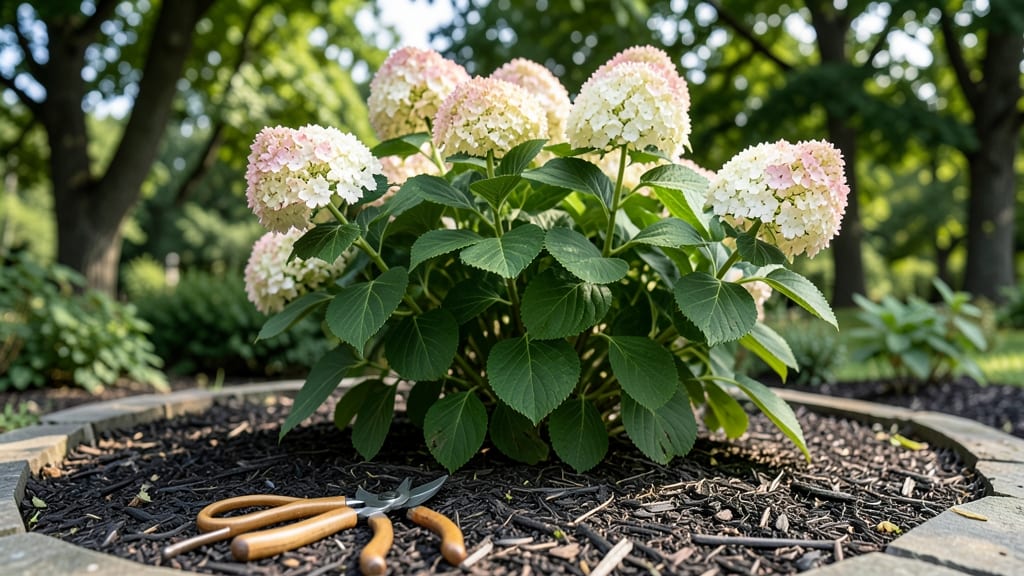
Trimming a hydrangea tree isn’t just about shaping—it’s about unlocking year-round blooms and keeping those lush mopheads or elegant panicles looking their best. I’ve pruned mine every February for five years, and the difference between a wild, leggy mess and a neat, productive shrub comes down to four precise cuts.
The key? Timing it right, using the right tools, and knowing exactly where to snip for each variety.
You’ll need sharp bypass pruners, loppers for thicker stems, and a ladder if your tree is taller than your reach. Grab a notebook to jot down which branches you cut—hydrangeas reward patience, and over-pruning is the fastest way to ruin a season.
My oakleaf hydrangea, for example, blooms on old wood, so I treat it differently than my panicle types, which flower on new growth. That’s where most gardeners trip up.
By the end of the session, you’ll have a tree that looks intentional, not accidental—with sturdy branches that support blooms instead of flopping under their own weight.
The first flush of flowers in late spring will be fuller, the fall color will pop brighter, and you’ll avoid the dreaded "bald spots" that happen when people prune at the wrong time. Trust me, your neighbors will ask how you keep yours looking so effortless.
This method works for mophead, panicle, and oakleaf varieties, and I’ll walk you through the exact cuts for each. Whether your hydrangea is a young sapling or a mature tree, the same principles apply—just adjust the scale.
Let’s get those shears sharp and turn your hydrangea into the standout shrub of the yard.
📚 In This Guide
- What you need
- Instructions
- Tips and common mistakes
- Wrapping up and next steps
What you need
- ● Pruning shears or bypass pruners – Choose sharp, bypass-style shears (not anvil-type) to avoid crushing stems. Look for 5-inch blades for thicker branches.
- ● Loppers – For branches ½ to 1½ inches thick. Opt for bypass loppers with a 10-12 inch handle for leverage.
- ● Pruning saw – A curved-tooth pruning saw for branches over 1½ inches thick. A 7-8 inch blade works well.
- ● Gloves – Wear gardening gloves with cut-resistant palms to protect against thorns and rough branches.
- ○ Disinfectant (optional but recommended) – A 10% bleach solution (1 part bleach to 9 parts water) or rubbing alcohol (70% isopropyl) to sterilize tools between cuts.
- ● Pruning sealant – A tree wound sealant (like Tanglefoot Tree Wound Pruning Seal) for large cuts over ½ inch thick.
- ● Ladder or step stool – If your hydrangea is taller than 6 feet, use a stable ladder or step stool with a non-slip base.
- ● Trash bags or bucket – For collecting pruned branches and debris. A 5-gallon bucket works well for small jobs.
- ● Hand pruners with a ratchet mechanism – Reduces hand fatigue for long pruning sessions.
- ● Pole pruner – Extends reach for high branches without a ladder.
- ● Sharpener – A file or honing tool to keep blades razor-sharp between uses.
- ● Marking spray or tape – Helps identify cuts if you’re following a complex pruning plan.
- ● Safety glasses – Protects eyes from debris or sap splatter.
Step-by-Step guide to trimming a hydrangea tree
Keep your hydrangea tree lush and manageable with these simple seasonal cuts.
Identify the Right Time for Each Seasonal Cut
Hydrangeas respond best to strategic pruning at specific times. For late winter/early spring (just before new growth begins), focus on removing dead or crossing branches. This is the best time to shape the tree's overall form since the structure is visible without leaves.
In mid-summer, after flowering, trim back any overgrown stems that have already bloomed. This encourages next year's flowers while maintaining a tidy appearance. Avoid heavy pruning in fall or winter, as it can stimulate tender new growth that won't survive cold temperatures.
I always check the plant's growth cycle first—if buds are already swelling, wait until after flowering to prune. You'll know it's time when you see new shoots emerging from the base or branches.
Remove Dead, Diseased, or Weak Branches First
Start by cutting out any branches that are dead, diseased, or rubbing against each other. Use clean, sharp pruning shears to make a clean cut just outside the branch collar—the swollen area where the branch meets the trunk. This prevents unsightly stubs and promotes faster healing.
Look for branches that are brown, brittle, or lacking leaves—these are clear candidates for removal. Also trim any branches growing inward or crossing others, as these compete for sunlight and nutrients. I like to work from the bottom up, making it easier to see the overall shape as I go.
If you see any signs of powdery mildew or leaf spot on branches, remove those immediately and sterilize your tools with rubbing alcohol. Diseased wood can spread quickly if left unchecked.
Shape the Tree by Thinning Out Overcrowded Areas
Step back and assess the tree's overall shape. The goal is to create an open, airy structure that allows sunlight to reach the center. Focus on thinning out overcrowded branches—these are often found near the center or growing too close together. Remove about one-third of the oldest wood to encourage new growth.
When thinning, cut branches back to a side bud or outward-facing branch rather than leaving a stub. This directs growth outward and away from the center. You'll notice the tree's natural shape become more visible as you work—hydrangeas often grow in a rounded form, so aim to maintain that silhouette.
If the tree is too tall, you can lightly trim the topmost branches, but avoid cutting more than 10-15% of the tree's height in one season. Over-pruning can stress the plant and reduce flowering. Watch for new growth at the tips—this is your signal that the tree is responding well.
Lightly Trim for Shape and Encourage Flowering
For a final touch, lightly trim any branches that are growing in an unappealing direction or spoiling the tree's symmetry. Use your fingers to guide the shears, making small adjustments as you go. The goal here is subtle refinement, not drastic changes.
If your hydrangea produces old wood blooms (like bigleaf or oakleaf varieties), avoid cutting back these stems until after they've flowered. For new wood bloomers (like panicle or smooth hydrangeas), you can trim them back in late winter to encourage fresh growth and flowers.
After pruning, step back and admire your work. A well-trimmed hydrangea tree should have an open center, balanced shape, and no dead or crossing branches. Water the tree deeply afterward to help it recover from the stress of pruning.
Tips & tricks for perfect hydrangea tree trimming
These simple strategies will help you maintain your hydrangea tree's health and beauty year after year.
Seasonal Timing is Everything: The late winter/early spring timing in Step 1 is crucial because this is when hydrangeas are still dormant but just about to wake up. If you prune too early, you risk damaging next year's flower buds. For mid-summer pruning, wait until after blooms fade completely—this gives you about 6-8 weeks to shape before winter dormancy begins. I always mark my calendar with the first frost date as a reminder to finish summer pruning before cold weather arrives.
Tool Preparation Matters: Before you start cutting in Step 2, sterilize your pruning shears with rubbing alcohol to prevent spreading disease between branches. I also recommend sharpening your tools before each pruning session—dull blades tear wood instead of making clean cuts, which slows healing and invites infection. A clean cut just outside the branch collar (as mentioned in Step 2) is like giving your tree a perfect surgical incision rather than a jagged wound.
Visual Assessment Technique: When shaping in Step 3, try this trick: stand back and look at your tree from all sides. Imagine it as a rounded dome—hydrangeas naturally grow this way. Remove branches that break this silhouette, cutting back to outward-facing buds to maintain the natural shape. This visual approach helps you avoid over-thinning, which can stress the plant and reduce flowering.
Post-Pruning Care: After finishing Step 4, give your hydrangea a deep watering to help it recover from the stress of pruning. I always add a slow-release fertilizer to the soil at this time to replenish nutrients lost during the process. This is especially important if you've removed more than 10-15% of the tree's height, as mentioned in Step 3.
Pro Tips for Trimming Hydrangea Tree
- These simple strategies will help you maintain your hydrangea tree's health and beauty year after year.
- Seasonal Timing is Everything: The late winter/early spring timing in Step 1 is crucial because this is when hydrangeas are still dormant but just about to wake up.
- Tool Preparation Matters: Before you start cutting in Step 2, sterilize your pruning shears with rubbing alcohol to prevent spreading disease between branches.
Frequently asked questions
Got questions about trimming your hydrangea tree?
You’re not alone! Whether you're a first-time pruner or a seasoned gardener, these common concerns can help you feel confident before grabbing those shears. Let’s dive in!
When is the best time to trim a hydrangea tree?
The ideal time depends on your hydrangea type. For bigleaf and oakleaf varieties, prune in late winter or early spring (before buds swell) to avoid cutting off next year’s blooms. Panicle hydrangeas can be trimmed in late winter or early summer since they bloom on new wood. Always avoid pruning in fall—it can leave cuts vulnerable to winter damage.
How much can I cut off my hydrangea tree?
Never remove more than 1/3 of the plant’s total growth in one season. For shaping, focus on dead, diseased, or crossing branches first. If your tree is overgrown, spread trimming over 2–3 years to avoid shock. Pro tip: Step back often to check balance—hydrangeas respond well to gradual changes!
What if I trim at the wrong time and lose flowers?
Don’t panic! If you accidentally prune too late (after buds form), you may lose that season’s blooms, but your hydrangea will regrow and flower again next year. For bigleaf types, wait until late winter next year. Panicle hydrangeas are more forgiving—they’ll produce smaller but still vibrant blooms. Learn from the experience and adjust your timing!
Can I trim a hydrangea tree in pots or containers?
Yes! Container-grown hydrangeas follow the same rules but require more frequent pruning (every 1–2 years) to control size. Use sterilized shears and trim in early spring to encourage bushier growth. Repot every 2–3 years if roots outgrow the container—root-bound plants struggle to recover after heavy pruning.
What should I do if my hydrangea tree looks sad after trimming?
If your tree appears stressed (yellow leaves, sparse growth), it might be over-pruned or underwatered. Revive it with:
- Deep watering 2–3 times per week (hydrangeas love moisture!).
- Avoid fertilizing for 4–6 weeks post-prune to let cuts heal.
- Mulch around the base to retain moisture and protect roots.
Wrapping up and next steps
Trimming your hydrangea tree doesn’t have to be intimidating—just follow the four key cuts to keep it lush and well-shaped year-round! 🌿 Whether you’re pruning for blooms, health, or aesthetics, the right timing and technique make all the difference.
Now that you’re armed with the know-how, grab your tools and give your hydrangea the TLC it deserves—your garden will thank you!
Ready to take it further? Check out our guide on seasonal hydrangea care to keep your tree thriving in every season!