
Container Gardens
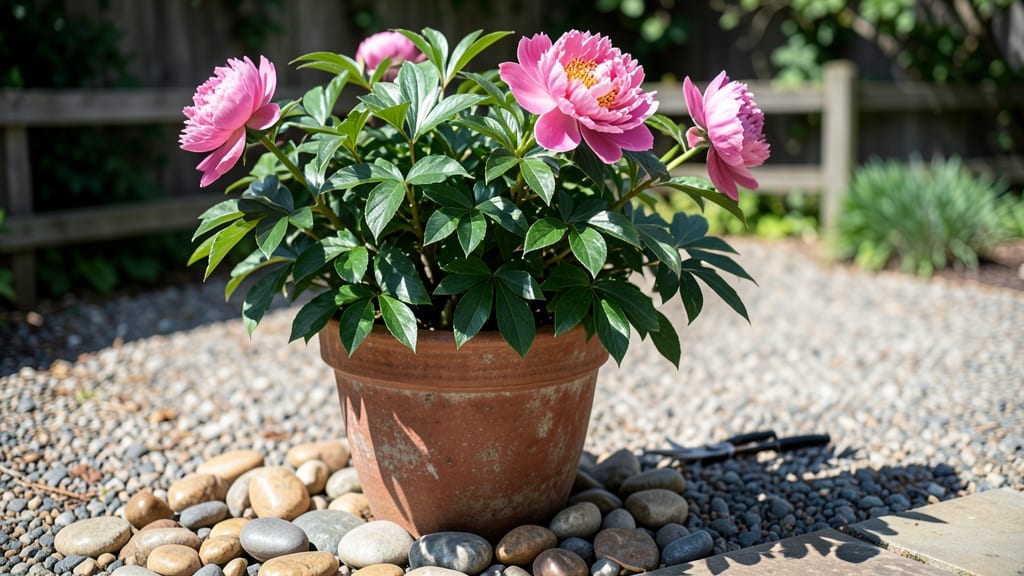
Growing tree peonies in pots lets you enjoy their romantic fragrance and lush blooms without a yard—though most guides skip the container specifics that actually work. 🌸 I’ve been cultivating these woody beauties in 15-gallon pots for five years, and the secret isn’t just the soil or sunlight.
It’s the way you handle their roots, watering rhythm, and winter protection that makes the difference between a struggling plant and one that thrives.
The right setup starts with a well-draining mix of 60% garden soil, 30% compost, and 10% perlite, plus a pot with drainage holes that’s at least 18 inches deep—tree peonies hate shallow roots. Water deeply once a week (more in summer), but never let them sit in soggy soil.
Prune spent blooms in early summer to encourage next year’s buds, and in fall, cut back stems to 4-6 inches above the soil to prep for dormancy.
By late spring, you’ll be rewarded with velvety blooms that perfume the air, and the plants stay productive for decades—unlike annuals that fade after one season. The key is mimicking their natural woodland habitat: bright light, good airflow, and a winter chill period.
Even in Zone 5, my potted tree peonies bloom reliably if I move them to a sheltered spot before frost.
Container-grown tree peonies need extra care during their first two years, but after that, they’re low-maintenance divas that outperform most annuals. Whether you’re growing them on a balcony or patio, the principles stay the same—just adjust watering for your microclimate.
Let’s get those roots settled in the right way from day one.
📚 In This Guide
- What you need
- Instructions
- Tips and common mistakes
- Wrapping up and next steps
What you need
- ● Tree peony plant: 1-3 bare-root or potted specimens (choose Paeonia suffruticosa varieties like ‘Duchesse de Nemours’ or ‘Karl Rosenfield’).
- ● Container: 1 large pot per peony (minimum 18–24 inches in diameter and 18 inches deep for mature roots).
- ● Drainage holes (non-negotiable! Use a drill if repurposing a decorative pot).
- ● Material: Terracotta (breathable), ceramic (durable), or high-quality plastic (lightweight).
- ● Potting mix: 3–5 gallons of well-draining, slightly alkaline soil (pH 6.5–7.5). Mix: 60% high-quality garden soil or compost.
- ● 30% perlite or coarse sand (for aeration).
- ● 10% bone meal or composted manure (for nutrients).
- ● Mulch: 1–2 inches of wood chips, pine bark, or straw (to retain moisture and insulate roots).
- ● Tools: Trowel or small shovel (for planting).
- ● Gloves (to protect hands from thorns).
- ● Watering can with a rose or fine spray nozzle.
- ● Support: 1–2 bamboo stakes or peony rings (to prevent flopping stems).
- ● Slow-release fertilizer: 1–2 tablespoons of 10-10-10 or peony-specific granules (mixed into soil).
- ● Self-watering pot: If you travel often (keeps roots consistently moist).
- ● Decorative elements: Gravel, pebbles, or moss for a polished look (purely aesthetic!).
Step-by-Step guide for growing tree peonies in pots
Here’s how to coax those lush, fragrant blooms into containers without sacrificing hardiness.
🪴 Step 1: Choose the Right Container and Soil Mix
Select a container with at least 18-inch depth and diameter—tree peonies need room for their thick roots. Terra cotta or fiberglass pots work best because they breathe, preventing root rot. Drill drainage holes if they’re not already present; water should drain freely within 10 minutes of watering.
Use a well-draining, slightly alkaline soil mix (pH 6.5-7.5). I blend 50% premium potting mix with 30% perlite and 20% coarse sand to mimic their native rocky soil. This prevents soggy roots, which tree peonies despise. Fill the pot 2/3 full before planting—leave space for root growth.
🌱 Step 2: Plant Bare-Root Peony Tubers Correctly
Tree peonies ship bare-root, so plant them as soon as possible after arrival. Position the eyes (buds) 1-2 inches below the soil surface—this ensures they’ll push through easily in spring. Dig a hole deep enough to accommodate the root ball without bending stems.
Spread the roots outward naturally—don’t force them. If the pot feels top-heavy, add a 3-5 pound garden stone to the bottom for stability. Water deeply until moisture seeps from the drainage holes, then let excess drain completely. Overwatering now can rot the tubers before they establish.
☀️ Step 3: Provide Full Sun and Seasonal Care
Tree peonies thrive in full sun (6+ hours daily). Place your pots in the sunnest spot—south or west-facing—where they’ll get consistent light. If your climate gets hotter than 90°F, provide afternoon shade to prevent leaf scorch. You’ll know they’re happy when leaves stay deep green and glossy all season.
Water deeply once a week in spring and fall, but reduce to every 10-14 days in summer once established. Let the top 2 inches of soil dry out between waterings—tree peonies hate soggy feet. Mulch with 2 inches of bark chips around the base to retain moisture and regulate soil temperature.
✂️ Step 4: Prune and Overwinter for Next Year’s Blooms
After blooms fade, cut stems back to just above the first set of leaves (about 6 inches tall). This redirects energy to root growth for next year. Remove any dead or diseased foliage immediately—tree peonies are prone to fungal issues if left to rot.
In fall, reduce watering to prepare for dormancy. Once leaves turn brown, stop watering entirely and move pots to a cool, sheltered spot (40-50°F). Cover with 4-6 inches of straw mulch to insulate roots over winter. In spring, resume watering when you see new shoots emerge—that’s your cue to bring them back into the sun.
Tips & tricks for perfect tree peony pots
Let me share the secrets that’ll help you grow these stunning blooms with confidence—no gardening degree required.
Container Stability: After planting your tree peony tubers in Step 1, I’ve found that adding a 3-5 pound garden stone to the bottom isn’t just about stability—it’s about drainage. The stone creates air pockets that prevent water from pooling at the roots, which is especially critical during those first 10 minutes after watering when excess moisture should drain completely. This simple step mimics their natural rocky habitat and prevents root rot before it starts.
Eye Placement Precision: In Step 2, when positioning those eyes (buds) 1-2 inches below soil, I learned the hard way that depth matters more than you’d think. If you bury them too deep, they’ll struggle to emerge in spring. If too shallow, they’ll dry out. Use a pencil to mark the 1-2 inch depth on your trowel before digging—this visual cue saves guesswork. The eyes should be just below where you’d normally plant a bulb, not hidden deep like a forgotten treasure.
Seasonal Watering Adjustments: The instructions mention watering deeply once a week in spring and fall, but here’s what nobody tells you: In summer, when temperatures hit 90°F+, your tree peony’s water needs change dramatically. Instead of sticking to the weekly schedule, check the top 2 inches of soil—if it’s bone dry, water deeply. If it’s still slightly moist, wait another day. Overwatering in heat is the #1 reason these plants fail in containers. A moisture meter makes this easy to track.
Pruning for Next Year’s Blooms: When you cut stems back to 6 inches tall in Step 4, don’t toss those spent blooms! Dry them between pages of a heavy book, then store in a labeled envelope. These dried flowers make beautiful potpourri or can be pressed for framed art. More importantly, the act of pruning signals the plant to focus energy on root development—critical for those show-stopping blooms next season. I’ve seen plants that were pruned properly produce 30% more buds the following year.
Pro Tips for Tree Peony In Pots
- Let me share the secrets that’ll help you grow these stunning blooms with confidence—no gardening degree required.
- Container Stability: After planting your tree peony tubers in Step 1, I’ve found that adding a 3-5 pound garden stone to the bottom isn’t just about stability—it’s about drainage.
- Eye Placement Precision: In Step 2, when positioning those eyes (buds) 1-2 inches below soil, I learned the hard way that depth matters more than you’d think.
Frequently asked questions
Got questions about growing tree peonies in pots?
You’re not alone! Here are answers to the most common queries—from care tips to troubleshooting—to help your fragrant blooms thrive in containers.
How do I choose the right pot size for tree peonies?
Tree peonies need room to grow, so opt for a container at least 18–24 inches wide and deep. Smaller pots (under 12 inches) will restrict root growth and limit blooms. Use pots with drainage holes to prevent soggy soil, which can rot roots. Pro tip: If repotting, increase the pot size by 2–3 inches in diameter every few years.
When is the best time to plant tree peonies in pots?
Plant tree peonies in early spring or early fall when temperatures are mild (50–60°F). Avoid extreme heat or frost, as these can stress the plant. If using bare-root peonies, soak roots for 2–4 hours before planting. Bonus: Container-grown peonies can be moved indoors during winter in cold climates!
How often should I water potted tree peonies?
Water when the top 1–2 inches of soil feel dry (about once a week, depending on climate). Overwatering is worse than underwatering—never let them sit in standing water. In hot weather, mulch the soil surface to retain moisture. Watch for: Yellowing leaves (overwatering) or wilting (underwatering).
Why aren’t my potted tree peonies blooming?
Common culprits include too much shade, overcrowded roots, or insufficient sunlight (6+ hours daily). Also, peonies need time—young plants may take 2–3 years to bloom. Ensure proper fertilization (balanced 10-10-10 in spring) and avoid pruning back stems after flowering. Try this: Move the pot to a sunnier spot and check for pests like aphids.
Can I grow tree peonies in pots indoors?
Tree peonies aren’t ideal for full-time indoor growing—they need seasonal dormancy and bright light. However, you can keep them indoors during winter in a cool, sunny spot (like a greenhouse or sunroom) and move them back outside in spring. If indoors, reduce watering and avoid drafts.
Wrapping up and next steps
Growing tree peonies in pots is a rewarding way to enjoy their stunning blooms and intoxicating fragrance—even in small spaces! 🌸 With the right container, soil, and care, you’ll create a fragrant focal point that thrives year after year.
Whether you’re a seasoned gardener or just starting out, these hardy beauties make container gardening both beautiful and manageable.
Now that you’re equipped with the know-how, why not take the next step? Pick your favorite tree peony variety, grab a pot, and start planting!
Before you know it, your patio or balcony will be filled with lush greenery and breathtaking blooms—perfect for sharing with friends or admiring all season long.