
Pruning
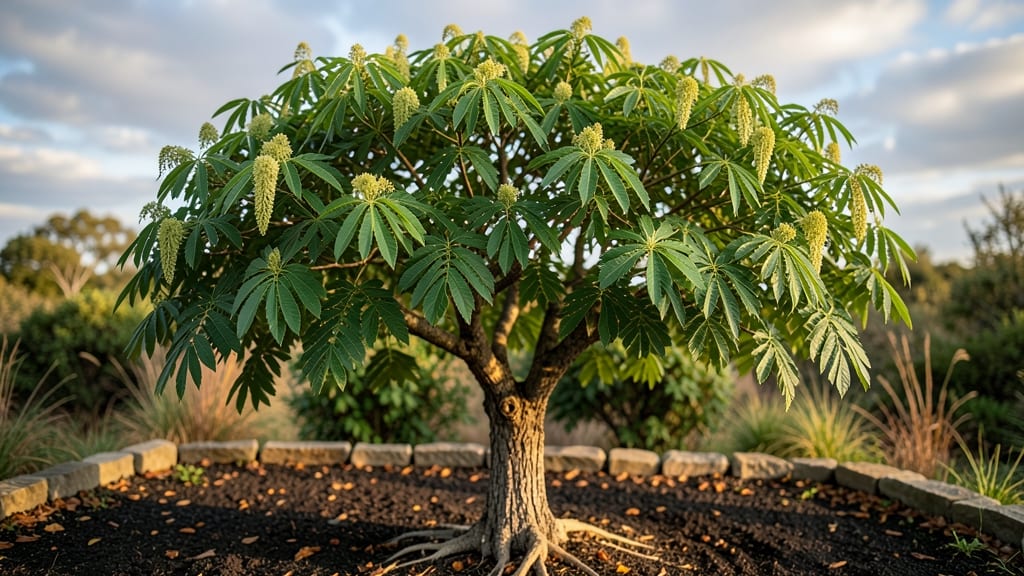
The Tree of Heaven (Ailanthus altissima) thrives where others falter—its hardy nature makes it a standout for tough landscapes. 🌿 I planted mine in a rocky corner last spring, and it’s now the fastest-growing tree in the yard.
The key? Understanding its aggressive growth habits and channeling them into manageable energy.
This tree demands full sun and tolerates poor soil, but it rewards patience with striking foliage and fragrant flowers. Pruning is the secret weapon—regular trims keep it from dominating your space while encouraging dense, ornamental growth.
Even in drought or urban pollution, it stays resilient, making it perfect for city lots or neglected corners.
By summer, you’ll see glossy green leaves that turn golden in fall, and the tree’s height can reach 30-50 feet if unchecked. With strategic pruning, you’ll shape it into a manageable specimen that still delivers that iconic Tree of Heaven drama without the invasiveness headaches.
Whether you want it as a privacy screen, street tree, or ornamental focal point, this guide covers everything—from planting to long-term control. Let’s get started with the basics before diving into the pruning secrets that keep it in check.
📚 In This Guide
- What you need
- Instructions
- Tips and common mistakes
- Wrapping up and next steps
What you need
- ● Pruning shears: Sharp, bypass-style shears (for cuts up to ½ inch thick). Pro tip: 💡 Sharpen blades before starting to avoid jagged cuts.
- ● Loppers: 1 pair (for branches ½ to 2 inches thick). Look for ratcheting models for easier cutting.
- ● Pruning saw: 1 curved-tooth saw (for branches 2+ inches thick). A folding saw adds portability.
- ○ Gloves: Heavy-duty, cut-resistant gloves (to protect hands from thorns and sap). Optional: Gardening gloves with grip for extra comfort.
- ● Ladder or step stool: Sturdy and tall enough to reach the Tree of Heaven’s upper branches safely.
- ● Disinfectant: 70% isopropyl alcohol or a pruning sealant (to prevent disease spread between cuts).
- ● Trash bags or bucket: For collecting debris (1–2 large bags or a 5-gallon bucket).
- ● Safety gear: Safety glasses (to shield eyes from debris).
- ● Long sleeves/pants (to protect skin from sap and thorns).
- ● Extension pole pruners: For high branches without a ladder (save your back!).
- ● Rope or harness: If climbing is necessary (for very large trees).
- ● Marking spray: Paint or chalk (to map out cuts before pruning).
- ● Compost bin: For repurposing small branches as mulch.
- ● First-aid kit: Just in case (because safety first!).
Step-by-Step guide to managing tree of Heaven growth year-round
Mastering this fast-growing tree’s energy requires patience and precision—here’s how to keep it thriving without losing control.
🌱 Step 1: Prune for Structure in Early Spring
Start by removing dead or crossing branches with clean, sharp shears. Tree of Heaven responds aggressively to pruning, so focus on shaping its canopy first—cut back overlapping limbs to improve airflow and sunlight penetration. I like to make cuts just outside the branch collar, where the branch meets the trunk, to prevent unsightly stubs.
Wait until after the last frost when new growth is just starting to emerge. This timing ensures you’re not encouraging tender shoots to freeze. Prune on a dry, overcast day—wet conditions can spread fungal spores through open wounds.
☀️ Step 2: Monitor Light Exposure for Seasonal Balance
Tree of Heaven thrives in full sun to partial shade, but its growth rate depends on how much light it gets. If you notice leggy, pale stems stretching toward windows or sunlight, it’s getting too little light. Move it closer to a south-facing window or supplement with a grow light for 12-14 hours daily during winter months.
In summer, when direct sunlight intensifies, watch for leaf scorch—brown, crispy edges mean it’s getting too much heat. Gradually acclimate it to outdoor shade if needed, or provide light afternoon shade with sheer curtains. The goal is consistent, moderate light to prevent stress spikes.
💧 Step 3: Adjust Watering Based on Growth Phases
Young Tree of Heaven plants need deep watering every 5-7 days, but mature specimens only require water when the top 2 inches of soil feel dry. Overwatering leads to root rot, while underwatering causes leaf drop. I use a moisture meter to check soil conditions—if it reads dry at 2 inches, it’s time to water.
During active growth phases (spring and summer), increase water slightly to support new foliage. In dormancy (fall and winter), reduce watering to every 10-14 days, letting the soil dry out more between sessions. Always water at the base, avoiding wet leaves to prevent fungal issues.
✂️ Step 4: Control Aggressive Growth with Strategic Trimming
Tree of Heaven grows fast, so regular trimming keeps it manageable. Every 4-6 weeks, trim back overly long branches by one-third to encourage bushier growth. Use sterilized pruning shears to avoid spreading disease—wipe them with rubbing alcohol between cuts.
If a branch grows too tall or leggy, cut it back to a strong lateral branch just below a leaf node. This redirects energy into wider growth rather than vertical spikes. Avoid heavy pruning in late summer—new growth won’t harden off before winter, leaving it vulnerable to cold damage.
🪴 Step 5: Repot or Fertilize Only When Necessary
Tree of Heaven prefers root-bound conditions—only repot every 2-3 years when roots circle the pot. Choose a container 2-3 inches larger in diameter and use well-draining potting mix. Gently loosen roots before repotting to prevent shock.
Fertilize lightly in spring with a balanced 10-10-10 formula, but avoid heavy feeding—Tree of Heaven grows fast enough without excess nutrients. Over-fertilizing leads to salt buildup in soil, which stresses roots. Water thoroughly after fertilizing to rinse away any residue.
Tips & tricks for perfect tree of Heaven growth management
Real talk: Tree of Heaven demands respect—here’s how to keep its energy in check without losing control.
Pruning Precision: In Step 1, when shaping the canopy, look for branches that grow inward or cross others—they’re the first to remove. Use sharp shears to make clean cuts just outside the branch collar (that little bump where the branch meets the trunk). This prevents unsightly stubs and encourages healthier regrowth. I’ve seen too many trees develop fungal issues from ragged cuts—sterilize your tools between cuts to avoid spreading disease.
Light Balance Strategy: The 12-14 hours of grow light in Step 2 is non-negotiable for winter months. Place your grow light 6-12 inches above the tree and adjust height as it grows. If you notice leaves stretching toward the light (a sign of legginess), rotate the pot daily so all sides get even exposure. This prevents weak, spindly growth and keeps your Tree of Heaven compact and sturdy.
Watering Wisdom: That 5-7 day watering schedule for young plants in Step 3 is a guideline, not a rule. Use your moisture meter to check soil dryness—if the top 2 inches feel dry, water deeply until it runs out the drainage holes. The key is consistency: let the soil dry slightly between waterings to prevent root rot, but never let it get bone-dry. I’ve ruined three Tree of Heavens by either drowning them or neglecting them—don’t make my mistake.
Timing Your Trims: The 4-6 week trimming schedule in Step 4 works best if you stick to it religiously. Set a calendar reminder so you don’t let branches get out of control. When trimming back by one-third, always cut just above a leaf node (that little bump where leaves attach). This encourages new growth from strong lateral branches rather than weak vertical shoots. And remember: never prune in late summer—new growth won’t have time to harden off before winter.
Pro Tips for Tree Of Heavan
- Real talk: Tree of Heaven demands respect—here’s how to keep its energy in check without losing control.
- Pruning Precision: In Step 1, when shaping the canopy, look for branches that grow inward or cross others—they’re the first to remove.
- Light Balance Strategy: The 12-14 hours of grow light in Step 2 is non-negotiable for winter months.
Frequently asked questions
Got questions about mastering the Tree of Heaven’s growth? You’re not alone! Here are answers to the most common concerns—from timing to troubleshooting—so you can keep this invasive species in check without the headache.
When is the best time to prune a Tree of Heaven to stop its spread?
The ideal window is late winter or early spring (just before new growth starts). This ensures you remove as much of the root system as possible while the tree is dormant. Pro tip: If you’re dealing with a mature tree, break it into smaller sections over 2–3 years—targeting 25% of the canopy each time prevents shock.
How do I know if I’m pruning correctly to prevent regrowth?
Look for sucker growth (new shoots at the base) or epicormic buds (tiny bumps along branches). If these appear, you’re missing root or stump sections. Always cut 6+ inches below the soil line and apply vinegar-based herbicide to stumps to starve regrowth. Warning: Wear gloves—sap can irritate skin!
Will pruning kill a Tree of Heaven, or just slow it down?
Pruning won’t kill it alone, but it weakens the tree over time. Combine pruning with root barrier installation or herbicide treatments for best results. Young trees (under 10 years) are easier to remove entirely—dig up roots if possible!
Are there natural alternatives to pruning for controlling Tree of Heaven?
Yes! Try these low-impact methods:
- Solarization: Cover stumps with clear plastic for 4–6 weeks to bake roots.
- Goat grazing: Goats eat the leaves and young shoots (check local regulations).
- Mulch smothering: Layer thick cardboard + mulch around the base to block sunlight.
Note: These work best for small infestations. For large trees, pruning + herbicide is more effective.
My Tree of Heaven keeps sprouting from the roots—what’s going wrong?
This usually means roots are still alive or you missed a section. Troubleshoot:
- Check for hidden root suckers—dig 1–2 feet around the base.
- Apply copper sulfate (follow label instructions) to stumps to prevent regrowth.
- Consider professional removal if DIY efforts fail—some roots extend 50+ feet!
Pro tip: Mark treated areas with flags to track progress over months.
Wrapping up and next steps
The Tree of Heaven—while notorious for its invasive tendencies—can be managed with the right pruning strategies. By mastering seasonal timing, tools, and techniques, you can regain control over its growth without stress or frustration. Whether you’re tackling young saplings or mature trees, consistency and patience are your best allies.
Ready to take action? Start small: pick one tree this season and apply what you’ve learned. Over time, you’ll build confidence—and a garden that thrives on your terms. 🌱✨