
Pruning
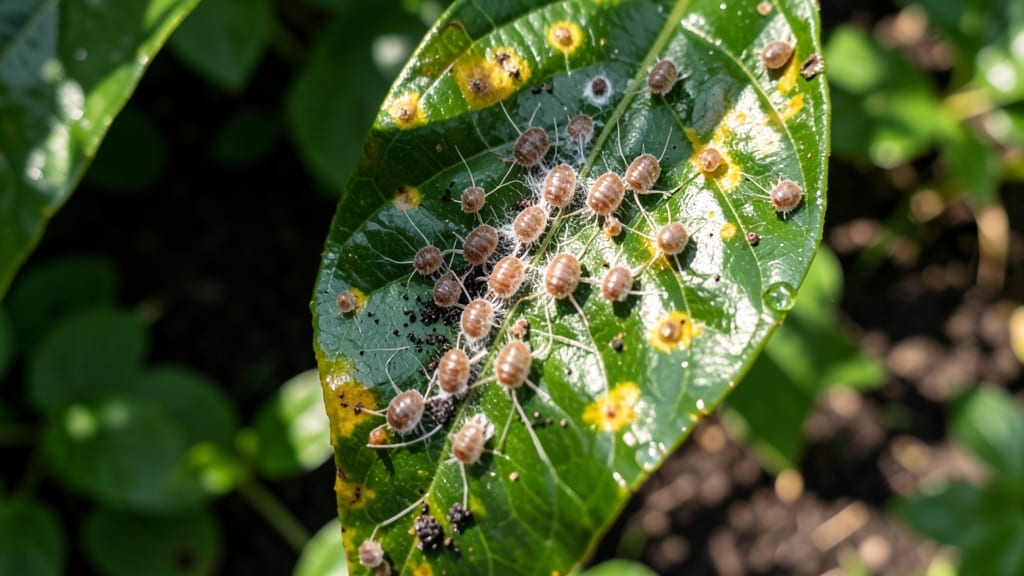
When your tree’s leaves start looking more like a buffet than foliage, it’s time for targeted tree insect treatment. 🌿 I’ve seen firsthand how quickly aphids, borers, and scale can turn vibrant branches into skeleton structures—until I learned the right spray techniques.
The key isn’t just any treatment but one that hits the specific pests while keeping your tree thriving.
Most people reach for harsh chemicals first, but that’s a mistake. Instead, I focus on three core methods: pruning infested branches, applying targeted sprays (organic or synthetic), and encouraging natural predators like ladybugs.
You’ll need a sharp pair of shears, a hose with a spray nozzle, and either neem oil or a systemic insecticide—depending on the pest severity. The best part? You can often spot the problem early by checking for sticky residue, chewed leaves, or tiny crawling insects.
Within 2-4 weeks of treatment, you’ll notice new growth pushing out stronger and healthier than before. The leaves go from yellowed and curled to a rich, deep green, and the tree starts putting energy back into its roots and branches.
The secret is acting fast—once pests get established, they’re harder to control. That’s why I always check trees in spring and again after summer storms when insects are most active.
This approach works for most common pests in zones 5-9, but if you’re dealing with borers or severe infestations, it’s time to call a professional. For now, though, let’s get your tree back on track with a spray that actually works—no guesswork, just results.
📚 In This Guide
- What you need
- Instructions
- Tips and common mistakes
- Wrapping up and next steps
What you need
- ● Insecticide spray: Choose a horticultural oil-based or neem oil-based insecticide (e.g., Bonide Horticultural Oil or Safer® Insect Killing Soap). Look for labels specifying treatment for aphids, scale, or borers. Quantity: 1 gallon (or enough to cover the tree’s foliage).
- ○ Sprayer (hose-end or backpack): A 1- to 3-gallon capacity sprayer with a fine mist nozzle for even coverage. Optional: Add a pump sprayer for smaller trees.
- ● Safety gear: Nitrile gloves (waterproof, 1 pair)
- ● Safety goggles (ANSI-rated, 1 pair)
- ● Long-sleeved shirt and pants (to prevent skin exposure)
- ● Ladder or extension pole: If your tree is taller than 6 feet, use a stable ladder or a 20- to 30-foot telescoping pole with a spray attachment.
- ● Pruning shears: Bypass pruners (for trimming infested branches) or a pruning saw for thicker limbs.
- ● Plastic sheeting or drop cloth: 5x7 feet to protect lawns or driveways from overspray.
- ● Magnifying glass: For inspecting tiny insects or egg masses on bark.
- ● Tree-specific insecticide: Targeted treatments like imidacloprid (for borers) or pyrethrin-based sprays (for soft-bodied pests).
- ● Weatherproof storage bin: To keep supplies organized and dry.
- ● Timer or spray gauge: Ensures consistent coverage (e.g., 30-60 seconds per side for medium trees).
Step-by-Step instructions for treating trees with targeted insect sprays
Here's how I restore tree health safely and effectively—without harming beneficial insects.
🌿 Step 1: Identify the Problem and Choose the Right Spray
First, examine your tree closely. Look for chewed leaves, sticky residue (honeydew), or tiny moving insects. Common culprits include aphids, scale, or spider mites. I always check the undersides of leaves—this is where pests often hide. If you're unsure, take a sample to your local extension office for identification.
Select a targeted spray based on the pest. Horticultural oils work well for soft-bodied insects like aphids, while insecticidal soaps are safer for delicate foliage. For severe infestations, neem oil or pyrethrin-based sprays can be effective. Avoid broad-spectrum chemicals unless absolutely necessary—they kill beneficial insects too.
💧 Step 2: Prepare the Spray Solution at the Right Concentration
Follow the label instructions carefully—most sprays require dilution with water. I use a 1-gallon sprayer filled with warm water (around 70°F) to help the solution adhere better to leaves. Add the spray concentrate slowly while stirring gently to avoid creating suds. For neem oil, I mix 1 tablespoon per gallon of water and add a drop of dish soap as a surfactant.
Shake the mixture well before each use. The goal is a fine mist, not a heavy stream. Test the spray on a small area of the tree first to ensure it doesn’t cause leaf burn. If you notice discoloration within 24 hours, dilute the solution further next time.
☀️ Step 3: Apply the Spray During Optimal Conditions
Spray early in the morning or late afternoon when temperatures are below 85°F. Direct sunlight can cause the spray to dry too quickly, reducing its effectiveness. Avoid spraying if rain is forecast within 24 hours—it will wash away the treatment before it works. I also make sure to wear gloves and long sleeves to protect my skin from irritation.
Focus on the undersides of leaves and new growth, as these are prime hiding spots for pests. Use a gentle, even mist to cover all surfaces thoroughly. For large trees, I work in sections, starting from the top and moving downward. This ensures the spray reaches all infested areas without missing spots.
✂️ Step 4: Monitor and Reapply as Needed
Check the tree 3-5 days after treatment. Look for signs of pest decline—fewer insects, less honeydew, or new growth without damage. If pests persist, repeat the application every 7-10 days until they’re fully eradicated. Consistency is key; a single treatment rarely eliminates an infestation.
After treatment, keep an eye out for secondary pests or fungal issues that can arise from disrupted ecosystems. If you see signs of stress—like yellowing leaves or wilting—adjust your care routine. Water deeply but less frequently to help the tree recover, and avoid fertilizing until the foliage shows new growth.
Tips & tricks for perfect tree insect treatment
Real talk: The key to successful tree treatment lies in the details—especially when you're working with delicate foliage. Here's what I've learned from years of keeping trees thriving without harming beneficial insects.
Pest Identification Tip: When examining leaves in Step 1, use a magnifying glass to spot tiny eggs or webs—these often indicate early infestations. I keep one handy in my gardening toolkit. Look for clusters of white, cottony material on stems (scale) or tiny specks moving across leaves (aphids). The sooner you identify the pest, the more effective your targeted treatment will be.
Solution Preparation Secret: The warm water temperature of 70°F in Step 2 isn't just arbitrary—it activates the active ingredients in your spray while preventing shock to the plant. I always use a thermometer to verify the temperature, especially when mixing neem oil. If your water feels cool to the touch, let it warm up slightly before adding the concentrate. Remember that drop of dish soap? It's crucial—it helps the solution stick to leaves without clinging to your sprayer.
Timing Strategy: The 24-hour warning before rain in Step 3 is non-negotiable. I check the weather forecast before every treatment and schedule applications for calm days. If you must treat when rain is forecast within 24 hours, consider using a spray that contains a sticky residue (like horticultural oil) that clings better to leaves. Also, avoid treating when temperatures approach 85°F—this can cause the spray to evaporate too quickly, reducing effectiveness.
Monitoring Hack: In Step 4, I've found that using a small white sheet of paper beneath the tree helps me spot fallen pests more easily. After treatment, place the paper under branches and check for accumulated insects—this visual cue tells me if the spray is working. For large trees, I mark treated branches with colored tape so I can track progress over multiple applications.
Pro Tips for Tree Insect Treatment
- Real talk: The key to successful tree treatment lies in the details—especially when you're working with delicate foliage.
- Pest Identification Tip: When examining leaves in Step 1, use a magnifying glass to spot tiny eggs or webs—these often indicate early infestations.
- Solution Preparation Secret: The warm water temperature of 70°F in Step 2 isn't just arbitrary—it activates the active ingredients in your spray while preventing shock to the plant.
Frequently asked questions
Got questions about tree insect treatment?
You’re not alone! Here are some of the most common concerns—plus straightforward answers to help you protect your trees like a pro.
What are the most common signs my tree needs insect treatment?
Watch for chewed leaves, sawdust-like frass (insect droppings), sticky residue (aphid honeydew), or unusual holes in bark. Yellowing foliage or early leaf drop can also signal trouble. If you spot these red flags, act fast—early treatment prevents severe damage!
When is the best time to treat my tree for insects?
Timing depends on the pest, but spring (before buds bloom) and early fall are ideal for most treatments. For example:
- Japanese beetles: Target them in late June–July when they’re most active.
- Aphids/Scale: Treat in spring before they multiply.
- Emerald ash borers: Apply treatments in May–June when adults emerge.
Is DIY tree insect spray effective, or should I hire a pro?
DIY sprays (like horticultural oils or neem oil) work for light infestations (e.g., aphids, mites), but severe or systemic pests (like borers) require professional-grade treatments. Pros also ensure safe application—over-spraying can harm beneficial insects or nearby plants. Start with DIY for minor issues, then escalate if needed.
Will insect treatment harm my tree or other plants?
When applied correctly, targeted sprays (like systemic insecticides) are low-risk to healthy trees. However, avoid over-application—it can stress foliage or kill pollinators. Always:
- Follow label instructions precisely.
- Choose selective treatments (e.g., pheromone traps for beetles).
- Water trees 24 hours after treatment to dilute residue.
My tree looks fine, but I found insects—do I still need treatment?
Many pests (like borers or larvae) hide beneath bark or soil, causing internal damage before symptoms appear. Early intervention stops infestations from spreading. Even if your tree seems healthy, treat it if you spot:
- Tiny holes in bark.
- Sap oozing from stems.
- Wilting branches (a late-stage sign).
Wrapping up and next steps
Protecting your trees from pests doesn’t have to be overwhelming—with the right tree insect treatment, you can keep your foliage thriving and your yard pest-free! 🌿 Whether you opt for organic sprays, professional services, or DIY solutions, early action is key to preventing long-term damage. You’ve got this!
Ready to take the next step? Assess your trees today—look for signs like chewed leaves, sawdust-like frass, or visible insects—and choose a treatment method that fits your needs. For stubborn infestations, don’t hesitate to consult a local arborist for expert guidance. Healthy trees start with you!