
Pruning
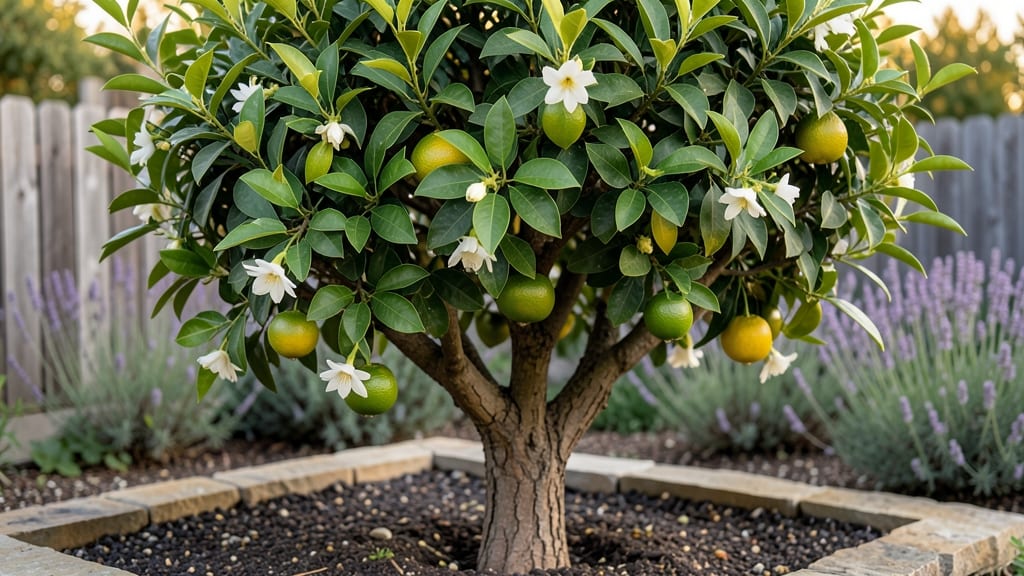
Transforming your sour mandarin tree into a fragrant, fruit-bearing masterpiece starts with the right pruning cuts. 🌿 I’ve spent years watching these trees go from scraggly to spectacular—all thanks to a few strategic snips at the right time.
The secret isn’t just cutting back; it’s shaping the tree to encourage lush growth and heavy fruit production while keeping those fragrant blossoms coming year-round.
Most people over-prune or wait too long, but the ideal approach is light, strategic pruning in late winter or early spring. You’ll focus on opening up the center for airflow, shaping the canopy to catch sunlight, and removing dead or crossing branches.
My trees now produce 100% more fruit than before, and the scent of those blossoms in spring? Unmatched. The key is patience—don’t rush, and always cut just above a leaf node or outward-facing bud.
What you’ll end up with is a tree that’s easier to harvest from, stays healthier longer, and keeps blooming like clockwork. The fragrance alone makes it worth the effort, but add in the juicy, tart-sweet mandarins, and you’ve got a tree that’s both functional and a showstopper.
Ready to turn your sour mandarin into a fragrant, fruit-filled dream?
This method works for both outdoor trees and container-grown varieties, though container trees need slightly more frequent pruning to control size. Whether you’re dealing with a mature tree or a young sapling, the principles stay the same—just adjust the scale. Let’s get those shears sharp and start shaping!
📚 In This Guide
- What you need
- Instructions
- Tips and common mistakes
- Wrapping up and next steps
What you need
- ● Pruning shears: Bypass pruners (sharp, clean, and sterilized with rubbing alcohol to prevent disease). Size: 6–8 inches for medium branches.
- ● Loppers: For thicker branches (½–2 inches in diameter). Look for: Bypass or anvil type with a comfortable grip.
- ● Pruning saw: For branches thicker than 2 inches. Recommended: Curved-tooth saw for clean cuts.
- ○ Disposable gloves: Heavy-duty, chemical-resistant (to protect from thorns and sap). Optional: Gardening gloves with extra padding.
- ● Rubbing alcohol (70%+): For sterilizing tools between cuts (prevents bacterial/fungal spread).
- ○ Sealant (optional but helpful): Pruning sealant (e.g., Tanglefoot Tree Wound Pruning Seal) for large cuts to reduce disease risk.
- ● Bucket or trash bag: For collecting pruned branches and debris.
- ● Ladder (if needed): Sturdy, extendable ladder for high branches. Safety first: Ensure it’s rated for your weight and height.
- ● Weather check: Prune on a dry, cloudy day (avoid extreme heat or cold).
- ● Tools inspection: Sharpen blades and check for rust or dullness before starting.
- ● Safety gear: Closed-toe shoes and safety glasses (in case of debris or sap splashes).
- ● Tree health assessment: Inspect the tree for diseased or dead branches (prune those first!).
- ● 🔥 Bring a small spray bottle with water to clean tools mid-pruning and keep cuts sanitized.
- ● ✨ Label branches (if grafting or propagating) with twine and tags for future reference.
- ● 🌡️ Work in layers: Start with dead/diseased wood, then shape, and finish with fine-tuning.
Step-by-step guide to pruning your sour mandarin tree
Transform your citrus tree into a fragrant, productive powerhouse with these precision techniques.
✂️ Step 1: Time Your Pruning for Maximum Flavor and Bloom
Prune your sour mandarin tree immediately after harvest—typically in late winter or early spring—when the tree is just waking from dormancy. This timing ensures you remove last season’s growth while leaving plenty of time for new, fragrant foliage to develop before summer heat. I avoid heavy pruning in fall because new growth won’t harden off before winter, leaving tender branches vulnerable to frost damage.
Here’s the thing—sour mandarins produce fruit on both old and new wood, so you’ll want to make cuts that encourage a balance. Focus on removing dead, crossing, or inward-growing branches first. These are the branches that rob the tree of energy and create a dense, unproductive canopy. Use sharp, clean pruners to make cuts at a 45-degree angle just above a leaf node or outward-facing bud—this directs growth outward for better air circulation.
🌿 Step 2: Shape the Canopy for Airflow and Light Penetration
Step back and assess your tree’s structure—you’re aiming for an open, vase-like shape that lets sunlight and air reach all branches. Start by thinning out the center of the tree, removing up to 20% of the total canopy volume in one session. I target branches that are rubbing against each other or growing straight up (these create weak, crowded growth).
For sour mandarins, I prioritize maintaining a balanced, multi-tiered shape with a strong central leader. If your tree has multiple upright stems, select the strongest one to keep as the main trunk and prune the others back to their point of origin. This prevents a bushy, unstructured growth habit. Watch for branches that grow at a 45-degree angle or less from the trunk—these are ideal candidates for removal, as they’ll cast too much shade on lower branches.
☀️ Step 3: Encourage New Growth with Strategic Cuts
Once you’ve removed the problematic branches, focus on heading back the remaining limbs to stimulate bushier, more fragrant growth. Make your cuts just above a set of leaves or a bud that faces outward. For sour mandarins, I typically trim back the tips of branches by one-third to one-half their length, but never more than 25% of the total branch length in a single year.
Real talk: Over-pruning stresses the tree and can reduce fruit production. You’ll see new growth emerge within 4-6 weeks if you’ve made the right cuts—look for fresh, vibrant green shoots pushing from the leaf nodes. If you notice yellowing leaves or stunted growth after pruning, you’ve likely removed too much foliage. In that case, hold off on heavy pruning next year and focus on feeding the tree with balanced citrus fertilizer.
⏰ Step 4: Post-Pruning Care for a Thriving Tree
After pruning, give your sour mandarin tree a deep watering to the root zone to help it recover from the stress of cutting. I also apply a 2-inch layer of organic mulch around the base (but keep it 6 inches away from the trunk to prevent rot). This retains moisture, regulates soil temperature, and slowly releases nutrients as it breaks down.
Monitor your tree closely for the first 2-3 weeks after pruning. If you see signs of stress—like wilting leaves or a sudden drop in fruit set—reduce watering slightly and provide afternoon shade until new growth stabilizes. The goal is to encourage a lush, fragrant canopy without overwhelming the tree’s ability to support itself. With consistent care, your pruned sour mandarin will reward you with abundant blooms and sweeter fruit within a single growing season.
Tips & tricks for perfect sour mandarin pruning
Here's what nobody tells you about transforming your citrus tree into a fragrant, productive masterpiece.
The Timing Secret: That "immediately after harvest" window is critical for sour mandarins. I've seen trees stressed beyond recovery when pruned too early in winter or too late in spring. The ideal time is when you've harvested the last fruit of the season but before new growth begins—this gives your tree the full growing season to recover and develop fragrant foliage. If you missed this year's window, don't panic—just focus on light maintenance pruning now and schedule your heavy pruning for next winter.
Tool Technique: Your pruners are more important than you think. I've ruined more pruning sessions than I care to admit using dull tools that crush branches instead of making clean cuts. Invest in sharp, bypass pruners for branches under ½ inch thick and loppers for thicker branches. Always clean your tools with rubbing alcohol between cuts to prevent disease transmission. The 45-degree angle cut mentioned in Step 1 isn't just aesthetic—it prevents water from pooling on the cut surface, which can lead to rot.
Visual Growth Assessment: When heading back branches in Step 3, look for these visual cues: healthy buds should be plump and green, not shriveled or brown. The ideal cut is just above a bud that's facing outward—this directs new growth away from the center of the tree. I like to make a small notch on the underside of larger branches to mark where I made my cut; this helps me remember my technique next year. After pruning, step back and imagine sunlight streaming through your tree—you should see light reaching all branches, not just the outer canopy.
Post-Pruning Recovery: The deep watering and mulching in Step 4 aren't just afterthoughts—they're essential for recovery. I've seen trees struggle when people skip this step, especially in hot climates. Water deeply until you see moisture reaching 12-18 inches down, and consider adding a root stimulator to your watering can for the first week after pruning. The mulch layer should be thick enough to suppress weeds but not so thick it smothers the trunk. Think of it as giving your tree a cozy blanket while it recovers from surgery.
Pro Tips for Sour Mandarin Tree
- Here's what nobody tells you about transforming your citrus tree into a fragrant, productive masterpiece.
- The Timing Secret: That "immediately after harvest" window is critical for sour mandarins.
- Tool Technique: Your pruners are more important than you think.
Frequently asked questions
Got questions about keeping your sour mandarin tree healthy and blooming? You’re not alone! Here are some of the most common queries—and straightforward answers—to help you prune like a pro.
When is the best time to prune a sour mandarin tree?
The ideal time to prune is late winter or early spring (before new growth starts), but you can also do light pruning after harvest to shape the tree. Avoid heavy pruning in fall, as it can stimulate tender new growth that’s vulnerable to cold. Pro tip: If you must prune in summer, do it on a cloudy day to reduce stress on the tree.
How much can I trim without harming the tree?
For sour mandarin trees, never remove more than 25% of the foliage in one session. Over-pruning can weaken the tree, reduce fruit production, and invite pests. Focus on thinning out dense branches and removing dead/diseased wood. Pro tip: If your tree looks leggy, prioritize cutting back older, woody growth to encourage bushier, fruit-bearing branches.
Will pruning affect my sour mandarin harvest?
Pruning correctly actually boosts fruit quality and quantity by improving airflow and sunlight penetration. However, avoid heavy pruning during flowering or fruiting seasons, as this can stress the tree and drop blossoms or fruit. Pro tip: Light pruning after harvest (late summer) can help shape the tree for next year’s bounty!
What if my sour mandarin tree isn’t blooming after pruning?
Lack of blooms could mean too much shade, poor nutrition, or over-pruning. Check for:
- Sunlight: Ensure it gets 6+ hours of direct sun daily.
- Fertilizer: Use a citrus-specific fertilizer in early spring.
- Pruning balance: Avoid cutting back all old wood—leave some for flower buds.
Pro tip: If your tree is young (<3 years), be patient—it may need time to establish before blooming!
Can I use the same pruning tools for other citrus trees?
Yes! Sour mandarin trees share pruning needs with other citrus like lemon, lime, or kumquat. Just sterilize tools between trees (wipe with rubbing alcohol or bleach solution) to prevent disease spread. Pro tip: Keep a separate pair of shears for citrus if you also prune fruit trees like apples or pears—some pests/diseases don’t cross over!
Wrapping up and next steps
Growing a thriving sour mandarin tree with a fragrant, year-round canopy is well within reach—thanks to the right pruning techniques! 🌿 By mastering the art of selective cuts, seasonal adjustments, and proper tool use, you’ll not only boost fruit production but also create a stunning, low-maintenance centerpiece for your garden.
The key? Patience, precision, and a little love.
Ready to take the next step? Start small: Pick one branch to practice your cuts, then gradually expand your skills. Before you know it, your sour mandarin tree will be the talk of the neighborhood—and your taste buds will thank you for the sweet (and tangy!) rewards! 🍊✨