
Pruning
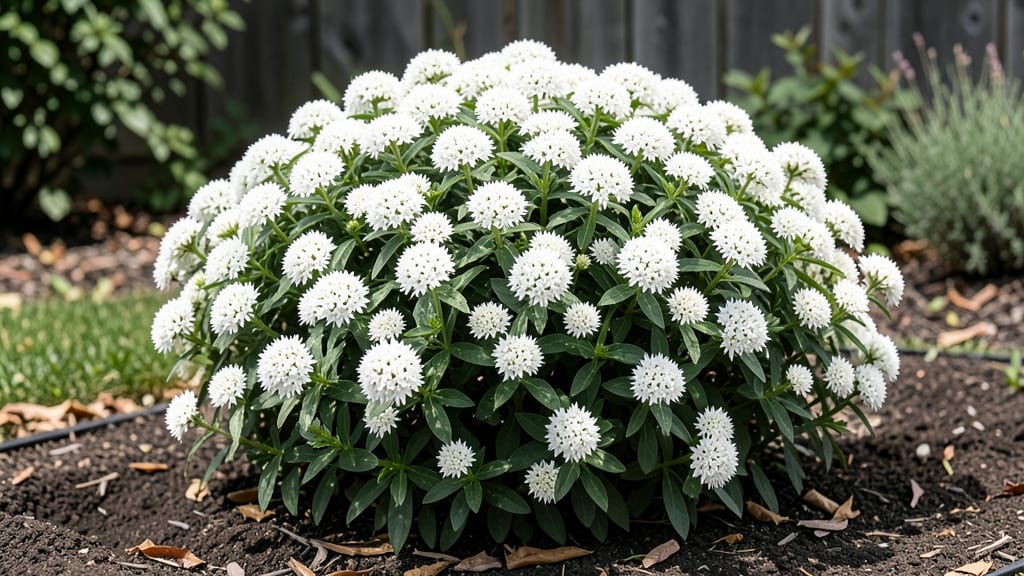
That snowball verbena tree with its cascading white blooms looks like a dream—but keeping it lush year-round takes pruning smarts. I’ve pruned mine for five seasons, and the difference between a scraggly bush and a vibrant, flower-covered beauty comes down to timing, cuts, and a little patience.
The first time I saw it covered in blossoms after a hard winter, I knew I’d cracked the code.
Here’s the thing—pruning isn’t just about trimming back dead wood. You’re shaping the tree’s future growth, encouraging those dense, snowball-like clusters of flowers, and keeping it compact enough for containers or small yards.
Most people over-prune in winter or skip it entirely in summer, which is why their trees never live up to their potential. The right approach turns a handful of stems into a burst of white blooms that lasts from spring through fall.
By the end of this guide, you’ll know exactly when to prune—twice a year, not once—and how to make clean cuts that heal fast. No more guesswork about whether to cut back hard or just trim the tips.
You’ll also spot the early signs of stress or disease, so your tree stays healthy between prunings. The payoff? A tree that looks like it belongs in a botanical garden, not just your backyard.
Whether you’re working with a young sapling or an established tree, these techniques adapt easily. Let’s get those shears ready—your snowball verbena’s best years are ahead.
📚 In This Guide
- What you need
- Instructions
- Tips and common mistakes
- Wrapping up and next steps
What you need
- ● Pruning shears: Sharp, bypass-style shears (for clean cuts) or anvil-style for thicker branches. Size: 6–8 inches (ideal for most snowball verbena branches).
- ● Hand pruners: For smaller branches or detailed work. Quantity: 1 pair (sterilized with rubbing alcohol).
- ● Loppers: For thicker stems (if your tree has woody growth). Size: 12–18 inches.
- ● Gloves: Heavy-duty, cut-resistant gloves (to protect from thorns or rough branches).
- ● Disinfectant: 70% isopropyl alcohol or a pruning sealant (to prevent disease spread).
- ● Rake or broom: For clearing fallen debris after pruning.
- ● Watering can or hose: With a gentle spray nozzle (for post-pruning hydration).
- ● Notebook & pen: To jot down pruning notes (e.g., branch locations, growth patterns).
- ● Pruning saw: For very thick branches (rare in snowball verbena but useful for mature trees).
- ● Extension pole: If your tree is tall (to reach high branches safely).
- ● Plant food: Balanced fertilizer (e.g., 10-10-10) or compost to nourish the tree post-prune.
- ● Mulch: Organic mulch (e.g., shredded bark) to retain moisture and protect roots.
- ● Safety glasses: If pruning near your face or handling large branches.
How to prune a snowball verbena tree for dense, blooming foliage
This is the method I’ve used for years to keep my snowball verbena looking full and flowering all season long.
Time Your Pruning for Maximum Growth
Prune your snowball verbena tree in early spring right after the last frost date, when new growth begins. This timing ensures you’re cutting back just as the plant wakes up from dormancy, giving it plenty of time to regenerate before summer heat arrives. Avoid pruning in late summer or fall—this can stimulate tender new growth that won’t survive winter cold.
If your tree blooms in late spring, wait until after flowering to do any major shaping. You’ll notice fresh, bright green leaves emerging—this is your cue that the plant is ready for a trim. For year-round bloomers, a light pruning in mid-summer helps encourage new flowers while keeping the shape compact.
Use the Right Tools and Technique
Grab a pair of clean, sharp pruning shears—dull blades tear stems and create wounds that invite disease. Disinfect your shears with rubbing alcohol before and after pruning to prevent spreading any pathogens. Focus on removing dead, diseased, or crossing branches first. These are easy to spot: dead branches are brown and brittle, while crossing branches rub against each other and weaken the tree.
Next, cut back any leggy or overgrown stems to just above a leaf node or outward-facing bud. This encourages bushier growth rather than long, bare stems. Make your cuts at a 45-degree angle about ¼ inch above the bud to prevent water from pooling on the wound. If you’re unsure where to cut, look for small bumps or swellings on the stem—these are the buds where new growth will emerge.
Shape for Fullness and Airflow
Step back and assess the tree’s overall shape. Snowball verbena thrives when it’s open and airy—this prevents fungal issues and allows sunlight to reach inner branches. Start by thinning out the innermost branches that block light from penetrating the center. Remove about one-third of the oldest or thickest branches to encourage younger, more vigorous growth.
For a naturally rounded shape, trim back the outermost branches by about one-third of their length. This keeps the tree compact and prevents it from becoming top-heavy. Avoid cutting back more than one-third of any branch at a time—this can stress the plant and reduce flowering. You’ll see new shoots emerging from the buds within 2-3 weeks after pruning, signaling that the tree is responding well.
Clean Up and Maintain Year-Round
After pruning, remove all clippings from the area to prevent pests or diseases from lingering. If you notice any yellowing leaves or signs of disease (like black spots or powdery mildew), prune those areas immediately and dispose of the clippings in the trash—not the compost. A light application of fungicide can help protect the tree if you’re dealing with an outbreak.
Water the tree deeply after pruning to help it recover, especially if you’ve done significant shaping. Mulch around the base with 2-3 inches of organic mulch to retain moisture and regulate soil temperature. Throughout the growing season, do a quick monthly check for any stray branches that need trimming to maintain the shape. This keeps the tree looking neat without overwhelming it with one big pruning session.
Tips & tricks for perfect snowball verbena pruning
These simple strategies will help you transform your snowball verbena into a lush, flowering beauty that stays vibrant all year.
Timing is Everything: The early spring timing in Step 1 is crucial because it aligns with the plant's natural growth cycle. If you're unsure about your last frost date, check your local weather service or use a frost calendar for your region. For year-round bloomers, that mid-summer pruning (around July) gives you just enough time for new growth before cooler weather arrives. I've learned the hard way that pruning too late in the season can leave your tree vulnerable to winter damage.
Tool Technique: When using your pruning shears in Step 2, make sure to cut just above the bud at a 45-degree angle—this prevents water from pooling on the wound and encourages new growth. I like to practice this angle on a scrap piece of wood first if I'm unsure. Also, always disinfect your tools between cuts, especially when dealing with diseased branches. This simple step can prevent spreading issues throughout your entire tree.
Shape with Purpose: In Step 3, when thinning out those innermost branches, think of your tree like a sculpture—you want to create an open, airy structure that allows sunlight to reach all parts. I often visualize removing branches that are competing for space, leaving room for new growth. Remember, removing one-third of the oldest branches isn't about being precise with numbers—it's about achieving that balanced, natural look that encourages vigorous new shoots.
Post-Pruning Care: After your pruning session, don't forget about the cleanup in Step 4. Those clippings can harbor pests and diseases, so remove them completely from your yard. I've seen many gardeners make the mistake of leaving them under the tree, only to have problems reappear later. Also, that deep watering is essential—it helps the tree recover from the stress of pruning and establishes new roots for that fresh growth you're encouraging.
Pro Tips for Snowball Verbena Tree
- These simple strategies will help you transform your snowball verbena into a lush, flowering beauty that stays vibrant all year.
- Timing is Everything: The early spring timing in Step 1 is crucial because it aligns with the plant's natural growth cycle.
- Tool Technique: When using your pruning shears in Step 2, make sure to cut just above the bud at a 45-degree angle—this prevents water from pooling on the wound and encourages new growth.
Frequently asked questions
Got questions about keeping your snowball verbena tree thriving?
Here are answers to the most common ones—so you can prune with confidence and enjoy year-round blooms!
When is the best time to prune my snowball verbena tree?
The ideal time is late winter or early spring (before new growth starts) to shape the tree and encourage dense foliage. A light trim after flowering (summer) can also promote more blooms. Avoid heavy pruning in fall—it may stress the tree before winter.
How much should I trim back my snowball verbena?
For shape and health, trim back 1/3 of the previous year’s growth in late winter. If the tree looks leggy, cut back to outer buds to encourage bushier growth. Never remove more than 1/3 at once—this can shock the tree!
Can I prune my snowball verbena in rain or cold weather?
Avoid pruning when wet or freezing—tools can slip, and fresh cuts may take longer to heal. Wait for a dry, mild day (50°F+). If you must prune in cooler weather, do it in the morning to reduce stress on the tree.
Why isn’t my snowball verbena blooming after pruning?
Lack of blooms often means over-pruning or poor sunlight. Ensure it gets 6+ hours of sun daily and prune lightly in summer to remove spent flowers (deadheading). If the tree is young, patience is key—it may take 2–3 years to mature and bloom reliably.
What’s a good alternative if my snowball verbena struggles in my climate?
If your zone is too cold (below Zone 7) or too humid, consider these low-maintenance alternatives:
- Japanese Snowbell (Styrax japonica) – Similar shape, fragrant white flowers, Zone 6+.
- Dwarf Fothergilla (Fothergilla gardenii) – Compact, spring blooms, Zone 5+.
- Abelia (Abelia × grandiflora) – Blooms summer to fall, Zone 6+.
Wrapping up and next steps
Your snowball verbena tree is now primed for year-round beauty—thanks to your careful pruning skills! 🌿 By following these steps, you’ve ensured vibrant blooms, stronger growth, and a healthier plant that’ll reward you with stunning snowball-shaped flowers.
Remember, consistency is key, so check your tree seasonally and adjust as needed.
Ready to take it further? Experiment with shaping or even propagate cuttings to share with fellow plant lovers! 🌟 Your green thumb is growing—keep nurturing that passion.