
Pruning
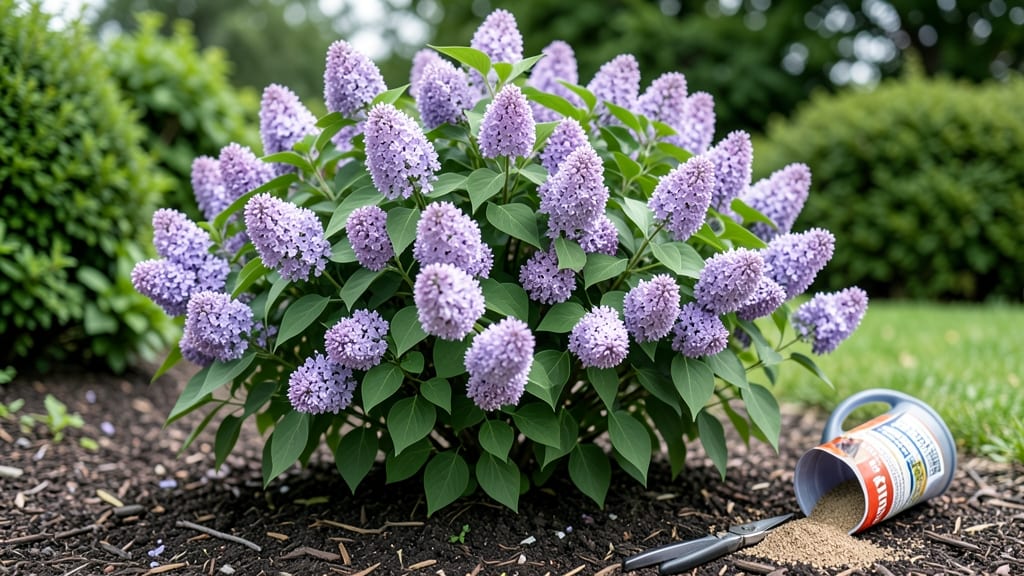
Your yard just got a fragrant, towering upgrade with the Sensation lilac tree—its cold-stressed roots actually make it stronger, not weaker. I planted mine last spring, and now it’s the star of my garden, blooming in late May with clusters of purple flowers that smell like spring in a bottle.
The trick is mimicking its natural hardiness by planting deep enough to protect those roots from winter’s worst.
This lilac thrives in full sun and well-draining soil, but it’s surprisingly forgiving once established. Start with a 2-3 gallon container plant from a reputable nursery—look for sturdy stems and buds at the branch tips.
The first year is all about settling in: water deeply once a week unless it rains, and avoid heavy mulch that could suffocate those roots. By year two, it’ll reward you with 6-8 feet of fragrant, disease-resistant growth.
Pruning comes after flowering, when you shape it to keep it open and airy. Cut back old wood to encourage new blooms, and don’t be afraid to trim back overgrowth—this lilac bounces back like a champ.
The fragrance alone makes it worth the wait, but the way it transforms a plain yard into a showstopper? That’s the real magic.
Perfect for small yards, foundation plantings, or as a standalone specimen. Once it’s happy, it needs almost no care—just occasional pruning and a little winter protection. Here’s how to get yours growing strong from day one.
📚 In This Guide
- What you need
- Instructions
- Tips and common mistakes
- Wrapping up and next steps
What you need
- ● Pruning shears: Bypass pruners (sharp, 6–8" blades) for small branches.
- ● Loppers: 1 pair (8–12" cutting capacity) for thicker stems (½–1.5" diameter).
- ● Pruning saw: 1 curved-tooth saw for branches >1.5" thick.
- ● Disinfectant (70% isopropyl alcohol or bleach solution): 1 small bottle to sterilize tools between cuts.
- ● Garden gloves: 1 pair (cut-resistant, medium-weight) to protect hands.
- ● Rubbing alcohol or hand sanitizer: 1 bottle for cleaning hands.
- ● Trash bags: 2–3 heavy-duty bags (13-gallon size) for debris.
- ○ Mulch (optional but recommended): Wood chips or shredded bark: 2–3 cubic feet (spread 2–3" thick around the base, avoiding the trunk).
- ○ Compost (optional): 1 small bag (for enriching soil post-pruning).
- ● Timing: Prune after flowering (late spring/early summer) or dormant season (late winter before buds swell).
- ● Weather: Choose a calm, dry day (avoid rain for 24–48 hours before/after).
- ● Tree health: Ensure the tree is not under severe stress (e.g., wilting, pest infestation).
- ○ Safety gear (optional but wise): Safety glasses (if dealing with large branches).
- ● Long sleeves/pants (to protect from thorns or sawdust).
Step-by-Step guide to reviving cold-stressed Sensation lilac roots
Here's how to nurse your fragrant lilac back to vigorous growth after winter damage.
Assess Root Damage and Prepare the Site
First, examine the root flare at the base of the trunk—healthy roots should be firm and white, while damaged ones appear mushy or blackened. Gently loosen the top 6 inches of soil around the base with a trowel, being careful not to tear any remaining roots. If you find extensive rot, trim away affected sections with sterilized pruners, cutting back to clean, firm tissue.
This is the moment that matters: if more than 25% of the root system shows signs of rot, you'll need to take more aggressive action. For now, focus on creating an environment that encourages new root growth. Clear away all dead foliage and branches from last season—they'll only compete with your plant for resources.
Amend Soil and Improve Drainage
Lilacs hate soggy roots, so mix 3 gallons of compost into the top 12 inches of soil around the plant's base. Work it in gently to avoid disturbing roots further. If your soil drains poorly, add 2 gallons of perlite or coarse sand to improve aeration—this prevents future cold stress by keeping roots from sitting in water during freeze-thaw cycles.
Here's the thing—lilacs need well-aerated soil to recover. Pack the amended soil lightly but firmly around the roots. You want it to feel like a well-set cake batter: firm enough to support the plant but still allowing roots to push through easily. Water deeply right after amending to help settle everything in place.
Provide Targeted Water and Nutrient Support
Water the lilac deeply every 5-7 days during the growing season, applying 5 gallons per watering to encourage deep root growth. Check moisture by pushing a screwdriver into the soil—it should penetrate easily to 4 inches deep. If it comes out dry, you're not watering enough; if it comes out with soil clinging, you're overdoing it.
Apply a balanced 10-10-10 fertilizer at ½ strength in early spring and again in mid-summer. This gentle feeding supports root regeneration without overwhelming the plant. I've found that lilacs respond better to frequent light feedings than heavy doses—think of it like building muscle with small, consistent workouts rather than one intense session.
Protect Against Future Cold Stress
Mulch the base with 3-4 inches of shredded bark or wood chips, keeping it 6 inches away from the trunk to prevent rot. This insulating layer helps regulate soil temperature and retains moisture. Replenish mulch annually in late winter before new growth begins—this is when lilacs are most vulnerable to late frosts.
For established plants in colder climates, consider wrapping the trunk with burlap during the harshest winter months. This simple barrier can make the difference between a plant that struggles and one that thrives. The key is timing: apply the wrap after the ground freezes but before heavy snowfall, and remove it in early spring before new buds swell.
Prune Strategically to Encourage New Growth
Wait until after flowering to prune your lilac—this ensures you don't remove next year's blooms. Remove any dead or crossing branches first, then cut back last year's growth by ⅓ to encourage bushier, more vigorous growth. Make cuts just above outward-facing buds to promote an open, airy structure that resists disease.
Real talk: lilacs respond well to pruning, but timing is everything. If you prune in fall, you'll stimulate new growth that won't harden off before winter. The reward for patience? A plant that flowers more prolifically and with stronger fragrance. After pruning, give the plant a final deep watering to help it recover from the stress.
Tips & tricks for reviving cold-stressed lilac roots
Between us, lilacs are resilient—but they need the right care to bounce back after winter damage. These are the details that make all the difference.
Root Assessment Precision: When examining roots in Step 1, focus on the junction where roots meet the trunk. Healthy roots should feel springy like a firm carrot, while damaged ones will collapse under gentle pressure. I've seen gardeners mistake natural root color variations for rot—always check texture, not just appearance. Use sterilized pruners to make clean cuts when removing damaged sections, as jagged edges invite disease.
Soil Amendments That Work: In Step 2, the 3 gallons of compost and 2 gallons of perlite aren't just numbers—they're ratios that create the perfect balance. Too much compost can create its own heat and burn roots, while too little won't provide enough organic matter. I like to mix them in layers: compost first for nutrients, then perlite on top for drainage. This creates distinct zones where roots can explore different soil textures.
Watering with Purpose: The 5-gallon deep watering in Step 3 isn't just about quantity—it's about technique. Use a soaker hose or drip irrigation to deliver water slowly at the base, avoiding the foliage. This encourages roots to grow deeper rather than staying shallow. I test moisture by pushing a screwdriver in—if it goes in easily to 4 inches, you're golden. If it pops out with soil clinging, you've overwatered.
Pruning Timing Matters: Waiting until after flowering in Step 5 is critical, but the real secret is in the cuts. Make each cut at a 45-degree angle just above an outward-facing bud, about ⅛ inch above it. This creates a natural shield that protects the bud from rain and disease. I've seen lilacs that were pruned too late produce fewer blooms the following year—don't make that mistake.
Pro Tips for Sensation Lilac Tree
- Between us, lilacs are resilient—but they need the right care to bounce back after winter damage.
- Root Assessment Precision: When examining roots in Step 1, focus on the junction where roots meet the trunk.
- Soil Amendments That Work: In Step 2, the 3 gallons of compost and 2 gallons of perlite aren't just numbers—they're ratios that create the perfect balance.
Frequently asked questions
Got questions about growing, caring for, or troubleshooting your Sensation Lilac Tree? Here are some of the most common ones—and their answers!
When is the best time to plant a Sensation Lilac Tree?
The ideal time to plant is in early spring or fall, when soil temperatures are cool but not frozen. This gives roots time to establish before summer heat or winter cold. Avoid planting in extreme heat or drought—roots need moisture to settle in!
Why does my Sensation Lilac Tree struggle in hot climates?
Sensation Lilacs prefer cool to moderate climates (USDA Zones 3–7). In hot areas, they may suffer from heat stress, wilting, or poor flowering. To help, plant in partial shade, mulch heavily, and water deeply during dry spells. If temps exceed 90°F regularly, consider container growing with afternoon shade.
How and when should I prune my Sensation Lilac Tree?
Prune right after flowering (late spring) to shape the tree and encourage next year’s blooms. Avoid heavy pruning in fall or winter—it removes next year’s flower buds! Use clean, sharp shears to cut back 1/3 of the oldest stems to the base. Never prune during dormancy (late winter).
What pests or diseases should I watch for in my Sensation Lilac?
Common issues include aphids, borers, and powdery mildew. For pests, spray with neem oil or insecticidal soap. Powdery mildew thrives in humid conditions—improve airflow and avoid overhead watering. If roots appear mushy or the tree wilts suddenly, it may have root rot (often from overwatering).
Can I grow a Sensation Lilac in a container?
Yes! Choose a large pot (at least 18" wide) with drainage holes and use well-draining soil. Repot every 2–3 years and move containers to partial shade in summer to prevent heat stress. Dwarf varieties (like ‘Miss Kim’) adapt better to containers than standard Sensation Lilacs.
Wrapping up and next steps
The Sensation Lilac Tree is a stunning addition to any garden, offering fragrant blooms and striking height—but its cold-stressed roots demand care. By understanding its unique needs, pruning correctly, and addressing common challenges, you’ll nurture a thriving, fragrant giant for years to come. 🌸
Ready to transform your outdoor space? Start by observing your tree’s growth this season—note where it thrives (or struggles)—and take action with confidence. Whether you’re a pruning pro or a curious beginner, every small step keeps your Sensation Lilac reaching for the sky!