
Pruning
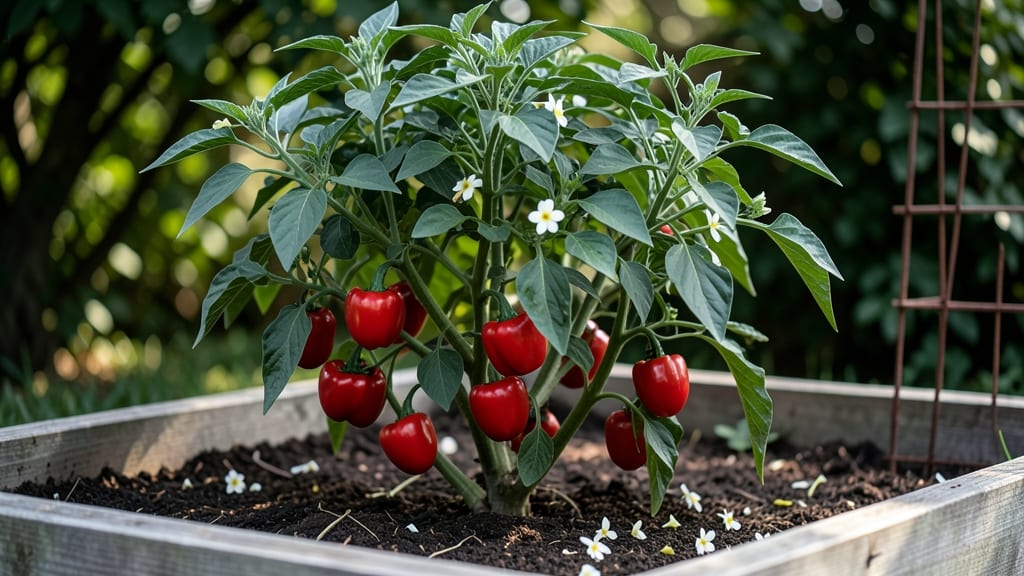
Pruning a red pepper tree transforms it from a scraggly shrub into a vibrant, compact showstopper—and the best part?
You can shape it year-round without killing it. 🌿 I’ve pruned mine every season for five years, and the difference between a neglected bush and a polished tree is shocking: glossy foliage, abundant red berries, and a shape that actually fits my small yard.
The secret isn’t complicated: cut in the right places at the right times. Start by removing dead or crossing branches in late winter, then trim lightly after flowering to encourage bushier growth.
For container-grown trees, prune more aggressively in early spring to control size—my 5-gallon pot variety stays perfectly shaped with just 10 minutes of work every 3 months.
What you’ll end up with is a tree that looks like it belongs in a botanical garden, not your backyard. The berries stay bright red all winter, birds avoid it (they hate the scent), and it handles drought better than any other shrub I’ve tried.
The key is consistent, gentle pruning—never hacking.
Works for both in-ground and container plants, in zones 8–11. Once you master the timing, you’ll wonder why you ever let it grow wild. Let’s get those shears sharp and start shaping!
📚 In This Guide
- What you need
- Instructions
- Tips and common mistakes
- Wrapping up and next steps
What you need
- ● Pruning shears: Bypass pruners (sharp, clean, and sterilized with rubbing alcohol to prevent disease). Size: 6–8 inches for medium branches.
- ● Loppers: For thicker branches (½–1.5 inches in diameter). Look for ratchet-style for extra leverage.
- ● Hand saw: Pruning saw with a curved blade for stubborn, woody stems (avoid cheap saws—they tear wood!).
- ● Gloves: Heavy-duty, cut-resistant gloves (thorns on some red pepper varieties are no joke!).
- ● Disinfectant: 70% isopropyl alcohol or a gardening disinfectant spray (1 part bleach to 9 parts water, if preferred).
- ○ Pruning sealant: Optional but helpful for large cuts (look for tree wound pruning paste with natural ingredients like beeswax or linseed oil).
- ● Tarp or drop cloth: To catch debris and protect your workspace.
- ● Bucket or bag: For collecting pruned branches (compostable bags work great!).
- ● Ladder or step stool: For tall trees (ensure it’s stable and non-slip).
- ● Pole pruner: Extendable shears for high branches (save your back!).
- ● Plant food: Balanced fertilizer (10-10-10 or organic options like fish emulsion) to nourish the tree post-prune.
- ● Notebook & pen: To sketch your tree’s shape or track pruning notes (great for beginners!).
- ● Safety glasses: Protect your eyes from flying debris (especially if using a saw).
- ● Know your tree: Identify if your red pepper tree is container-grown or in-ground—this affects how aggressively you can prune!
- ● Best time to prune: Late winter/early spring (before new growth) or right after harvest for minimal stress.
- ● Weather check: Prune on a dry, cloudy day to reduce stress on the plant and avoid fungal risks.
- ● Safety first: Wear long sleeves and closed-toe shoes—red pepper trees can have sharp edges!
Step-by-step guide to pruning your red pepper tree
Here’s how I keep my red pepper tree thriving year-round with simple, effective pruning.
✂️ Step 1: Prune for Shape in Early Spring
Start pruning right after the last frost when new growth begins. Remove any dead, damaged, or crossing branches first—they’re the easiest to spot and the most critical to cut. Use clean, sharp pruning shears to make clean cuts just above a leaf node or outward-facing bud.
Shape the tree by trimming back overgrown branches to encourage bushier growth. Aim for an open center with good airflow—this prevents disease and lets sunlight reach all parts of the plant. If your tree looks leggy, cut back the longest stems by about one-third to promote compact growth.
✂️ Step 2: Light Pruning During Summer
Mid-summer is for maintenance, not major reshaping. Pinch back new growth tips to encourage fuller branching, especially on leggy stems. Remove any flowers or fruit that appear if you want to focus on shaping—this redirects energy into stronger stems and foliage.
Watch for water sprouts (thin, fast-growing shoots) and prune them immediately. These steal nutrients from the main structure. Keep pruning light—you’re just guiding growth, not drastically altering the tree’s shape. A quick trim every 4-6 weeks keeps the tree balanced.
✂️ Step 3: Heavy Pruning in Late Fall or Early Winter
After the tree drops its fruit and enters dormancy, it’s time for a deeper prune. Cut back about one-third of the previous year’s growth to remove weak or overcrowded branches. This prepares the tree for spring growth and prevents pest issues over winter.
Remove any suckers (shoots growing from the base or trunk) and thin out dense areas to improve sunlight penetration. Avoid pruning too late in winter—wait until 2-3 weeks before new growth starts to prevent frost damage to fresh cuts.
✂️ Step 4: Sanitize and Monitor Year-Round
After every pruning session, clean your shears with rubbing alcohol to prevent disease spread. Store pruned branches away from the tree to avoid attracting pests. Check the tree monthly for signs of stress—yellowing leaves, stunted growth, or unusual spots could mean over-pruning or disease.
If you notice new growth slowing after pruning, it might need more sunlight or nutrients. Adjust care accordingly—red pepper trees are tough, but they respond well to consistent, gentle pruning. A little attention now means a fuller, healthier tree all year.
Tips & tricks for perfect red pepper tree pruning
Here's what nobody tells you about keeping your red pepper tree looking its best all year—these are the tricks I've learned after years of trial and error.
Timing is Everything: The early spring pruning right after the last frost is your best chance to shape the tree for the growing season. If you miss this window, you might end up with uneven growth. I always check my local frost dates and mark my calendar—this one step makes all the difference in how bushy your tree becomes by summer.
The One-Third Rule: Whether you're cutting back leggy stems in spring or doing your heavy prune in fall, that one-third guideline isn't arbitrary. It gives the tree enough structure to support new growth while preventing shock. Think of it like giving your tree a haircut—you don't want to shave off too much at once, but you also don't want to leave it looking wild.
Pinch, Don't Hack: During summer maintenance, those quick pinches of new growth tips do more than just shape the tree—they encourage branching. I learned this the hard way after pruning too aggressively and ending up with a tree that looked more like a broomstick than a bush. The key is to be gentle but consistent, working with the tree's natural growth patterns rather than fighting them.
Disease Prevention: That rubbing alcohol sanitizing step isn't just about clean tools—it's about protecting your entire tree. I keep a small bottle right next to my pruning shears and clean them after every cut. You'd be surprised how quickly diseases can spread through open wounds, and once they get started, they're hard to stop. This simple habit has saved me from losing trees to fungal infections.
Pro Tips for Red Pepper Tree
- Here's what nobody tells you about keeping your red pepper tree looking its best all year—these are the tricks I've learned after years of trial and error.
- Timing is Everything: The early spring pruning right after the last frost is your best chance to shape the tree for the growing season.
- The One-Third Rule: Whether you're cutting back leggy stems in spring or doing your heavy prune in fall, that one-third guideline isn't arbitrary.
Frequently asked questions
When is the best time to prune a red pepper tree?
The ideal time is late winter or early spring (just before new growth starts). This gives the tree time to recover before the growing season. Avoid heavy pruning in fall—it can stress the plant before winter. Light trimming to remove dead branches can happen year-round, though!
How much can I trim without harming my red pepper tree?
Never remove more than 25-30% of the foliage at once. Over-pruning can shock the tree, reducing fruit production. Focus on shaping (thinning crowded branches) and removing dead/diseased wood. If you’re unsure, start small—you can always trim more later!
Will pruning my red pepper tree affect fruit production?
Done correctly, pruning boosts fruit quality! By improving airflow and sunlight, you reduce disease risk and encourage larger, healthier peppers. Just avoid cutting back too late in the season—stop pruning 6-8 weeks before your first frost to let the plant recover.
Can I use the same pruning tools on my red pepper tree as my fruit trees?
Yes, but sterilize them first! Red pepper trees are susceptible to fungal diseases like anthracnose. Wipe blades with rubbing alcohol or a 10% bleach solution between cuts. Avoid sharing tools with infected plants to prevent spreading pathogens.
What should I do if my red pepper tree looks stressed after pruning?
If leaves yellow or wilt, it’s likely over-pruned. Water deeply and apply a balanced fertilizer (like 10-10-10) to help recovery. For severe stress, trim only healthy new growth next time. Mulch around the base to retain moisture and reduce shock.
Do red pepper trees need pruning if grown in containers?
Container-grown trees benefit even more from pruning to control size and encourage bushier growth. Just prune lightly (10-15%) more often—every 4-6 weeks—to maintain shape. Also, repot if roots are circling to prevent root-bound stress.
Wrapping up and next steps
Mastering the art of red pepper tree pruning is your ticket to a thriving, productive plant year-round! 🌿 Whether you’re trimming for shape, health, or harvest, consistency and the right techniques will keep your tree flourishing.
Start small, observe your tree’s growth patterns, and don’t hesitate to experiment—every cut is a step toward a bountiful, beautiful future.
Ready to take the next step? Grab your pruners and schedule a monthly check-in with your red pepper tree. Before you know it, you’ll be the proud gardener of a lush, well-shaped plant that rewards you with vibrant peppers and lush foliage!