
Pruning
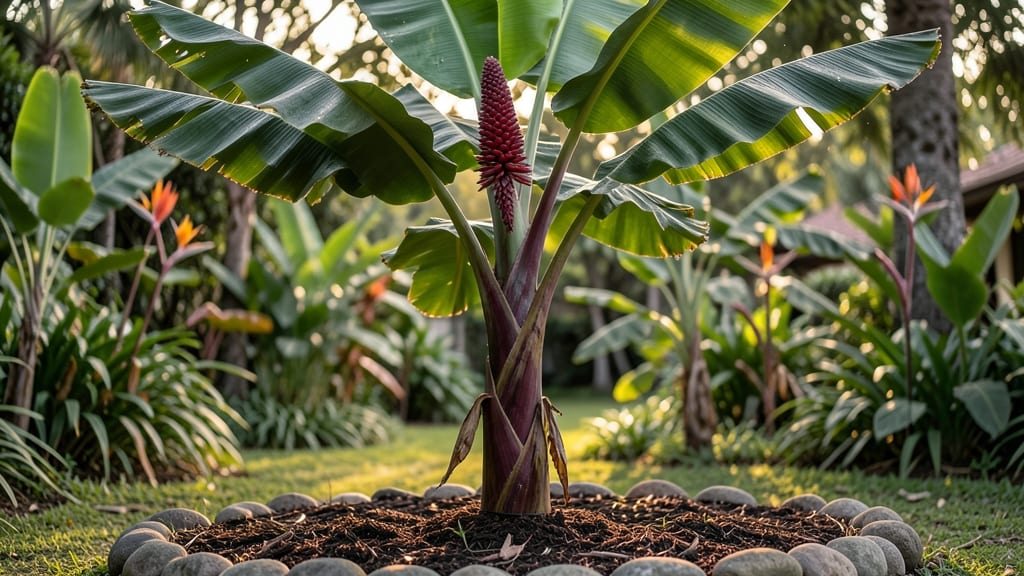
Pruning your red banana tree isn’t just about keeping it tidy—it’s the secret to year-round growth and those towering harvests you’ve been dreaming of. 🌿 I’ve watched mine go from a scraggly sapling to a lush, fruit-bearing giant by treating pruning like a conversation with the plant, not a chore.
The key? Timing, technique, and knowing when to let it stretch toward the sky instead of hacking it back like a hedge.
Red banana trees thrive in zones 10-11, but with the right care, they’ll reward you with bright red fruit even in containers if you’re in cooler climates. Start with well-draining soil, partial sun (morning light, afternoon shade), and water that keeps the roots damp but never soggy.
The real magic happens when you prune to encourage new suckers—those little shoots at the base—which become your next generation of trees.
With consistent care, you’ll see bold, glossy leaves and heavy clusters of fruit within a year. The bananas themselves are edible (though tart and starchy), and the tree’s dramatic foliage makes it a showstopper even if you never harvest.
Plus, every cut you make now means more growth later—it’s like giving your tree a permanent growth spurt.
Whether you’re trimming for shape, encouraging fruit, or propagating new plants, the same principles apply. Indoor growers, take note: these trees adapt surprisingly well to bright indoor spaces with supplemental grow lights.
The only rule? Never prune more than one-third of the canopy at once, or you’ll shock the plant into dormancy. Ready to turn your banana tree into a fruit-bearing powerhouse?
📚 In This Guide
- What you need
- Instructions
- Tips and common mistakes
- Wrapping up and next steps
What you need
- ● Pruning shears – Bypass pruners (sharp, clean, and 5-7 inch blades for precision cuts).
- ● Loppers – 8-12 inch for thicker branches (sterilize with rubbing alcohol between cuts!).
- ● Hand pruners – For small branches (ergonomic grip recommended for comfort).
- ● Gloves – Heavy-duty, cut-resistant (red banana thorns are no joke!).
- ● Disinfectant – 70% isopropyl alcohol or bleach solution (1 part bleach to 9 parts water).
- ● Pruning saw – For large, woody stems (8-10 inch curved blade).
- ● Rubbing alcohol or hydrogen peroxide – 3% solution for cleaning tools.
- ● Sharpie or plant marker – Waterproof (to label cuts if needed).
- ● Extension pole – For high branches (10-15 ft with a pruner attachment).
- ● Ladder – Sturdy, non-slip (if your tree is over 6 ft tall).
- ● Compost bin or bag – For pruned debris (red banana leaves break down quickly!).
- ○ Pruning sealant – For large cuts (optional, but helps prevent disease).
- ● Safety glasses – Protective eyewear (in case of debris or sap splatter).
- ● Research your tree’s growth stage – Young trees (under 3 years) need lighter pruning than mature ones.
- ● Check the weather – Prune on a dry, overcast day (avoid pruning in extreme heat or rain).
- ● Gather tools the night before – So you’re ready to go when the sun rises!
- ● Wear long sleeves and pants – Red banana trees have thorns—protect yourself!
Step-by-Step guide to pruning red banana trees for year-long productivity
Here's how to maintain your towering red banana tree while maximizing fruit production.
🌿 Step 1: Identify and Remove Dead or Diseased Fronds
The first cut you'll make is always the easiest—removing dead or dying fronds. Start by examining the base of each frond where it meets the trunk. Run your fingers along the attachment point—healthy fronds feel firm and slightly springy, while dead ones crumble like dry paper. Use sharp, clean pruners to make a clean cut about 6 inches below the base of the dead frond.
I always prune dead fronds first because they're the easiest to spot and removing them improves air circulation around the plant. Never pull fronds by hand—you'll tear the tissue and create wounds that invite fungal infections. If you see fronds with brown, mushy spots or black streaks, those need immediate removal too. These are signs of bacterial or fungal issues that can spread to healthy tissue if left unchecked.
✂️ Step 2: Prune for Structural Balance and Light Penetration
Red banana trees grow tall quickly, and without proper pruning, the lower branches can become shaded out. Focus on removing one-third of the oldest, largest fronds from the outer canopy to encourage new growth from the center. Make your cuts at the base where the frond attaches to the trunk, angling slightly downward to prevent water from pooling.
Here's the thing—you want sunlight to reach all parts of the plant. I look for fronds that are blocking light from penetrating to the inner growth points. These are the ones to remove. After pruning, you'll notice new shoots emerging from the trunk within 4-6 weeks. These shoots will become your future fruit-bearing branches, so don't be shy with your cuts—just maintain that one-third ratio to avoid shocking the plant.
🌱 Step 3: Encourage Flowering with Strategic Pruning
Red banana trees flower on mature branches, so you'll want to promote strong, healthy growth before expecting fruit. After removing dead fronds and thinning the canopy, look for suckers—those smaller shoots growing from the base of the trunk. Select 2-3 of the strongest suckers and prune the rest at the base. These will become your future fruit-bearing stems.
Don't prune all the suckers—keeping a few ensures you have backup growth if one fails. Once your selected suckers reach about 3 feet tall, you can start training them by tying them to a support stake. This helps direct their growth upward and prevents them from flopping over. You'll see flower spikes emerge from the leaf axils of these trained branches within 3-5 months, depending on your climate.
💧 Step 4: Post-Pruning Care for Rapid Recovery
After pruning, your red banana tree will need extra care to recover and produce new growth. Water deeply at the base of the plant, ensuring the top 12 inches of soil stay moist for the first 2 weeks post-pruning. Avoid getting water on the leaves or open cuts—this reduces the risk of fungal infections. I like to use a soaker hose for this because it delivers water directly to the roots without wetting the foliage.
Fertilize with a balanced, slow-release fertilizer (like 10-10-10) mixed into the soil around the base. This gives the plant the nutrients it needs to regenerate quickly. You'll notice new fronds emerging from the center of the plant within 3-4 weeks. These are your signal that the pruning was successful. Keep the area around the base free of debris—mulch with 2-3 inches of organic matter to retain moisture and suppress weeds.
Tips & tricks for pruning red banana trees
Real talk: Pruning banana trees isn't just about cutting fronds—it's about strategic growth management. Here's how to maximize your harvest without harming your plant.
Pruning Timing: The best time to prune is during the dry season when new growth naturally slows. This gives your tree time to recover before the next growing phase. Avoid pruning during heavy rain or extreme heat, as these conditions stress the plant and slow recovery. I've learned this the hard way after seeing trees struggle to regenerate during monsoon season.
Tool Preparation: Always sterilize your pruners with rubbing alcohol between cuts to prevent spreading disease. A clean cut heals faster and reduces the risk of infections. I keep a small bottle of alcohol in my gardening toolkit—it takes seconds and prevents costly mistakes. Use sharp tools too; dull blades crush tissue instead of making clean cuts, which invites pests and disease.
Structural Balance: When removing that one-third of oldest fronds in Step 2, focus on the ones growing outward from the center. These are the ones blocking sunlight from reaching the inner growth points. Think of your tree like an umbrella—you want light to reach all the way to the handle. After pruning, the remaining fronds should form a natural cone shape, allowing sunlight to penetrate evenly.
Sucker Selection: In Step 3, when choosing your 2-3 strongest suckers, look for ones growing at a 45-degree angle from the main trunk. These tend to develop into the most vigorous branches. Avoid selecting suckers that are too close together—they'll compete for nutrients and may produce smaller fruit. I mark my selected suckers with a small flag so I don't accidentally prune them later.
Pro Tips for Red Banana Tree
- Real talk: Pruning banana trees isn't just about cutting fronds—it's about strategic growth management.
- Pruning Timing: The best time to prune is during the dry season when new growth naturally slows.
- Tool Preparation: Always sterilize your pruners with rubbing alcohol between cuts to prevent spreading disease.
Frequently asked questions
Got questions about pruning your red banana tree? Here are the answers to the most common ones—so you can keep your tree thriving year-round!
When is the best time to prune a red banana tree?
The ideal time is after harvest or during the dry season (late fall to early spring). Avoid heavy pruning during fruiting or rainy periods, as it can stress the plant. Light maintenance (removing dead leaves) can happen anytime, but major cuts should wait for optimal growth conditions.
How much can I trim back a red banana tree?
Never cut more than 1/3 of the foliage at once—this ensures the tree retains enough energy to recover. Focus on removing dead, diseased, or overcrowded fronds while preserving the plant’s structure. Over-pruning can stunt growth or reduce fruit production.
Will pruning my red banana tree increase fruit yield?
Yes! Pruning improves airflow and sunlight penetration, which boosts fruit quality and quantity. Remove old, unproductive stalks and suckers at the base to redirect energy toward new growth. Just avoid aggressive cuts during fruiting cycles.
What should I do if my red banana tree stops producing fruit after pruning?
If fruiting halts, check for over-pruning, nutrient deficiencies, or pests. Fertilize with potassium-rich compost and monitor for signs of stress. Give the tree 6–12 months to recover—new growth often signals a return to productivity.
Can I grow a red banana tree in containers? How does pruning differ?
Yes! Container-grown trees need regular pruning to control size and prevent root-bound stress. Use well-draining soil and prune root-bound roots gently during repotting. Container trees may fruit less but can still thrive with proper care.
Wrapping up and next steps
The red banana tree is a rewarding tropical treasure—with the right pruning techniques, you’ll enjoy lush foliage, abundant harvests, and a thriving plant year-round. 🌱 Remember, consistency is key: regular trimming, proper tool care, and seasonal adjustments will keep your tree healthy and productive.
Whether you're a beginner or a seasoned gardener, every snip brings you closer to that dream harvest!
Ready to level up your pruning game? Grab your tools, schedule your next session, and watch your red banana tree flourish! 🌟 Happy pruning—and here’s to your future bountiful harvests!