
Landscaping
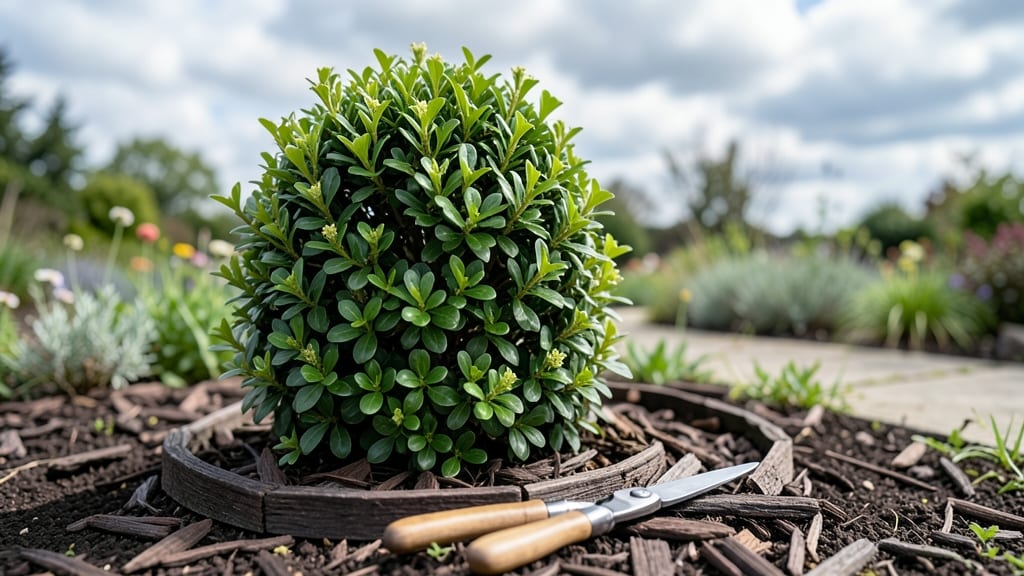
A real landscaping topiary tree transforms your yard into a living sculpture without the fuss of constant pruning. 🌿 I remember the first time I saw one—its sleek, sculpted branches framed a garden path like an artist’s signature.
Unlike plastic topiary, these trees grow naturally, requiring only seasonal shaping to maintain their form.
The best part? They work in any style—formal gardens love their structured elegance, while cottage gardens adore their whimsical twists. Choose from evergreens like yew or boxwood for year-round structure, or deciduous options like beech for seasonal texture.
A single tree can anchor a design or create a dramatic focal point when paired with perennials.
You’ll end up with a low-maintenance masterpiece that stays lush through all four seasons. The key is selecting the right species for your climate and giving it space to grow into its shape. With just a few seasonal trims, your topiary will outshine anything store-bought.
Perfect for both beginners and seasoned gardeners—no green thumb required. Here’s how to pick the right tree and keep it thriving with minimal effort.
📚 In This Guide
- What you need
- Instructions
- Tips and common mistakes
- Wrapping up and next steps
What you need
- ● Young, flexible shrubs or trees: Boxwood (Buxus sempervirens) – Classic choice for sharp edges (10-20 plants, depending on size). Yew (Taxus baccata) – Hardy and dense (8-15 plants). Hornbeam (Carpinus betulus) – Great for bold, sculptural shapes (5-10 plants).
- ● Support structures: Bamboo canes or metal stakes (1-2 per plant, 6-8 ft tall). Twist ties or soft plant ties (10-20, depending on plant count).
- ● Pruning tools: Sharp bypass pruners (1 pair). Hand pruners (1 pair). Hedge shears (1 pair, for clean cuts).
- ○ Optional but helpful: Wire or string (for outlining designs before pruning). Gloves (1 pair, to protect hands). Knee pads (for comfort during shaping). Spray bottle (for misting plants post-pruning).
- ● Prerequisites: Sunlight: 6+ hours daily (most topiary plants thrive in full sun). Well-draining soil (amend with compost if needed). Patience! Topiary takes 1-3 years to fully mature.
Step-by-step guide to creating a low-maintenance topiary tree
Here's how to craft a striking topiary that stays lush all year with just a few seasonal touches.
🌱 Step 1: Select the Right Tree and Location
Choose a slow-growing evergreen like boxwood, yew, or privet for your topiary—these handle pruning best. Look for young trees with straight trunks and dense foliage at the nursery. The location matters most: pick a spot with 6+ hours of sunlight daily and shelter from strong winds, which can tear delicate new growth.
I dig a hole twice as wide as the root ball but only as deep. The top of the root ball should sit 1 inch above ground level—this prevents rot from sitting water. Backfill with native soil, tapping gently to remove air pockets. Water deeply right after planting to settle the soil and encourage root spread.
✂️ Step 2: Establish the Basic Shape Early
Wait 3-4 weeks after planting before first pruning—this lets the tree establish roots. Start by removing any dead, crossing, or weak branches at the base. For a classic topiary, I use a wire frame (like chicken wire or topiary netting) to guide growth into your desired shape—spheres, spirals, or cones all work beautifully.
Secure the frame loosely around the tree, leaving room for growth. Use soft plant ties (not wire) to attach branches gently. Prune back overly vigorous growth by one-third to encourage bushiness. The key is light shaping now—you'll refine details later as the tree matures.
☀️ Step 3: Master Seasonal Pruning for Year-Round Shape
Spring is your main pruning season—do most shaping just as new growth begins (around late April or early May). Use sharp bypass pruners to make clean cuts at a 45-degree angle just above a leaf node. For fine details, switch to hand pruners or even topiary shears for smooth curves.
Here's the trick: prune just before growth spurts—this ensures new shoots fill in any gaps. In late summer, give a light trim to remove any straggly growth. Skip heavy pruning in fall or winter—this stresses the tree when it's dormant. Mulch around the base with 2-3 inches of organic mulch to retain moisture and protect roots.
💧 Step 4: Water and Feed for Long-Term Health
Water deeply once a week during the first growing season—1-2 gallons per tree—to encourage deep root growth. After that, water only when the top 2 inches of soil feel dry. Overwatering is the #1 killer of topiaries—it causes root rot and weakens the plant. I always check soil moisture with my finger before watering.
Fertilize twice a year: once in early spring with a balanced 10-10-10 fertilizer and again in mid-summer with a slow-release formula. Avoid high-nitrogen fertilizers—they promote leafy growth at the expense of structural strength. A light layer of compost around the base in spring also gives a natural nutrient boost.
🪴 Step 5: Protect and Refine Over Time
Watch for pests like spider mites or scale insects—they love topiaries! I spray with neem oil at the first sign of trouble. For extra protection, wrap the trunk with tree guard in early spring to prevent sunscald and rodent damage. This is especially important for young trees still developing bark.
The magic happens in small, frequent adjustments. Every few weeks, step back and check for uneven growth. A quick trim here, a gentle bend there—these little touches keep your topiary looking intentional. With time, your tree will develop a natural, sculptural elegance that requires minimal effort to maintain.
Tips & tricks for perfect landscaping topiary trees
Here's what nobody tells you about keeping your topiary looking effortless year after year.
Tree Selection Matters: When choosing your evergreen, look beyond just the name—boxwoods handle pruning best, but yews grow slightly faster and can handle more aggressive shaping. Privet is the most forgiving for beginners because it recovers well from pruning mistakes. I always check for small, compact trees at the nursery—they establish faster and need less aggressive pruning to maintain shape.
Pruning Timing Secret: The 3-4 week waiting period after planting might feel long, but it's crucial. This gives roots time to establish before you start shaping. I've learned the hard way—pruning too early can shock the plant and stunt growth. Also, when doing your spring pruning, time it with the first signs of new growth (around late April in most climates). This ensures you're shaping the freshest, most flexible branches.
Frame Placement Trick: When setting up your wire frame, don't make it too tight—leave at least 2 inches of space between the frame and the tree's current growth. This prevents the frame from restricting natural expansion as the tree matures. I use soft plant ties (never wire) because they're gentle on the bark and won't leave permanent marks as the tree grows. Replace these ties every 6-12 months to prevent them from cutting into the trunk.
Seasonal Care Calendar: Mark your calendar for these key dates: early spring (after last frost) for main pruning, mid-summer for light trimming, and late fall for final clean-up. The 2-3 inches of organic mulch you apply in spring should be refreshed every autumn—this protects roots through winter and prevents weeds from competing for nutrients. In winter, give your topiary a light spray of water when temperatures drop below freezing to prevent drought stress.
Pro Tips for Real Landscaping Topiary Tree
- Here's what nobody tells you about keeping your topiary looking effortless year after year.
- Tree Selection Matters: When choosing your evergreen, look beyond just the name—boxwoods handle pruning best, but yews grow slightly faster and can handle more aggressive shaping.
- Pruning Timing Secret: The 3-4 week waiting period after planting might feel long, but it's crucial.
Frequently asked questions
Got questions about transforming your yard with real landscaping topiary trees? You’re not alone! Here are some of the most common queries—plus straightforward answers to help you get started with confidence.
How often do I need to prune a real topiary tree to keep it shaped?
Most topiary trees require seasonal pruning—typically 2-4 times per year, depending on growth speed. Fast-growing varieties (like boxwood or yew) may need trims every 6-8 weeks, while slower growers (like holly or privet) can hold shapes with 2-3 light prunings annually. Always prune after new growth appears for cleaner cuts.
How long does it take for a real topiary tree to reach its final shape?
Patience is key! A fully formed topiary can take 1-3 years to achieve its polished look, depending on the tree’s maturity and your pruning consistency. Younger trees (under 2 years) focus on basic structure, while older specimens (3+ years) refine details. Pro tip: Use guide wires early to speed up shaping!
Can I grow a topiary tree from a cutting or do I need to buy a mature plant?
Yes! Many topiary-friendly species (like boxwood or privet) root easily from softwood cuttings in spring/summer. For faster results, though, purchasing a pre-trained topiary (1-2 feet tall) saves time. If starting from seed, expect 5+ years before pruning for shape—so cuttings or nursery plants are ideal for beginners.
Do real topiary trees survive winter, or do I need to protect them?
Most topiary trees (e.g., boxwood, yew, holly) are hardy to USDA Zones 5-8, but young or delicate varieties may need winter wrap. Use burlap or frost cloth to shield from harsh winds/sun, and avoid heavy mulch near the trunk. Evergreens like arborvitae handle cold best—perfect for snowy climates!
What if my topiary tree looks leggy or loses its shape?
Leggy growth or shape loss usually means over-pruning or inconsistent care. Try these fixes:
- Pinch back new growth tips to encourage bushiness.
- Use pruning shears (not hedge trimmers) for precision.
- Fertilize lightly in spring with balanced 10-10-10 for even growth.
- Check for pests (like spider mites) and treat with neem oil if needed.
Are there low-maintenance topiary tree alternatives?
If pruning feels overwhelming, consider slow-growing shrubs like:
- Dwarf mophead hydrangea (natural rounded shape).
- Japanese garden junipers (needle-like texture, minimal trims).
- Lavender bushes (fragrant + drought-tolerant).
Wrapping up and next steps
Transforming your outdoor space with a real landscaping topiary tree is a rewarding journey that blends artistry with nature—no green thumb required! 🌿 With the right tools, techniques, and a little patience, you’ve got everything you need to craft stunning, year-round focal points that elevate your garden’s elegance.
Whether you’re a beginner or a seasoned gardener, the key is consistency and creativity.
Ready to take the next step? Start small with a single tree, experiment with shapes, and let your garden tell a story. Your masterpiece is just a trim away! 🌟