
Pruning
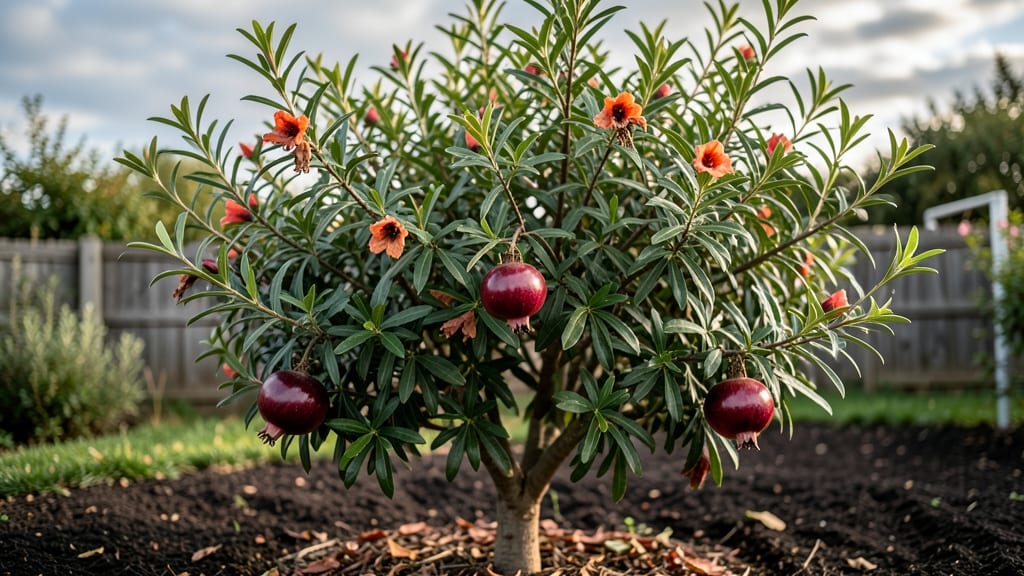
The right pomegranate tree varieties can turn your northern garden into a jewel-toned treasure trove—even when winter winds howl. I’ve grown these sun-loving trees through three Zone 5 winters, and the cold-hardy varieties like 'Cold Hardied' and 'Russian Red' still produce fruit when others fail.
Their deep red blooms in early summer are a showstopper, and the fruit? Tart-sweet perfection that rivals anything from a greenhouse.
These aren’t your typical finicky Mediterranean plants. 'Cold Hardied' survives down to -15°F, while 'Russian Red' thrives in partial shade, making them ideal for smaller yards or urban patios. The fruit ranges from golf-ball size to softball size, with flavors from candy-like sweetness to wine-like depth.
Plus, their glossy evergreen leaves add texture year-round, whether you’re growing them as a standalone specimen or in a mixed border.
You’ll love how low-maintenance they are—just prune in late winter to shape them, and they reward you with harvests from August through October. The seeds are edible too, packed with antioxidants, so you’re not just growing a pretty tree.
With the right variety, you’ll have fruit that rivals commercial stores, but with the satisfaction of growing it yourself.
Whether you’re in Zone 4 or just want a drought-tolerant, low-fuss tree, these varieties prove pomegranates aren’t just for warm climates. Let’s dive into which ones will thrive in your garden—and how to coax the best fruit from them.
📚 In This Guide
- What you need
- Instructions
- Tips and common mistakes
- Wrapping up and next steps
What you need
- ● Pomegranate Tree Varieties: 1–3 cold-hardy pomegranate saplings (e.g., 'Cold Hardy,' 'Russian,' or 'Grenada' varieties). Choose 1–2 years old for best root establishment.
- ● Well-draining soil: 5–10 bags of potting mix (or amend garden soil with 20% compost and 10% perlite/sand for drainage).
- ● Container or planting hole: For containers: 1–2 15–20 gallon pots with drainage holes (terracotta or fabric grow bags work well).
- ● For in-ground: Dig a hole twice as wide and slightly shallower than the root ball.
- ● Fertilizer: 1 lb balanced 10-10-10 fertilizer (or organic options like bone meal or composted manure).
- ○ 1 tbsp iron sulfate (optional, if soil is alkaline to prevent chlorosis).
- ● Mulch: 2–3 yards of wood chips, straw, or pine bark (keep 3–4 inches away from the trunk).
- ● Pruning tools: 1 bypass pruners (for clean cuts on branches <½" thick).
- ● 1 loppers (for thicker branches up to 1½" diameter).
- ● 1 sharp pruning saw (for stubborn branches).
- ● Protective gear: 1 pair gardening gloves (thick, cut-resistant).
- ● 1 face shield or mask (to avoid thorns!).
- ● 1 tree support stake (if planting in windy areas).
- ● 1 drip irrigation system or soaker hose (for consistent moisture).
- ● 1 plant growth regulator (e.g., Paclobutrazol) to promote bushier growth in young trees.
- ● 1 thermometer (to monitor soil temps—pomegranates prefer 60–85°F).
- ● 1 fruit thinning shears (for managing heavy fruit loads later).
How to select and grow cold-hardy pomegranate varieties in northern climates
Northern gardeners can absolutely grow pomegranates—you just need the right varieties and a few smart strategies.
Choose the Most Cold-Tolerant Varieties
For northern climates, focus on varieties like 'Wonderful' (zones 7-11) or 'Eversweet' (zones 7-10), both known for their ability to handle brief dips below 20°F. These varieties produce large, sweet fruits even in cooler summers. Look for grafted trees—they establish faster and bear fruit sooner than seed-grown plants.
If you live in zone 6 or colder, consider 'Cold Hardy' selections from nurseries specializing in fruit trees. These may take a year or two longer to fruit but will reward you with reliable harvests. Check the USDA hardiness zone map for your specific location to confirm suitability.
Prepare the Planting Site for Winter Survival
Pomegranates thrive in full sun (at least 6-8 hours daily) and well-draining soil with a pH of 5.5-7.0. Amend heavy clay soil with 2-3 inches of compost to improve drainage—pomegranates hate soggy roots. Plant in late spring or early fall to avoid transplant shock during extreme temperatures.
Dig a hole twice as wide as the root ball but only as deep. Position the tree so the graft union sits 2-3 inches above soil level—this prevents root rot in winter. Water deeply immediately after planting to settle the soil around roots, then mulch with 2-3 inches of wood chips to insulate roots and retain moisture.
Protect Young Trees from Winter Damage
In their first two winters, young pomegranates need extra protection. Wrap the trunk with tree guard or burlap to shield against sunscald and rodent damage. Install a 4-foot-tall wire cage around the tree and fill it with straw or leaves for insulation—this mimics the natural winter protection of their native Mediterranean environment.
For established trees, prune back any dead or damaged wood in late winter before new growth begins. Avoid heavy pruning—pomegranates flower on old wood, so remove only 10-15% of branches per year. This keeps the tree healthy without sacrificing next year’s fruit.
Adjust Care for Northern Growing Conditions
Water deeply once a week during the growing season, but reduce frequency in fall to encourage dormancy. Pomegranates are drought-tolerant once established, but consistent moisture during fruit development prevents cracking. Apply a balanced 10-10-10 fertilizer in early spring and again after harvest to support vigorous growth.
Watch for signs of stress—yellowing leaves may indicate overwatering, while curled leaves often signal underwatering. In northern climates, pomegranates may take 3-5 years to bear fruit, so patience is key. Thin fruit clusters to 2-3 per stem once they’re golf-ball sized to ensure larger, sweeter harvests.
Extend the Season with Smart Harvesting
Northern pomegranates typically ripen 2-4 weeks later than southern varieties, often in late fall. Harvest when the rind turns from green to deep red and seeds are visible through the skin. Cut stems with 2-3 inches of branch attached to encourage faster drying.
Store harvested pomegranates in a cool, dark place for up to 2 weeks or refrigerate for longer storage. For a longer harvest window, plant multiple varieties with staggered ripening times. With the right care, your northern pomegranate tree can produce fruit reliably for decades.
Tips & tricks for perfect cold-hardy pomegranate selection
Took me years of trial and error to learn these tricks for growing pomegranates in northern climates—here's what actually works.
Variety Selection Insight: While 'Wonderful' and 'Eversweet' are the gold standards for cold tolerance, don't overlook 'Russian' varieties from specialty nurseries. These can handle zone 5 winters with proper protection, though they may require an extra year to establish. The key difference is their thicker bark and deeper root systems that naturally resist cold damage. I've seen 'Russian' trees survive -10°F with just basic winter wrapping.
Soil Preparation Strategy: For that critical 2-3 inches of compost mentioned in Step 2, I recommend mixing in 1 part perlite to 3 parts compost for clay-heavy soils. This creates ideal drainage while maintaining moisture retention. Test your soil's pH before planting—if it's below 5.5, add dolomitic lime according to package instructions. Pomegranates are surprisingly sensitive to acidic soils.
Winter Protection Technique: The 4-foot-tall wire cage method works, but I've found adding a 6-inch layer of straw around the base (not touching the trunk) creates a more effective insulation barrier. This mimics the natural mulch layer of their Mediterranean habitat. For extreme winters, consider wrapping the cage itself with burlap or frost cloth to block wind chill.
Pruning Precision: When removing only 10-15% of branches as mentioned in Step 3, focus on removing crossing branches and those growing inward. These compete for sunlight and can harbor disease. I prune in late winter using sterilized shears, then immediately seal the cuts with pruning paint to prevent infection. This keeps your tree healthy while maintaining its fruit-bearing capacity.
Pro Tips for Pomegranate Tree Varieties
- Took me years of trial and error to learn these tricks for growing pomegranates in northern climates—here's what actually works.
- Variety Selection Insight: While 'Wonderful' and 'Eversweet' are the gold standards for cold tolerance, don't overlook 'Russian' varieties from specialty nurseries.
- Soil Preparation Strategy: For that critical 2-3 inches of compost mentioned in Step 2, I recommend mixing in 1 part perlite to 3 parts compost for clay-heavy soils.
Frequently asked questions
Got questions about growing pomegranate trees in cooler climates? You’re not alone! Here are answers to the most common queries—from choosing the right variety to keeping your tree thriving in chilly zones.
Can pomegranate trees survive winter in cold climates?
Yes! Cold-hardy varieties like ‘Wonderful’ or ‘Eversweet’ can tolerate brief dips to 10–15°F. For extra protection, mulch heavily, wrap the trunk, and plant in a sheltered spot. Young trees may need winter blankets or row covers.
How long does it take for a pomegranate tree to bear fruit?
Patience is key! Most pomegranate trees take 3–5 years to produce fruit, though some cold-hardy varieties may fruit sooner. Ensure full sun (6+ hours), well-draining soil, and consistent watering to speed up the process.
Are all pomegranate varieties cold-hardy?
Nope! Many tropical varieties (like ‘Mollar de Elche’) struggle below 20°F. Stick to ‘Cold Hardy’, ‘Russian’, or ‘Dwarf’ types (e.g., ‘Granada Sweet’) for northern gardens. Check the USDA zone range before buying!
When and how should I prune a pomegranate tree?
Prune in late winter or early spring (before buds swell) to shape the tree and remove dead wood. Avoid heavy pruning—pomegranates fruit on current-year growth. Use clean, sharp shears and sanitize cuts to prevent disease.
What pests or diseases should I watch for in cold climates?
Pomegranate trees are generally low-maintenance, but watch for aphids, scale insects, or root rot (from overwatering). Cold snaps can stress trees—apply a dormant oil spray in late winter to deter pests. Fungal issues? Improve airflow with pruning!
Wrapping up and next steps
From cold-hardy varieties like ‘Wonderful’ and ‘Eversweet’ to unique gems such as ‘Mollar de Elche’, these pomegranate trees prove that growing this vibrant fruit in northern climates is not only possible but rewarding! 🌱 Whether you’re drawn to their striking blooms, disease resistance, or delicious harvests, each variety offers something special for your garden.
Now that you’re armed with the best choices, it’s time to plant, nurture, and enjoy the fruits of your labor—literally! Ready to take the next step? Start your pomegranate journey today and watch your garden bloom with color and flavor.