
Trees
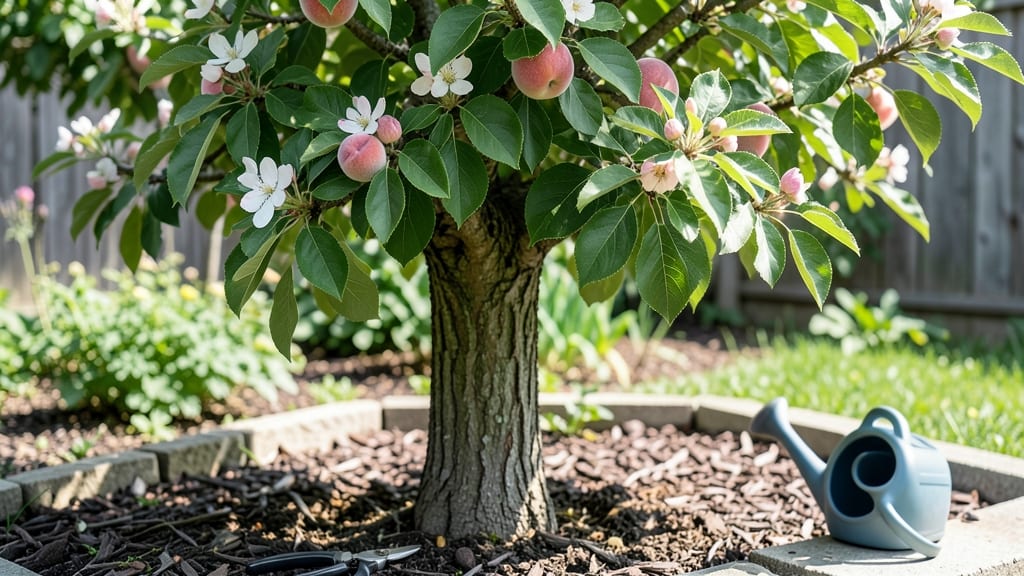
These peach tree leaves pictures reveal your tree’s health secrets long before the fruit ripens—so don’t ignore those crinkled edges or brown spots. them into actionable fixes.
The right photo can save you weeks of guesswork. Whether it's peach leaf curl, aphid clusters, or nutrient deficiencies, you'll spot the exact issue in seconds. Match the leaf symptoms to the photo guide, then follow the simple steps to treat it—before it spreads or worsens.
📚 In This Guide
- What you need
- Instructions
- Tips and common mistakes
- Wrapping up and next steps
What you need
- ○ Smartphone or digital camera: A device with at least 10 MP resolution for clear, close-up images. A macro mode or zoom lens (optional but helpful).
- ● Natural or soft lighting: Avoid harsh sunlight or shadows—use overcast days or a diffused light source (e.g., a whiteboard or reflector).
- ● Hand lens or magnifying glass: A 10x magnification tool to inspect fine details like pest eggs, spider mites, or fungal spores.
- ● Ruler or measuring tape: For scaling images (e.g., noting leaf spots or insect sizes in inches/cm).
- ● Notebook or digital notes app: To jot down observations like leaf color changes, texture, or pest activity.
- ○ Gloves (optional but recommended): Nitrile or latex gloves to protect your hands from sap, pests, or irritants.
- ● Reference guide or app: Tools like iNaturalist, Plantix, or university extension resources for cross-referencing symptoms.
- ● White tray or background: A plain surface to place leaves for crisp, distraction-free photos.
- ● Spray bottle with water: To moisten leaves for better visibility of textures or fungal growth.
- ● Pruning shears: If you need to collect samples for closer inspection or lab testing.
How to diagnose peach tree leaf problems using visual clues
Spotting issues early saves your peach tree—here’s how to read the leaves like a pro.
Examine Leaf Color for Early Warning Signs
Start by comparing your peach tree’s leaves to healthy reference photos. Look for yellowing between veins—this often signals iron deficiency or fungal leaf spot. If entire leaves turn yellow and drop, it could be nutrient stress or overwatering. Healthy leaves should be deep green with no discoloration.
Check the undersides of leaves for white powdery spots (powdery mildew) or black speckles (anthracnose). These are classic signs of fungal infections. If you see brown, crispy edges, your tree might be struggling with drought stress or salt buildup from poor soil.
Here’s the thing—mosaic patterns (light/dark green patches) mean viral infection, which spreads quickly. Isolate affected branches immediately to prevent it from reaching the whole tree.
Inspect Leaf Edges and Texture for Pest Damage
Run your fingers along leaf edges. Saw-toothed or jagged damage suggests caterpillars (like peach tree borers) or Japanese beetles. If you find tiny holes with sawdust-like frass, aphids or mites are likely feeding. Hold a leaf up to light—you might spot tiny webs (spider mites) or eggs along veins.
Look for sticky residue on leaves (aphid honeydew) or black sooty mold growing on it. This means sap-sucking pests are present. A hand lens helps spot microscopic mites or scale insects hiding in leaf crevices.
Real talk: Curling or cupping leaves usually means borers or leaf rollers are inside. Split open a curled leaf—you’ll often find larvae or eggs feeding on the tender tissue.
Check for Spots, Lesions, or Unusual Growths
Scan leaves for dark brown or black spots with yellow halos—this is bacterial spot, a common peach tree killer. If spots are raised and crusty, it’s likely fungal scab. White or gray fuzzy patches mean powdery mildew, which thrives in humid conditions.
Watch for unusual growths like galls (swollen, lumpy areas) or wart-like bumps. These often indicate insect larvae or microbial infections. If you see rust-colored pustules, your tree has peach leaf curl, a fungal disease that distorts new growth.
Don’t skip this: Compare both sides of leaves—some diseases (like anthracnose) start on the underside before spreading. Take close-up photos of suspicious areas for later comparison.
Review Leaf Shape and Growth Patterns
Healthy peach leaves are oval with serrated edges and uniform size. If leaves are smaller than usual, it could be nutrient deficiency or root damage. Stunted, twisted leaves often mean viral infection or herbicide drift from nearby lawn treatments.
Look at new growth. If leaves emerge puckered or curled, it’s likely peach leaf curl (a fungal disease). Red or purple tinges in new leaves suggest phosphorus deficiency or cold stress. Compare current leaves to last year’s photos—changes over time help pinpoint the issue.
This is the moment that matters: Take notes on when symptoms first appeared. Sudden changes usually mean pests or disease, while gradual shifts often point to nutrient issues or environmental stress.
Confirm with a Simple Scratch Test
Gently scrape the underside of a suspicious leaf with your fingernail. If you see tiny moving dots (mites) or tiny worms (caterpillars), pests are active. Black streaks under the leaf mean sooty mold from aphid honeydew.
For fungal issues, look for spore-like dust when rubbing leaves together. If you find white, cottony threads, it’s cottony cushion scale, an invasive pest. No visible damage? Check the soil and bark for borer holes or cracked bark—these hide larvae.
I know it seems weird, but smell the leaves. A sour or fermented odor suggests bacterial infection, while musty smells mean fungal growth. Healthy leaves have no noticeable scent.
Tips & tricks for diagnosing peach tree leaf problems
Here's what nobody tells you about reading your peach tree's leaves like a seasoned arborist.
Compare with Healthy Reference Leaves: I can't stress this enough—keep a photo of healthy peach leaves from your tree when it was thriving. The differences become glaringly obvious when you have a reference. Look for that deep green color with serrated edges and uniform size as your baseline. When you see yellowing between veins or crispy brown edges, you'll immediately recognize those as warning signs rather than just "my tree looks sick."
Use a Hand Lens for Hidden Clues: This is my game-changer for identifying microscopic pests. In Step 2, when you're checking leaf edges, a hand lens (even a cheap magnifying glass) reveals spider mite webs, aphid eggs, and scale insect clusters that you'd never spot with the naked eye. I keep one in my gardening toolkit specifically for this purpose. The difference between thinking you have "general stress" and knowing you've got microscopic mites feeding on your tree is night and day.
Document Symptoms Over Time: The moment that matters most is when you first notice symptoms. I've seen gardeners miss critical clues because they didn't track when issues appeared. Keep a simple notebook or digital record noting when you see yellowing, spots, or curling. Sudden changes usually indicate pests or disease outbreaks, while gradual shifts often point to nutrient deficiencies or environmental stress. This timeline becomes your detective work roadmap.
Isolate Affected Branches Immediately: When you spot that mosaic pattern from viral infection in Step 1, don't wait. I learned this the hard way after watching a viral infection spread through my entire tree. Isolate the affected branch by removing it completely or bagging it separately. This prevents the virus from reaching healthy parts of your tree through sap flow. Even if you're not sure it's viral, better safe than sorry—you can always test later.
Pro Tips for Peach Tree Leaves Pictures
- Here's what nobody tells you about reading your peach tree's leaves like a seasoned arborist.
- Compare with Healthy Reference Leaves: I can't stress this enough—keep a photo of healthy peach leaves from your tree when it was thriving.
- Use a Hand Lens for Hidden Clues: This is my game-changer for identifying microscopic pests.
Frequently asked questions
Got questions about peach tree leaves? You’re not alone! Here are answers to some of the most common concerns—whether you're troubleshooting issues, planning care, or just curious about what’s normal (and what’s not).
What do healthy peach tree leaves look like?
Healthy peach tree leaves are bright green, smooth-edged, and oval-shaped (about 3–6 inches long). The undersides are lighter green, and leaves should feel slightly fuzzy—not sticky or discolored. Compare your leaves to these reference pictures to spot early signs of trouble.
How do I tell if my peach tree leaves have pests vs. disease?
Pests (like aphids, mites, or borers) often leave visible damage—chewed edges, webbing, or tiny holes—plus bugs or eggs on leaves/stems. Diseases (e.g., brown rot, leaf spot) cause spots, wilting, or discoloration without obvious insects. Use our pest vs. disease photo guide to narrow it down!
When is the best time to prune peach tree leaves affected by disease?
Prune late winter or early spring (before buds swell) to remove diseased leaves/stems. Avoid pruning during wet weather to prevent spreading spores. Sterilize tools with rubbing alcohol between cuts, and never prune during active infections (like fungal outbreaks in summer).
Can I save a peach tree with severely damaged leaves?
It depends! If less than 30% of leaves are affected and pests/diseases are caught early, the tree may recover with treatment (fungicides, neem oil, or pruning). For widespread damage, consult a local arborist—some trees (like those with bacterial canker) may need removal to protect your orchard.
How do I take good pictures of peach tree leaves for diagnosis?
Capture close-ups (use a macro setting on your phone) of both leaf surfaces, stems, and any pests/damage. Include a scale reference (like a coin) and note the tree’s location (sunny/shady spot). Upload to forums like University Extension sites or our photo gallery for expert feedback!
Wrapping up and next steps
Identifying issues in your peach tree leaves early can save your harvest—and your tree! 🌱 With clear peach tree leaves pictures and the knowledge you’ve gathered, you’re now equipped to spot pests, diseases, or nutrient deficiencies like a pro. Don’t wait until it’s too late—act now to keep your tree thriving!
Ready to take action? Start by inspecting your tree weekly and compare what you see with trusted resources like university extension guides or local gardening forums.
If you’re unsure, consult a certified arborist for expert advice. Your peach tree will thank you with juicy, healthy fruit for years to come! 🍑✨