
Blooming
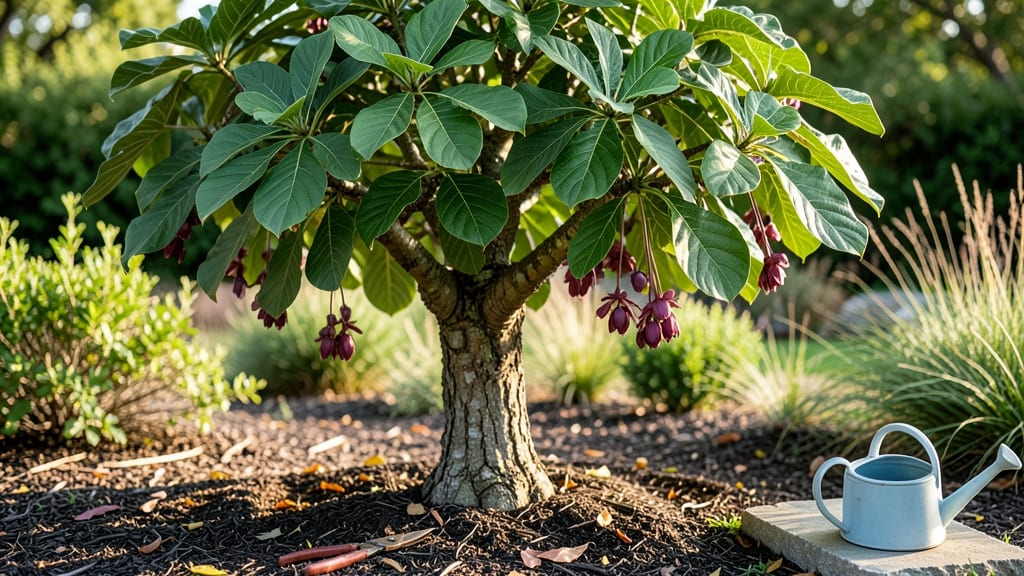
The paw paw tree blooms transform your garden into a hidden tropical oasis each spring. 🌸 These delicate, maroon-purple flowers arrive in late May or June, their sweet, spicy fragrance drawing hummingbirds and bees like a magnet.
I still remember the first time I spotted them—my neighbor’s tree smelled so intoxicating that I thought I’d wandered into a secret orchard.
Healthy blooms mean future fruit, but not all flowers make it that far. Paw paws need consistent moisture during bloom season and at least 6 hours of sunlight daily to set fruit.
Prune right after flowering to shape the tree and encourage stronger growth next year—just avoid heavy cuts, or you’ll risk losing next season’s blooms.
What you’ll love most is watching the cycle unfold: those fragrant blooms give way to football-sized fruits by late summer, ripening into custard-like treats. The tree’s shade becomes a cool retreat, and your garden gains a rare native treasure that thrives with minimal fuss.
From the Deep South to the Midwest, bloom times shift with climate—Zone 5-9 trees may flower weeks apart. In cooler regions, protect young trees from late frosts, and in hotter areas, mulch to retain moisture. The key is patience; paw paws reward it with both beauty and harvest.
📚 In This Guide
- What you need
- Instructions
- Tips and common mistakes
- Wrapping up and next steps
What you need
- ● Paw paw tree seeds or saplings: Seeds: 5–10 (collect fresh seeds from ripe fruit or purchase from a nursery).
- ● Saplings: 1–2 (choose disease-resistant varieties like Asimina triloba or Asimina incana).
- ● Well-draining soil: Mix 60% topsoil with 30% compost and 10% sand (paw paws hate soggy roots!).
- ● Organic mulch: 2–3 inches of wood chips or shredded leaves (to retain moisture and suppress weeds).
- ● Slow-release fertilizer: 10-10-10 or a balanced organic option (apply sparingly—paw paws are sensitive!).
- ● Garden trowel or shovel (for digging holes 12–18 inches deep).
- ● Pruning shears (sterilized with rubbing alcohol for trimming dead branches).
- ● Watering can or hose with a gentle spray nozzle (paw paws need consistent moisture but hate waterlogging).
- ● Measuring tape or ruler (to ensure proper spacing: 15–20 feet apart for mature trees).
- ● Gloves and knee pads (because gardening is hard work!).
- ● Tree stakes and soft ties (for young saplings in windy areas).
- ● Drip irrigation system (for automated watering during dry spells).
- ● Pollination aids: A small paintbrush or bee-friendly plants (paw paws rely on insects for blooms!).
- ● Soil pH test kit (ideal range: 5.5–6.5; amend with sulfur or lime if needed).
Step-by-Step guide to encouraging paw paw tree blooms
Here's how I coax those signature fragrant blooms from your paw paw tree every spring.
🌱 Step 1: Prune for Light and Airflow in Late Winter
Start by removing any dead, diseased, or crossing branches with clean, sharp pruners. Paw paw trees bloom best when they receive plenty of sunlight and air circulation. I focus on thinning the canopy to let light reach the inner branches—this is where next year's blooms form.
Cut back any suckers growing from the base of the tree, as they siphon energy away from the main structure. Aim to create an open, vase-like shape. The goal is to expose at least 60% of the tree's surface to sunlight, especially on the lower branches where flowers often appear.
☀️ Step 2: Ensure Full Sun Exposure
Paw paw trees need at least 6-8 hours of direct sunlight daily to produce abundant blooms. If your tree is in partial shade, consider relocating it or thinning nearby trees. I've seen dramatic improvements in bloom quantity after moving a young paw paw from dappled shade to full sun.
Watch for leaves that appear pale or yellowish—they're a sign your tree isn't getting enough light. The more sunlight the tree receives, the more energy it can devote to flower production. For established trees, you might need to prune surrounding vegetation to create a sunlit canopy.
💧 Step 3: Water Deeply During Bloom Development
Once new growth appears in early spring, water deeply every 7-10 days until the top 12 inches of soil feel moist. Paw paw trees have deep roots, so consistent moisture at depth encourages strong bloom development. I use a soaker hose to avoid wetting the leaves, which helps prevent fungal issues.
Here's the thing—overwatering in spring can actually reduce blooms by promoting excessive leaf growth. Let the top inch of soil dry out between waterings, but never let it become bone-dry. The key is balance: enough moisture for root development without encouraging rampant foliage.
⏰ Step 4: Apply Balanced Fertilizer in Early Spring
When you see the first signs of bud swell in late winter, apply a 10-10-10 balanced fertilizer around the drip line (the edge of the tree's canopy). Use about ½ cup per year of tree age, but don't exceed 1 cup total for young trees. I always water the area thoroughly before and after applying fertilizer to prevent root burn.
Focus on organic options like compost or well-rotted manure if you prefer natural approaches. The goal is to provide nutrients without overwhelming the tree. Too much nitrogen will produce lots of leaves but few flowers. Paw paws respond best to moderate, consistent feeding rather than heavy doses.
🌿 Step 5: Protect Blooms from Late Frosts
Paw paw flowers are particularly vulnerable to late spring frosts. When buds appear but haven't opened yet, cover the tree with a lightweight frost cloth during cold snaps. I've saved entire bloom cycles this way—those delicate flowers can't withstand temperatures below 28°F.
Watch your local weather forecast and time your frost protection accordingly. Remove the cover during the day to let sunlight through, and secure it tightly at night to trap heat. This simple step can mean the difference between sparse blooms and a spectacular spring display.
Tips & tricks for perfect paw paw tree blooms
Real talk: Getting those signature fragrant paw paw blooms takes more than just planting the tree. Here's what I've learned from years of trial and error to ensure your tree puts on its best floral show.
Pruning Precision: When you're thinning the canopy in Step 1, focus on removing branches that are growing inward or rubbing against each other. These are the biggest culprits for blocking sunlight and airflow. I've found that removing just 20-30% of the total branches can dramatically improve bloom production by opening up the tree's structure. Make your cuts just outside the branch collar where it meets the trunk for fastest healing.
Sunlight Secret: The 6-8 hours of direct sunlight in Step 2 is non-negotiable, but here's what nobody tells you—morning sun is more valuable than afternoon sun for paw paws. Position your tree to receive maximum sunlight between 8 AM and noon. If your tree is in partial shade, consider transplanting it to a sunnier location rather than just hoping for the best. I've seen trees in dappled shade produce only 20% of the blooms compared to their fully sunlit counterparts.
Watering Wisdom: That 7-10 day watering schedule in Step 3 works best when you check soil moisture at the same time each week. Stick a screwdriver into the soil—if it goes in easily up to 12 inches, you're good. If it hits resistance, it's time to water. I've learned the hard way that paw paws hate soggy feet, so always let the top inch dry out between waterings. This balance is what prevents those pesky fungal issues while still encouraging strong bloom development.
Frost Protection Pro Tip: When covering your tree for frost protection in Step 5, don't just throw any old sheet over it. Use a lightweight frost cloth that allows sunlight to penetrate during the day. I've used old bedsheets in a pinch, but they trap too much moisture and can actually do more harm than good. The key is to maintain airflow while providing that crucial temperature buffer above 28°F. Remove the cover completely during the day to let the tree photosynthesize.
Pro Tips for Paw Paw Tree Blooms
- Real talk: Getting those signature fragrant paw paw blooms takes more than just planting the tree.
- Pruning Precision: When you're thinning the canopy in Step 1, focus on removing branches that are growing inward or rubbing against each other.
- Sunlight Secret: The 6-8 hours of direct sunlight in Step 2 is non-negotiable, but here's what nobody tells you—morning sun is more valuable than afternoon sun for paw paws.
Frequently asked questions
Got questions about paw paw tree blooms? You’re not alone! Here are answers to the most common curiosities—from timing to troubleshooting—so you can enjoy these fragrant blooms with confidence.
When do paw paw trees bloom, and how long do the flowers last?
Paw paw trees (Asimina triloba) typically bloom in late spring to early summer (May–June in most regions), with flowers lasting 3–7 days per cluster. The blooms are short-lived but highly fragrant, attracting pollinators like beetles and flies. Individual flowers open at dawn and wilt by dusk—so plan to admire them early!
Why aren’t my paw paw tree flowers opening, or they’re sparse?
Sparse or missing blooms often stem from young trees (under 5 years old), poor pollination, or environmental stress. Ensure your tree gets full sun (6+ hours/day) and well-draining soil. If flowers appear but don’t open, check for pests (like Japanese beetles) or disease (e.g., anthracnose). Hand-pollinating with a soft brush can help!
Can I grow paw paws in containers, or do they need a garden?
While paw paws thrive in garden beds, young trees (1–3 years old) can grow in large containers (20+ gallons) with drainage holes. Use a well-draining potting mix and move pots to a sunny spot in summer. However, they’re not ideal for long-term container life—they’ll need transplanting as they grow!
Do paw paw flowers attract bees, and are they safe for pollinators?
Paw paw flowers are not a primary bee food source—they rely on beetles and flies for pollination. While bees may visit, the flowers aren’t as bee-friendly as others (like apples or cherries). That said, they’re non-toxic and support local ecosystems by hosting beneficial insects like syrphid flies.
How can I encourage bigger, more abundant paw paw blooms next year?
Boost next year’s blooms with these tips:
- Fertilize in early spring with a balanced 10-10-10 or citrus-specific fertilizer (high in nitrogen for foliage, then switch to phosphorus for flowers).
- Prune in late winter to remove dead wood and improve airflow.
- Mulch around the base to retain moisture and regulate soil temp.
- Avoid overwatering—paw paws prefer moderate moisture and hate soggy roots.
Pro Tip:
If you love the scent but not the short bloom time, consider planting paw paw cultivars like ‘Sunflower’ or ‘Pennsylvania Golden’, which often produce more flowers. Pair them with companion plants like elderberry or serviceberry to extend your garden’s spring fragrance!
Wrapping up and next steps
Watching your paw paw tree bloom in spring is like unwrapping a fragrant, velvety gift from nature—and you’re the lucky gardener who gets to nurture it! 🌸 From understanding its delicate needs to troubleshooting common hiccups, you now have the tools to cultivate a thriving, fragrant crown in your garden. Ready to take the next step? Grab your gardening gloves, mark your calendar for bloom season, and get ready to enjoy the sweet rewards of your hard work—whether it’s the intoxicating scent, the promise of fruit, or simply the joy of a garden that feels alive with beauty.