
Flowers
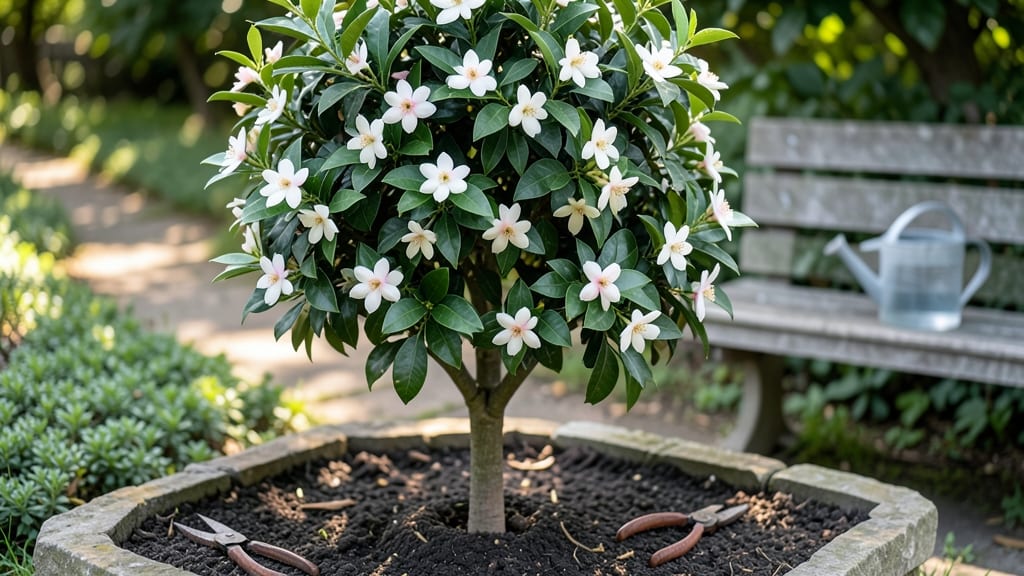
Your citrus tree’s delicate white flowers could be the first sign of next year’s harvest—if you know the cold stratification trick that triggers blooming. 🌸 I’ve watched my own orange tree go from stubbornly bare to covered in blossoms after applying this simple winter prep, and the difference is night and day.
The secret isn’t complicated: it’s about mimicking nature’s cues to wake up those dormant flower buds when most gardeners give up for the season.
Here’s the thing—most citrus trees need a period of cooler temperatures to set flowers, even in warm climates. Without it, they’ll just produce leaves.
My tree now blooms reliably every winter because I give it a 30-day chill period (even in Zone 9) using a DIY cold stratification method that takes less than 10 minutes to set up. You’ll need basic supplies: a spray bottle, a plastic bag, and a little patience. The payoff?
Clusters of fragrant white blossoms that lead to sweet oranges by summer.
Once you’ve triggered those flowers, the real work begins—but it’s easier than you think. You’ll learn how to protect them from late frosts, when to fertilize for maximum bloom production, and why pruning at the wrong time can leave you with bare branches.
The best part? Even if your tree skips a year, this method keeps it on track for reliable flowering seasons. By spring, you’ll be harvesting fruit from branches that were once bare.
This works for Meyer lemons, calamondins, and even dwarf varieties in containers. Whether you’re dealing with a mature tree or a young sapling, the same principles apply—just adjust the timing. Let’s get those buds blooming!
📚 In This Guide
- What you need
- Instructions
- Tips and common mistakes
- Wrapping up and next steps
What you need
- ● Orange tree seeds (fresh or stored, ideally from a Citrus sinensis variety like Valencia or Navel). Quantity: 5–10 seeds per attempt.
- ● Cold stratification setup: Plastic storage bag (resealable, quart-sized) or a moistened paper towel.
- ● Refrigerator (set to 34–40°F (1–4°C) for cold stratification).
- ● Potting mix (well-draining, cactus/succulent blend or a mix of peat moss + perlite in a 2:1 ratio). Quantity: Enough to fill 4–6" pots.
- ● Small pots or seed trays (with drainage holes, 4–6" diameter). Quantity: 1 per seedling.
- ● Spray bottle (for gentle watering).
- ● Plant labels (to track stratification dates).
- ● Grow lights or sunny windowsill (6+ hours of light/day post-stratification).
- ○ Humidity dome (optional, to retain moisture during germination).
- ● Fertilizer (balanced 10-10-10 or citrus-specific, diluted to half-strength once seedlings sprout).
- ○ Heat mat (optional, for faster germination in cooler climates).
Step-by-Step guide to encouraging orange tree flowers
Here's how to coax those sweet citrus blossoms—without waiting years.
🌱 Step 1: Select and Prepare Your Citrus Tree
Start with a healthy, mature citrus tree—navel oranges, Valencia, or Meyer lemons all respond well. If you're growing from seed, wait until the tree is at least 3-5 years old before expecting flowers, but grafted trees can bloom in 1-2 years with proper care. I always check for dark green, glossy leaves and avoid trees with yellowing or spotted foliage—those signs mean stress, which delays flowering.
Choose a container with drainage holes if growing in pots (citrus roots hate soggy feet). For outdoor trees, plant in well-draining soil with a slightly acidic pH (6.0-7.0). Amend heavy clay soil with compost or sand to improve drainage. Here's the thing—citrus trees need full sun (6-8 hours daily) to set flowers, but they also appreciate afternoon shade in hot climates to prevent leaf scorch.
⏰ Step 2: Apply Cold Stratification for Flowering Cues
Cold stratification tricks citrus trees into thinking winter has passed, triggering spring blooms. If your tree is indoors or in a warm climate, mimic winter by placing it in a cool (50-60°F) but bright location for 4-6 weeks. This could be a garage with natural light, a basement with a grow light, or even a shaded patio during cooler months.
During this time, reduce watering—let the top 2 inches of soil dry out between waterings. Overwatering in cool conditions stresses the tree and prevents bud formation. Watch for leaf drop—some shedding is normal, but excessive drop means the temperature is too cold. If leaves yellow or wilt, move the tree to a slightly warmer spot immediately.
☀️ Step 3: Boost Light and Fertilize for Bloom Signals
After cold treatment, return the tree to full sun and resume regular watering. Citrus trees need bright light (12+ hours daily) to produce flowers, so supplement with a grow light if natural light is insufficient. You'll see new growth as pale green shoots emerge—this is your cue to fertilize.
Use a balanced citrus fertilizer (6-6-6 or 8-3-9) every 4-6 weeks during the growing season. Follow package instructions, but don’t overdo it—too much nitrogen makes leaves lush but delays flowers. Look for small white or pink buds forming in leaf axils (the crook where leaves meet stems) in 4-8 weeks. These buds are your first sign of success!
💧 Step 4: Maintain Consistent Care for Reliable Blooms
Once buds appear, keep the soil evenly moist but not soggy—citrus flowers drop if the tree experiences drought stress. Water deeply once a week (more in extreme heat) and mulch around the base to retain moisture. Avoid wetting the leaves or flowers when watering to prevent fungal diseases like citrus scab, which can ruin blooms.
Prune lightly after flowering to shape the tree and remove any dead, diseased, or crossing branches. This encourages airflow and reduces humidity around the foliage. Real talk: Over-pruning stresses the tree and can prevent next year’s flowers, so keep cuts minimal. Watch for small white or pink blossoms opening—this usually happens in spring or early summer, depending on your climate.
Tips & tricks for reliable orange tree blooms
Common pitfalls—and how to sidestep every one when growing citrus blossoms.
Tree Selection Matters: Don't overlook the importance of leaf health in Step 1. Those dark green, glossy leaves aren't just for show—they're your first indicator of a tree ready to bloom. If you see yellowing or spotted leaves, your tree is stressed and won't produce flowers. I've seen people rush and pick trees with minor leaf issues, only to wait years for blooms. Take the extra 10 minutes to inspect leaves thoroughly before purchasing.
Cold Stratification Precision: The 4-6 week cool period in Step 2 is where the magic happens, but timing matters. If your tree is indoors, use a thermometer to monitor temperatures—keep it consistently between 50-60°F. I learned this the hard way after keeping my tree too warm during stratification, which resulted in no buds at all. A simple digital thermometer is worth the investment for reliable results.
Light Boost Secrets: When returning your tree to full sun in Step 3, don't assume natural light is enough. In my experience, supplementing with a grow light for 4-6 hours daily makes a dramatic difference in bud formation. Look for LED grow lights with a full spectrum—these mimic sunlight better than basic bulbs and encourage stronger growth. The pale green shoots you're watching for will appear sooner with proper light exposure.
Fertilizer Timing: The 4-6 week fertilization schedule in Step 3 is crucial, but don't apply fertilizer right after cold stratification. Wait until you see those pale green shoots emerge—this signals the tree is ready to use nutrients for flowering. I've seen people fertilize too early, resulting in leafy growth but no blossoms. Always follow the package instructions, but cut the recommended dose in half if your tree is still young or small.
Pro Tips for Orange Tree Flowers
- Common pitfalls—and how to sidestep every one when growing citrus blossoms.
- Tree Selection Matters: Don't overlook the importance of leaf health in Step 1.
- Cold Stratification Precision: The 4-6 week cool period in Step 2 is where the magic happens, but timing matters.
Frequently asked questions
Got questions about orange tree flowers?
You’re not alone—growing these fragrant blooms can be tricky! Here are answers to the most common queries to help you nurture your tree like a pro.
When do orange tree flowers typically bloom, and how can I encourage earlier blooms?
Orange tree flowers usually bloom in spring, just before fruit sets—think late winter to early spring in warmer climates. To encourage earlier blooms, use cold stratification (chilling seeds or young trees at 35–45°F for 6–8 weeks) or prune in late winter to stimulate new growth. Pro tip: Avoid over-fertilizing with nitrogen, as it delays flowering.
Why aren’t my orange tree flowers opening, even though buds are forming?
If buds form but fail to open, it’s often due to temperature stress (too cold or hot), lack of sunlight, or pests (like aphids or scale insects). Check for evening frost damage or insufficient sunlight (6+ hours daily). Spray with neem oil if pests are suspected. Fix it: Move potted trees to a sheltered spot and ensure consistent watering.
Can I grow orange tree flowers indoors, and what’s the best light setup?
Yes! Dwarf varieties like Citrus ‘Calamondin’ thrive indoors with a south-facing window or grow lights (12–14 hours/day). Use a grow light (LED or fluorescent) 6–12 inches above the plant. Rotate the pot weekly for even growth. Watch out: Indoor trees may bloom less without proper dormancy—mimic winter by reducing water and light in fall.
Are orange tree flowers edible, and how can I use them in cooking?
While the petals are edible (mildly citrusy and floral), they’re best used sparingly in desserts, teas, or garnishes. The buds (called orange blossoms) are star ingredients in Middle Eastern and Mediterranean cuisine—think syrups, cakes, or even cocktails! Caution: Avoid if allergic to citrus.
What should I do if my orange tree flowers drop off before fruiting?
Dropping flowers (called “flower drop”) is normal for young trees or those stressed by overwatering, nutrient deficiencies, or extreme temps. Ensure your tree gets balanced fertilizer (low nitrogen, high phosphorus/potassium) and consistent moisture (but not soggy soil). Quick fix: Mulch to retain moisture and avoid sudden temperature swings.
Can I propagate orange tree flowers from cuttings, or do I need to buy a new tree?
While you can propagate from cuttings, it’s challenging—orange trees root poorly without rooting hormone. Your best bet? Buy a young grafted tree (they bloom faster) or grow from seeds (though seed-grown trees may take 5–10 years to flower). Alternative: Ask a local nursery for a “whip” cutting from a healthy tree.
Wrapping up and next steps
Growing vibrant orange tree flowers is a rewarding journey that blends patience, care, and a touch of science—like cold stratification! 🌸 Whether you’re a seasoned gardener or a curious beginner, understanding the blooming process ensures your citrus tree thrives.
Now that you’re armed with the right techniques, take the next step: plant your seeds or nurture your sapling with confidence. Watch those delicate blossoms unfold into fragrant, citrus-scented magic—your garden (and future harvest) will thank you!