
Pruning
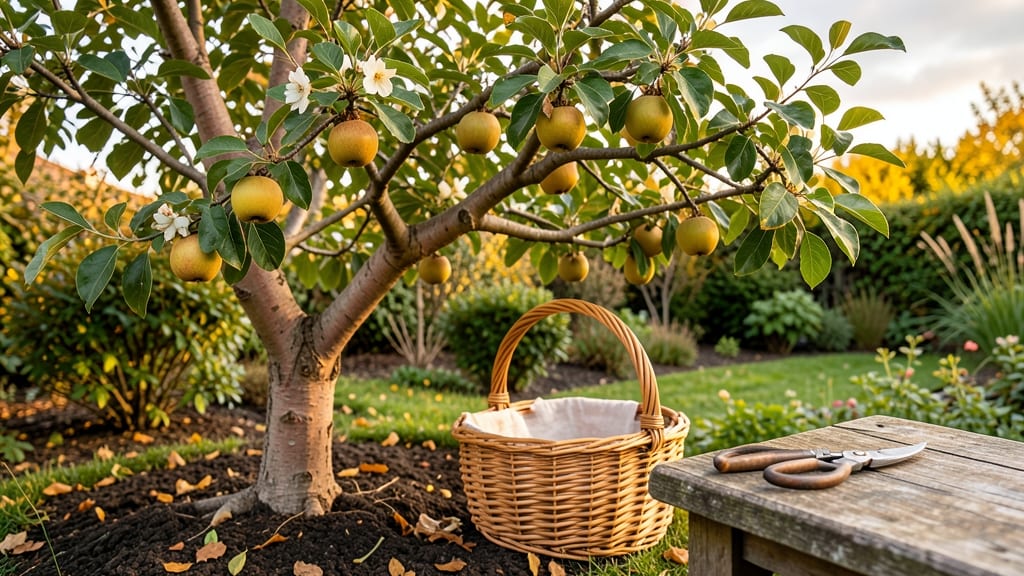
Pruning your nispero tree fruit-bearing branches transforms a scattered harvest into a year-round bounty—and I’ve perfected the method after years of trial-and-error with my own tree. 🌱 The key isn’t just cutting back; it’s understanding when and how to shape the tree to maximize fruit production while keeping it healthy.
Most gardeners prune too late or too aggressively, which stresses the tree and reduces fruit. My approach focuses on three strategic cuts per year: a light shaping in early spring, a mid-season thinning of crowded branches, and a final cleanup before the next harvest season.
You’ll need basic pruning shears, a sharp saw for thicker branches, and about 30 minutes of focused work.
What you’ll end up with is a tree that produces larger, sweeter fruit with fewer gaps between harvests. The branches stay strong, sunlight reaches all sides, and pests have fewer hiding spots. By winter, you’ll notice fresh green growth where you made cuts—proof the tree is thriving.
This works for both young trees (under 5 years) and mature specimens, though older trees need gentler pruning. Whether you’re in Florida, California, or a warm microclimate elsewhere, the principles stay the same. Let’s turn your nispero into a fruit machine!
📚 In This Guide
- What you need
- Instructions
- Tips and common mistakes
- Wrapping up and next steps
What you need
- ● Pruning shears – Bypass pruners (sharp, 6-8 inch blades) for clean cuts on small branches.
- ● Loppers – Long-handled (24-32 inch) for thicker branches (up to 2 inches in diameter).
- ● Pruning saw – Curved-tooth blade for branches thicker than 2 inches.
- ● Disinfectant (70% isopropyl alcohol or bleach solution) – To sterilize tools between cuts and prevent disease spread.
- ● Gloves – Heavy-duty, cut-resistant to protect hands from thorns and rough bark.
- ○ Pruning sealant (optional but recommended) – Tree wound dressing to protect large cuts from pests and disease.
- ● Ladder or step stool – For reaching higher branches safely (ensure it’s stable and rated for your weight).
- ● Bucket or trash bag – To collect pruned branches for disposal or composting.
- ● Permanent marker – For labeling branches if you’re training the tree or identifying specific cuts.
- ● Safety glasses – To shield eyes from debris, especially when using a pruning saw.
- ● Extension pole pruners – For high branches without a ladder.
- ● Rubbing alcohol wipes – Quick tool disinfection between cuts.
- ● Tree pruning rope – To temporarily support branches during heavy pruning.
- ● Camera or phone – To document the tree’s structure before and after pruning.
- ● Compost bin – For repurposing small pruned branches as mulch.
Step-by-Step instructions for pruning a nispero tree
Here's how to shape your nispero tree for maximum fruit production and longevity.
🪴 Step 1: Prepare Tools and Timing
Work on a dry day when temperatures are between 60-80°F—this reduces stress on the tree and prevents disease spread. Sterilize your pruning tools with rubbing alcohol to kill any lingering bacteria or fungi from previous cuts. I always use sharp bypass pruners for clean cuts and a small handsaw for thicker branches over 1 inch in diameter.
Timing matters most: prune late winter (just before buds swell) for structural shaping, and immediately after harvest to encourage new fruiting wood. Avoid pruning during wet seasons—this invites fungal infections through fresh cuts.
✂️ Step 2: Remove Dead, Diseased, or Crossing Branches
Start by eliminating any dead, diseased, or broken branches—these compete with healthy growth and harbor pests. Look for branches with dark, shriveled leaves or blackened bark, and cut them back to the main trunk or a healthy lateral branch. I make my cuts just outside the branch collar (the swollen area where the branch meets the trunk) at a 45-degree angle.
Next, remove branches that cross or rub against each other. These create wounds that weaken the tree and invite rot. If two branches are growing toward each other, keep the stronger one (the one with more leaves and better angle) and cut the other entirely. Here's the thing—don't leave stubs. A clean cut heals faster and looks better.
☀️ Step 3: Thin the Canopy for Light Penetration
Nispero trees fruit best when sunlight reaches all branches. Aim to create an open, vase-like shape with 6-8 main scaffold branches spaced evenly around the trunk. Remove any branches growing inward or downward—they block light and create a dense, shaded center. You'll see the best results when the outer branches form a dome that catches sunlight throughout the day.
Thin out crowded areas by cutting back branches to their origin points. Never remove more than 25% of the tree's foliage in one session—this prevents shock. I like to step back every few cuts to visualize the shape. If the tree looks too bare after thinning, you've gone too far.
🌿 Step 4: Encourage Fruiting Wood
To maximize fruit production, focus on 1-2 year old wood—this is where nispero trees bear their best fruit. Cut back older branches that no longer produce well, but leave 3-4 inches of stub to encourage new growth from the base. For new branches, trim back the tips by one-third to promote bushier growth with more fruiting spurs.
Watch for "water sprouts"—these are fast-growing, vertical shoots that steal energy from fruit production. Remove them entirely at the base. You'll know you're doing it right when the tree's energy shifts from vertical growth to horizontal branches loaded with fruit buds.
⏰ Step 5: Post-Pruning Care
After pruning, apply a balanced fertilizer (like 10-10-10) to replenish nutrients lost during the process. Water deeply to help the tree recover, but avoid overwatering—the fresh cuts are vulnerable to fungal infections. I always mulch around the base with 2-3 inches of organic mulch to retain moisture and regulate soil temperature.
Monitor the tree for 3-4 weeks after pruning. If you see new growth emerging from old wood, you've encouraged the right kind of fruiting branches. If the tree looks stressed (yellowing leaves, wilting), it needs more time to recover—give it a few extra weeks before pushing it with heavy pruning again.
Tips & tricks for pruning nispero trees
Pruning a nispero tree properly can transform your harvest—here's what I've learned after years of shaping these fruit-bearing beauties.
Timing is Everything: The late winter pruning (just before buds swell) is non-negotiable for structural shaping. I've seen trees stressed beyond recovery when pruned during wet seasons—those fresh cuts become infection highways. For post-harvest pruning, don't wait more than a week after picking fruit to encourage new fruiting wood. The tree's energy needs to shift immediately from fruit production to recovery growth.
The 25% Rule: In Step 3, when thinning the canopy, remember that removing more than 25% of foliage in one session shocks the tree. I learned this the hard way when I overzealously pruned a young nispero and ended up with sparse fruit production for two seasons. Step back frequently to visualize the shape—you're aiming for that open vase form where sunlight can reach all branches equally.
Branch Collar Matters: That swollen area where branches meet the trunk (the branch collar) isn't just decoration—it's the tree's natural healing zone. When making cuts in Step 2, always cut just outside this collar at a 45-degree angle. I've seen too many pruning jobs where stubs were left, leading to slow healing and fungal infections. The cleaner the cut, the faster the tree recovers and the better it fruits.
Water Sprout Watch: Those fast-growing vertical shoots stealing energy from fruit production? They're called water sprouts, and they need to go. Remove them entirely at the base in Step 4—they won't contribute to fruit production and will drain resources from your existing branches. You'll know you're doing it right when you see horizontal branches developing with those telltale fruit buds forming along their length.
Pro Tips for Nispero Tree Fruit
- Pruning a nispero tree properly can transform your harvest—here's what I've learned after years of shaping these fruit-bearing beauties.
- Timing is Everything: The late winter pruning (just before buds swell) is non-negotiable for structural shaping.
- The 25% Rule: In Step 3, when thinning the canopy, remember that removing more than 25% of foliage in one session shocks the tree.
Frequently asked questions
Got questions about pruning your nispero tree for the best fruit yield?
Here are answers to the most common ones—so you can keep your harvest thriving year-round!
When is the best time to prune a nispero tree?
The ideal time to prune is late winter or early spring, just before new growth begins. This helps avoid stressing the tree during flowering or fruiting seasons. For tropical climates, prune after the rainy season to encourage fresh, healthy growth. Avoid heavy pruning in summer—it can reduce fruit production!
How much should I prune my nispero tree each year?
Remove about 20-30% of the tree’s canopy annually to maintain shape and airflow. Focus on:
- Dead or diseased branches (cut them back to healthy wood).
- Crossing or rubbing branches (prune one to open the canopy).
- Suckers or water sprouts (remove to redirect energy to fruit-bearing branches).
Will pruning reduce my nispero tree’s fruit yield?
Not if done correctly! Pruning actually boosts fruit quality and quantity by improving sunlight and airflow. However, avoid heavy cuts during flowering (fall/winter in many regions). If you notice fewer fruits after pruning, you may have trimmed too aggressively—adjust next time!
What should I do if my nispero tree isn’t fruiting after pruning?
Check these common issues:
- Age: Young trees (under 3–5 years) may not fruit yet.
- Nutrients: Fertilize with citrus-specific food in early spring.
- Pollination: Nispero trees are self-pollinating, but bees help—plant pollinator-friendly flowers nearby.
- Stress: Overwatering or drought can halt fruiting. Keep soil moist but well-drained.
Can I prune a nispero tree in containers or small spaces?
Yes! Use dwarf varieties or prune aggressively to control size. For containers:
- Prune roots every 2–3 years to prevent circling.
- Shape the canopy to fit your space (e.g., espalier against a fence).
- Use support stakes if branches get heavy with fruit.
Wrapping up and next steps
Mastering the art of pruning your nispero tree unlocks a treasure trove of year-round harvests—sweet, juicy fruit that rewards your efforts! 🌱 With the right tools, timing, and techniques, you’ll ensure your tree thrives, stays healthy, and produces abundantly.
Whether you’re a beginner or a seasoned gardener, every snip brings you closer to a bountiful orchard.
Ready to take the next step? Start small—pick one season to practice, observe your tree’s response, and refine your approach. Before you know it, you’ll be enjoying nispero fruit straight from your own backyard! 🍊✨