
Landscaping
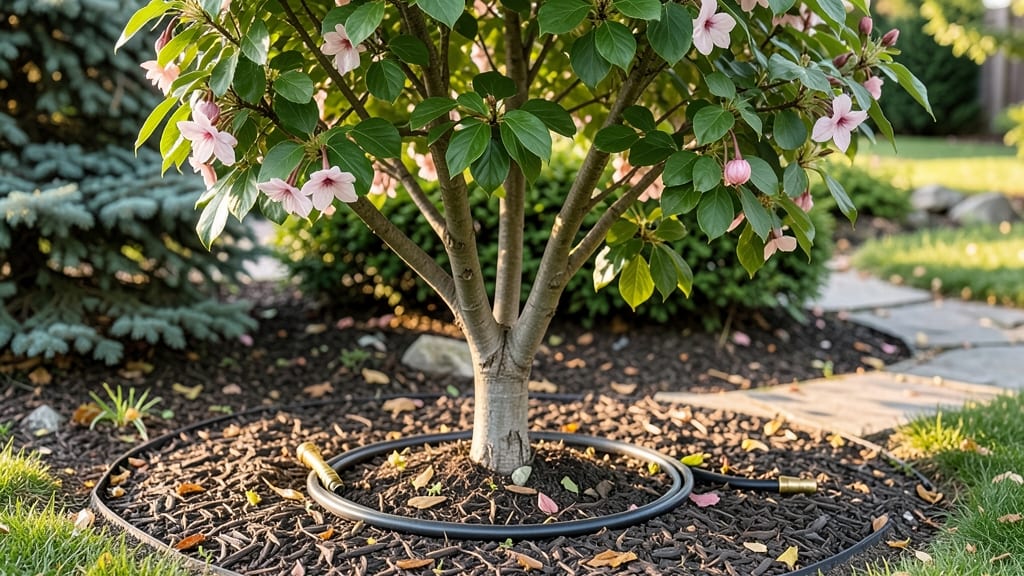
Mulching dogwood trees isn’t just about keeping weeds at bay—it’s the secret to protecting their shallow roots and mimicking the forest floor they crave. 🌳 I’ve watched my own dogwoods thrive with proper mulching, their bark staying cooler in summer and their roots staying moist through droughts.
The right mulch creates a living shield that also feeds the soil over time, keeping pH balanced for those acid-loving trees.
Your best options are organic mulches like shredded bark, pine straw, or composted leaves—all of which break down slowly to enrich the soil. Inorganic mulches like gravel work too, but they don’t improve soil health.
Aim for a 3-inch layer (no more!) and keep it 6 inches away from the trunk to prevent rot. This setup keeps weeds down while letting rainwater soak in efficiently.
You’ll notice the difference within a season: fewer weeds, less watering, and a tree that looks healthier year-round. The mulch also insulates roots from extreme temperatures, which is especially helpful in hot climates or cold winters. Just refresh it annually—topping up with fresh mulch keeps the benefits going strong.
Spring is the ideal time to apply mulch, but you can add a light layer anytime except winter. If you’re in a rainy climate, inorganic mulch might be better to prevent soggy soil.
The key is consistency—once you start, your dogwood will thank you with stronger growth and more vibrant blooms.
📚 In This Guide
- What you need
- Instructions
- Tips and common mistakes
- Wrapping up and next steps
What you need
- ● Mulch: 1–2 cubic yards of acidic-balanced mulch (pH 5.5–6.5), such as: Pine bark fines or chips (🌲 best choice for dogwoods!)
- ● Shredded hardwood (oak, maple, or cedar)
- ● Composted leaves or leaf mold (free if you rake them up!)
- ● Garden tools: 1 garden rake (for leveling soil)
- ● 1 hand shovel or spade (to create a mulch basin)
- ● 1 wheelbarrow (for hauling mulch)
- ● Prerequisites: Weed-free 3–4 foot diameter area around the tree’s drip line (where branches extend).
- ● Existing 2–3 inches of soil (no bare roots or exposed trunk!).
- ● Soil amendments: 1–2 gallons of peat moss (if your soil is alkaline)
- ● 1 slow-release fertilizer (10-10-10 or acid-loving blend)
- ● Landscape fabric: 1 roll (to block weeds if mulching over grass)
- ● Tree collar marker: A plastic tree guard (to keep mulch 6+ inches from the trunk)
Step-by-Step guide for mulching dogwood trees
Here’s how to protect your dogwood’s roots while keeping weeds at bay—my go-to method for happy trees.
🌱 Step 1: Clear the Area Around the Tree
Remove any grass, weeds, or debris within a 3-foot radius of the tree trunk. Dogwoods have shallow roots, so you want a clean zone where mulch can work its magic without competing plants stealing nutrients. Use a rake or hoe to gently pull up weeds—be careful not to damage the roots.
If the ground is rocky or compacted, loosen the top 2 inches of soil lightly with a hand fork. This helps water and air reach the roots while giving mulch room to settle. Avoid digging deeper than 4 inches—dogwood roots are sensitive to disturbance.
🪴 Step 2: Apply a 2- to 3-Inch Layer of Mulch
Spread 2-3 inches of mulch evenly over the cleared area, keeping it 6 inches away from the tree trunk. Too much mulch piled against the bark can trap moisture and cause rot. Use a wood chip or pine bark mulch—these break down slowly and maintain soil acidity, which dogwoods love.
Work the mulch in a donut shape around the tree, tapering it at the edges to create a neat border. Avoid mulch volcanoes (piling mulch high in the center)—this can suffocate the trunk and attract pests. Lightly press the mulch down so it stays in place but doesn’t compact the soil beneath.
☀️ Step 3: Replenish Mulch Annually
Check the mulch layer in early spring before new growth starts. Over time, it breaks down and loses thickness. Top up to 2-3 inches as needed, but never exceed 4 inches—this can smother the roots. A fresh layer also helps suppress new weeds and retains moisture for the growing season.
If you notice the mulch turning gray or clumping, it’s breaking down too fast. In that case, add a thin layer of fresh mulch in late fall to protect the soil over winter. Dogwoods appreciate consistent mulch coverage, so think of it like a cozy blanket for their roots.
✂️ Step 4: Monitor and Adjust for Long-Term Health
Keep an eye out for weeds poking through the mulch. If they appear, pull them early before they compete with your dogwood. A 3-inch mulch layer should block most weeds, but occasional volunteers will sneak through—don’t let them stay.
Watch the soil moisture too. Mulch helps retain water, but if the ground stays soggy for weeks, the roots may suffocate. In dry spells, water deeply around the edges of the mulch circle. A healthy dogwood will show vibrant green leaves and steady growth—if you see yellowing or wilting, check if the mulch is too thick or compacted.
Tips & tricks for mulching dogwood trees
A few simple tricks make all the difference when protecting your dogwood’s delicate root system. These are the lessons I’ve learned after watching trees thrive—and sometimes struggle—with different mulching approaches.
Root Protection: In Step 1, when you’re clearing the 3-foot radius, pay special attention to the soil’s texture. Dogwood roots spread just below the surface, so avoid disturbing them beyond the top 2 inches. If you hit compacted soil, use a hand fork to loosen it gently—this creates tiny air pockets that help roots breathe without inviting weeds.
Mulch Selection Matters: The instructions mention wood chips or pine bark, but here’s what nobody tells you—avoid cedar mulch. While it smells great, cedar releases oils that can inhibit root growth over time. Stick with hardwood mulches that break down slowly, maintaining that perfect 2-3 inch layer without smothering the roots.
Donut Shape Secret: That "donut shape" in Step 2 isn’t just for looks—it’s about moisture control. The 6-inch gap from the trunk prevents rot while allowing water to reach the roots. If you see mulch piling up against the bark, gently rake it back to maintain that crucial gap. Think of it as creating a moisture highway that leads water right to where the roots need it most.
Seasonal Timing: When you replenish mulch in early spring, here’s the pro move: add a ½-inch layer of compost mixed into the top inch of soil before applying fresh mulch. This gives your dogwood a nutrient boost just as it starts growing. In late fall, that thin protective layer I mentioned? It’s not just about winter—it’s about preventing soil erosion from winter rains that could expose those shallow roots.
Pro Tips for Mulch For Dogwood Trees
- A few simple tricks make all the difference when protecting your dogwood’s delicate root system.
- Root Protection: In Step 1, when you’re clearing the 3-foot radius, pay special attention to the soil’s texture.
- Mulch Selection Matters: The instructions mention wood chips or pine bark, but here’s what nobody tells you—avoid cedar mulch.
Frequently asked questions
Got questions about mulching your dogwood trees?
You’re not alone! Here are answers to the most common concerns—from timing to troubleshooting—so you can keep your tree thriving with confidence.
What type of mulch is best for dogwood trees?
Dogwoods thrive with acidic, well-draining mulch like pine bark fines, cedar chips, or shredded hardwood. Avoid dyed mulches (they can harm soil pH) and steer clear of cypress mulch, which is too acidic and may stunt growth. A 2–4 inch layer keeps roots cool while preventing compaction.
When is the best time to apply mulch to a dogwood?
Apply mulch in early spring or fall—just after new growth appears in spring or before the first frost in fall. Avoid mulching in summer heat (it can smother roots) or winter (it may trap moisture and cause rot). Replenish mulch annually, keeping it 2–3 inches deep and 2–3 inches away from the trunk.
What if my dogwood leaves are yellowing after mulching?
Yellowing leaves could signal over-mulching (suffocating roots) or improper pH (from incorrect mulch). Check for compacted mulch—fluff it gently—and test soil pH (ideal: 5.5–6.5). If mulch is too acidic (e.g., cypress), switch to pine fines or composted oak. Also, ensure the tree isn’t overwatered.
Can I use grass clippings or leaves as mulch for dogwoods?
While dried leaves work as a free, lightweight mulch, avoid fresh grass clippings—they mat down, trap moisture, and can promote fungal diseases. If using leaves, shred them first for even coverage. For a balanced approach, mix 50% leaves with 50% pine bark to retain moisture without suffocating roots.
Why is my dogwood tree’s bark peeling or cracking near the mulch?
Peeling bark near mulch often means moisture buildup (from mulch touching the trunk) or insect damage. Create a 2–3 inch mulch-free zone around the trunk to prevent rot. Inspect for borers or scale insects—treat with neem oil if needed. If cracks are severe, prune damaged areas (sterilize tools!) and monitor for signs of disease.
Wrapping up and next steps
Choosing the right mulch for your dogwood trees is a game-changer—it protects their delicate roots, locks in moisture, and keeps weeds at bay while maintaining that perfect acidic-balanced soil.
Whether you opt for pine bark, cedar chips, or shredded hardwood, consistency and proper application are key to long-term success. 🌿
Ready to give your dogwood the care it deserves? Start small: Test a section of your yard this season, observe how your tree responds, and adjust as needed. With the right mulch, your dogwood will thrive—and your landscaping will thank you for years to come!