
Pruning
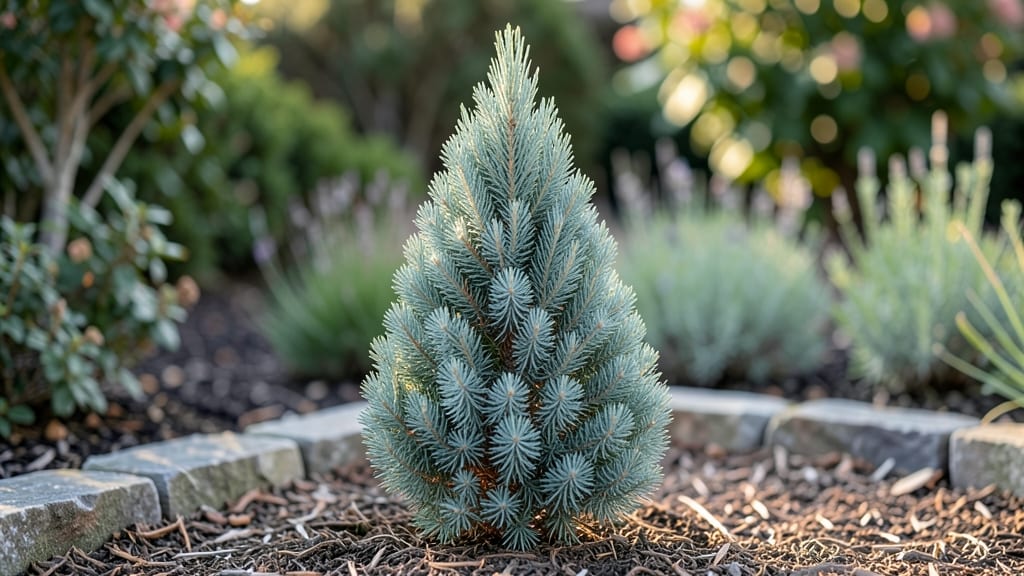
Transforming your miniature European cypress into a lush, sculptural centerpiece starts with just four precise cuts—no advanced skills required. 🌿 These trees thrive on shaping, and with the right technique, you’ll create a dense, bushy canopy that turns heads in any garden corner.
The secret lies in timing and angle, not brute force.
Picture it: your cypress as the star of a formal border, its layered branches framing a pathway or softening a sharp architectural edge. These trees stay compact (typically 3–6 feet tall), making them perfect for small spaces, containers, or even as living room dividers.
Their silvery-blue foliage adds texture and year-round interest, while their natural taper gives any design instant elegance.
With these four cuts, you’ll encourage fuller growth at the base and prevent that leggy, overstretched look that ruins the effect. The results? A tree that looks like it’s been meticulously shaped by a master—even if you’re just starting out.
Plus, the pruning process is quick, leaving you more time to enjoy the view.
Whether you’re working with a single specimen or a row of them, this method adapts to formal gardens, cottage-style plots, or even urban courtyards. The key is consistency—just a few minutes every few months—and your cypress will become the most polished focal point in your outdoor space.
📚 In This Guide
- What you need
- Instructions
- Tips and common mistakes
- Wrapping up and next steps
What you need
- ● Pruning shears: Bypass pruners (sharp, clean, and sterilized with rubbing alcohol or bleach to prevent disease).
- ● Hand pruners: Small, precise pair for tiny trims (great for delicate branches).
- ○ Loppers: Optional for thicker branches (if your tree has any over ½ inch in diameter).
- ● Gloves: Heavy-duty gardening gloves (protects from sap and thorns).
- ● Disposable pruning bags: 1-2 medium-sized bags (to collect clippings and keep your workspace tidy).
- ● Rubbing alcohol (70%+) or bleach solution: For sterilizing tools between cuts.
- ● Sharpie or permanent marker: To label branches if you’re experimenting with shaping.
- ○ Pruning sealant (optional): For sealing larger cuts (like tree wound pruning paste if available).
- ● Best time to prune: Late winter or early spring (before new growth starts). Avoid pruning in extreme heat or drought.
- ● Weather check: Prune on a calm, dry day (no rain forecasted for 24 hours).
- ● Safety first: Wear long sleeves and closed-toe shoes (cypress branches can be spiky!).
- ● Water nearby: A hose or bucket of water to rinse tools and refresh your tree post-prune.
- ● Clear workspace: Lay down a tarp or old sheet to catch debris (trust us, cypress needles fly!).
How to prune miniature European cypress trees for a lush, compact shape
Here's the straightforward method I use to keep my dwarf cypresses looking like little living topiaries.
🌿 Step 1: Time Your Pruning for Healthy Growth
Prune your miniature European cypress in early spring, right as new growth begins but before it hardens off. This timing ensures you're cutting back fresh, pliable stems that will respond well to shaping. Avoid pruning in fall or winter—new growth won't have time to harden before cold sets in.
Look for 1/4-inch green tips on the branches as your signal. These tender new shoots mean the tree is waking up from dormancy and ready to be guided into its perfect shape. If you wait too long, the branches become woody and less responsive to pruning.
✂️ Step 2: Make Your First Cut to Encourage Branching
Start by cutting back the tallest central leader by about 1/3 of its length. This forces the tree to send out multiple side branches, creating that classic bushy cypress silhouette. Use sharp, clean pruners to make a 45-degree angle cut just above a leaf node or bud.
This first cut is the most important—it sets the foundation for your tree's shape. You'll see new buds forming along the stem within 2-3 weeks. These will become your future branches, so make sure your cut is clean and precise to avoid damaging the stem.
✂️ Step 3: Shape the Outer Canopy with Strategic Cuts
Next, focus on the outer branches. Cut back any that are growing inward or crossing each other by half their length. These are the branches that will define your tree's final shape. Remove no more than 25% of the foliage in one session to avoid stressing the plant.
Work your way around the tree, visualizing the shape you want. Miniature cypresses respond beautifully to shaping, so don't be afraid to be bold with your cuts. You'll notice new growth emerging from the sides within 4-6 weeks, filling in any gaps you created.
✂️ Step 4: Fine-Tune the Top and Refine the Silhouette
For the final touch, lightly trim the top of the tree to create a slightly rounded shape. Make small cuts along the very top branches, removing just the tips. This encourages the tree to grow outward rather than upward, giving it that classic cypress dome shape.
Step back and admire your work—you should see a balanced, full canopy with no bare spots. If you notice any uneven growth after a few weeks, simply repeat the shaping process during the next growing season. The key is consistency; these trees thrive on regular, gentle pruning.
Tips & tricks for perfect miniature European cypress pruning
Took me a while to figure these out, so here's how I avoid the most common pruning mistakes with my own little topiary collection.
Tool Prep: Always use clean, sharp pruners—dull blades tear stems instead of making clean cuts. I sterilize mine with rubbing alcohol between trees to prevent disease spread. For delicate dwarf cypresses, small bypass pruners work better than heavy-duty loppers that can crush tender growth.
Visualizing the Shape: Before making any cuts in Step 3, I sketch a rough outline of my desired shape on paper. This helps me visualize where to trim inward-growing branches. Think of your tree like a rounded cloud—no sharp edges, just gentle curves. The 25% foliage rule becomes much easier when you're working from a visual guide.
Timing the Second Growth: The 2-3 weeks after your first cut is critical. I mark my calendar with the pruning date and set reminders to check for new buds. If you notice yellowing leaves after this period, it might mean you cut too aggressively—remember, these are delicate dwarf varieties that respond best to gentle guidance.
Seasonal Maintenance: While the instructions focus on spring pruning, I do a light shaping in early summer if needed. Just remove any straggly branches that spoil the symmetry, but avoid heavy pruning—this can stimulate late-season growth that won't harden before winter. Think of summer as your "touch-up" season rather than a major shaping session.
Pro Tips for Miniature European Cypress Tree
- Took me a while to figure these out, so here's how I avoid the most common pruning mistakes with my own little topiary collection.
- Tool Prep: Always use clean, sharp pruners—dull blades tear stems instead of making clean cuts.
- Visualizing the Shape: Before making any cuts in Step 3, I sketch a rough outline of my desired shape on paper.
Frequently asked questions
Got questions about keeping your miniature European cypress tree lush and compact? You’re not alone! Here are some of the most common concerns—and their solutions—to help you prune like a pro.
How often should I prune my miniature European cypress?
Prune your miniature European cypress twice a year: once in early spring (just as new growth begins) and again in late summer (after the main growth spurt). Light trims between these times can encourage denser foliage. Avoid heavy pruning in winter, as the tree is dormant and more vulnerable to stress.
Can I trim my cypress too much? What are the signs?
Yes! Over-pruning can weaken your tree or leave it looking bald in spots. Watch for sparse branches, yellowing needles, or stunted growth—these are red flags. If you’ve cut back more than 1/3 of the foliage in one go, give it time to recover with extra water and a balanced fertilizer.
What’s the best way to shape a miniature cypress for a bushy look?
Start with 4 key cuts:
- Topping: Trim the top 1-2 inches to encourage lateral branching.
- Thinning: Remove selective inner branches to improve airflow.
- Sculpting: Shape the sides symmetrically for a fuller appearance.
- Cleanup: Snip any dead, crossing, or overcrowded branches.
Do miniature cypress trees need full sun to stay healthy?
While they thrive in full sun (6+ hours daily), they can tolerate partial shade (4+ hours). In shadier spots, growth may slow, and foliage could thin. If indoors, place near a south-facing window or supplement with a grow light for 12–14 hours/day.
What’s a good alternative if my cypress isn’t recovering after pruning?
If your tree struggles post-prune, try these fixes:
- Revitalize with fertilizer: Use a slow-release, acidic fertilizer (like 8-3-9) in spring.
- Check the soil: Ensure it’s well-draining (sandy loam works best). Amend heavy clay with perlite.
- Consider propagation: If the tree is beyond saving, take softwood cuttings in summer to grow a new plant!
Wrapping up and next steps
Transforming your miniature European cypress tree into a lush, bushy masterpiece is simpler than you think! With just four strategic cuts and a little patience, you can achieve that coveted dense canopy—perfect for adding Mediterranean charm to your garden or indoor space. 🌿✨
Ready to elevate your pruning game? Grab your tools and start shaping today—your cypress will thank you with vibrant growth and stunning structure. For extra tips, revisit our FAQ section or experiment with different pruning angles to find what works best for your tree!