
Pruning
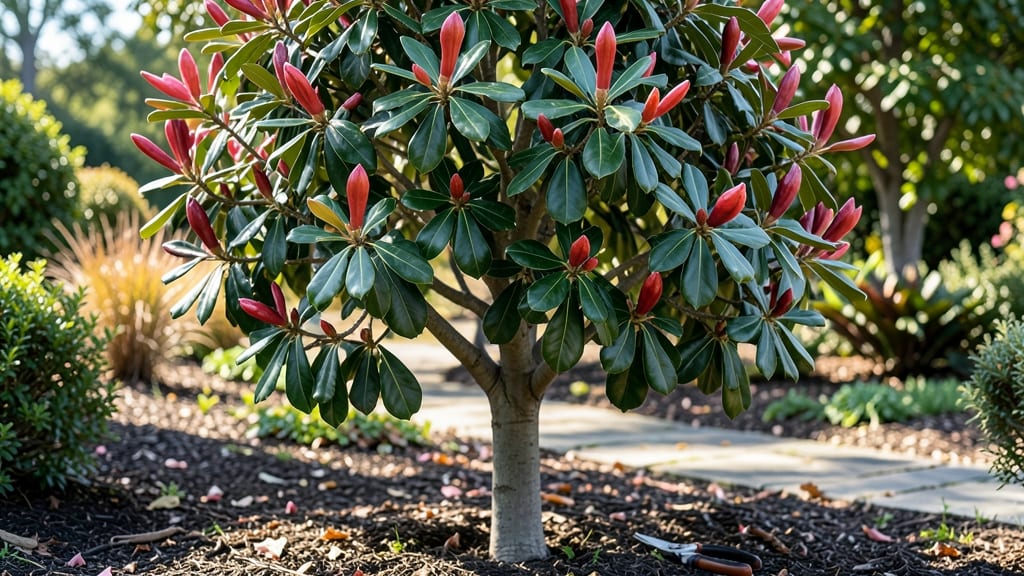
Magnolia trees with those striking red berries are nature’s showstoppers—and keeping them healthy means pruning year-round. 🌿 I’ve learned the hard way that skipping pruning turns those glossy leaves from lush to leggy, and the berries?
They’ll be sparse or nonexistent. The key is timing: light trims in late winter and summer keep the tree’s energy focused on fragrant blooms and vibrant fruit.
Most berry-producing magnolias—like Magnolia grandiflora or M. virginiana—thrive in full sun to partial shade and well-draining soil. Overwatering is the silent killer here; these trees hate soggy roots. Once established, they’re drought-tolerant but still need deep watering once a week during dry spells.
And yes, those red berries? They’re toxic to humans but irresistible to birds, turning your tree into a winter buffet.
With the right pruning, you’ll see thicker foliage, more blooms, and those signature red berries appearing in late summer. Start by removing dead or crossing branches in late winter, then shape the tree in summer after flowering.
It’s not about perfection—just opening up the canopy so sunlight reaches all those fragrant buds.
Bonus: Prune lightly in early spring to encourage new growth, and avoid heavy cuts in fall. The goal is to keep the tree’s energy balanced between blooms, leaves, and berries.
Your magnolia will reward you with years of fragrant flowers and those showstopping red berries—if you stay ahead of the pruners.
📚 In This Guide
- What you need
- Instructions
- Tips and common mistakes
- Wrapping up and next steps
What you need
- ● Pruning shears (bypass or anvil type) – sharp, clean, and sized for small to medium branches (4–6 inches).
- ● Loppers – for thicker branches (6–24 inches), with long handles for reach.
- ● Pruning saw – for branches thicker than 2 inches; choose a curved blade for smooth cuts.
- ● Gloves – heavy-duty, cut-resistant gloves to protect your hands from thorns and sap.
- ● Disinfectant (70% isopropyl alcohol or bleach solution) – to sterilize tools between cuts and prevent disease.
- ○ Pruning sealant (optional but helpful) – for sealing larger cuts to prevent sap leakage or pest entry.
- ● Ladder or extension pole – if your magnolia is tall (10+ feet); ensure it’s stable and non-slip.
- ● Trash bags or bucket – for collecting pruned branches and berries.
- ● Notebook & pen – to sketch a quick map of cuts or track pruning progress.
- ● Safety goggles – to shield your eyes from debris or sap splatter.
- ● Long-sleeved shirt & pants – to protect against scratches and sap irritation.
- ● Tree pruning rope or zip ties – for temporarily securing branches during heavy pruning.
- ● Garden hose or spray bottle – to rinse tools and clean sap off hands.
- ● Pruning reference guide or app – for magnolia-specific pruning tips (e.g., PruneRight or iTree).
Step-by-Step guide for pruning magnolias to encourage red berries
Pruning magnolias correctly keeps them lush, fragrant, and bursting with those showstopping red berries.
✂️ Step 1: Time Your Pruning for Maximum Berry Production
Prune your magnolia right after flowering—typically in late spring or early summer. This timing ensures you don’t cut off next year’s flower buds, which form on old wood. I always wait until all blooms have fallen before making a single cut, as this gives me visual confirmation of where the flowers were.
If you prune too early, you risk removing flower buds that haven’t yet set. If you wait too long, you’ll miss the best opportunity to shape the tree before new growth hardens. The goal is to strike a balance between aesthetic shaping and berry production—both require careful attention to timing.
✂️ Step 2: Remove Dead, Diseased, or Weak Branches
Start by inspecting the tree for branches that are dead, broken, or crossing. Dead branches snap easily when bent—if a branch cracks, it’s time to remove it. Use sharp, clean pruners to make diagonal cuts just outside the branch collar (the swollen area where the branch meets the trunk).
Diseased branches often appear discolored or ooze sap. Cut these out immediately to prevent the spread of infection. Weak or rubbing branches (those that cross and chafe against each other) should also go. These cuts encourage the tree to redirect energy into stronger, healthier growth—and more berries.
✂️ Step 3: Thin Out Crowded Branches for Better Airflow
Magnolias naturally grow dense, so thinning is key to preventing fungal issues and encouraging vibrant berry production. Look for branches growing inward or upward—these compete for sunlight and nutrients. Remove about 20-30% of the smallest, weakest branches to improve airflow and light penetration.
I focus on branches thinner than a pencil, as these are the least essential for structure. Step back frequently to visualize the tree’s shape. The goal is an open, airy canopy that lets sunlight reach all parts of the tree—more light means more flowers, which means more berries.
☀️ Step 4: Lightly Shape the Tree for Balance and Beauty
Once you’ve removed the dead, diseased, and crowded branches, it’s time for subtle shaping. Magnolias respond well to minimal pruning, so avoid heavy cuts. Instead, focus on refining the tree’s natural form by trimming just the tips of overgrown branches to encourage bushier growth.
Use hand pruners for branches under ½ inch thick and loppers for thicker branches. Always make cuts just above a leaf node or bud, angled slightly away from the branch. This ensures the tree knows where to grow next. A well-shaped magnolia not only looks stunning but also produces more abundant red berries.
⏰ Step 5: Monitor and Maintain Year-Round for Long-Term Health
Pruning isn’t a one-time task—it’s an ongoing commitment. After your initial pruning, keep an eye out for suckers or water sprouts (fast-growing, weak shoots) and remove them as they appear. These drain energy from the main tree, reducing berry production.
In late winter, do a quick check for any branches that died over the winter and prune them out before new growth begins. This keeps the tree healthy and sets it up for another season of fragrant blooms and vibrant red berries. A little attention year-round makes all the difference.
Tips & tricks for pruning magnolias to encourage red berries
A few simple strategies can transform your magnolia from a struggling shrub into a berry-producing powerhouse. Here's what I've learned from years of shaping these beautiful trees.
Timing is Everything: The late spring to early summer window is critical for Step 1. I've seen magnolias lose next year's flowers by pruning too early—wait until all blooms have completely fallen before making any cuts. This gives you visual confirmation of where the flowers were, so you know exactly where to avoid cutting. Pro tip: Mark the spots where flowers were with a bit of twine or paint if you're unsure where the buds will form next year.
Tool Sharpness Matters: For Step 2 and Step 4, using dull pruners is a common mistake that causes unnecessary damage. I always test my tools by making a clean cut through a piece of newspaper—if it tears instead of cuts cleanly, it's time to sharpen. Sharp tools make cleaner cuts that heal faster, which means less stress on the tree and more energy directed toward berry production. You'll notice the difference immediately when making those diagonal cuts at the branch collar.
Visualize the Canopy: When thinning in Step 3, step back frequently to visualize the tree's shape. I like to imagine the tree as a dome—branches should radiate outward like spokes on a wheel. This open structure lets sunlight penetrate to the center, which is where those vibrant red berries love to form. If you're unsure about which branches to remove, take a photo first, then mark the branches you want to keep with a temporary marker before making any cuts.
Year-Round Maintenance: The ongoing commitment in Step 5 pays off big time. I make it a habit to do a quick visual inspection of my magnolias every month, looking for those fast-growing suckers or water sprouts. These energy vampires can reduce berry production by up to 30% if left unchecked. A little attention now means a spectacular berry display next season—it's worth the 10 minutes it takes each month.
Pro Tips for Magnolia Tree Red Berries
- A few simple strategies can transform your magnolia from a struggling shrub into a berry-producing powerhouse.
- Timing is Everything: The late spring to early summer window is critical for Step 1.
- Tool Sharpness Matters: For Step 2 and Step 4, using dull pruners is a common mistake that causes unnecessary damage.
Frequently asked questions
Got questions about those striking magnolia tree red berries? You’re not alone! Here are answers to the most common queries—whether you’re curious about timing, care, or creative uses.
When do magnolia trees produce red berries?
Most magnolia varieties (like Magnolia grandiflora or Magnolia stellata) produce red berries in late summer to early fall, after flowering. They ripen gradually, often persisting through winter until spring. Patience pays off!
Should I prune my magnolia tree when the berries are present?
Prune after the berries drop (typically late winter or early spring), as cutting during fruit-bearing can stress the tree. Focus on shaping and removing dead branches—just avoid heavy pruning while berries are visible. Timing is key!
Are magnolia berries safe for birds and wildlife?
Yes! These berries are a natural food source for birds like robins and mockingbirds. However, they’re not edible for humans—they contain tannins and can cause mild stomach upset. Let nature enjoy them!
Why are my magnolia berries turning brown or falling early?
Early browning or drop-off often signals overwatering, pests (like scale insects), or fungal issues. Check for powdery mildew on leaves and adjust watering (deep but infrequent). A balanced fertilizer in spring can also help.
Can I use magnolia berries for crafts or decorations?
Dry them for wreaths, potpourri, or winter arrangements. Avoid using fresh berries in food (they’re toxic). For crafts, harvest fully ripe, firm berries and let them air-dry in a cool, dark place. Nature’s art supply!
Still curious? Drop your question in the comments—we’re happy to help your magnolia thrive!
Wrapping up and next steps
Transforming your magnolia tree into a thriving, fragrant beauty is simpler than you think!
With the right tools, timing, and techniques, you can encourage vibrant red berries and lush growth year-round. Remember: patience and consistency are key—your magnolia will reward you with stunning blooms and those iconic berries for seasons to come.
Ready to take the next step? Start small: pick one season to focus on pruning, then gradually expand your efforts. Before you know it, your magnolia will be the star of your garden! 🌿✨