
Pruning
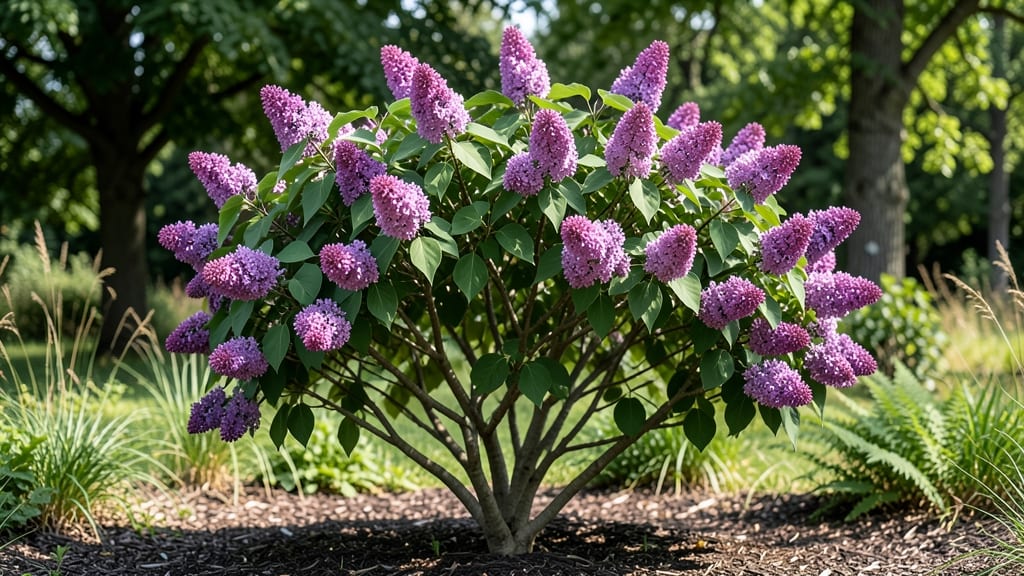
The lilac tree purple you adore isn’t just a fleeting spring bloom—it’s a statement piece that thrives with the right cuts. I’ve pruned mine for years, and the secret to longer, healthier blooms lies in timing and technique, not brute force.
That first snip in late winter transforms a tangle of branches into a fragrant, flowering masterpiece by spring.
Most gardeners overthink lilac pruning, but it’s simpler than you’d expect. Grab your shears after the last frost but before buds swell—this 30-minute session in early March keeps your tree from getting leggy while maximizing next year’s flowers. The key?
Cutting just above a bud that faces outward, never more than a third of the plant at once. My ‘Miss Kim’ lilac—a compact purple variety—now bursts with blooms every year because I treat it like a sculpture, not a shrub.
What you’ll end up with is a tree that smells like childhood memories and looks like a painted masterpiece. Those vibrant purple blooms last longer, the fragrance intensifies, and the shape stays lush and full.
Pair it with lavender for a cottage garden dream or contrast it with silver foliage for a modern look—either way, your yard becomes the envy of the neighborhood.
Works for any lilac variety, from towering standards to dwarf bushes, and adapts to borders, hedges, or as a standalone focal point. The same principles apply whether you’re shaping a ‘Katherine Havemeyer’ or a ‘Bloomerang’—just adjust the shears to the size. Let’s get those branches looking intentional!
📚 In This Guide
- What you need
- Instructions
- Tips and common mistakes
- Wrapping up and next steps
What you need
- ● Pruning shears: Sharp, bypass-style shears (for small branches). Size: 6–8 inches (15–20 cm).
- ● Loppers: For thicker branches (1–2 inches / 2.5–5 cm in diameter). Quantity: 1 pair.
- ● Pruning saw: For branches thicker than 2 inches (5 cm). Type: Curved-tooth for clean cuts.
- ○ Disinfectant: Rubbing alcohol (70%+) or a commercial pruning sealant (optional but recommended).
- ● Gloves: Heavy-duty, cut-resistant gloves (to protect from thorns and sap).
- ● Ladder: Sturdy, extendable ladder (if tree exceeds 6 feet / 1.8 meters). Safety: Non-slip feet!
- ● Trash bags: Heavy-duty (for collecting pruned branches). Quantity: 2–3 bags.
- ● Hand pruners: Compact shears for precision trimming (great for tight spaces).
- ● Pruning paint/sealant: To coat large cuts (reduces disease risk). Color: Match your tree’s bark.
- ● Work apron: With pockets to hold small tools and gloves.
- ● Safety glasses: Protect your eyes from debris (especially when using a saw).
- ● Notebook/pencil: To jot down notes on cuts or tree shape adjustments.
How to prune lilac trees for abundant purple blooms
Here's my go-to method for keeping your lilacs flowering like crazy year after year.
Time Your Pruning for Maximum Impact
Prune lilacs immediately after they finish blooming—never cut back in fall or winter. This timing ensures you don’t remove next year’s flower buds, which form on old wood. Watch for when about 75% of the blooms have dropped (usually 4-6 weeks after peak flowering). If you prune too early, you risk cutting off next season’s flowers.
I always mark my calendar right after the purple blooms fade completely. Lilacs bloom on last year’s growth, so waiting until after flowering gives those buds time to develop properly. If you miss this window, you’ll end up with fewer flowers next spring.
Remove Dead, Diseased, or Weak Wood First
Start by inspecting the tree for any dead, diseased, or crossing branches. Use clean, sharp pruning shears to cut these out first—this improves airflow and prevents future problems. Look for branches that are brown, brittle, or covered in mildew—these need to go.
Next, remove any branches that rub against each other (called "water sprouts" or "suckers"). These compete for energy and can weaken the tree. Cut them back to the main stem at a 45-degree angle, just above a healthy bud. This ensures the wound heals cleanly and doesn’t invite pests.
Shape the Tree by Thinning Out Older Growth
Lilacs naturally produce long, woody stems. To encourage bushier growth and more flowers, remove about one-third of the oldest, thickest stems at ground level. These stems are usually 3-5 years old and produce fewer blooms than younger wood.
Focus on thinning from the inside of the tree first. This opens up the center, allowing sunlight and air to reach all parts of the plant. If you cut too aggressively, you’ll shock the tree—stick to no more than 25% of the total branches in one season.
Lightly Trim for Bushier Growth (Optional)
For a fuller, more compact shape, you can lightly trim the tips of the remaining branches. Cut back 1-2 inches from the tips of the longest stems to encourage branching. This step is optional but helps keep lilacs from getting too leggy over time.
Never cut into old wood—always prune just above a healthy outward-facing bud. If you’re unsure which buds are alive, gently scratch the bark with your fingernail. Live buds will have a greenish layer beneath, while dead ones will be brown and dry.
Clean Up and Monitor for Recovery
After pruning, rake up all the clippings and dispose of them properly—never leave them on the ground, as they can harbor diseases. Water the tree deeply to help it recover, especially if you’ve made large cuts. Lilacs are tough, but they’ll thank you with more vibrant purple blooms next season.
Keep an eye on the tree over the next few weeks. If new growth appears within 2-3 weeks, you’ve pruned successfully. If the tree looks stressed (yellowing leaves, wilting), it may need more time to recover—give it a little extra care until spring.
Tips & tricks for perfect lilac pruning
Here's what I've learned after years of pruning my own lilacs—these little details make all the difference for those showstopping purple blooms.
Timing is Everything: That 4-6 week window after peak flowering is your golden opportunity. I can't stress enough how critical this is—lilacs bloom on old wood, so cutting too early means you're pruning away next year's flowers. Mark your calendar the moment those last purple petals fall, and set a reminder for exactly 4-6 weeks later. Missing this window means fewer blooms next spring, and nobody wants that.
Healthy Buds Are Your Secret Weapon: When you're making those cuts in Step 4, always look for outward-facing buds just above where you're cutting. These are your future blooms! Gently scratch the bark to check for green beneath—this means the bud is alive and ready to grow. If you cut into old, brown wood, you're essentially pruning away potential flowers. Think of it like planting seeds—you're creating the framework for next year's show.
Don't Overdo the Thinning: That one-third rule in Step 3 is non-negotiable for first-timers. I've seen people cut back half their tree thinking they're helping, but that's how you shock the plant. Remember, lilacs are tough but not indestructible—stick to removing no more than 25% of branches in a single season. Focus on the oldest, thickest stems first, then work your way inward to open up that center canopy. This lets sunlight reach all parts of the tree, which means more buds forming for next year's blooms.
Clean Cuts Prevent Future Problems: Always make your cuts at a 45-degree angle just above a healthy bud. This isn't just about looks—proper cuts heal faster and reduce the risk of disease entering the tree. I've seen too many people make jagged cuts that leave the tree vulnerable. Take your time with this step, especially when removing those water sprouts. A little extra care now means fewer problems later, and that's time you'll thank yourself for not spending next spring dealing with mildew or pests.
Pro Tips for Lilac Tree Purple
- Here's what I've learned after years of pruning my own lilacs—these little details make all the difference for those showstopping purple blooms.
- Timing is Everything: That 4-6 week window after peak flowering is your golden opportunity.
- Healthy Buds Are Your Secret Weapon: When you're making those cuts in Step 4, always look for outward-facing buds just above where you're cutting.
Frequently asked questions
When is the best time to prune a lilac tree for purple flowers?
Prune your lilac tree right after flowering (late spring to early summer). This ensures blooms form on new wood for next year. Avoid pruning in fall or winter—it can damage buds or invite pests. Pro tip: Never cut back more than 1/3 of the tree in one season!
Why aren’t my lilac flowers purple anymore?
Over-pruning, old wood, or poor nutrition can dull colors. Lilacs fade to lighter hues (like pink or white) when they’re stressed. Fix it: Feed with a balanced fertilizer in early spring and prune correctly. If the tree is over 10 years old, rejuvenation pruning may restore vibrancy!
Can I prune a lilac tree in fall or winter?
No—fall/winter pruning risks dieback or bud loss. Lilacs bloom on old wood, so cutting back now removes next year’s flowers. Wait until after blooms drop (May-June in most climates). Exception: Light shaping is okay in late winter if needed, but avoid heavy cuts.
How do I revive a lilac tree with no purple flowers?
Start with rejuvenation pruning: Cut all stems back to 6–12 inches from the ground in early spring. This forces new growth and flower buds. Pair with regular watering and a phosphorus-rich fertilizer (like 10-10-10) to encourage blooms. Patience is key—it may take a season or two to rebound!
Are there purple lilac alternatives if mine won’t bloom?
Yes! Try these low-maintenance purple-blooming shrubs:
- Butterfly Bush (Buddleia) – Fragrant, drought-tolerant, attracts pollinators.
- Weigela – Vibrant pink/purple flowers, easy to prune.
- Crapemyrtle – Loves heat, blooms late summer.
- Dwarf Lilac (e.g., ‘Miss Kim’) – Compact, purple blooms, minimal pruning.
Wrapping up and next steps
Your lilac tree purple beauty is ready to thrive!
By mastering the art of strategic pruning—timing, technique, and tool care—you’ve set the stage for longer, healthier blooms and a stronger tree for years to come. 🌸 Whether you’re a seasoned gardener or just starting, every precise cut brings you closer to that perfect, fragrant display.
Now’s the perfect time to take action! Grab your pruners, mark your calendar for late winter or early spring, and give your lilac the care it deserves. Watch it reward you with vibrant purple blooms that’ll make your garden the talk of the neighborhood. Happy pruning! ✂️💜