
Pruning
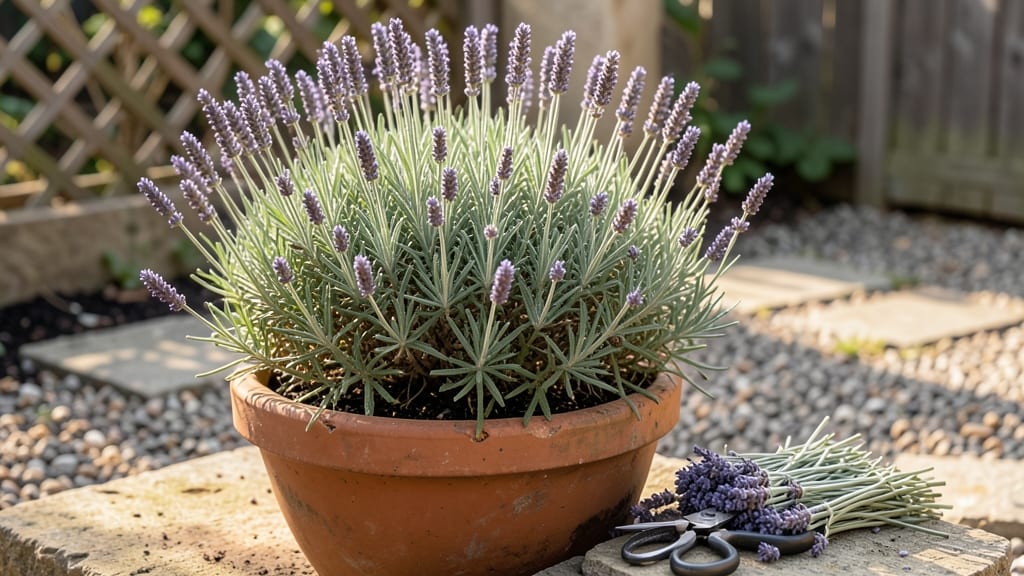
Pruning lavender trees isn’t just about shaping—it’s about unlocking that signature fragrance and keeping your plant thriving year after year. 🌿 I’ve learned the hard way that skipping this step means woody stems, fewer blooms, and a plant that looks more like a shrub than the elegant tree you planted.
The secret lies in timing, technique, and knowing exactly where to cut.
You’ll need just a few tools: sharp bypass pruners for clean cuts, gloves to protect from those sharp stems, and a small bucket to collect clippings (they make great potpourri!).
The best time to prune is right after blooming, but light shaping can happen anytime—just avoid heavy cuts in late summer or fall, when new growth won’t harden off before winter. Most lavender trees reward you with dense, fragrant blooms when pruned correctly.
Start by removing any dead or crossing branches first—they’re the easiest to spot and make the biggest difference. Then, shape the tree by cutting just above a set of healthy leaves or buds, never leaving stubs.
This encourages fresh growth and keeps the tree’s natural silhouette. The goal is to create airflow so moisture doesn’t linger, which prevents those dreaded fungal issues that turn leaves brown.
Here’s the kicker: lavender trees actually bloom better when pruned regularly, not less. My tree now produces twice as many fragrant spikes as it did before I learned this trick.
And the best part? Those clippings dry beautifully for sachets or homemade lavender wreaths. Ready to transform your lavender tree into a fragrant, show-stopping centerpiece?
📚 In This Guide
- What you need
- Instructions
- Tips and common mistakes
- Wrapping up and next steps
What you need
- ● Sharp bypass pruners – High-quality, clean-cutting pruners (e.g., Felco or Fiskars) for branches up to ½ inch thick.
- ● Loppers – For thicker branches (½–1½ inches), with a long handle for leverage (e.g., Corona or Bahco).
- ● Hand saw – Pruning saw with a fine-toothed blade for branches over 1½ inches in diameter.
- ● Gloves – Heavy-duty gardening gloves (e.g., Mechanix or Dr. McGill’s) to protect against thorns and rough bark.
- ● Disinfectant (70% isopropyl alcohol or bleach solution) – To sterilize tools between cuts and prevent disease spread.
- ○ Pruning sealant (optional but recommended) – For larger cuts (e.g., Tanglefoot Tree Wound Pruning Seal) to minimize sap loss.
- ● Bucket or trash bag – For collecting pruned branches and debris.
- ● Ladder or step stool – If your lavender tree is tall (6+ feet), use a stable, non-slip ladder.
- ● Hose with nozzle – To clean tools and rinse off sap after pruning.
- ● Rag or paper towels – For wiping down tools and hands during cleanup.
- ● Marking twine or spray paint – If you’re doing structured pruning (e.g., topiary shapes).
- ● Safety glasses – To protect your eyes from debris, especially when sawing.
- ● Compost bin or mulch – To repurpose small prunings as nutrient-rich compost.
Step-by-Step guide for pruning your lavender tree
Here's how to keep your fragrant lavender tree lush and thriving all year.
✂️ Step 1: Prune After Flowering for Best Results
Timing matters most with lavender. Wait until after the blooms fade—usually late summer to early fall—to prune. This ensures you don't cut off next year's flower buds, which form on old wood. I like to prune in September when the flowers have turned brown but before new growth starts.
Use clean, sharp pruners to make cuts just above a set of leaves or a leaf node. Avoid cutting into bare stems—this prevents dead wood and encourages bushier growth. If you prune too late in the season, new growth may not harden off before winter chill.
✂️ Step 2: Shape and Thin for Airflow
Start by removing any dead, damaged, or crossing branches first. These compete for energy and can harbor pests. I work from the inside out, cutting back about ⅓ of the oldest stems to encourage fresh growth from the base. This keeps the tree compact and prevents woody centers.
For shaping, focus on opening up the center to improve airflow—lavender hates humidity trapped in dense foliage. Step back occasionally to check your work; the goal is a rounded, natural shape, not a geometric hedge. Avoid cutting more than ⅓ of the plant's total foliage in one session.
⏰ Step 3: Light Pruning in Spring for Renewal
In early spring, give your lavender tree a light trim to remove any winter-damaged tips or straggly growth. This is more about tidying than heavy pruning. Look for brown, brittle stems—these should be cut back to healthy green wood. Spring pruning also removes any lingering dead flowers from last season.
This is also the time to check for new shoots at the base. If you see vigorous growth emerging from the ground, let it be—these will help thicken the tree over time. Avoid heavy pruning in spring, as lavender needs its energy to establish new buds for summer blooms.
☀️ Step 4: Maintain Year-Round with Minimal Trims
Throughout the year, remove spent flowers as they fade to encourage more blooms. This isn't heavy pruning—just a quick pinch of deadheading with your fingers or small pruners. It keeps the tree looking tidy and prevents seed formation, which drains energy.
In winter, if your lavender tree is in a mild climate, you can do a very light shape-up to remove any frost-damaged tips. But resist the urge to prune heavily—lavender is dormant in winter and needs its structure intact for spring regrowth. A quick sweep with pruners to clean up is all you need.
Tips & tricks for perfect lavender tree pruning
Confession: I skipped the seasonal timing for years and wondered why my lavender never bloomed properly. Here’s what I learned the hard way about keeping your fragrant beauty thriving.
Timing is Everything: That September pruning window in Step 1 is critical—don’t rush it! If you prune too early, you risk cutting off next year’s buds. Look for flowers that have fully browned and crisped before you cut. I mark my calendar because lavender doesn’t give second chances—miss this timing, and you’ll have sparse blooms next summer.
The ⅓ Rule: When shaping in Step 2, remember the "⅓ rule" twice: cut back about ⅓ of the oldest stems to encourage new growth, and never remove more than ⅓ of the foliage in one session. This prevents shock and keeps your lavender healthy. I learned this after over-pruning one summer and nearly losing a plant—now I measure carefully before I cut.
Tool Prep Matters: Before you start, sterilize your pruners with rubbing alcohol or a flame to prevent spreading disease between cuts. Sharp tools make cleaner cuts that heal faster. I keep a small bottle of alcohol handy specifically for this—it’s a game-changer for plant health.
Pro Tips for Lavender Tree Pruning
- Confession: I skipped the seasonal timing for years and wondered why my lavender never bloomed properly.
- Timing is Everything: That September pruning window in Step 1 is critical—don’t rush it!
- The ⅓ Rule: When shaping in Step 2, remember the "⅓ rule" twice: cut back about ⅓ of the oldest stems to encourage new growth, and never remove more than ⅓ of the foliage in one session.
Frequently asked questions
Got questions about keeping your lavender tree lush and fragrant? Here are some of the most common concerns—plus expert answers to help you prune like a pro!
When is the best time to prune a lavender tree?
The ideal time to prune is late winter or early spring, just before new growth begins. Avoid pruning in fall or summer, as this can stress the plant or encourage tender new growth that may not survive winter. Pro tip: If you must prune later, do it in early summer—just don’t cut into old wood, or you risk killing the branch!
How much can I trim back a lavender tree without harming it?
Lavender trees are resilient, but never remove more than 1/3 of the plant in a single pruning session. For mature trees, aim to trim back 1/3 of the oldest growth to encourage new, bushier growth. Over-pruning can lead to woody, leggy stems or even death—so always err on the side of caution!
What if my lavender tree doesn’t bloom after pruning?
If your lavender skips blooming, it’s often due to over-pruning, poor nutrition, or wrong timing. Check these fixes:
- Prune at the right time (late winter/early spring).
- Fertilize lightly with low-nitrogen, phosphorus-rich fertilizer in early spring.
- Avoid heavy pruning—stick to shaping and deadheading spent blooms.
- Ensure full sun (6+ hours daily) and well-draining soil.
If the issue persists, your tree may need rejuvenation pruning—cut back 1/3 of the oldest stems to stimulate new growth.
Can I prune a lavender tree in containers differently?
Container-grown lavender trees follow the same pruning rules, but size matters. Since they’re root-bound, prune more conservatively—focus on shaping and deadheading rather than heavy cuts. After pruning, refresh the soil or repot if roots are circling. Pro tip: Use well-draining cactus/succulent mix to prevent root rot!
What should I do if my lavender tree looks leggy or sparse?
Leggy or sparse lavender often signals over-pruning, poor light, or age. Try this:
- Rejuvenate with a hard prune—cut back 1/3 of the oldest stems to the base in late winter.
- Move to sunnier spot (lavender needs 6+ hours of direct sun).
- Fertilize lightly with a balanced, low-nitrogen formula.
- Check for pests (aphids, spider mites)—treat with neem oil if needed.
With patience, your lavender should bounce back with new, bushy growth!
Wrapping up and next steps
Pruning your lavender tree isn’t just about keeping it tidy—it’s the secret to unlocking its full potential for beauty, fragrance, and long-term health. 🌿 By mastering the art of seasonal trimming, you’ll encourage lush growth, vibrant blooms, and that signature lavender scent year after year.
Whether you’re a pruning pro or a beginner, taking these steps will transform your garden into a fragrant, picturesque retreat.
Ready to see the difference? Grab your tools and get started today! For extra inspiration, check out our lavender care guide to keep your tree thriving all season long.