
Pruning
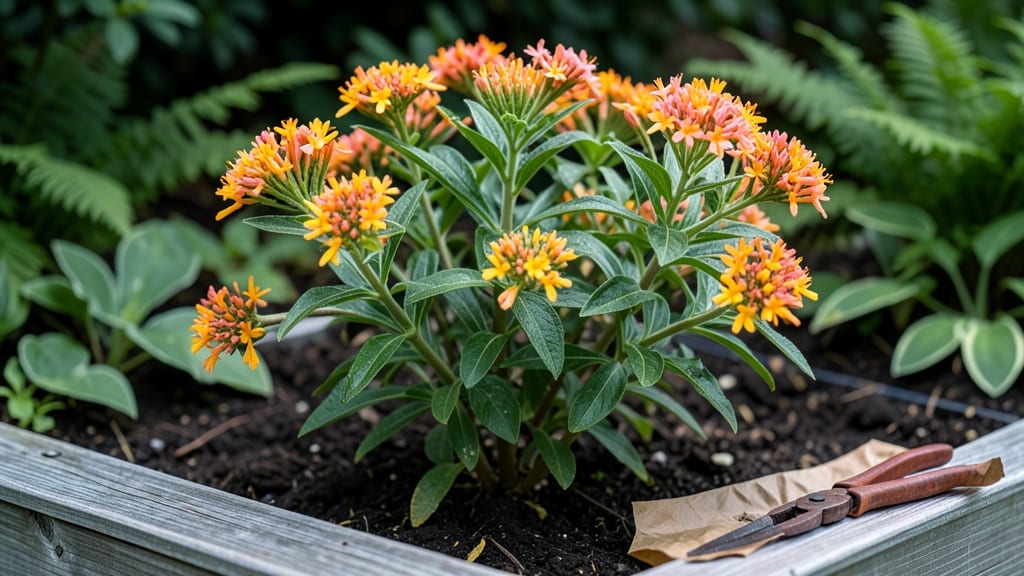
Lantana's natural tree form isn't what you'd expect—it starts as a woody shrub but can be trained into a small tree with the right pruning. I’ve turned my wild, leggy lantana into a bushier, blooming powerhouse by cutting back strategically, and the difference is stunning.
The key? Understanding its growth habits and when to prune for maximum impact.
Most lantana varieties grow 3-6 feet tall and wide, with upright stems that can be shaped into a tree-like silhouette. Varieties like ‘New Gold’ or ‘Bandana Series’ respond well to pruning, while trailing types (like ‘Lantana montevidensis’) need a different approach.
Start by removing dead or overcrowded branches in early spring—this encourages new growth and keeps the plant compact.
After pruning, your lantana will reward you with longer blooms and a fuller shape. The flowers cluster at the tips of new growth, so cutting back encourages more branches to sprout.
Just remember: lantana thrives in full sun, well-draining soil, and minimal water—overwatering is the fastest way to kill its natural resilience.
For a tree form, focus on a single central stem and prune lower branches to create a trunk. Repeat pruning every 4-6 weeks during the growing season to maintain the shape.
Whether you want a bushy border or a small tree, this method works—just be patient, and your lantana will deliver nonstop color all season.
📚 In This Guide
- What you need
- Instructions
- Tips and common mistakes
- Wrapping up and next steps
What you need
- ● Pruning shears: Sharp, bypass-style shears (for clean cuts on stems up to ½ inch thick). Pro tip: Disinfect with rubbing alcohol before and after use to prevent disease spread! 💡
- ● Loppers: 1 pair (for thicker branches, ¾–1½ inches in diameter). Look for ergonomic handles for comfort.
- ● Pruning saw: 1 small handsaw (for stubborn, woody branches over 1½ inches thick). A bow saw or pruning saw with a fine-tooth blade works best.
- ● Garden gloves: 1 pair of durable, cut-resistant gloves (e.g., mechanized or heavy-duty leather) to protect your hands from thorns and sap.
- ○ Disinfectant: Rubbing alcohol (70% isopropyl) or a pruning sealant (optional but recommended for large cuts).
- ● Garden twine or zip ties: 1 roll (for temporarily securing branches during shaping).
- ● Water spray bottle: 1 small bottle (to mist cuts and encourage faster healing).
- ● Hand pruners with a crimping tool: For sealing larger cuts without sealant.
- ● Ladder or step stool: If your lantana is tall (6+ feet), ensure it’s stable and non-slip.
- ● Plant food or fertilizer: A balanced 10-10-10 or slow-release granular fertilizer to boost post-pruning growth.
- ● Mulch: Shredded bark or wood chips (to retain moisture and protect roots after pruning).
- ● Camera or phone: To document your lantana’s transformation before/after! 📸
Instructions for crafting a lantana tree form through strategic pruning
Pruning lantana for a tree-like shape isn’t just about cutting—it’s about sculpting growth patterns. Here’s how to encourage that graceful, multi-branched structure while maximizing blooms.
Identify the Central Leader and Remove Competing Stems
Start by selecting the strongest, straightest vertical stem to serve as your tree’s trunk. This is your central leader, and it should be at least 12–18 inches tall before you begin shaping. Use sharp bypass pruners to cut away any competing vertical stems at their base—these are the ones growing from the same root system but competing for dominance.
Here’s the thing—lantana naturally grows bushy, but without intervention, it’ll send up multiple leaders. You’ll see these as thinner, upright shoots emerging near the base. Remove them completely; they’ll only create a multi-trunked shrub rather than a single-trunk tree form. If you hesitate, the plant will keep producing new leaders, and your tree shape will stay elusive.
Prune Lower Branches to Elevate the Canopy
Once your central leader is established, focus on the lower branches. Remove all lateral branches within the first 12–18 inches of the trunk. This forces the plant to redirect energy upward, thickening the trunk and elevating the foliage canopy. Use clean cuts just above a leaf node or bud to encourage new growth in the right direction.
Watch for suckers—these are aggressive new shoots that pop up at the base. They’re a sign your lantana is trying to revert to its natural shrub form. Snip them off immediately; they’ll drain energy from your central leader. After pruning, step back and visualize the future shape—you should see a clear, unobstructed trunk leading to a dense canopy of branches.
Encourage Horizontal Branching for a Full Canopy
To create a lush, tree-like canopy, you’ll need to train the upper branches to grow outward. Once your central leader reaches 24–36 inches, select 3–5 strong lateral branches near the top. These will become your primary scaffold branches. Use your fingers or a small pruning tool to gently bend these branches outward at a 45-degree angle—this mimics natural wind stress and encourages horizontal growth.
After bending, secure each branch with a soft plant tie (like a piece of twine or a rubber band) to hold it in place. Over time, these branches will thicken and spread, forming the foundation of your tree’s canopy. Avoid over-pruning here—you want to maintain leafy growth to fuel blooms. If a branch looks weak, leave it alone; it’ll either recover or be replaced by stronger growth later.
Maintain Shape with Seasonal Pruning
Lantana’s growth is prolific, so regular maintenance is key. In early spring, before new growth begins, trim back any branches that grew too long or crowded the center. Cut just above a leaf node to encourage bushier regrowth. This is also the time to remove any dead, diseased, or crossing branches—these weaken the plant and disrupt airflow, which can lead to fungal issues.
Throughout the growing season, keep an eye on the shape. If the central leader outpaces the canopy, prune it back slightly to balance the tree form. You’ll notice lantana blooms more heavily on new wood, so a little strategic pruning in late summer (after the first flush of flowers) will encourage a second, even more abundant bloom cycle. Just avoid heavy pruning in fall—you want the plant to harden off for winter.
Thin Out Dense Areas for Airflow and Light Penetration
As your lantana matures, some branches will grow inward, creating a dense center. This isn’t just an aesthetic issue—it traps moisture and invites pests. Use your pruners to thin out 10–20% of the innermost branches, cutting them back to a stronger lateral branch or the trunk. This opens up the center, allowing light and air to circulate and reducing the risk of mildew.
Here’s where patience pays off: after thinning, you might see a temporary drop in blooms as the plant redirects energy. But within 4–6 weeks, you’ll notice new, vigorous growth emerging from the pruned areas—this is your reward for creating a healthier, more open structure. The result? A lantana tree form that’s not only stunning but also more productive and resilient.
Tips & tricks for perfect lantana tree form
Transforming lantana into a tree form takes patience and precision—but these insider tricks will help you avoid common pitfalls and achieve that elegant structure faster. Here's what nobody tells you about sculpting lantana like a pro.
Pruning Timing Matters: Early spring is your best window for shaping, but don't wait until summer—lantana grows aggressively then, and your pruning will be fighting against that momentum. I've seen gardeners wait until late spring and end up with a bushier shape instead of the tree form they wanted. If you miss early spring, late summer (after the first bloom) is your second-best option, but expect slightly slower recovery.
Tool Selection is Critical: Never use dull pruners—they crush stems instead of making clean cuts, which invites disease. I always use sharp bypass pruners for the central leader and shears for thicker branches. For the 45-degree angle bends in Step 3, a small pruning saw works best for thicker branches, while your fingers or a soft rubber mallet will suffice for thinner ones. Clean your tools with rubbing alcohol between cuts to prevent spreading any potential pathogens.
Visualizing the Future Shape: Before making any cuts, step back and look at your lantana from all angles. Imagine your central leader extending upward, with 3-5 scaffold branches radiating outward like spokes. This mental exercise helps you see where to prune for balance. I draw a quick sketch on paper sometimes—it sounds silly, but it prevents over-pruning. The key is to create a natural-looking taper where the trunk is thicker at the base and branches get progressively thinner outward.
Recovery Period Insight: After thinning dense areas in Step 5, the plant will redirect energy to new growth—but this takes time. The 4-6 week estimate assumes ideal conditions: full sun, well-draining soil, and consistent moisture. If your lantana is struggling with poor soil or drought, extend this period to 8-10 weeks. Watch for new shoots at the pruning cuts; these are your plant's way of telling you it's recovering and ready for the next growth cycle.
Pro Tips for Lantana Tree Form
- Transforming lantana into a tree form takes patience and precision—but these insider tricks will help you avoid common pitfalls and achieve that elegant structure faster.
- Pruning Timing Matters: Early spring is your best window for shaping, but don't wait until summer—lantana grows aggressively then, and your pruning will be fighting against that momentum.
- Tool Selection is Critical: Never use dull pruners—they crush stems instead of making clean cuts, which invites disease.
Frequently asked questions
Got questions about shaping your lantana tree form for that perfect bloom? Here are some of the most common queries—and their answers—to help you prune like a pro!
When is the best time to prune lantana for bushier growth?
The ideal time to prune lantana is late winter or early spring, just before new growth begins. Avoid heavy pruning in fall, as it can stimulate tender new shoots vulnerable to cold. For continuous blooms, light trimming after each flush of flowers (every 6–8 weeks) keeps it lush and encourages more blossoms.
How do I prune lantana to encourage a more compact, shrub-like form?
To shape lantana into a dense shrub, cut back one-third of the oldest stems to the ground in late winter. Then, throughout the growing season, trim leggy branches just above a leaf node (where new growth emerges). Pinching back tips occasionally also promotes bushier growth. Pro tip: Use sharp bypass pruners for clean cuts!
Why does my lantana stop blooming after pruning?
Lantana blooms on new wood, so over-pruning too late in the season (after summer) can reduce flowers. If blooms drop off, check for three common culprits:
- Pruning too late (cut back by mid-summer at the latest).
- Underwatering—lantana needs 1–1.5 inches of water weekly.
- Too much shade—lantana thrives in full sun (6+ hours/day).
Can I grow lantana in containers? How does pruning differ?
Lantana thrives in containers but needs more frequent pruning—trim every 4–6 weeks to control size and shape. Use well-draining soil and repot every 2–3 years. For container lantana, focus on:
Yes, lantana berries are toxic to pets and humans if ingested (can cause vomiting/diarrhea). While the leaves/stems aren’t highly toxic, wear gloves if you’re sensitive to sap or handling large quantities. Always supervise pets/kids around the plant. Prune safely, then dispose of clippings in sealed bags—don’t compost!
Dwarf varieties (like ‘Bandana Series’) are perfect for pots!
Is lantana toxic? Should I wear gloves when pruning?
Wrapping up and next steps
Mastering the lantana tree form through strategic pruning unlocks a cascade of vibrant blooms and a fuller, healthier plant! 🌸 With the right tools, timing, and techniques—like deadheading, shaping, and seasonal trims—you’ll transform your lantana into a year-round flowering powerhouse. Start small, stay consistent, and watch your garden shine.
Ready to level up your pruning game? Grab your shears and give it a try today—your lantana (and pollinators!) will thank you. 🌿