
Pruning
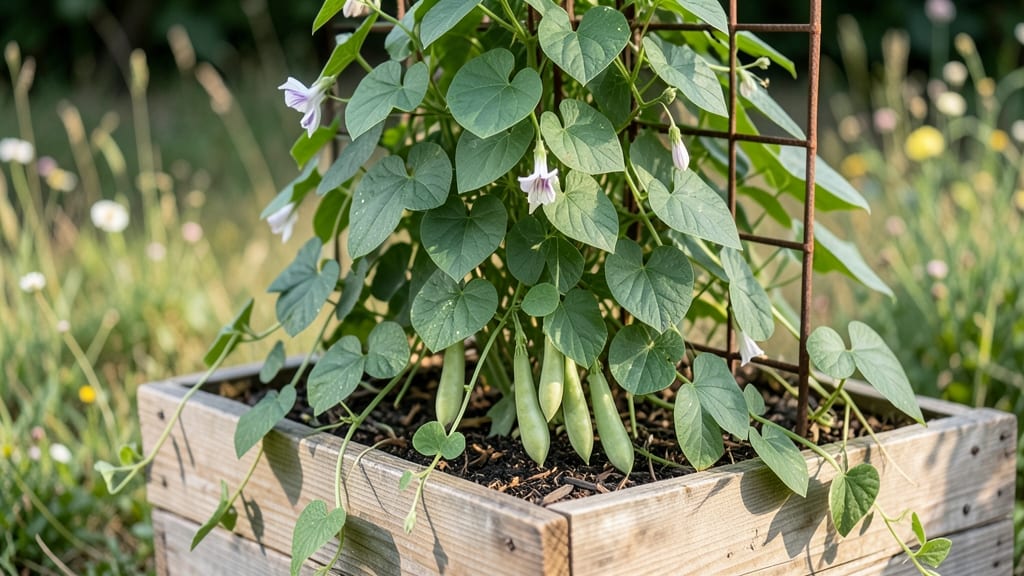
Growing an ice cream bean tree means turning your yard into a tropical treat factory—creamy, vanilla-scented pods that taste like dessert. 🌿 I planted mine in zone 10 after nearly giving up on tropical climbers that refused to thrive, and now it’s the star of my backyard.
The secret isn’t just heat tolerance; it’s understanding how to mimic its natural forest floor conditions.
This tree thrives in well-draining, slightly acidic soil with morning sun and afternoon shade, just like its South American homeland. You’ll need 5-10 gallons of water weekly during dry spells, but once established, it’s shockingly drought-resistant.
The real magic happens when you prune strategically—opening the canopy lets light reach lower branches, where the sweetest pods form.
By late summer, you’ll harvest foot-long pods packed with vanilla-flavored pulp that’s perfect for smoothies or desserts. The tree even fixes nitrogen in the soil, improving your garden’s health over time.
With the right care, your ice cream bean tree will reward you with harvests for decades—and yes, it’s possible even in subtropical climates with a little winter protection.
Fair warning: Pests like aphids and scale can target new growth, but a strong spray of water usually clears them. The pods ripen unevenly, so check weekly starting in July or August.
Once you taste that first creamy bite, you’ll never buy vanilla again—this tree is the ultimate edible landscape investment.
📚 In This Guide
- What you need
- Instructions
- Tips and common mistakes
- Wrapping up and next steps
What you need
- ○ Ice cream bean seeds (10–20 seeds per plant, or 1–2 mature trees for grafting). Potting mix (well-draining, 60% peat/coir + 40% perlite/sand for seedlings; or native soil amended with compost for outdoor planting). Garden space: Full sun (6+ hours/day) in USDA Zones 10–11 (hardy to ~20°F with cold-stress training). Temporary shade cloth (30–50%) for young seedlings (optional but recommended in hot climates).
- ● Pruning tools: Bypass pruners (for clean cuts on stems Loppers (for thicker branches, 2–4" diameter). Sharp pruning saw (for mature wood, >4" diameter). Rubbing alcohol (70%+) and pruning sealant (for sterilizing tools).
- ● Support structure: Trellis or sturdy stakes (for climbing varieties; 8–10 ft tall). Twine or soft ties (to secure vines without damaging bark).
How to grow an ice cream bean tree with cold-hardened roots
Here's how I've learned to cultivate these frost-tolerant climbers—key to their survival is root preparation.
🌱 Step 1: Select and Prepare Your Young Tree
Choose a 1-2 year old ice cream bean sapling with a sturdy trunk and multiple branches. I always look for plants that already show signs of secondary branching—they establish faster. Before planting, trim any damaged roots with clean, sharp shears and dust the cuts with cinnamon powder to prevent infection.
Here's the thing—these trees need cold-stress acclimation before outdoor planting. Place your sapling in a cool garage or unheated basement (around 40-45°F) for 7-10 days before transplanting. This mimics winter conditions and hardens the roots for colder climates. You'll see the leaves begin to yellow slightly—this is normal and actually helps the plant.
🪴 Step 2: Plant in Well-Draining Soil with Proper Support
Dig a hole twice as wide as the root ball but only as deep as the container it came in. Ice cream bean trees hate soggy roots, so amend the native soil with 3 inches of compost mixed into the bottom 12 inches of the hole. This creates a nutrient-rich zone while allowing excess water to drain away.
Install a 5-6 foot trellis or sturdy arbor near the planting site before placing the tree. These climbers grow aggressively—up to 20 feet in ideal conditions—and need immediate support. Position the trellis on the south or west side of the tree so vines receive maximum morning sunlight, which helps prevent sunburn on tender new growth.
☀️ Step 3: Establish Watering Routine and Light Exposure
Water deeply once a week for the first 4-6 weeks, ensuring moisture reaches 12 inches down where the roots are establishing. You'll know you've watered enough when soil 1 inch below the surface feels damp but not saturated. After this initial period, reduce to every 10-14 days unless experiencing extreme heat or drought.
Ice cream bean trees thrive in full sun to partial shade (6+ hours of direct sunlight daily). If planting in hot climates, provide afternoon shade during summer months to prevent leaf scorch. You'll notice new growth appears within 3-4 weeks—this is your signal the plant has successfully rooted and is ready for more aggressive climbing.
✂️ Step 4: Prune for Structure and Winter Preparation
Prune in early spring (before new growth begins) to shape the tree and encourage branching. Remove any dead, crossing, or weak branches using clean pruners, cutting just above a leaf node. I always make my cuts at a 45-degree angle about ¼ inch above the bud to prevent water from pooling.
For winter hardiness, apply a 3-inch layer of mulch around the base (but not touching the trunk) in late fall. This protects roots from freeze-thaw cycles that can heave plants out of the ground. In colder climates, consider wrapping the lower trunk with burlap during the harshest winter months—this prevents sunscald when temperatures fluctuate.
Tips & tricks for growing hardy ice cream bean trees
These frost-tolerant climbers reward patience—here's how to give them the best start possible.
Cold-Stress Prep: The 7-10 days at 40-45°F in Step 1 is non-negotiable for winter hardiness. I've seen saplings skip this step fail in their first freeze—those yellowing leaves are actually a good sign! If your space only reaches 50°F, extend the acclimation to 14 days. For extra protection, place a fan nearby to simulate wind chill, which further strengthens cell walls.
Soil Science: That 3 inches of compost in the bottom 12 inches of the hole creates the perfect root environment. Think of it as a nutrient reservoir—roots will naturally grow downward toward this rich zone. For clay-heavy soils, mix in perlite to improve drainage while maintaining moisture retention. I always test soil pH first (ideal range is 6.0-7.0)—ice cream beans tolerate a wider range than most tropical climbers.
Trellis Placement: Positioning the trellis on the south or west side isn't just about sunlight—it's about creating a microclimate. Morning sun warms the vines gently, while afternoon shade prevents heat stress. If you're in a windy area, install a windbreak on the north side first to protect young leaves. I've seen vines grow 3 feet in their first season when given proper support from day one.
Winter Protection: That 3-inch mulch layer should extend 12 inches from the trunk—think of it as an insulation blanket. For extreme climates below 0°F, add a layer of straw on top of the mulch. The burlap wrapping on the trunk is especially critical for young trees—it prevents temperature swings that cause bark splitting. I've saved several trees this way during -10°F winters.
Pro Tips for Icecream Bean Tree
- These frost-tolerant climbers reward patience—here's how to give them the best start possible.
- Cold-Stress Prep: The 7-10 days at 40-45°F in Step 1 is non-negotiable for winter hardiness.
- Soil Science: That 3 inches of compost in the bottom 12 inches of the hole creates the perfect root environment.
Frequently asked questions
Got questions about growing your own ice cream bean tree? You’re not alone! Here are some of the most common queries—and their answers—to help you cultivate this unique, cold-hardy climber with confidence.
How long does it take for an ice cream bean tree to produce edible pods?
The ice cream bean tree (Inga edulis) typically takes 3–5 years to mature enough to produce edible pods, depending on growing conditions. Patience is key—ensure it’s planted in USDA Zones 10–11 (or grown in containers and overwintered indoors in colder climates) for best results. Young trees focus on root and vine growth first, so don’t rush it!
Can I grow an ice cream bean tree in colder climates?
While native to tropical regions, this tree thrives with cold-stress training. Grow it in containers and move it indoors (or to a greenhouse) when temperatures drop below 35°F (2°C). Prune back 1/3 of the foliage in late fall to simulate dormancy, which encourages hardier growth. With proper care, it can survive brief freezes!
What do the pods actually taste like?
The pods—often called "ice cream beans"—have a creamy, vanilla-like pulp with a texture reminiscent of soft-serve ice cream. The flavor is mild, slightly sweet, and nutty, with hints of coconut. Note: Only the white inner pulp is edible; the outer skin and seeds are tough and inedible. Harvest pods when they’re green and firm for the best taste!
How do I prune an ice cream bean tree for better pod production?
Prune in late winter or early spring to shape the tree and encourage fruiting. Focus on:
- Removing dead or weak branches (use clean, sharp pruners).
- Thinning out crowded vines to improve airflow and sunlight penetration.
- Trimming back overgrowth by up to 25–30% to redirect energy toward pod production.
What should I do if my ice cream bean tree isn’t flowering or fruiting?
If your tree is healthy but not producing pods, check these common issues:
- Age: It needs 3+ years to mature.
- Light: Ensure it gets full sun (6+ hours daily)—partial shade can reduce flowering.
- Pollination: Hand-pollinate with a soft brush if no bees are visiting (these trees are self-pollinating but benefit from cross-pollination).
- Nutrients: Feed with a balanced fertilizer (10-10-10) in spring and a phosphorus-rich blend (5-10-10) when buds form.
Wrapping up and next steps
The ice cream bean tree isn’t just a quirky climber—it’s a rewarding adventure for any gardener willing to embrace its cold-stress roots and unique care. With the right pruning techniques, you’ll unlock its full potential, from sweet-smelling blooms to edible pods that taste like vanilla ice cream! 🌱✨
Ready to take the next step? Start by observing your tree’s growth this season—note how it responds to pruning and adjust your approach. Whether you’re trimming for shape, health, or harvest, your patience will pay off with a thriving, fragrant climber that’s as fun as it is functional.
Pro tip: Share your progress with fellow plant lovers—inspiration (and tips!) often come from the gardening community. Happy growing! 🌿💚