
Pruning
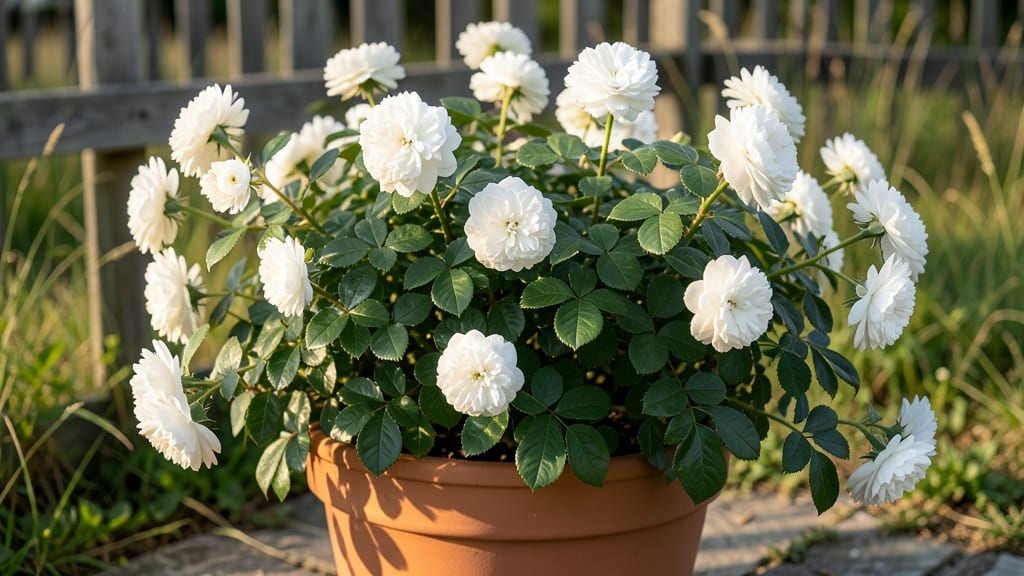
The Iceberg Tree Rose transforms any yard into a cloud of creamy white blooms—but only if you prune it right during winter dormancy. I’ve watched this rose go from a sad, tangled mess to a showstopper after mastering the winter pruning cuts that force next season’s growth.
The secret isn’t just cutting back; it’s shaping the plant to bloom earlier, denser, and longer.
Here’s the thing—most gardeners prune too late or too aggressively, and the Iceberg Tree Rose rebels by producing fewer flowers. My method focuses on three key cuts: removing dead wood first, thinning crowded branches, and shaping for sunlight access.
You’ll need sharp pruners, a clean workspace, and about 30 minutes on a crisp winter day when the plant’s dormant but still sturdy.
What you’ll end up with is a bush that bursts into bloom 2-3 weeks earlier than unpruned roses, with clusters so dense they look like snowflakes caught in the branches. The foliage stays lush and green, and pests have fewer places to hide.
By late spring, neighbors will ask how you got roses that look like they cost a fortune—when really, it’s just the right winter cuts.
This works best in zones 5-9, but even in colder areas, pruning at the right time (after the first hard frost but before new growth) keeps the plant healthy. If you’ve ever struggled with leggy roses or weak blooms, this is your reset button. Let’s get those pruners ready!
📚 In This Guide
- What you need
- Instructions
- Tips and common mistakes
- Wrapping up and next steps
What you need
- ● Pruning shears: Bypass pruners (sharp, clean, and 10-12 inches long for reach). Avoid anvil pruners—they can crush stems.
- ● Loppers: For thicker branches (½–1½ inches). Choose bypass-style with long handles (24–36 inches) for leverage.
- ● Hand saw: For stubborn, woody stems (folding pruning saw with a 10–12-inch blade works best).
- ● Disinfectant: 70% isopropyl alcohol or a 10% bleach solution (1 part bleach to 9 parts water) to sterilize tools between cuts.
- ● Rubbing alcohol or bleach wipes: For quick tool sanitization in the field.
- ● Garden gloves: Heavy-duty, cut-resistant (e.g., nitrile-coated) to protect from thorns and sap.
- ● Trash bags or bucket: For collecting pruned debris (avoid composting diseased material).
- ● Permanent marker: Fine-tip for labeling branches if grafting or identifying cuts.
- ○ Pruning sealant: Optional for large cuts (1+ inch diameter)—use a tree wound paint to prevent disease entry (e.g., Tanglefoot Tree Seal).
- ● Ladder: Lightweight, extendable (12–16 ft) for high branches (ensure it’s stable and rated for your weight).
- ● Safety glasses: Protect your eyes from flying debris.
- ● Knee pads: For comfort if you’re working on the ground.
- ● Notebook or app: To sketch a simple branch map before pruning (helps visualize the shape post-cut).
Step-by-step guide to pruning your iceberg tree rose in winter
Winter's the perfect time to refresh your iceberg tree rose—here's how to do it right.
Assess the Rose's Structure Before Pruning
Start by examining your iceberg tree rose while it's still dormant. Look for dead, diseased, or crossing branches that rub against each other—these need immediate removal first. I like to use my hands to gently shake each branch; if brown, brittle stems fall away, they're dead and should be cut out completely. Healthy wood feels firm and snaps cleanly when bent slightly.
Next, identify the main scaffold branches—the thick, sturdy stems that form the tree's structure. These should be spaced evenly around the trunk. If you see any branches growing straight up or inward, mark them for pruning. These vertical growers rarely bloom well and can create a dense, unbalanced shape. Remember, you're shaping the tree's future growth pattern now, so take your time.
Make Clean Cuts at the Right Angles
Use your sharp pruning shears to make cuts just above an outward-facing bud, cutting at a 45-degree angle about ¼ inch above the bud. This angle helps water run off the cut instead of pooling. I always make my cuts on the side of the branch that faces away from the bud—this prevents water from sitting on the cut and rotting it. For thicker branches over ½ inch in diameter, switch to your pruning saw for cleaner cuts.
When pruning iceberg roses, aim to maintain an open center. This allows sunlight and air to circulate through the tree, preventing fungal diseases. I like to leave the lower branches slightly longer than the upper ones—this creates a natural, tiered look that highlights the tree's graceful form. Never cut more than ⅓ of the tree's total growth in one season, even if it looks overgrown.
Shape for Airflow and Future Blooms
Step back frequently to visualize your tree's shape. Iceberg roses bloom on both old and new wood, so you have flexibility in your cuts. Focus on creating an open vase shape with branches spreading outward. Remove any suckers growing from the base or trunk—these divert energy from the main structure. I usually leave 3-5 main scaffold branches depending on the tree's size, with each branch having its own smaller branches.
Pay special attention to the tree's center. If it's too dense, sunlight won't reach inner branches, and you'll get fewer blooms. Thin out crowded branches by cutting back to the point where light can penetrate. For the iceberg variety specifically, you'll want to preserve some of last year's wood—this is where many of the spectacular white blooms develop. Look for thick, woody stems that still have buds along their length.
Clean Up and Protect Your Pruned Tree
After pruning, collect all the cuttings and dispose of them properly. Don't compost diseased wood—burn it or put it in the trash to prevent spreading fungal spores. I like to sterilize my pruning tools with rubbing alcohol between cuts, especially when dealing with diseased branches. This simple step prevents cross-contamination between healthy and infected parts of the tree.
Once pruning is complete, apply a thin layer of rose pruning sealant to all large cuts over ½ inch in diameter. This helps prevent disease entry points. Then, give your tree a good watering to help it recover from the stress of pruning. I usually water deeply at the base, avoiding the foliage to prevent fungal issues. Finally, add a 2-3 inch layer of mulch around the base, keeping it several inches away from the trunk.
Tips & tricks for perfect iceberg tree rose pruning
Winter pruning transforms your iceberg tree rose into a showstopper for next year's blooms—here's how to avoid common pitfalls and elevate your results.
Pruning Tool Essentials: Invest in a sharp pair of bypass pruners for branches under ½ inch in diameter and a pruning saw for thicker stems. Dull tools crush branches instead of making clean cuts, which can damage the tree's vascular system. I've ruined more cuts than I can count using dull shears—trust me, it's worth sharpening or replacing them before you start. For diseased branches, sterilize your tools between cuts using rubbing alcohol to prevent spreading pathogens.
Bud Selection Matters: When making cuts in Step 2, look for outward-facing buds that form a slight angle from the branch. These buds will grow outward, creating that beautiful open vase shape we want. Avoid cutting directly above inward-facing buds—they'll grow toward the center of the tree, creating a dense, unbalanced structure. If you're unsure which way a bud faces, gently bend the branch to see the direction the bud points.
Visualizing the Final Shape: Before making any cuts, step back 5-10 feet from your tree and visualize its future shape. Iceberg roses thrive with an open center that allows sunlight to reach all branches. I like to imagine a lamp shade shape—wider at the top than the bottom, with branches spreading outward. This not only improves airflow but also creates that stunning, layered look that makes iceberg roses so special. Sketch a quick outline if it helps—you'll notice how much more intentional your cuts become.
Seasonal Timing Nuances: While winter dormancy is ideal for pruning, timing matters within that window. Prune on a dry day when temperatures are above freezing but below 40°F—this minimizes stress on the tree. If you're in a particularly cold climate, wait until late winter when the ground begins to thaw slightly. Early pruning in harsh winter conditions can shock the tree, while late pruning too close to spring growth may encourage tender new shoots that could be damaged by late frosts.
Pro Tips for Iceberg Tree Rose
- Winter pruning transforms your iceberg tree rose into a showstopper for next year's blooms—here's how to avoid common pitfalls and elevate your results.
- Pruning Tool Essentials: Invest in a sharp pair of bypass pruners for branches under ½ inch in diameter and a pruning saw for thicker stems.
- Bud Selection Matters: When making cuts in Step 2, look for outward-facing buds that form a slight angle from the branch.
Frequently asked questions
Got questions about pruning your Iceberg Tree Rose during winter dormancy? You’re not alone! Here are some of the most common concerns—and their answers—to help you tackle pruning like a pro.
When is the exact best time to prune my Iceberg Tree Rose?
The ideal window is late winter (February or early March), after the worst cold snaps but before new growth starts. If you miss this, wait until early spring—just avoid pruning when buds are swelling (risk of frost damage). Pro tip: Check your local frost dates for precision!
How much should I cut back? Should I remove all the old wood?
For Iceberg Tree Roses, aim to reduce height by 1/3 to 1/2, but don’t overdo it! Cut back to an outward-facing bud (about 1/4 inch above it) to encourage airflow and blooms. Never remove more than 30% of the plant in one season—it stresses the rose. Old, dead wood? Trim it to the ground!
What if I prune too late? Will my rose still bloom?
Late pruning (April or later) won’t kill your rose, but it may delay or reduce blooms that season. New growth will still emerge, but expect fewer flowers and weaker stems. If you’re late, focus on light shaping rather than heavy cuts to minimize stress.
Are there alternatives if I hate pruning? Can I skip it?
You can skip pruning, but your Iceberg Tree Rose will become overcrowded, prone to disease, and produce smaller blooms. If pruning feels overwhelming, try selective pruning: Just remove dead, crossing, or weak branches (10–15 minutes max!). Think of it as a light trim for health, not perfection.
My pruned branches look weird—some are bare or have weird bumps. Is this normal?
Those bumps are likely rose canes (future growth points) or swollen buds. If branches are completely bare with no buds, they’re dead—trim them! Weird growth? It could signal rose rosette disease (a fatal virus). Dispose of infected branches immediately and disinfect tools with rubbing alcohol.
Do I need to seal pruning cuts? Should I use anything special?
Nope! Iceberg Tree Roses don’t need sealant—it can trap moisture and cause rot. Just make clean cuts at a 45° angle (1/4 inch above a bud) with sharp shears. Pro tip: If your area is very rainy, a copper fungicide spray on cuts can prevent disease.
Still unsure? Snap a photo of your rose’s structure and compare it to pruning guides—visuals help! Happy pruning!
Wrapping up and next steps
Pruning your Iceberg Tree Rose during winter dormancy isn’t just about tidying up—it’s your secret weapon for stunning blooms next season! 🌸 By sharpening your tools, following precise cuts, and timing your work right, you’ll encourage healthier growth, fewer pests, and a showstopper display of snow-white flowers. Remember: patience and care now mean rewards in spring.
Ready to transform your garden? Grab your pruners, mark your calendar, and roll up your sleeves—your Iceberg Tree Rose is waiting for its winter glow-up! 🌿✨ Start planning your pruning session today!