
Pruning
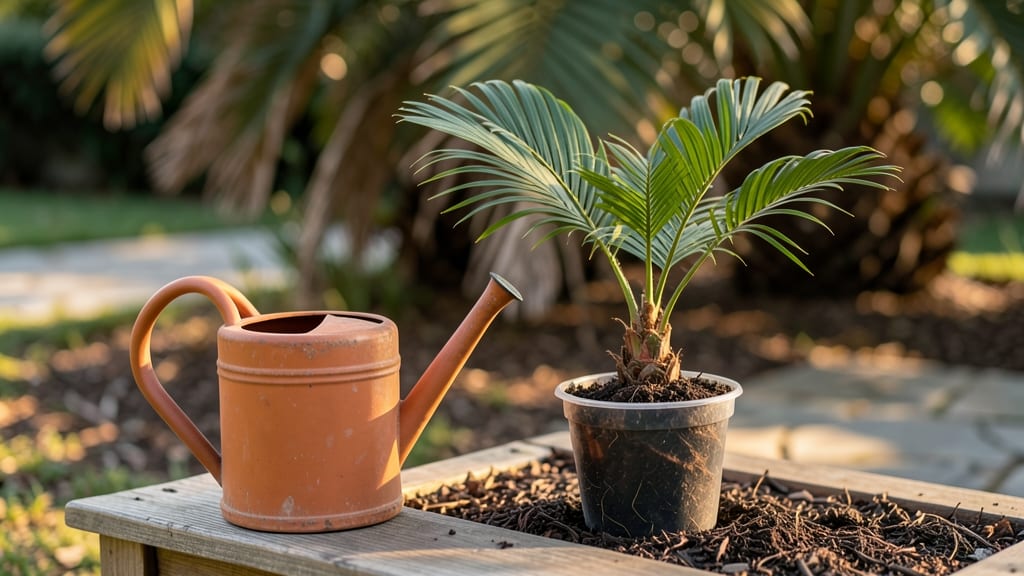
Replanting a palm tree feels like moving a giant houseplant—except the stakes are much higher when you mess up. 🌴 The key to success isn’t brute strength but knowing when to dig, how to handle those delicate roots, and what your new spot needs to support it long-term.
My first attempt left a sad, wilted frond behind, but I learned the hard way what works.
Timing matters more than most gardeners realize: late spring or early fall gives your palm the best shot at recovery. You’ll need a sharp shovel, burlap for wrapping roots, and a hole twice as wide as the root ball—plus, the right soil mix to prevent shock.
I’ve replanted three palms now, and the difference between a thriving transplant and a struggling one comes down to these basics.
After replanting, your palm won’t thank you with instant growth—it’ll take weeks to adjust. Water deeply but infrequently (think once a week for the first month), mulch to lock in moisture, and keep it shaded for a few days.
The payoff? A palm that stands tall, green, and healthy for decades, not one that struggles for years to catch up.
This method works for dwarf palms in pots or towering Canary Island palms in the ground. Just adjust the tools and timing to your palm’s size and climate. Let’s get those roots settled right the first time.
📚 In This Guide
- What you need
- Instructions
- Tips and common mistakes
- Wrapping up and next steps
What you need
- ● Shovel or digging spade – A heavy-duty shovel (18-24 inches wide) for digging the new hole and extracting the root ball.
- ● Pruning shears or handsaw – For trimming any damaged or overgrown roots or fronds (sterilized blades recommended).
- ● Wheelbarrow or large bucket – To transport soil, mulch, or the root ball (minimum 20-gallon capacity).
- ● Garden hose with nozzle – For thorough watering before and after replanting.
- ● Burlap or landscape fabric – 2-3 feet wide, to wrap the root ball and protect it during transport.
- ● Stakes and twine – 2-4 stakes (1-2 inches thick) and twine or zip ties to secure the palm tree temporarily.
- ● Garden gloves – Heavy-duty, cut-resistant to protect your hands from sharp fronds or roots.
- ○ Soil amendments (optional but helpful): Peat moss or coconut coir (1-2 bags) for improving drainage.
- ● Slow-release fertilizer (10-10-10 or palm-specific, 1-2 pounds).
- ● Root stimulator gel – To encourage faster root growth (1-2 tubes).
- ● Mulch (pine bark or wood chips) – 2-3 inches thick, to retain moisture and regulate soil temperature.
- ● Epsom salt – A handful mixed into the planting hole for magnesium boost (great for yellowing fronds).
- ● Post-hole digger – If the new location requires deeper or wider holes.
- ● Safety gear – Sunglasses, long sleeves, and sunscreen (palm trees can be messy!).
Step-by-Step instructions for moving palm trees safely
Here's how to replant palms with minimal stress and maximum survival rates.
🪴 Step 1: Choose the Right Time and Prepare the New Location
Pick a day when temperatures stay between 60-80°F—avoid extreme heat or cold. Early morning or late afternoon works best. Clear the new planting area of weeds and rocks, then dig a hole twice as wide and slightly shallower than the root ball. Loosen the soil at the bottom with a garden fork to encourage root spread.
I always check the drainage by filling the hole with water and watching how quickly it drains. If water pools after 30 minutes, amend the soil with 2-3 inches of coarse sand or gravel to improve drainage. Palms hate soggy roots, and poor drainage is the #1 reason transplants fail.
🌿 Step 2: Dig and Handle the Palm Carefully
Use a sharp spade or digging saw to cut a clean 12-18 inch diameter circle around the palm trunk, following the root spread. Saw through any thick roots that resist. Lift the palm carefully by the trunk or base—never grab the fronds. If the root ball is heavy, slide a tarp under it first to make moving easier.
Inspect the roots immediately after digging. Trim any broken or circling roots with clean pruners. Healthy roots should look white or tan, not brown or mushy. Wrap the root ball in burlap if you're moving it more than 50 feet—this keeps moisture in and roots from drying out.
💧 Step 3: Plant at the Correct Depth and Water Thoroughly
Place the palm in the hole so the top of the root ball sits 1-2 inches above ground level. Fill the hole with native soil, tamping down gently in 2-inch layers to eliminate air pockets. The soil line on the trunk should match the surrounding grade—burying the trunk too deep suffocates it.
Water immediately with 5 gallons of water to settle the soil. Keep watering every 2-3 days for the first 2 weeks, giving 10 gallons each time. You'll know it's enough when water runs out the drainage holes. Mulch the base with 2-3 inches of organic mulch (like bark chips) to retain moisture and protect roots.
☀️ Step 4: Provide Support and Monitor Recovery
Stake the palm only if it's taller than 10 feet—use 2-3 flexible stakes tied loosely to the trunk with soft straps. Too-tight ties can girdle the trunk as it grows. Prune any broken fronds but leave healthy ones intact—they photosynthesize and feed the roots.
Watch for signs of stress: yellowing fronds mean overwatering, while crispy frond tips indicate underwatering. Palms typically take 4-6 weeks to establish new roots. Avoid fertilizing for 3 months—new roots need energy to grow, not foliage.
Tips & tricks for thriving palm tree transplants
Moving palm trees safely means paying attention to details that make all the difference between success and failure. Here's what I've learned from years of replanting these tropical beauties.
Timing is Everything: The 60-80°F temperature range in Step 1 is your sweet spot—any hotter and roots dry out too fast, while cooler temps slow recovery. I've replanted in 75°F conditions and seen roots establish twice as quickly compared to 55°F attempts. Watch the weather forecast and schedule your move for those perfect mid-morning hours when temps are stable.
Root Health Check: When inspecting roots in Step 2, look for that white-to-tan color—anything darker suggests root damage. I once missed a few mushy roots and my palm struggled for months. Trim aggressively with clean pruners and consider soaking the root ball in water for 10 minutes before replanting to revive any stressed roots. This simple step can save a struggling transplant.
Watering Wisdom: Those initial 5 gallons in Step 3 aren't just for settling soil—they're about creating an oxygen-rich environment around the roots. After planting, I like to add a slow-release watering crystal to the hole before backfilling. It dissolves over time, ensuring consistent moisture without the risk of overwatering that comes from manual watering schedules.
Mulch Matters: The 2-3 inches of organic mulch in Step 3 serves three purposes: moisture retention, temperature regulation, and weed suppression. I've found that pine bark mulch works best—it breaks down slowly and adds organic matter to the soil. Just keep it 6 inches away from the trunk to prevent rot. This simple layer can mean the difference between a thriving palm and one that struggles in its first year.
Pro Tips for Replant A Palm Tree
- Moving palm trees safely means paying attention to details that make all the difference between success and failure.
- Timing is Everything: The 60-80°F temperature range in Step 1 is your sweet spot—any hotter and roots dry out too fast, while cooler temps slow recovery.
- Root Health Check: When inspecting roots in Step 2, look for that white-to-tan color—anything darker suggests root damage.
Frequently asked questions
Got questions about replanting palm trees? You’re not alone—transplanting these tropical giants can feel tricky! Below, we’ve rounded up the most common concerns and straightforward answers to help you replant with confidence. Whether you’re worried about timing, tools, or survival rates, we’ve got you covered.
When is the best time of year to replant a palm tree?
The ideal window is late fall to early spring (November–March in most U.S. regions), when temperatures are cool and humidity is moderate. Avoid extreme heat or frost—palms are sensitive to stress, and replanting during these times can shock their roots. If you must replant in summer, do it early in the morning or on a cloudy day to reduce water loss.
Can I replant a palm tree without digging up the entire root ball?
Yes! For smaller palms (under 10 feet tall), you can use the “slip-and-slide” method: Dig a trench around the root ball, gently rock the tree back and forth, and slide it out intact. For larger palms, hire a professional—their heavy machinery can extract the root ball with minimal damage. Pro tip: Keep as much soil attached as possible to preserve root health.
What do I do if my palm tree’s fronds turn brown after replanting?
Brown fronds are normal post-transplant stress, but monitor for more than 30% browning or wilting. If the problem persists, check for:
- Underwatering (palms need 1–2 inches of water weekly for the first month).
- Overwatering (soggy soil = root rot).
- Sunburn (provide light shade for 2–4 weeks).
How long does it take for a replanted palm tree to recover?
Most palms show signs of recovery in 4–8 weeks, but full stabilization can take 6–12 months, depending on the species and care. Watch for:
- New fronds emerging ( good sign!).
- Firm, white root growth at the soil line (check gently after 3 months).
Is it cheaper to replant a palm tree myself or hire a pro?
DIY replanting costs $50–$200 (tools, soil amendments, watering supplies), while pros charge $500–$2,000+ for large palms. Break-even point: If your palm is over 15 feet tall or has a massive root ball, hiring a pro is worth it to avoid transplant shock. For smaller palms, DIY saves money—but rent heavy equipment (like a palm tree mover) if needed.
How do I protect my palm tree from cold after replanting?
Palms are tropical—temperatures below 30°F (–1°C) can kill them. If replanting in a cold climate:
- Wrap the trunk with burlap or frost cloth (remove in spring).
- Mulch heavily (3–4 inches of wood chips) to insulate roots.
- Use anti-desiccant spray on fronds to prevent frost damage.
- Consider a portable greenhouse or shade cloth for young palms.
Wrapping up and next steps
Replanting a palm tree might seem daunting, but with the right tools, patience, and care, you can give your tropical beauty a fresh start! 🌴 The key is preparation—digging carefully, protecting the roots, and choosing the perfect spot—along with consistent aftercare to help it thrive.
Don’t forget: even the most delicate palms can recover with love and attention.
Now that you’re armed with the know-how, take the next step! Pick a calm day, gather your supplies, and get ready to watch your palm tree flourish in its new home. Happy replanting! 🌱