
How To
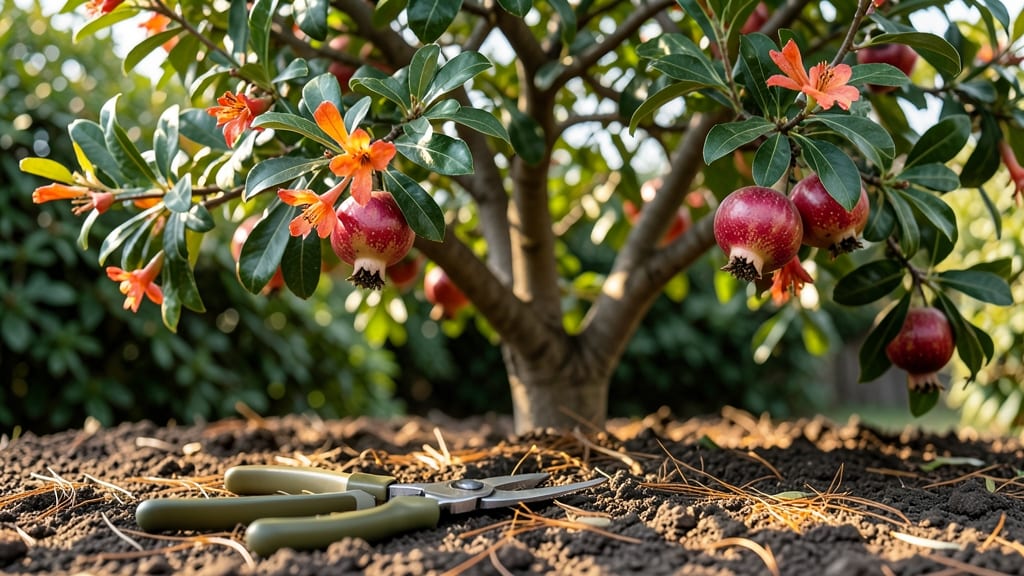
Pruning a pomegranate tree isn’t just about shaping—it’s the secret to bigger fruit and healthier growth. I’ve pruned mine for three years now, and the difference in harvest size is night and day. The key is timing, technique, and knowing which branches to keep (and which to cut).
You’ll need sharp bypass pruners, a saw for thicker branches, and a clear day to work—pomegranates hate soggy wood. Start in late winter before buds swell, then do light maintenance pruning after harvest.
The goal? Open the center for sunlight while keeping the tree’s natural vase shape. Every cut should aim for an outward-facing bud to encourage fruit-bearing branches.
📚 In This Guide
- What you need
- Instructions
- Tips and common mistakes
- Wrapping up and next steps
What you need
- ● Pruning shears: Sharp, bypass-style shears (4–6 inches) for small branches. Disinfect with rubbing alcohol before and after use to prevent disease spread. 🌟
- ● Loppers: For thicker branches (up to 2 inches in diameter). Look for long-handled, bypass-style loppers for leverage and comfort.
- ● Pruning saw: A curved-tooth saw for branches thicker than 2 inches. Avoid cheap saws—they can tear wood.
- ● Gloves: Heavy-duty, cut-resistant gloves to protect your hands from thorns and rough bark.
- ● Ladder or step stool: Ensure it’s stable and tall enough to reach the tree’s canopy safely.
- ● Rag or paper towels: For cleaning tools and wiping sap off cuts.
- ● Pruning sealant: A tree wound sealant (like Tanglefoot) to coat large cuts and prevent disease. Skip for small cuts—air helps them heal!
- ● Disposable pruning bags: To collect and dispose of trimmings easily.
- ● Marking spray or twine: For tagging branches to prune later if needed.
- ● Check the weather: Prune on a dry, cloudy day to reduce stress on the tree.
- ● Know your tree’s age: Young trees (1–3 years) need lighter pruning; mature trees can handle more.
- ● Identify dead/diseased branches: Look for brown, mushy wood or black spots—these go first!
Step-by-Step guide to pruning a pomegranate tree for optimal shape and fruit
Mastering the art of pruning transforms your pomegranate tree into a productive, balanced powerhouse.
Understand the Right Time for Each Pruning Phase
Pomegranate trees respond best to a three-season pruning schedule—each with distinct goals. Late winter or early spring (February-March) is ideal for structural pruning while the tree is dormant. This is when you establish the framework, removing dead, crossing, or weak branches that compete for energy.
Summer pruning (June-July) focuses on fruit-bearing branches. Trim back overly vigorous growth that shades developing fruit, and thin clusters to 4-6 inches apart—this ensures larger, more flavorful pomegranates. Avoid heavy pruning now, as it stresses the tree when energy should be directed toward fruit maturation.
Light post-harvest pruning in late fall (November) removes any remaining dead wood or branches that produced poor-quality fruit. This keeps the tree tidy and prepares it for winter dormancy.
Remove Dead, Diseased, or Damaging Branches First
Start with sanitary pruning—this means cutting out any branches that are dead, diseased, or rubbing against others. Use clean, sharp pruners (sterilized with rubbing alcohol) to make clean cuts at a 45-degree angle, just outside the branch collar where it meets the trunk or larger branch.
Look for branches with blackened, mushy wood (signs of fungal disease) or those that have no green tissue when cut open. These should be removed immediately and disposed of, not composted. Healthy branches have green inner wood and firm, smooth bark.
If a branch is too large to cut in one go, make a two-step cut: First, cut about 6 inches out from the branch collar, then remove the remaining stub later. This prevents tearing and ensures proper healing.
Thin Out the Canopy for Light and Airflow
Pomegranate trees thrive when their interior receives sunlight. Use selective thinning to open up the canopy, focusing on branches that cross or rub against each other. Remove one of the competing branches, always choosing the weaker or smaller one to preserve the tree’s natural balance.
Target suckers (vigorous shoots growing from the base or trunk) and water sprouts (thin, upright branches). These divert energy from fruit production. Cut them back to a bud or lateral branch—never leave a stub, as it invites disease.
For mature trees, aim to maintain a rounded, vase-like shape with a central leader (main upward-growing branch). This encourages even fruit distribution and easier harvesting.
Encourage Fruit Production with Strategic Cuts
In summer, prune back last year’s fruit-bearing branches by one-third to stimulate new growth and flowering for next season. Focus on branches that produced small or poor-quality fruit—these often need rejuvenation.
Leave 4-6 strong, healthy branches per section of the tree to bear fruit. Overcrowding leads to smaller pomegranates and increased susceptibility to disease. Thin clusters so they’re spaced 4-6 inches apart—this prevents overloading and improves air circulation.
Watch for blind shoots (branches with no fruit). These often grow from the inner canopy where light is limited. Prune them back to a lateral bud to redirect energy toward productive branches.
Finish with Light Maintenance and Post-Pruning Care
After pruning, sterilize your tools again and inspect the tree for any sawdust-like residue (a sign of fungal spores). Wipe down cuts with a 10% bleach solution (1 part bleach to 9 parts water) to prevent infection.
Apply a layer of mulch (2-3 inches) around the base, keeping it 6 inches away from the trunk. This retains moisture and regulates soil temperature, which is critical after pruning. Water deeply to help the tree recover, but avoid overwatering, which can stress fresh cuts.
Monitor the tree for new growth in the following weeks. Healthy pruning should result in compact, bushy branches with plenty of leafy foliage by late spring. If you see excessive dieback or no new shoots, you may have pruned too aggressively—adjust next year’s cuts accordingly.
Tips & tricks for pruning a pomegranate tree
Perfecting your pruning technique transforms a struggling pomegranate tree into a thriving fruit producer. Here’s how to elevate your approach beyond the basics.
Seasonal Timing Precision: The three-season schedule in Step 1 is non-negotiable, but regional climate variations matter. In warmer southern zones, you might need to shift summer pruning to late July to avoid heat stress. Conversely, northern growers should prune in early June when temperatures stabilize. Always check for bud swell—this signals the tree is ready for summer cuts, even if the calendar says June hasn’t arrived yet.
Branch Selection Strategy: When thinning competing branches in Step 3, prioritize removal based on growth direction rather than just size. Remove branches growing inward or downward—they’ll never receive sunlight and become energy drains. Keep branches that angle outward at 45-60 degrees; these capture maximum light for fruit production. Remember the "one-third rule": never remove more than one-third of the tree’s foliage in any single session.
Cutting Technique Refinement: The two-step cut method in Step 2 deserves extra attention. For branches thicker than 2 inches, use a pruning saw for the first cut—never attempt to cut through with pruners. Make your initial cut about 6 inches from the branch collar, then remove the remaining stub cleanly. This prevents bark tearing, which invites disease. Always cut just outside the branch collar at a 45-degree angle—this ensures proper healing and prevents water pooling that causes rot.
Post-Pruning Recovery Insight: After completing Step 5, observe the tree’s response within 7-10 days. Healthy new growth should appear at the cut sites, and leaves should remain vibrant. If you notice yellowing leaves or wilting, you’ve likely pruned too aggressively. In this case, reduce next year’s cuts by 25-30% and focus on maintaining rather than restructuring. The 2-3 inch mulch layer is particularly critical during this recovery period—it helps regulate soil temperature and moisture levels.
Pro Tips for Prune Pomegranate Tree
- Perfecting your pruning technique transforms a struggling pomegranate tree into a thriving fruit producer.
- Seasonal Timing Precision: The three-season schedule in Step 1 is non-negotiable, but regional climate variations matter.
- Branch Selection Strategy: When thinning competing branches in Step 3, prioritize removal based on growth direction rather than just size.
Frequently asked questions
about pruning pomegranate trees—because even experts need a little clarity now and then! Here are answers to the most common questions to keep your tree thriving.When is the best time to prune a pomegranate tree?
Prune your pomegranate tree late winter or early spring (before buds swell) for optimal growth. Light pruning can also happen in summer after harvest to shape the tree and remove dead wood. Avoid heavy pruning in fall—it can stress the tree before winter.
How much can I prune a pomegranate tree without harming it?
Pomegranate trees are resilient, but never remove more than 25% of the foliage in one session. Over-pruning can reduce fruit production. Focus on selective cuts—target dead, crossing, or overcrowded branches first. Young trees need minimal pruning (just shaping), while mature trees benefit from thinning out dense areas.
Will pruning increase my pomegranate yield?
Yes! Proper pruning boosts fruit quality and quantity by improving airflow and sunlight penetration. Removing suckers (shoots at the base) and water sprouts (fast-growing vertical shoots) directs energy to fruit-bearing branches. Just avoid heavy pruning in fruiting years—balance is key!
What if my pomegranate tree has pests or diseases after pruning?
Pruning opens wounds, so sterilize tools with rubbing alcohol between cuts to prevent infections. If pests (like aphids or scale) appear, neem oil or insecticidal soap works well. For fungal issues (e.g., powdery mildew), prune infected branches immediately and apply fungicide. Keep the area clean—mulch helps!
Can I prune a pomegranate tree in containers?
Container-grown pomegranates need regular pruning to control size and encourage bushier growth. Use the same techniques as outdoor trees but prune lightly in early spring and avoid root disturbance. Ensure the pot has drainage—root-bound trees stress easily and fruit poorly.
Wrapping up and next steps
Pruning your pomegranate tree isn’t just about shaping—it’s about unlocking its full potential! 🌿 By following these steps, you’ll encourage healthier growth, better airflow, and a bountiful harvest of those juicy, ruby-red jewels.
Start small, stay patient, and soon you’ll be rewarded with a thriving tree that’s the star of your garden.
Ready to take the next step? Grab your pruners and schedule your first pruning session—whether it’s winter shaping or summer maintenance. Your future self (and future pomegranate feasts!) will thank you.