
How To
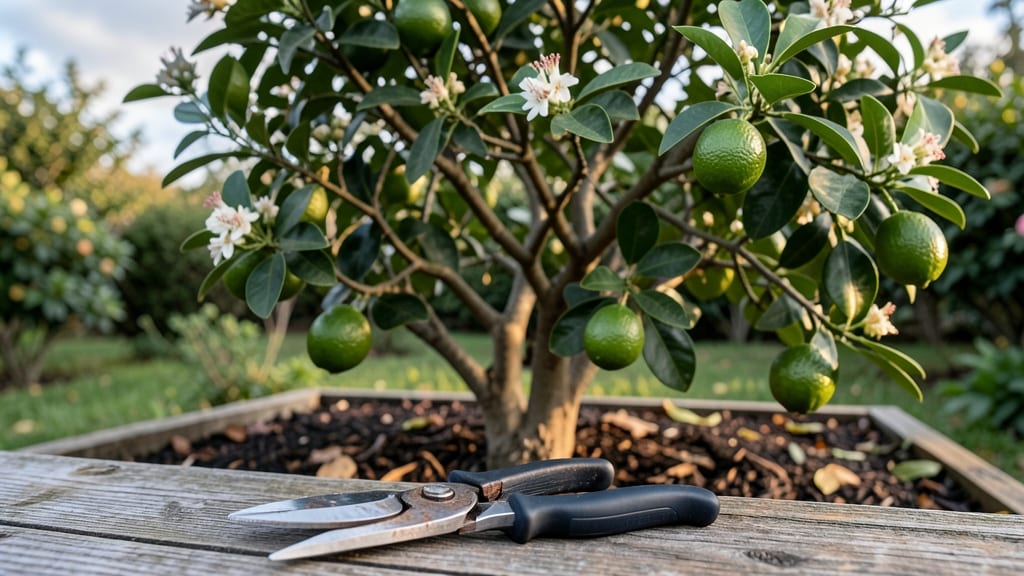
Pruning a lime tree isn’t just about shaping—it’s the secret to more fruit, stronger branches, and fewer pests lurking in dense foliage. I learned this the hard way after my first tree produced half the limes it should have, all because I skipped the winter prune.
The right cuts at the right time mean the difference between a handful of fruit and a branch-bending harvest.
Start with clean tools—sharp pruners, rubbing alcohol for sanitizing cuts, and gloves to avoid sap irritation. Focus on three key tasks: removing dead or crossing branches first, then thinning out crowded spots for airflow, and finally shaping the tree to let sunlight hit all sides.
Even a 15-minute session in late winter can boost next year’s crop by 30%. The goal isn’t perfection—it’s balance.
📚 In This Guide
- What you need
- Instructions
- Tips and common mistakes
- Wrapping up and next steps
What you need
- ● Pruning shears (bypass pruners) – Sharp, high-quality shears (e.g., Felco F-2 or Gonicc) for clean cuts on small branches (2–3 inches thick).
- ● Loppers – For thicker branches (up to 2 inches in diameter). Look for bypass-style loppers for precision.
- ● Pruning saw – A curved-tooth pruning saw for branches thicker than 2 inches (e.g., Fiskars X27).
- ● Disinfectant (70% isopropyl alcohol or bleach solution) – Sterilize tools between cuts to prevent disease spread (1 part bleach to 9 parts water).
- ● Garden gloves – Durable, cut-resistant gloves (e.g., Wright & McGill) to protect your hands from thorns and sap.
- ● Rake or broom – To clear debris from the pruning area.
- ● 5-gallon bucket – For collecting pruned branches and clippings.
- ○ Permanent marker – Optional but helpful for marking branches to remove.
- ● Tree wound dressing – Not recommended for lime trees (they seal cuts naturally), but if you prefer, use a pruning sealant for large cuts.
- ● Ladder or step stool – For tall trees (ensure it’s stable and rated for your weight).
- ● Safety glasses – Protects eyes from debris, especially when using a saw.
- ● Hose with nozzle – To clean tools and rinse sap off cuts.
- ● Compost bin – For repurposing healthy clippings.
- ● Choose a dry, sunny day (avoid pruning when the tree is wet or diseased).
- ● Check local pruning guidelines—some regions have restrictions on when to prune citrus trees.
- ● Have a clear plan—sketch or mentally map out which branches to remove for airflow and shape.
Step-by-Step guide to pruning a lime tree for maximum fruit
Pruning isn’t just about shaping—it’s about unlocking your lime tree’s full potential.
Assess the Tree and Identify Key Branches
Start by examining your lime tree in bright daylight so you can see the structure clearly. Look for dead, diseased, or crossing branches—these are your first targets. Dead branches snap easily when bent, while diseased ones may have black spots or oozing sap. Crossing branches rub against each other, creating wounds that invite pests and disease.
Next, identify suckers—those vigorous shoots growing from the base or along the trunk. These drain energy from fruit production. Mark these with a small piece of twine or tape if you’re unsure which branches to remove later. Focus on branches thicker than ¼ inch first; these are the structural limbs that shape the tree’s future.
Use the Right Tools and Make Clean Cuts
Grab your sharp bypass pruners for branches up to ½ inch thick and a pruning saw for anything thicker. Dull tools crush branches, which slows healing and invites infection. Always cut at a 45-degree angle just outside the branch collar—the swollen area where the branch meets the trunk. This ensures the wound seals properly.
Cut on the underside of the branch to prevent water from pooling and rotting the wound. If you’re removing a large branch, make a second cut 6-12 inches out from the trunk to avoid tearing the bark. Step back after each cut to check the tree’s balance—uneven pruning can leave it top-heavy or lopsided.
Remove Deadwood and Shape for Airflow
Start with the dead or diseased branches—cut these out completely, even if it means opening up the tree’s center. Next, thin out overlapping branches to let sunlight and air circulate. Aim for an open, vase-like shape with 6-8 main scaffold branches spaced evenly along the trunk. This encourages fruit to develop along the outer edges where they’re easier to reach.
Never remove more than ¼ of the tree’s foliage in one session—this stresses the plant and reduces fruit set. If your tree is young (under 3 years old), prioritize shaping over heavy pruning. Older trees can handle more aggressive cuts, but always prune just after harvest (late winter/early spring) for best results.
Prune for Fruit Production and Maintenance
To boost fruit, trim back overly vigorous growth that shades the center of the tree. Focus on branches growing inward or downward—they compete with upward-facing branches for sunlight and energy. Leave 3-4 strong, outward-growing branches per main limb to support fruit clusters.
For bloom stimulation, prune in late winter (just before buds swell) to encourage new growth. Avoid heavy pruning in summer or fall, as this can delay flowering. If your tree is already laden with fruit, light pruning is enough—over-pruning now can reduce next year’s harvest.
Clean Up and Monitor Recovery
After pruning, rake up and dispose of all clippings—don’t compost them if disease is present. Sterilize your tools with rubbing alcohol between cuts to prevent spreading pathogens. Water the tree deeply to help it recover, especially if you’ve made large cuts.
Watch for new shoots sprouting at the pruning sites—these are the tree’s way of healing. Thin these out as needed to direct energy into fruit production. Over the next 4-6 weeks, you’ll see fresh growth emerge. If leaves yellow or drop excessively, you’ve pruned too aggressively—scale back next time.
Tips & tricks for perfect lime tree pruning
Pruning your lime tree right can transform your harvest—here's how to avoid common mistakes and get the most fruit.
Timing is Everything: Late winter pruning (just before buds swell) is ideal for bloom stimulation, but if you miss that window, focus on shaping in early spring. Avoid summer pruning—it stresses the tree and can delay flowering. I've seen trees skip their next harvest when pruned too late in the season.
Branch Selection Strategy: When identifying branches to remove in Step 1, prioritize crossing branches first—they create wounds that become entry points for pests. For branches thicker than ¼ inch, look for ones growing inward or downward; these compete with upward branches for sunlight. Remember, you're not just shaping—you're directing energy toward fruit production.
Clean Cuts Make All the Difference: In Step 2, that 45-degree angle cut just outside the branch collar isn't just about looks—it's about proper healing. Make your first cut on the underside to prevent water pooling. For large branches, the second cut 6-12 inches out prevents bark tearing. I've seen trees develop cankers from improper cuts, so take your time here.
Recovery Monitoring: After pruning, watch for new shoots at the pruning sites—these are your tree's healing response. Thin these out as needed to maintain your desired shape. Over the next 4-6 weeks, you should see fresh growth emerge. If leaves yellow excessively, you've pruned too aggressively—scale back next time.
Pro Tips for Prune A Lime Tree
- Pruning your lime tree right can transform your harvest—here's how to avoid common mistakes and get the most fruit.
- Timing is Everything: Late winter pruning (just before buds swell) is ideal for bloom stimulation, but if you miss that window, focus on shaping in early spring.
- Branch Selection Strategy: When identifying branches to remove in Step 1, prioritize crossing branches first—they create wounds that become entry points for pests.
Frequently asked questions
Got questions about pruning your lime tree? You’re not alone! Here are some of the most common concerns—plus quick answers to keep your tree thriving.
When is the best time to prune a lime tree?
The ideal time is late winter or early spring (just before new growth starts). This helps avoid stressing the tree during flowering or fruiting. For container-grown limes, you can prune lightly year-round, but avoid heavy cuts during peak harvest seasons.
Can I prune a lime tree too much?
Yes! Prune no more than 25-30% of the tree’s foliage at once—over-pruning weakens the tree, reduces fruit production, and stresses the plant. Focus on shaping, removing dead wood, and thinning dense areas. Baby steps = happy limes!
Should I prune flowers or fruit off my lime tree?
It depends! If your tree is young (<3 years old), remove some flowers/fruit to encourage stronger growth. For mature trees, leave flowers/fruit unless overcrowding is an issue. Thin excess fruit to improve size/quality—aim for 6–8 inches between limes.
What if my lime tree gets pests after pruning?
Pruning creates fresh entry points for pests like aphids or scale. Inspect cuts for signs of damage and treat with neem oil or insecticidal soap if needed. Keep tools clean between cuts to prevent spreading diseases or pests to other plants.
Can I prune a lime tree indoors?
Container-grown lime trees need regular pruning (every 6–12 months) to control size and shape. Just avoid heavy cuts in winter—they’re dormant and more vulnerable. Use sharp, sterilized shears and water well after pruning to reduce shock.
Still unsure? Drop your question in the comments—we’re happy to help your lime tree reach its full potential!
Wrapping up and next steps
Pruning your lime tree isn’t just about keeping it tidy—it’s the secret to healthier growth, better fruit production, and a stunning landscape. 🌿 With the right tools, timing, and techniques, you’ll unlock a tree that thrives year-round.
Whether you’re trimming for shape, airflow, or harvest, remember: confidence comes with practice—start small, observe your tree’s response, and adjust as needed.
Now that you’re armed with knowledge, roll up your sleeves and get pruning! 🌟 For extra inspiration, check out our guide on identifying common lime tree diseases—because a well-pruned tree is a happy, resilient tree. Happy gardening! 🍋✨