
Pruning
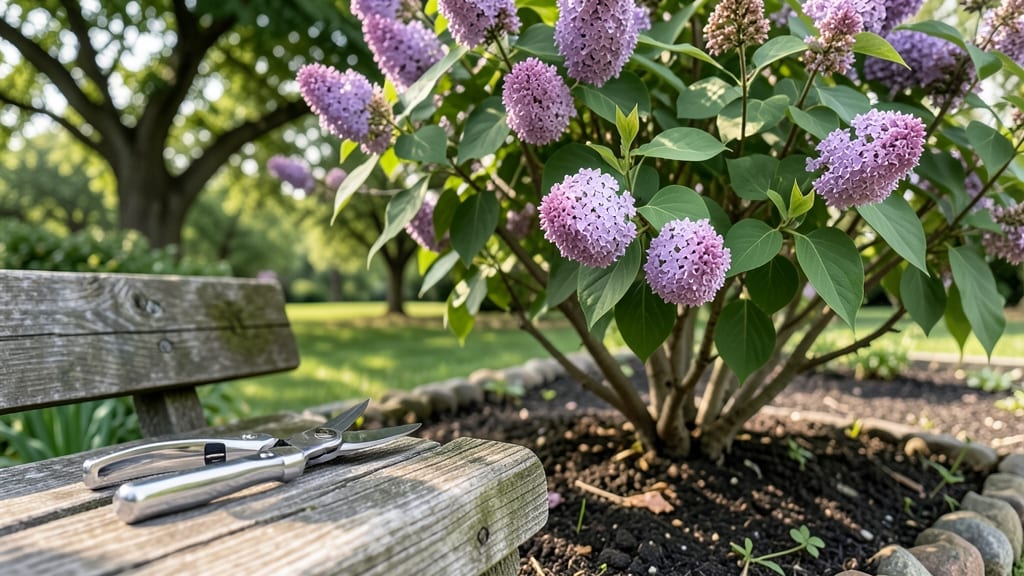
Pruning a lilac tree transforms it from a tangled mess to a fragrant, blooming showstopper—if you do it right. 🌿 I’ve turned my own overgrown lilac from a sad, leggy shadow into a bush bursting with purple clouds every spring, and the secret lies in timing, technique, and knowing exactly which branches to touch.
Most people wait until summer when the flowers are gone, but that’s too late for the best results.
The key is late winter or early spring, just as buds begin to swell but before new growth starts. You’ll need sharp pruners, gloves, and a clear morning to see the branches properly. Cut just above outward-facing buds at a 45-degree angle—this encourages fuller growth.
Avoid cutting into old wood, which won’t produce new blooms, and never remove more than a third of the tree in one year.
What you’ll end up with is a lilac tree that looks like it belongs in a botanical garden, not just your backyard. The blooms will be denser, the shape more balanced, and the fragrance stronger than ever.
Plus, you’ll skip the annual struggle of untangling branches in summer. The first year after pruning, you might see fewer flowers, but by year two, it’ll be a lush, blooming machine.
This method works for both old and young lilacs, and the same principles apply whether you’re shaping a hedge or a single specimen. Ready to give your lilac the makeover it deserves? Let’s get started with the tools and steps that make all the difference.
📚 In This Guide
- What you need
- Instructions
- Tips and common mistakes
- Wrapping up and next steps
What you need
- ● Pruning shears – Sharp, bypass-pruning shears (4-6 inches) for clean cuts on small branches.
- ● Loppers – For thicker branches (up to 2 inches in diameter). Look for ratcheting or bypass styles for precision.
- ● Pruning saw – A curved-tooth saw for branches over 2 inches thick (avoid pinching the bark!).
- ● Gloves – Heavy-duty, gardening gloves (leather or reinforced) to protect against thorns and splinters.
- ● Safety glasses – To shield your eyes from debris, especially when sawing.
- ● Ladder or step stool – If your lilac is taller than 6 feet (use a stable, non-slip model).
- ● Disinfectant (70% rubbing alcohol or bleach solution) – Wipe tools between cuts to prevent disease spread.
- ○ Rubbing alcohol or hand sanitizer – For cleaning cuts on the tree (optional but reduces infection risk).
- ● Pruning sealant – Only use on large cuts (over ½ inch); skip for lilacs (they seal naturally).
- ● Trash bags or bucket – For collecting pruned branches (compost or dispose of them).
- ● Marking twine or flags – To tag branches for removal if you’re pruning in stages.
- ● Check the best time to prune (early spring or right after blooming for lilacs).
- ● Have a clear day (no rain or wind) to work safely.
- ● Wear comfortable clothing (long sleeves/pants to avoid scratches).
Step-by-step guide to pruning a lilac tree for healthy growth
Here's how I keep my lilacs flowering beautifully every year—no over-trimming, just smart shaping.
✂️ Step 1: Prune Immediately After Blooming
Lilacs bloom on last year's growth, so the best time to prune is right after flowers fade in late spring. This ensures you don't cut off next year's blooms. I grab my pruning shears and look for branches that have finished flowering—those are the ones to trim back.
Cut each branch back to a bud or side branch just below where it meets the main stem. The goal is to shape the tree while encouraging new growth. Never cut more than one-third of the tree's height at once—this stresses the plant. Watch for branches growing inward or crossing others; these should be removed first to improve airflow.
✂️ Step 2: Thin Out the Center for Better Airflow
Lilacs can get dense, which invites pests and diseases. I focus on thinning out the center of the tree to let sunlight and air circulate. Start by removing any dead, diseased, or weak branches—these are easy to spot as they're often brown or brittle.
Next, look for branches that grow straight up or cross others. These compete for nutrients and block light. Cut them back to a strong outward-facing bud. You'll know you're doing it right when you can see light filtering through the center of the tree. This step prevents future overcrowding and keeps blooms lush.
✂️ Step 3: Lightly Shape the Outer Branches
After thinning, I move to the outer edges of the tree. Lilacs naturally grow in a rounded shape, so I aim to maintain that form while encouraging fuller growth. Cut back the tips of branches that grow too long or lose their shape—this prompts bushier growth next season.
Use your pruning shears to trim just above a leaf bud or side branch. Avoid cutting into old wood (the dark, woody parts of the branch)—this reduces flowering potential. If a branch is too thick for shears, use a pruning saw instead. Step back occasionally to check your progress; the tree should look balanced and open.
✂️ Step 4: Clean Up and Monitor Growth
After pruning, rake up all the clippings and dispose of them—never leave them on the ground, as they can harbor diseases. I also sterilize my tools with rubbing alcohol to prevent spreading pathogens between cuts. Lilacs are tough, but clean tools keep them healthier.
Watch the tree over the next few weeks. New growth should appear within 2-3 weeks if you've pruned correctly. If you notice yellowing leaves or stunted growth, you may have cut too aggressively. Lilacs are forgiving, but they thrive best with moderate pruning—never more than a third of the tree at a time.
Tips & tricks for pruning a lilac tree
Here's what nobody tells you about keeping your lilacs thriving—small details that make all the difference.
Timing is Everything: The instructions say to prune right after blooming, but here's the thing: don't wait too long. If you miss the window, you risk cutting off next year's flower buds. I mark my calendar for when lilacs finish blooming—usually late May or early June—and set a reminder. This ensures I never miss the perfect moment. The buds for next year's flowers form right after the current blooms fade, so cutting too late means fewer flowers next spring.
Visual Cues for Perfect Cuts: When cutting branches back to a bud in Step 1, look for outward-facing buds. These are the ones that will grow into strong new branches. I run my fingers along the branch to find the furthest outward bud from the main stem—this creates a more open, airy shape. If you cut too close to the trunk or at an inward-facing bud, you'll end up with a dense, tangled mess that blocks sunlight and air.
Tool Maintenance Matters: The instructions mention sterilizing tools, but I take it a step further. I keep a small bottle of rubbing alcohol in my gardening toolkit and wipe down my pruners between every few cuts. This prevents spreading diseases from one branch to another. I also sharpen my pruners regularly—dull blades tear branches instead of making clean cuts, which stresses the plant. A sharp blade makes quick work and leaves a smooth cut that heals faster.
Seasonal Check-In: While the main pruning happens after blooming, I do a quick check in late winter or early spring. This is when I remove any dead or damaged branches that became obvious over winter. I never prune more than a third of the tree in any season—this keeps the lilac healthy and flowering abundantly. Think of it as a light maintenance trim to keep the tree looking its best year-round.
Pro Tips for Prune A Lilac Tree
- Here's what nobody tells you about keeping your lilacs thriving—small details that make all the difference.
- Timing is Everything: The instructions say to prune right after blooming, but here's the thing: don't wait too long.
- Visual Cues for Perfect Cuts: When cutting branches back to a bud in Step 1, look for outward-facing buds.
Frequently asked questions
Got questions about pruning your lilac tree? You’re not alone! Here are some of the most common concerns—plus quick, expert-friendly answers to keep your lilacs thriving.
When is the best time to prune lilacs?
The ideal window is right after they finish blooming in late spring or early summer. This ensures you don’t cut off next year’s flower buds, which form on last year’s growth. Avoid pruning in fall or winter, as cold stress can harm the tree.
Can I prune lilacs in fall or winter?
While lilacs can tolerate light pruning in late fall (after leaves drop), it’s riskier. Cold weather slows healing, and you might accidentally remove flower buds for spring. If you must prune in winter, do so sparingly and only for structural shaping—never for heavy cuts.
What if I accidentally cut off too many branches?
Don’t panic! Lilacs are hardy and will recover. Focus on pruning only the outermost 1/3 of each branch in future sessions to encourage new growth. Over time, your lilac will bounce back—just be patient and consistent with annual pruning.
Do I need to sterilize my pruners between cuts?
Absolutely!
Disinfect your tools with rubbing alcohol or a 10% bleach solution between cuts to prevent spreading diseases like powdery mildew or bacterial blight. Lilacs are prone to fungal issues, so this simple step can save your tree from long-term damage.
Can I prune lilacs into a hedge shape?
Yes, but with caution! Lilacs thrive with open, airy growth, so avoid shearing them into a tight hedge. Instead, use selective pruning to shape individual branches—this encourages better airflow and larger blooms. If you love hedges, consider dwarf varieties like ‘Miss Kim’ for easier management.
Wrapping up and next steps
Pruning your lilac tree doesn’t have to be intimidating—with the right timing, tools, and technique, you’ll unlock healthier growth and stunning blooms year after year! 🌸 Whether you’re tackling winter cleanup, summer shaping, or post-bloom trimming, remember: patience and precision pay off.
Now that you’re armed with expert tips, grab those shears and get pruning!
Ready for more? Next, explore how to fertilize or mulch your lilac to keep it thriving—your garden will thank you! 🌱