
Pruning
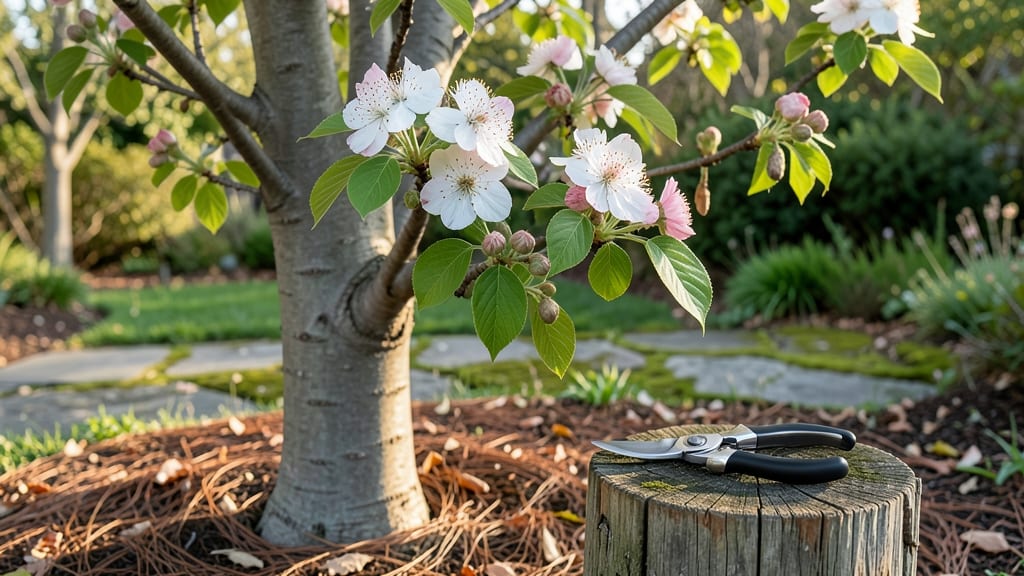
Watch this how to prune a dogwood tree video first—it’ll show you exactly how to turn tangled branches into a stunning focal point while avoiding every beginner blunder. ✂️ The key?
Timing, clean cuts, and knowing which branches to keep (or sacrifice). Most people over-prune or wait too long, but this method keeps your tree healthy and beautiful for decades.
You’ll need just three tools: sharp pruning shears, loppers for thicker branches, and a sterilized saw for the biggest limbs. Timing matters too—spring or early summer is ideal, when the tree is actively growing but before pests wake up.
I’ll show you how to spot dead wood, thin crowded branches, and shape without stressing the tree.
By the end, your dogwood will have open branches that let sunlight reach the center, fewer diseases from overcrowding, and a natural shape that stands out in your yard. The best part? You’ll do it with confidence, even if you’ve never pruned a tree before.
This works for ornamental dogwoods (like ‘Cherokee Brave’ or ‘White Winter Haze’) and even overgrown specimens. Let’s get those branches looking intentional—not accidental.
📚 In This Guide
- What you need
- Instructions
- Tips and common mistakes
- Wrapping up and next steps
What you need
- ● Bypass pruners – Sharp, high-quality pruners (e.g., Felco or Fiskars) for clean cuts on small to medium branches (✔️ 2-3 pairs recommended).
- ● Loppers – For thicker branches (½" to 2" diameter) with long handles for leverage (✔️ 1 pair with a bypass blade).
- ● Pruning saw – For branches too thick for loppers (2"+ diameter) (✔️ 1 curved-tooth saw).
- ○ Extension pole saw – Optional but handy for high branches (✔️ 1 with a 10-12 ft. reach).
- ● Gloves – Heavy-duty gardening gloves to protect hands from thorns and debris (✔️ 1 pair with grip).
- ● Safety glasses – To shield eyes from flying debris (✔️ 1 pair).
- ● Disinfectant (70% isopropyl alcohol or bleach solution) – To sterilize tools between cuts and prevent disease spread (✔️ small spray bottle or wipe).
- ○ Pruning sealant (optional) – For sealing large cuts (>½") to prevent decay (✔️ 1 small tube).
- ● Tarp or drop cloth – To collect debris and protect the ground (✔️ 1-2 medium-sized).
- ● Ladder (if needed) – For tall trees (✔️ stable, 3-sided ladder, 10-15 ft.).
- ● Notebook & pen – To sketch a pruning plan or mark branches to remove (✔️ 1 small notebook).
- ● Best time to prune: Late winter or early spring (before buds swell) for Cornus florida (flowering dogwood). Avoid pruning in fall or during active growth.
- ● Weather check: Prune on a dry, calm day—never in wet or windy conditions.
- ● Tree health: Inspect the tree for signs of disease (e.g., oozing sap, discolored bark) before pruning. Skip pruning if the tree is stressed.
- ● Safety first: Wear closed-toe shoes and avoid pruning near power lines.
Step-by-step guide for pruning a dogwood tree
Here's the method I've used for years to keep dogwoods healthy and flowering beautifully.
✂️ Step 1: Identify the Right Time to Prune
Dogwoods bloom on last year's growth, so the best time to prune is late winter or early spring—right after the flowers fade but before new buds swell. This ensures you don't accidentally remove next year's blooms. If you must prune in summer, do it immediately after flowering to avoid cutting off potential blossoms for the following season.
Watch for dormant buds along the branches—they'll look like tiny, plump swellings. These are your clues that the tree is preparing for new growth. Pruning too early in winter risks frost damage to fresh cuts, while pruning too late in spring may interfere with the tree's energy reserves for flowering.
🌿 Step 2: Gather Tools and Prepare the Workspace
You'll need sharp, clean pruning shears for small branches and loppers for thicker stems up to 1.5 inches in diameter. For anything larger, use a pruning saw—dogwood wood is brittle, so dull tools will tear rather than cut cleanly. Sterilize your tools with rubbing alcohol to prevent spreading disease between cuts.
Clear the area around the tree of debris and lay down tarps or cardboard to collect fallen branches. Dogwoods produce a lot of small twigs, and keeping the workspace tidy helps you spot issues like dead wood or pest damage. Work on a dry day—wet branches are harder to cut cleanly and increase the risk of disease entry.
☀️ Step 3: Remove Dead, Diseased, or Crossing Branches First
Start by eliminating dead wood—these branches are gray, brittle, and snap easily when bent. Next, look for diseased branches (often with dark streaks, oozing sap, or fungal growth). Remove these completely, cutting back to healthy wood at a 45-degree angle just outside the branch collar. Never leave stubs.
Now address crossing or rubbing branches—these create wounds where bark gets damaged, inviting pests and disease. Use your shears to make clean cuts at the branch collar. If a branch is growing directly into another, remove the smaller of the two. You'll know you're on the right track when the tree's structure starts looking more open and airy.
✂️ Step 4: Thin and Shape the Canopy
Dogwoods thrive with an open, vase-like shape, so aim to remove 15-25% of the canopy in one session. Focus on branches growing inward or downward—they compete with others for sunlight and weaken the tree's structure. Cut these back to a side branch or bud that faces outward.
For larger branches, use the three-cut method to avoid tearing the bark: First, make an undercut about 12 inches out from the branch collar. Then, cut from the top about 3 inches farther out. Finally, finish with a clean cut just outside the branch collar. This prevents the weight of the branch from tearing as you remove it.
💧 Step 5: Clean Up and Monitor Recovery
After pruning, rake up all debris and dispose of it—don't leave it under the tree, as it can harbor pests and disease. Seal larger cuts (over 1.5 inches) with pruning sealant to protect against moisture loss and infection. Smaller cuts don't need sealing; they'll heal naturally as the tree produces callus tissue.
Water the tree deeply after pruning to help it recover. You'll see new growth within 4-6 weeks—look for bright green leaves and swollen buds along the branches. If the tree produces fewer flowers the following year, you may have pruned too aggressively. Dogwoods are forgiving, but balance is key.
Tips & tricks for pruning a dogwood tree
These insider tricks will help you prune like a seasoned arborist while keeping your dogwood thriving for years to come.
Seasonal Timing Secret: Late winter or early spring is your golden window—when the tree is dormant but before those first buds swell. I've learned this the hard way: pruning too early risks frost damage to fresh cuts, while waiting too late can sap energy meant for next year's spectacular blooms. Mark your calendar for when the last frost date has passed but before the buds break.
Tool Precision Matters: Dogwood wood is famously brittle, so sharp tools are non-negotiable. I always sterilize my pruners between cuts with rubbing alcohol—this prevents spreading fungal spores that could turn your careful pruning into an invitation for disease. For branches over 1.5 inches, switch to loppers or a pruning saw; dull tools will tear rather than cut cleanly, creating jagged wounds that heal poorly.
Branch Collar Technique: The branch collar is your secret weapon for clean cuts that heal properly. When removing branches, make your final cut just outside this swollen area at a 45-degree angle—never leave stubs. I've seen too many pruning mistakes where homeowners cut too close, creating permanent weak points. For larger branches, use the three-cut method: undercut first, then top cut, and finish cleanly at the collar.
Canopy Management Insight: Aim to remove only 15-25% of the canopy in one session—that's the magic number for maintaining your dogwood's health. Focus on branches growing inward or downward, as these compete for sunlight and weaken the tree's structure. After pruning, you should be able to see light filtering through the branches; this open, vase-like shape is what lets your tree thrive and flower beautifully.
Pro Tips for Prune A Dogwood Tree Video
- These insider tricks will help you prune like a seasoned arborist while keeping your dogwood thriving for years to come.
- Seasonal Timing Secret: Late winter or early spring is your golden window—when the tree is dormant but before those first buds swell.
- Tool Precision Matters: Dogwood wood is famously brittle, so sharp tools are non-negotiable.
Frequently asked questions
Got questions about pruning your dogwood tree? You’re not alone! Here are some of the most common concerns—plus clear answers to help you prune like a pro.
When is the best time to prune a dogwood tree?
The ideal time to prune dogwoods is late winter to early spring (just before buds swell), or right after flowering in spring. Avoid heavy pruning in fall—it can stimulate new growth that may not harden off before winter. For cornus florida (flowering dogwood), prune after blooms fade to preserve next year’s flowers.
Can I prune a dogwood tree in summer?
Yes, but lightly! Summer pruning is best for shaping or removing dead/diseased branches. Heavy summer cuts can stress the tree and reduce flowering. If you must prune, do so early summer and avoid cutting back more than 25% of the canopy. Water thoroughly afterward to help recovery.
How do I know if I’m over-pruning my dogwood?
Watch for these red flags:
- Sparse foliage or bare branches (signs of stress).
- Slow growth or no new blooms the following year.
- Leaf scorch (brown edges) or dieback at branch tips.
Should I seal the pruning cuts on a dogwood?
Nope! Sealing cuts with paint or pruning sealant is unnecessary for dogwoods (or most trees). The tree’s natural bark will protect the wound better than any sealant. Just make clean cuts with sharp tools to minimize damage.
What if my dogwood has powdery mildew after pruning?
Powdery mildew thrives in shady, humid conditions—common after heavy pruning. To prevent it:
- Prune for better airflow (avoid overcrowding).
- Water early in the day so foliage dries quickly.
- Apply neem oil or fungicide if spots appear.
Can I prune a young dogwood tree the same way?
Young dogwoods (under 5 years) need gentle shaping to establish structure. Focus on:
- Removing dead, crossing, or inward-growing branches.
- Avoiding heavy cuts—just thin out 1–2 branches max.
- Training the central leader (main upward branch) for a strong trunk.
Wrapping up and next steps
Pruning your dogwood tree doesn’t have to be intimidating—with the right tools, timing, and technique, you’ll help it thrive for years to come! 🌿 Whether you’re shaping it for aesthetics or promoting healthier growth, remember to cut strategically, sanitize your tools, and avoid over-pruning.
Now that you’re armed with knowledge, grab your pruners and give your dogwood the care it deserves.
Ready to take the next step? Watch our step-by-step video guide for a visual walkthrough, or explore more pruning tips to keep your garden looking its best!