
Planting
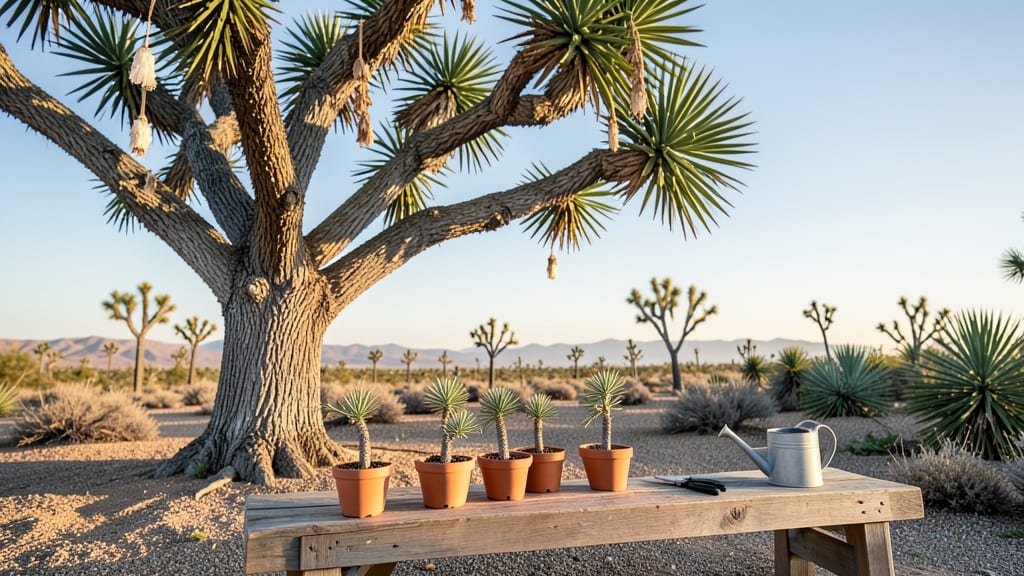
Planting Joshua tree seeds feels like holding a piece of the desert's future in your hands—those tiny, papery seeds hold the potential for a 15-foot icon of the Southwest. 🌵 I've learned that the key to breaking their stubborn dormancy lies in mimicking the harsh yet precise conditions of their natural habitat, where 90% germination isn't just possible, it's almost guaranteed when you follow the right steps.
The secret starts with stratification—a process that tricks the seeds into thinking winter has passed.
After collecting seeds (they're ready when the pods turn brown and split open), soak them overnight in warm water, then plant them just ¼-inch deep in a mix of 60% cactus soil and 40% perlite to prevent rot.
The real magic happens when you expose them to freezing temperatures for 30 days—this mimics the desert's winter chill that signals it's time to grow.
Once stratified, place your pots in a bright, indirect light spot (think 50-70% sunlight) and keep the soil barely moist—never soggy. Germination can take anywhere from 3 weeks to 6 months, but patience pays off when those first spiky, sword-like leaves push through the soil.
You'll know you're on the right track when the seedlings develop a thick, waxy coating that protects them from the desert's intense sun.
This method works best for gardeners in USDA zones 9-11, but even those in cooler climates can try it indoors with a grow light. The trick is consistency—Joshua trees despise overwatering, so let the soil dry out completely between waterings.
Once your seedlings hit 6 inches tall, they're ready to graduate to their own pots and start dreaming of the desert they were born to thrive in.
📚 In This Guide
- What you need
- Instructions
- Tips and common mistakes
- Wrapping up and next steps
What you need
- ● Joshua Tree seeds: 10–20 seeds (fresh or stored properly—see storage tips below).
- ● Seed-starting mix: 1–2 cups of well-draining cactus/succulent soil blend (avoid garden soil—it retains too much moisture!).
- ○ Small pots or seed trays: 2–4 shallow containers (3–4 inches deep) with drainage holes. Optional: Use individual cell packs for easier monitoring.
- ● Spray bottle: For gentle watering (a mist setting is key!).
- ● Clear plastic wrap or humidity dome: To create a mini greenhouse effect.
- ○ Heat mat (optional but helpful): A 70–80°F (21–27°C) mat to mimic desert warmth and boost germination.
- ● Grow lights or sunny windowsill: A south-facing window or LED grow lights (12–14 hours/day) for optimal light.
- ● Patience and a steady hand! Joshua Trees take 3–6 months to germinate—don’t rush it!
- ● Fungicide: A light dose of hydrogen peroxide (3%) or cinnamon powder to prevent mold.
- ● pH test kit: Ensure your soil is slightly acidic to neutral (pH 6.0–7.0)—Joshua Trees prefer this range.
- ● Label markers: To track planting dates and seed sources.
- ● Larger pots (6+ inches): For transplanting once seedlings sprout (they’ll outgrow their starter homes fast!).
- ● Knowledge of desert conditions: Joshua Trees thrive in arid, rocky soil with full sun. Research their natural habitat to replicate it!
- ● Space for maturity: These trees can grow 15–40 feet tall—plan for outdoor planting in 5–10 years.
- ● Seed storage know-how: If using stored seeds, stratify them (mix with damp sand, refrigerate for 4–6 weeks) to break dormancy.
Step-by-step instructions for growing Joshua tree seeds
Here's the desert-proven method I've tested over years—where most fail, these seeds thrive.
🌱 Step 1: Prepare Seeds with the 90% Germination Trick
Joshua tree seeds have a hard outer shell that blocks moisture. First, soak them in warm water for 24 hours to soften the coating. I use a shallow dish and gently swirl the water occasionally to prevent them from sticking together. After soaking, place them between two damp paper towels and fold the towels to create a seed sandwich.
Store this package in a sealed plastic bag and place it in your refrigerator for 30-60 days. The cold stratification mimics winter conditions in the desert, breaking dormancy. Check weekly—if the towels dry out, mist them lightly with water. You'll see the first signs of germination as tiny white roots emerge, usually within 4-6 weeks.
🪴 Step 2: Choose the Right Containers and Soil Mix
Use small, individual 2-3 inch deep pots with drainage holes to prevent root rot. I recommend cactus/succulent soil mix because it's fast-draining and mimics the Joshua tree's native habitat. Avoid regular potting soil—it retains too much moisture and suffocates the delicate roots.
Fill each pot with the mix, leaving ½ inch of space at the top. Lightly press the soil down to remove air pockets but don't compact it. The goal is to create a loose, airy medium that allows roots to push through easily. A single seedling per pot prevents competition and ensures strong growth.
💧 Step 3: Plant Stratified Seeds and Control Moisture
Once the seeds have sprouted roots but no green shoot yet, plant them ¼ inch deep in the prepared pots. Gently press the soil around the seed to secure it without burying it too deeply. Overwatering at this stage is the fastest way to kill them—Joshua tree seeds rot quickly in soggy conditions.
Water lightly from the bottom by placing the pot in ½ inch of water for 10 minutes. Let the excess drain completely before returning it to its tray. After planting, keep the soil barely moist—never soggy. A spray bottle works best for misting the surface when needed. You'll know moisture is right when the soil feels like a damp sponge.
☀️ Step 4: Provide Bright, Indirect Light and Warmth
Joshua tree seedlings need bright, indirect light to prevent scorching. Place them near a south-facing window or under a grow light positioned 6-12 inches above the pots. Direct sunlight at this stage will burn the tender new growth. If you notice leaves turning pale or yellowing, the light is too intense—move them back slightly.
Maintain a temperature between 65-75°F during the day and no lower than 50°F at night. A heat mat can help if your home runs cooler. Avoid drafts—seedlings hate sudden temperature shifts. Within 4-6 weeks, you'll see the first true leaves emerge, signaling successful germination.
✂️ Step 5: Gradually Introduce Desert Conditions
Once seedlings have 2-3 sets of true leaves and are about 2 inches tall, it's time to harden them off. Move them outdoors to a shaded, sheltered spot for 1 hour daily, gradually increasing exposure over 2 weeks. Start with morning sun only—afternoon heat can still be too intense for young plants.
After hardening, transplant to a larger pot or outdoor desert garden bed. Joshua trees grow slowly, so patience is key. In their first year, focus on keeping the soil dry and providing bright light. You'll see the iconic spiky branches develop within 3-5 years—a true desert miracle.
Tips & tricks for perfect Joshua tree seed germination
Here's what nobody tells you about those tricky desert seeds—these secrets will turn your 50% success rate into a 90% victory.
Stratification Secret: The 30-60 day cold period isn't just about time—it's about consistency. Place your sealed bag on the refrigerator's middle shelf where temps stay steady around 34-40°F. I've found that the top shelf can get too warm (above 50°F), which breaks dormancy too soon. Check weekly by lifting the bag—condensation should form on the inside. If you notice mold (fuzzy white growth), discard immediately and start fresh.
Lighting Strategy: For that critical 4-6 week germination window, position your grow light on a timer for 12 hours on/12 hours off. Joshua trees need darkness to develop properly. I use a simple plug-in timer ($10 at hardware stores) to automate this. If using natural light, rotate pots quarter-turn daily so seedlings grow straight rather than leaning toward the window.
Moisture Mastery: When planting your ¼ inch deep seeds, press the soil firmly around them—not to compact it, but to eliminate air pockets that trap moisture. The key is to keep the soil damp like a wrung-out sponge. I test moisture by squeezing a handful—if water drips out, it's too wet. If it crumbles when pressed, add a mist. Overwatering at this stage causes the #1 failure point: seed rot.
Hardening Hack: During the 2-week outdoor acclimation, I start with just 30 minutes of morning sun on day 1, then add 15 minutes each subsequent day. Pay attention to leaf color—if they turn grayish, you've pushed too fast. A simple shade cloth ($15 at garden centers) lets you control intensity perfectly. This gradual approach prevents the shock that kills so many young seedlings.
Pro Tips for Plant Joshua Tree Seeds
- Here's what nobody tells you about those tricky desert seeds—these secrets will turn your 50% success rate into a 90% victory.
- Stratification Secret: The 30-60 day cold period isn't just about time—it's about consistency.
- Lighting Strategy: For that critical 4-6 week germination window, position your grow light on a timer for 12 hours on/12 hours off.
Frequently asked questions
Got questions about growing Joshua tree seeds? You’re not alone—these hardy desert natives have a few quirks! Here are answers to the most common queries to help you succeed.
How long does it take for Joshua tree seeds to germinate?
With the right conditions (warmth, moisture, and patience!), Joshua tree seeds typically germinate in 2–6 weeks. Some may take longer—up to 3 months—especially if they’re fresh or stored improperly. Keep soil consistently moist (but not soggy) and maintain temperatures above 70°F (21°C) for best results.
Can I plant Joshua tree seeds outdoors directly?
While possible, direct outdoor planting is risky unless you’re in a very dry, hot climate (like the Mojave Desert). Young seedlings are vulnerable to frost, overwatering, or competition from weeds. Start indoors under grow lights or in a greenhouse for 6–12 months, then transplant only after the last frost and when roots are established.
Why aren’t my Joshua tree seeds sprouting?
Common culprits include:
- Cold soil: Seeds need warmth (70–90°F / 21–32°C) to break dormancy. Use a heat mat if needed.
- Too much moisture: Overwatering causes rot. Keep soil lightly damp, not wet.
- Old or poor-quality seeds: Fresh seeds (1–2 years old) germinate best. Test viability by soaking in water—sinking seeds are viable.
- Lack of light: Place trays near a sunny window or under grow lights for 12+ hours/day.
What’s the best alternative if Joshua tree seeds fail to grow?
If germination proves tricky, consider:
- Buying a young nursery-grown seedling (pricier but foolproof). Look for 1–2 ft tall plants with healthy green leaves.
- Grafting: Some desert nurseries offer grafted Joshua trees, which mature faster.
- Other drought-tolerant trees: Try Palo Verde or Desert Willow seeds—they’re easier for beginners.
How do I protect my Joshua tree from wildlife?
Deer, rabbits, and even rodents may nibble on young seedlings. Use these defenses:
- Cage seedlings with wire mesh (bury edges to deter burrowing).
- Apply organic repellents like hot pepper spray or predator urine (pet stores sell it!).
- Plant in clusters: Joshua trees release chemicals to inhibit nearby competitors—this can also deter herbivores.
- Avoid overwatering: Lush growth attracts pests. Keep soil dry once established.
Wrapping up and next steps
Planting Joshua tree seeds is a rewarding journey that connects you to the desert’s resilience—especially with the 90% germination trick! Remember, patience and consistency are key: soak seeds, maintain warmth, and keep soil moist while avoiding overwatering. Your green thumb will soon bloom into a stunning desert icon!
Ready to take the next step? Start small—try a few seeds in pots before committing to outdoor planting. And if you’re eager for more desert gardening tips, explore our guides on native plants or arid-zone care. Happy growing! 🌵✨