
Size
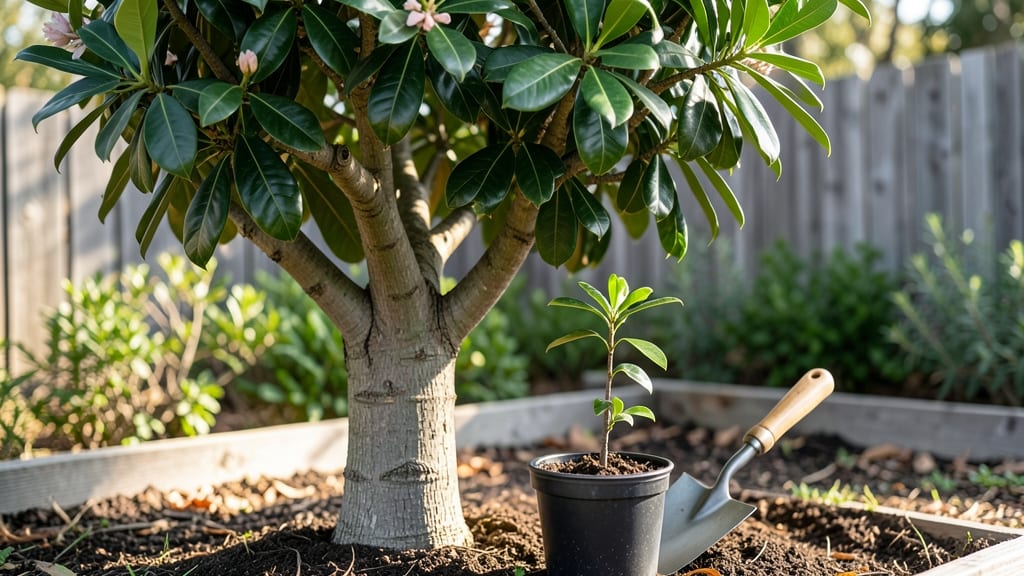
Growing a macadamia tree from seed to nut is a patient but rewarding adventure that starts with the right climate and soil. 🌱 These tropical beauties thrive in zones 9-11, where warm winters and hot summers mimic their native Australia.
My first attempt nearly failed when I ignored the frost warning—now I treat them like delicate houseplants in cooler areas.
The secret to success lies in well-draining, sandy soil with a pH between 5.5 and 7.0. Macadamia trees hate soggy roots, so raised beds or containers work best if your native soil is heavy clay.
Start with a sterile seed mix and a sunny spot getting at least 6-8 hours of light daily—they’re not shade lovers like figs or citrus.
By year 5, you’ll see first harvests of those prized nuts, though full production takes 7-10 years. The trees grow 30-50 feet tall, so plan for space unless you’re growing dwarf varieties.
Prune lightly to encourage air flow, and fertilize twice a year with low-nitrogen, high-phosphorus blends to fuel nut development.
Common pitfalls include overwatering (let soil dry between waterings) and pest pressure (watch for macadamia nut borers). With care, your tree will reward you with edible, buttery nuts and lush foliage that adds tropical flair to any landscape. Ready to plant your future harvest?
📚 In This Guide
- What you need
- Instructions
- Tips and common mistakes
- Wrapping up and next steps
What you need
- ● Macadamia seeds or saplings: 1–3 high-quality seeds (from a mature, healthy tree—not store-bought nuts, as they’re often hybridized and won’t sprout).
- ● OR 1–2 1–2 year-old saplings (from a reputable nursery, like blank">Macadamia Nut Nursery or local tropical plant suppliers).
- ● Well-draining soil mix: 50% sandy loam (or cactus/succulent mix for seeds).
- ● 30% perlite or pumice (for aeration).
- ● 20% compost or peat moss (for nutrients).
- ● Pot or container: For seeds: 3–4 inch diameter pots (with drainage holes).
- ● For saplings: 15–20 gallon container (or in-ground planting in USDA Zones 7b–10).
- ● Drainage tray or saucer.
- ● Spray bottle (for misting seeds).
- ● Humidity dome or plastic wrap (to retain moisture).
- ● Fertilizer: Balanced 10-10-10 fertilizer (for seedlings).
- ● Citrus/macadamia-specific fertilizer (once established, like blank">Jobe’s Citrus & Avocado Fertilizer).
- ● Pruning shears (sterilized with rubbing alcohol).
- ● Mulch: Wood chips or pine bark (2–3 inches deep, keep 6 inches away from trunk).
- ● Climate: Warm, frost-free (macadamias cannot tolerate temps below 15°F (-9°C)).
- ● Sunlight: Full sun (6+ hours/day).
- ● Water: Seeds: Keep soil consistently moist (not soggy).
- ● Saplings: Deep water 2–3x/week (drought-tolerant once mature).
- ● Pollination: Two trees of different varieties (macadamias are not self-pollinating).
- ● Soil pH tester (ideal range: 5.5–7.0).
- ● Drip irrigation system (for consistent moisture).
- ● Tree support stake (for young saplings in windy areas).
- ● Shade cloth (to protect seedlings from harsh afternoon sun).
- ● Growth regulator (like Paclobutrazol, to control height in containers).
Step-by-step guide to cultivating a macadamia tree from seed
Here’s how I’ve learned to turn a single nut into a thriving tree—patience and precision are key.
🌱 Step 1: Extract and Stratify Macadamia Seeds
Start with fresh, mature macadamia nuts—older seeds germinate poorly. Crack the hard shell carefully (a nutcracker works best) to expose the seed inside. The seed’s outer coat is tough; soak it in warm water for 24 hours to soften it slightly before planting.
Macadamia seeds require stratification to break dormancy. Place the seeds in a moistened mix of perlite and peat moss (equal parts) inside a sealed plastic bag. Store the bag in the refrigerator for 8-12 weeks at 35-40°F. Check monthly—keep the mix damp but not soggy. This mimics winter conditions and triggers germination.
Here’s the thing—if you skip stratification, you’ll waste months waiting for seeds that may never sprout. I’ve tried planting unstratified seeds, and they either rot or take over a year to germinate. Don’t rush this step.
⏰ Step 2: Plant Stratified Seeds in a Warm, Controlled Environment
After stratification, plant each seed 1 inch deep in a 4-inch pot filled with a well-draining mix of potting soil and coarse sand (3:1 ratio). Use small pots to prevent overwatering, which can cause root rot. Place the pots in a warm spot (70-75°F)—a seedling heat mat helps maintain consistent warmth.
Keep the soil evenly moist but never waterlogged. A spray bottle works best to avoid displacing seeds. Cover the pot with clear plastic wrap to retain humidity, then remove it once you see tiny green sprouts (in 4-8 weeks). Real talk: germination can be slow, so don’t give up if nothing happens in the first month.
Once the first true leaves appear (not the initial seed leaves), remove the plastic wrap permanently. This is your signal that the seedling is establishing roots. At this stage, move the pot to bright, indirect light—direct sun can scorch delicate young leaves.
☀️ Step 3: Transition to Outdoor Conditions Gradually
After 3-4 months, when the seedling reaches 6-8 inches tall, it’s time to acclimate it to outdoor conditions. Place the pot in a sheltered, partially shaded spot for 2-3 hours the first day, then gradually increase exposure over 2 weeks. This process, called hardening off, prevents shock from sudden temperature or light changes.
Macadamia trees thrive in USDA Zones 7-10, but young seedlings are sensitive to cold. If you live in a cooler climate, wait until spring’s last frost and plant outdoors only after the soil warms to 60°F. Choose a location with full sun (6+ hours daily)—macadamias need intense light to develop strong stems and leaves.
When transplanting, dig a hole twice as wide as the root ball but no deeper. Gently loosen the roots if they’re circling in the pot. Backfill with native soil mixed with compost to encourage root growth. Water deeply after planting to settle the soil.
🌿 Step 4: Maintain Soil, Water, and Nutrients for Long-Term Growth
Macadamia trees prefer well-draining, slightly acidic soil (pH 5.0-6.5). Test your soil—amend with sulfur or peat moss if needed. Mulch with 2-3 inches of organic matter (like wood chips) to retain moisture and suppress weeds. Keep the mulch 6 inches away from the trunk to prevent rot.
Water deeply once a week during the first year, ensuring the soil dries slightly between waterings. Overwatering is the fastest way to kill a young tree—yellowing leaves or wilting are signs of too much moisture. Once established, macadamias are drought-tolerant, but consistent watering in the first few years builds strong roots.
Fertilize lightly in early spring with a balanced, slow-release fertilizer (10-10-10). Avoid high-nitrogen fertilizers—they promote leafy growth at the expense of nut production. Instead, focus on phosphorus and potassium to support flowering and fruiting. I’ve seen trees fertilized too heavily produce all leaves and no nuts—don’t make that mistake.
✂️ Step 5: Prune and Support for Fruit Production
Prune your macadamia tree in late winter or early spring before new growth begins. Remove dead, diseased, or crossing branches to improve airflow and sunlight penetration. Thin out crowded branches to encourage larger nuts—macadamias produce fewer but bigger nuts when given space.
Young trees may need staking to support their weight as they grow. Use 3-4 stakes placed around the trunk and tie the main branches loosely with soft tree ties. Avoid tight bindings—they can girdle the bark as the tree grows. Once the trunk is 2 inches thick, the tree usually stabilizes on its own.
Nut production typically starts 5-7 years after planting, but patience pays off. Male and female flowers appear on separate trees, so you’ll need at least one male and one female tree for pollination. If you’re unsure of your tree’s sex, plant two or three trees—cross-pollination ensures better yields. Watch for small, green flower clusters in spring; successful pollination leads to hard, woody husks by fall.
Tips & tricks for perfect macadamia tree cultivation
Growing a macadamia tree from seed isn't just about patience—it's about precision at each stage. Here's what I've learned the hard way to make sure your tree thrives from that first cracked nut to your first harvest.
Stratification Precision: The 8-12 week stratification period at 35-40°F is non-negotiable for breaking dormancy. I've seen growers try to rush this by using warmer temperatures or shorter periods, but it always leads to poor germination. Use a refrigerator thermometer to monitor the temperature—fluctuations can disrupt the process. Pro tip: Label your bag with the start date so you don't forget when those 8-12 weeks are up. The moisture level is equally critical—too wet and seeds rot, too dry and they won't germinate. Aim for dampness where water beads on the surface but doesn't pool.
Seedling Heat Management: After planting your stratified seeds in the warm 70-75°F environment, consistency is everything. I recommend using a seedling heat mat rather than just placing pots near a heater, as heat mats provide even warmth from below. Watch for condensation on the plastic wrap—this is your signal that humidity levels are perfect. If you notice mold forming on the soil surface, that's a sign you've overdone it with moisture. At this stage, I've found that a small fan on low setting near the seedlings helps prevent damping-off disease without disturbing their delicate growth.
Hardening Off Strategy: The gradual 2-week transition from indoor to outdoor conditions is where most seedlings fail. Start with just 2-3 hours of partial shade on day one, then increase exposure by 1-2 hours each subsequent day. I've seen growers try to speed this process by moving seedlings directly to full sun, and it always results in sunburned leaves. Pay attention to leaf color—healthy green leaves mean you're on track, while yellowing or wilting indicates you're moving too quickly. For cooler climates, consider extending the hardening off period by a week if nighttime temperatures drop below 50°F.
Soil pH Monitoring: Maintaining that slightly acidic pH of 5.0-6.5 is crucial for long-term success. I recommend testing your soil every spring and fall, especially if you notice yellowing leaves or stunted growth. If your soil tests above 6.5, amend with elemental sulfur—it takes time to lower pH, so start this process in early spring. The 2-3 inches of organic mulch helps maintain this ideal pH while also conserving moisture. Just remember to keep that mulch 6 inches away from the trunk to prevent rot—this is a common mistake that leads to collar rot in macadamia trees.
Pro Tips for Grow A Macadamia Tree
- Growing a macadamia tree from seed isn't just about patience—it's about precision at each stage.
- Stratification Precision: The 8-12 week stratification period at 35-40°F is non-negotiable for breaking dormancy.
- Seedling Heat Management: After planting your stratified seeds in the warm 70-75°F environment, consistency is everything.
Frequently asked questions
Got questions about growing macadamia trees?
Here are some of the most common ones—plus quick, practical answers to help you get started or troubleshoot along the way.
How long does it take for a macadamia tree to produce nuts?
A macadamia tree grown from seed can take 7–10 years to bear nuts, while grafted trees (from nurseries) may produce in 3–5 years. Patience is key—early years focus on root and canopy growth!
Can macadamia trees survive cold winters?
Most macadamia varieties thrive in USDA Zones 9–11 (temperatures above 20°F/-7°C). In colder climates, grow trees in containers and move them indoors during winter, or opt for cold-hardy hybrids like ‘Beaumont’. Mulch heavily to protect roots!
What’s the best way to harvest macadamia nuts?
Nuts ripen 6–9 months after flowering. Check for brown, papery husks—if they split open, it’s time! Wear gloves (husks stain!) and collect nuts by hand or with a net. Don’t wash them until fully dried (3–4 weeks) to prevent mold.
Why aren’t my macadamia seeds germinating?
Macadamia seeds are hard-coated, so soak them in warm water for 3–4 days to soften the shell. Plant in well-draining soil at 1-inch depth, keep moist, and place in a warm, sunny spot (75–85°F). Slow germination (weeks to months) is normal—don’t give up!
Can I grow macadamia trees in containers?
Yes! Use a large pot (15+ gallons) with drainage holes and a mix of sandy, acidic soil. Choose dwarf varieties like ‘Ikaika’ and prune regularly. Move containers to bright, indirect light and water deeply when the top inch of soil dries. Ideal for patios or urban gardens!
Wrapping up and next steps
Growing a macadamia tree is a rewarding journey that blends patience with the joy of nurturing something extraordinary. 🌱 From selecting the right seeds to providing optimal care, each step brings you closer to harvesting your own delicious nuts.
With the right conditions—warmth, well-drained soil, and a little love—you’ll soon be enjoying the fruits of your labor.
Ready to take the next step? Start by planting your first seed or sapling this season and watch your macadamia dream grow into reality! 🌟