
Pruning
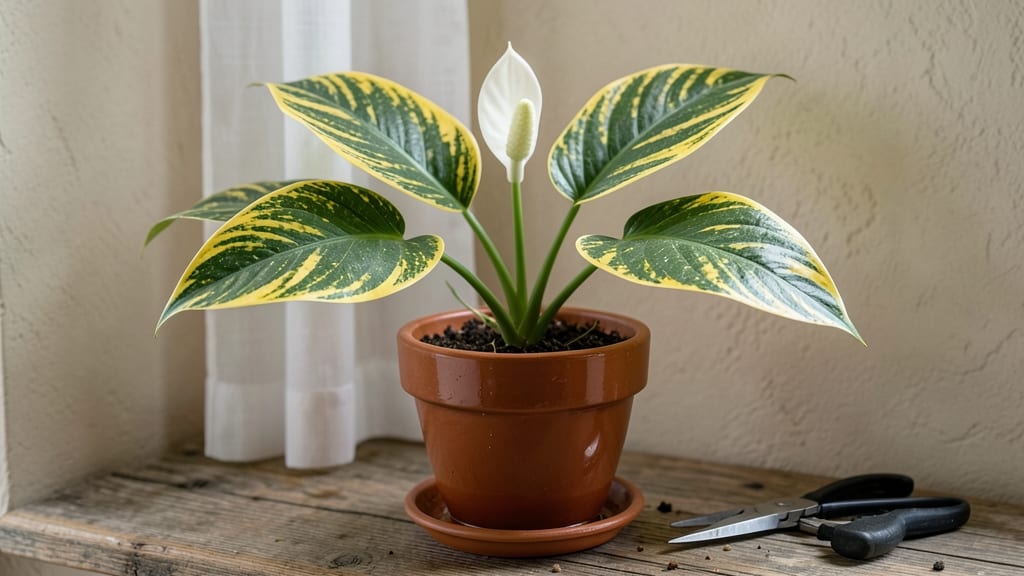
Transforming your Golden Heart tree into a lush, blooming centerpiece starts with the right pruning approach. 🌿 I learned the hard way that aggressive cuts backfire—this plant rewards patience with vibrant foliage and long-lasting flowers when you prune strategically. The key is timing and technique, not shears alone.
You’ll need sharp pruners, a clean workspace, and a clear goal: encourage bushier growth by cutting back leggy stems to just above a leaf node. Most pruning happens after flowering, but light shaping in late winter keeps the tree compact.
The golden foliage stays vibrant when you avoid over-trimming—think sculpting, not hacking.
Within weeks, you’ll see fresh growth sprout from those pruned stems, and the tree will fill out with dense, golden-yellow leaves that glow in sunlight. The blooms last longer too, since pruning removes spent flowers and redirects energy to new growth.
It’s like giving your tree a spa day—it comes back better than before.
This method works year-round in warm climates, but cooler zones should wait until spring. The same principles apply whether you’ve got a mature specimen or a young plant—just scale the cuts to its size. Let’s get those shears ready!
📚 In This Guide
- What you need
- Instructions
- Tips and common mistakes
- Wrapping up and next steps
What you need
- ● Pruning shears: Sharp, bypass-style shears (4-6 inch blades) for clean cuts. Dull shears crush stems—yikes!
- ● Hand pruners: Small, ergonomic pruners (3-4 inch blades) for tight spots. Look for bypass or anvil types (bypass preferred).
- ○ Loppers: Optional for thicker branches (8-10 inch blades). Only needed if your tree is mature.
- ● Disinfectant: 70% isopropyl alcohol or rubbing alcohol + a clean cloth to sterilize tools between cuts.
- ● Gloves: Garden gloves (nitrile or leather) to protect against thorns and sap.
- ○ Pruning sealant: Optional (e.g., tree wound paint) for large cuts (>1 inch diameter) to prevent disease.
- ● Bucket or bag: For collecting trimmings (or a compost bin if you’re eco-friendly!).
- ● Notebook & pen: To jot down notes on cuts, growth patterns, or future pruning goals.
- ● Timing: Prune after flowering (late spring to early summer) or lightly in winter if needed. Avoid heavy pruning in fall.
- ● Weather: Choose a dry, overcast day to reduce stress on the plant.
- ● Safety: Wear protective eyewear if your tree is near power lines or has sharp branches.
- ● Knowledge: Familiarize yourself with the tree’s growth habits—Golden Heart Trees bloom on new wood, so avoid cutting back old growth too aggressively!
Step-by-step guide to pruning your Golden Heart tree
Here's how to coax your tree into fuller, more vibrant growth—without cutting back more than you need.
🌿 Step 1: Time Your Pruning for Peak Health
Prune your Golden Heart Tree (Manihot velutina) in early spring just as new growth begins, or in late summer after major blooming has finished. This timing ensures you're not removing next year's flower buds or stressing the plant during dormancy. Avoid pruning during heatwaves—your tree will struggle to recover when temperatures exceed 85°F.
Look for fresh, bright green leaves at the tips of branches as your signal. These indicate the plant is waking up from winter dormancy and ready to respond to pruning. If you see yellowing leaves, wait until they've fallen naturally before cutting—this prevents disease entry points.
✂️ Step 2: Remove Dead or Damaged Wood First
Start by inspecting the entire tree for dead, diseased, or crossing branches. Dead wood is easy to spot—it's brown, brittle, and won't bend. Diseased branches may have black spots, mold, or oozing sap. Use clean, sharp pruning shears to make 45-degree cuts just above a healthy outward-facing bud or node.
Here's the thing—don't hesitate to remove up to one-third of the plant's height if it's leggy or overgrown. Your Golden Heart Tree is resilient and will bounce back with bushier growth. Just avoid cutting into the thick, woody stems—these take much longer to heal.
🌱 Step 3: Shape for Airflow and Light Penetration
Step back and visualize your tree's natural shape. You want an open center that lets sunlight reach all leaves and encourages blooms. Focus on thinning out overcrowded branches by cutting back to the nearest outward bud. This creates space without sacrificing foliage.
For thicker growth, shorten last year's growth by one-third on select branches. Look for branches growing inward—they'll compete for light and weaken the structure. Cut these at their base. You'll see immediate improvement in airflow, which reduces fungal diseases like powdery mildew.
💧 Step 4: Clean Up and Encourage New Growth
After pruning, sterilize your tools with rubbing alcohol to prevent spreading disease. Remove all fallen debris from the base of the plant—this prevents pests and rot. Water the tree deeply to help it recover, but avoid soaking the cut areas.
Watch for new growth within 2-3 weeks—this is your reward for proper pruning. The fresh shoots will be tender and bright green. If you notice any yellowing or wilting on new leaves, reduce watering slightly and ensure the tree gets bright, indirect light (it tolerates morning sun but prefers afternoon shade).
⏰ Step 5: Maintain Through the Growing Season
Lightly trim any overly long or leggy branches throughout summer to maintain shape. Pinch back new growth tips to encourage bushier growth—this is especially helpful if your tree is growing taller than wide. Just don't remove more than 10% of the foliage at any one time.
Your Golden Heart Tree will thank you with longer-lasting blooms and a fuller shape. The key is consistency—prune annually and watch as your tree transforms from a sparse specimen into a lush, vibrant centerpiece. Real talk: the first year after pruning might look sparse, but trust the process.
Tips & tricks for pruning your Golden Heart tree
Real talk: the difference between a sparse, leggy tree and a lush, blooming beauty often comes down to these simple pruning secrets.
Timing is Everything: I learned this the hard way after pruning my tree during a summer heatwave—it took months to recover. Stick to the early spring or late summer windows when temperatures stay below 85°F. In early spring, look for fresh, bright green leaves at branch tips as your cue. In late summer, wait until after major blooming has finished. The tree's natural growth signals tell you exactly when it's ready.
The Right Tools Make All the Difference: Don't make my mistake of using dull shears—your Golden Heart Tree's thick stems require sharp, clean cuts. Sterilize your tools with rubbing alcohol between cuts to prevent disease spread. For thicker branches, use loppers with bypass blades—these make cleaner cuts that heal faster. I keep my tools in a small caddy by my pruning station for easy access.
Visual Cues for Perfect Cuts: When removing branches in Step 2, aim for a 45-degree angle just above an outward-facing bud. This creates a natural shield that protects the cut from rain and pests. For thicker branches, cut back to a node where new growth can emerge. If you're unsure about a cut, take a step back and visualize how it will affect the tree's overall shape—this is where patience pays off.
Post-Pruning Care Pays Off: After pruning, resist the urge to overwater. Give your tree a deep watering instead, focusing on the root zone rather than soaking the cuts. Watch for new growth within 2-3 weeks—this is your confirmation that the pruning worked. If you notice yellowing on new leaves, it's a sign to reduce watering slightly and ensure your tree gets bright, indirect light, especially if it's in a hotter microclimate.
Pro Tips for Golden Heart Tree
- Real talk: the difference between a sparse, leggy tree and a lush, blooming beauty often comes down to these simple pruning secrets.
- Timing is Everything: I learned this the hard way after pruning my tree during a summer heatwave—it took months to recover.
- The Right Tools Make All the Difference: Don't make my mistake of using dull shears—your Golden Heart Tree's thick stems require sharp, clean cuts.
Frequently asked questions
Got questions about keeping your Golden Heart Tree (Rhaphiolepis umbellata) thriving? Here are answers to the most common queries from gardeners just like you!
When is the best time to prune my Golden Heart Tree?
The ideal time is late winter or early spring (just before new growth appears). Avoid pruning in fall—it can stimulate tender growth vulnerable to frost damage. Light shaping can also happen after blooming, but avoid heavy cuts then to preserve next year’s flowers. Pro tip: If you must prune in summer, do it early to minimize stress!
How much can I prune without harming the tree?
Golden Heart Trees are forgiving, but never remove more than 1/3 of the foliage in one session. Over-pruning can stress the plant, reducing blooms or even causing dieback. Focus on thinning out crowded branches and shaping rather than aggressive cuts. For mature trees, 10-20% annual pruning keeps them healthy and bushy.
Why did my Golden Heart Tree stop flowering after pruning?
Heavy pruning too late in the season (after blooming) or cutting back old wood can reduce next year’s flowers. These trees bloom on last year’s growth, so avoid trimming flower buds or stems until after they fade. If blooms are sparse, try a light prune in early spring to encourage new growth.
Can I prune my Golden Heart Tree in containers?
Yes! Container-grown Golden Heart Trees need regular pruning—every 4-6 weeks—to control size and shape. Use the same techniques as for in-ground trees, but water thoroughly after pruning to reduce shock. Repot every 2-3 years if roots are circling, and prune just before repotting for better recovery.
What should I do if my tree gets brown, crunchy leaves after pruning?
Brown, crispy leaves usually mean pruning too late, overwatering, or fungal stress. First, check for proper watering (let soil dry slightly between waterings). If fungal issues arise, treat with neem oil or copper fungicide. Avoid pruning during wet weather to prevent infections. Most trees bounce back with consistent care!
Wrapping up and next steps
The Golden Heart Tree (also known as Cercis canadensis 'Alboplena') is a stunning addition to any garden, and with the right pruning techniques, you can encourage vibrant blooms and a fuller shape for years to come.
Remember, timing, tools, and technique are your best friends—whether you're shaping young trees or reviving mature ones. Now that you're armed with expert tips, there's no better time to roll up your sleeves and give your Golden Heart Tree the care it deserves! 🌿✂️
Your Next Step:
- Mark your calendar for late winter or early spring—your tree’s pruning window is open!
- Gather your tools (clean, sharp shears, gloves, and a ladder if needed) and get ready to transform your tree.
- Share your progress—tag us in your before-and-after photos for a little inspiration boost! 📸