
Pruning
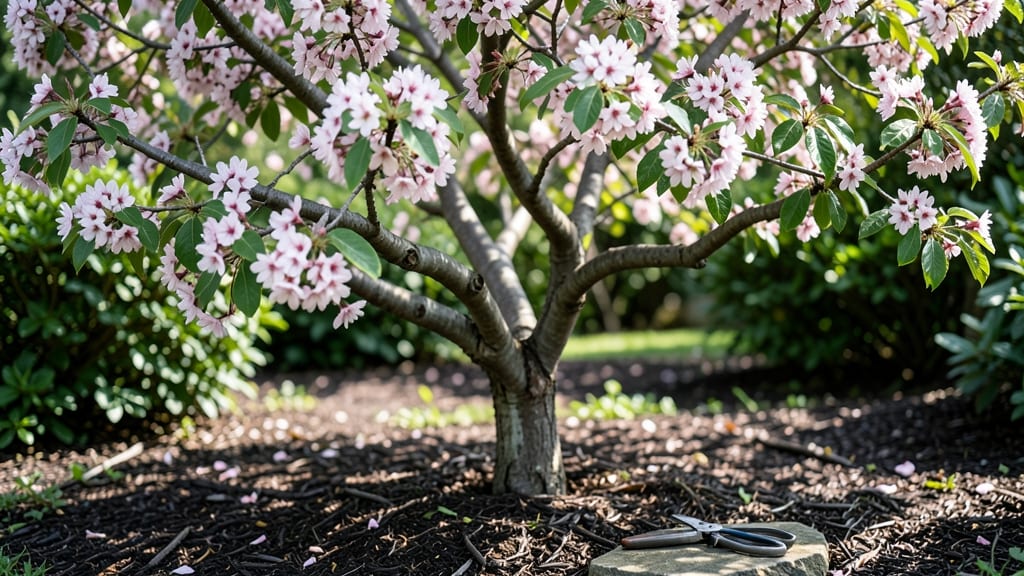
The flowering almond tree's delicate pink blooms transform any yard into a springtime masterpiece—but keeping them coming year after year depends on pruning. I learned this the hard way after my first tree produced stunning flowers only once before turning into a tangled mess.
The secret isn’t just cutting branches; it’s understanding when and how to shape the tree for both beauty and health.
Pruning at the right time—just after flowering but before new growth—encourages more blooms while keeping the tree strong. You’ll need sharp pruners, a ladder (for taller branches), and about 30 minutes to an hour, depending on the tree’s size.
The goal is to open up the center for sunlight and air, which prevents disease and attracts pollinators. Even if you’ve never pruned before, this method is foolproof once you get the timing right.
By following this guide, you’ll end up with a tree that bursts into vibrant pink clouds every spring, produces edible almonds in fall, and stays healthy for decades.
The best part? You’ll skip the guesswork that leads to over-pruned branches or missed bloom seasons. Let’s get those shears ready—your tree’s next chapter starts now.
This approach works for both young trees and mature specimens, whether you’re shaping a small patio tree or a landscape centerpiece. The key is consistency: a little effort now means years of effortless beauty. Ready to transform your tree’s future?
📚 In This Guide
- What you need
- Instructions
- Tips and common mistakes
- Wrapping up and next steps
What you need
- ● Pruning shears: Bypass shears (for clean cuts on smaller branches) – 1 pair (look for sharp, stainless-steel blades).
- ● Loppers: For thicker branches (up to 2 inches in diameter) – 1 pair (with a long handle for reach).
- ● Pruning saw: For stubborn, larger branches – 1 (with a curved blade for precision).
- ● Disinfectant: 70% isopropyl alcohol or a commercial pruning sealant – small bottle (to prevent disease spread).
- ● Gloves: Heavy-duty gardening gloves – 1 pair (to protect from thorns and sap).
- ○ Pruning sealant: Optional but helpful for sealing larger cuts – small tub (prevents sap bleeding and pests).
- ● Extension pole: For high branches – 1 (with a saw attachment if needed).
- ● Tarp or drop cloth: To collect debris – 1-2 (saves cleanup time!).
- ● Timing: Prune in late winter or early spring (before buds swell) for best results.
- ● Weather: Choose a dry, overcast day (avoid pruning in wet or windy conditions).
- ● Tree health: Inspect for diseased or dead branches before starting—remove those first!
- ○ Safety gear: Safety glasses (optional but recommended) to shield from flying debris.
- ● Plan ahead: Sketch a rough pruning map of your tree’s structure to visualize cuts.
Step-by-step pruning guide for a thriving flowering almond tree
Here’s the method I’ve used to keep my flowering almond tree blooming beautifully for years—simple, effective, and tailored to its unique needs.
Prune at the Right Time for Maximum Blooms
Timing is everything with flowering almond trees. Prune right after the blooms fade but before new growth starts—typically in late spring or early summer. This ensures you remove spent flowers without cutting into next year’s bud formation. Avoid pruning in fall or winter, as the tree needs its energy to harden off for dormancy.
Watch for the first signs of new leaf buds along the branches. These indicate the tree is preparing for spring growth, and pruning at this point helps redirect energy toward stronger blooms. If you prune too early, you risk removing next year’s flower buds; if you wait too long, you’ll cut into fresh growth that could have supported more blossoms.
Remove Dead, Diseased, or Weak Branches First
Start by identifying and cutting out any dead, diseased, or crossing branches. Use clean, sharp pruners to make cuts just outside the branch collar—the swollen area where the branch meets the trunk. This prevents tearing and promotes faster healing. Dead branches are easy to spot: they’re brittle, dark, or don’t bleed sap when cut.
Next, look for branches that rub against each other or grow inward. These compete for sunlight and air circulation, which weakens the tree and reduces bloom quality. Removing them early prevents future damage and keeps the tree’s shape open. If a branch is less than ¼ inch thick, you can snap it off by hand—just bend it until it breaks cleanly at the base.
Thin Out Overcrowded Areas for Better Airflow
Flowering almond trees thrive when they have good airflow, which reduces humidity-related diseases and encourages stronger blooms. Focus on thinning out branches that create dense clusters, especially in the center of the tree. Aim to remove 20-30% of the total branches to improve light penetration and air movement.
Look for branches that grow straight up or downward—they often block sunlight from reaching inner branches. Cut these back to a side branch or outward-facing bud to open up the canopy. You’ll notice the tree’s natural shape emerge as you prune, making future maintenance easier. Avoid removing more than one-third of the foliage in a single session, or you’ll stress the tree.
Shape the Tree for Balance and Blooms
Flowering almond trees benefit from a slightly open, vase-like shape that allows sunlight to reach all branches. Start by selecting 3-5 main scaffold branches—these should be evenly spaced around the trunk and angled outward. If any scaffold branches are too close together or growing inward, prune one to maintain balance.
For smaller branches, use the "third bud out" rule: when pruning a branch, cut just above a bud that faces outward. This encourages growth in the right direction and prevents the tree from becoming too dense. Step back occasionally to check your progress—you want a tree that looks full but not cluttered, with sunlight able to reach the inner branches.
Clean Up and Monitor for Recovery
After pruning, rake up and dispose of all clippings to prevent disease from spreading. Sterilize your pruners with rubbing alcohol or a 10% bleach solution to kill any lingering pathogens. This is especially important if your tree showed signs of disease before pruning.
Water the tree deeply after pruning to help it recover, but avoid overwatering—soggy soil can lead to root rot. Monitor the pruned areas for new growth within 2-3 weeks. If you see fresh leaves emerging from the cuts, the tree is healing well. If not, check for signs of stress like yellowing leaves or wilting, which may indicate over-pruning or disease.
Tips & tricks for perfect flowering almond tree pruning
Pruning your flowering almond tree right can make all the difference between sparse blooms and a spectacular display. Here's how to avoid common pitfalls and maximize your tree's potential.
The Timing Factor: The late spring to early summer window is critical for pruning—this is when your tree has already bloomed but hasn't yet started vigorous new growth. I've learned this the hard way after seeing trees with fewer blooms because I pruned at the wrong time. Watch for those first tiny leaf buds appearing along the branches; that's your cue to start pruning. These buds indicate the tree is shifting energy from blooms to foliage, and pruning at this stage helps redirect that energy toward next year's flowers.
Branch Selection Strategy: When thinning branches in Step 3, focus on creating an open vase shape rather than just removing any branches. I always step back every few cuts to visualize the tree's structure. Look for branches that grow straight up or downward—they're often the culprits blocking sunlight from reaching inner branches. Cut these back to a side branch or outward-facing bud. This might seem counterintuitive, but it actually encourages more blooms by allowing better light penetration throughout the tree.
Tool Preparation: Clean, sharp pruners are non-negotiable for healthy cuts. I sterilize my tools with rubbing alcohol between cuts, especially if I notice any signs of disease on the branches. For branches less than ¼ inch thick, you can actually snap them off cleanly by hand—just bend until they break at the base. This prevents tearing and promotes faster healing. I've found that using dull tools often results in jagged cuts that take much longer to heal, sometimes leading to disease entry points.
Recovery Monitoring: After pruning, keep an eye out for new growth within 2-3 weeks as your tree's progress indicator. Healthy new leaves emerging from the cuts mean your tree is recovering well. If you notice yellowing leaves or wilting, it might indicate over-pruning or disease. In my experience, the tree's response within this timeframe tells you whether you've maintained the right balance between shaping and stress. If you see minimal new growth, you may have been too aggressive with your cuts.
Pro Tips for Flowering Almond Tree
- Pruning your flowering almond tree right can make all the difference between sparse blooms and a spectacular display.
- The Timing Factor: The late spring to early summer window is critical for pruning—this is when your tree has already bloomed but hasn't yet started vigorous new growth.
- Branch Selection Strategy: When thinning branches in Step 3, focus on creating an open vase shape rather than just removing any branches.
Frequently asked questions
Got questions about keeping your flowering almond tree thriving with stunning blooms? Here are answers to the most common ones—so you can prune with confidence!
When is the best time to prune a flowering almond tree?
The ideal window is late winter or early spring (just before buds swell), but you can also do light pruning in summer to shape the tree. Avoid heavy cuts in fall—it stimulates new growth that won’t harden off before winter. Pro tip: If you miss the spring window, wait until late winter next year!
Will pruning my flowering almond tree reduce its blooms?
Not if done right! Pruning encourages more vibrant blooms by improving airflow and sunlight penetration. Remove dead, crossing, or overcrowded branches first—these are the culprits that steal energy from flowers. Focus on open-center shaping to let light reach inner branches.
How do I know if I’m pruning too much?
If you see more than 25% of the tree’s canopy removed in one session, you’ve overdone it. Signs of over-pruning include stunted growth, sparse foliage, or no blooms the next season. Rule of thumb: Never cut back more than 1/3 of a branch’s length at once.
Can I use the same pruning techniques for a flowering almond as for fruit-bearing almond trees?
Mostly, but there’s a key difference: flowering almonds prioritize blooms over nuts, so avoid aggressive fruit-thinning cuts. Focus on structural pruning (removing water sprouts, suckers, and weak growth) to maintain that showstopping floral display. Fruit-bearing varieties need more precise timing for nut production.
My flowering almond tree isn’t blooming—what went wrong?
Bloom failures often stem from poor pruning, nutrient deficiencies, or environmental stress. Check for:
- Improper pruning (e.g., cutting too late in the season).
- Lack of sunlight (prune to open the canopy).
- Over-fertilizing with nitrogen (promotes leaves over flowers).
- Cold damage (young trees need winter protection).
Try a balanced 10-10-10 fertilizer in early spring and ensure it gets 6+ hours of sunlight daily.
Wrapping up and next steps
With the right tools, timing, and techniques, your flowering almond tree can thrive year-round, gracing your garden with stunning blooms and robust health. Remember, consistent pruning—whether for shaping, rejuvenation, or disease prevention—is key to keeping your tree happy and vibrant. 🌸
Ready to take the next step? Start small—pick one pruning task from this guide and observe how your tree responds. Over time, you’ll build confidence and unlock the full potential of your flowering almond tree. Happy pruning!