
Pruning
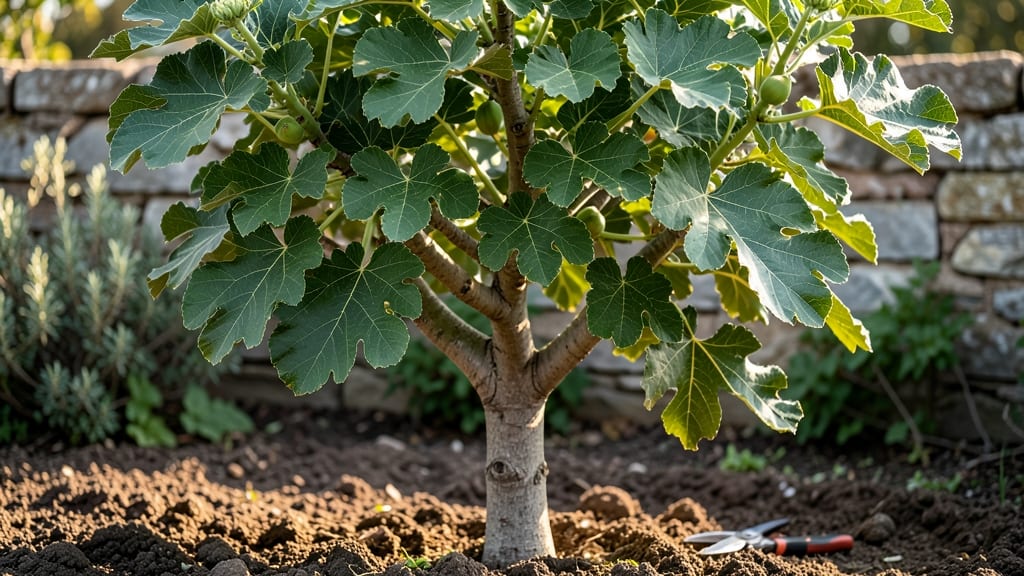
Spring pruning your fig tree isn’t just about shaping branches—it’s the secret to bushier growth and year-round fruit production that most gardeners miss. 🌿 I’ve watched figs go from sparse, leggy shrubs to dense, productive bushes after just one season of targeted cuts, and the difference is shocking.
The key? Timing, technique, and knowing which growth to encourage (and which to trim away).
Most people wait until summer or fall, but spring is when fig trees wake up hungry—pruning now directs their energy into thicker canes and more fruit clusters. You’ll need sharp pruners, a clean workspace, and about 30 minutes for a mature tree.
The goal isn’t to hack it back but to sculpt it: remove dead wood, thin crowded branches, and open the center for airflow. Even in colder zones (like USDA 7-8), this method works if you avoid heavy cuts too early.
What you’ll end up with is a tree that looks fuller by summer and keeps producing fruit well into fall—some varieties even bear in winter with protection. The leaves stay vibrant, the branches thicken, and you’ll notice fewer gaps where pests can hide.
Think of it as giving your fig tree a fresh start, like a haircut that makes everything else about it look better. Ready to transform that scraggly shrub into a powerhouse?
Here’s the catch: if you’re in a warmer zone (9-10), hold off on heavy pruning until after the last frost—figs start growing early, and cold snaps can stress fresh cuts. But for everyone else, now’s the time to act while the tree’s still dormant but ready to respond.
Let’s get those pruners sharp and make this your best fig season yet.
📚 In This Guide
- What you need
- Instructions
- Tips and common mistakes
- Wrapping up and next steps
What you need
- ● Pruning shears – Bypass-style (sharp, clean cuts), 6-8" blades (for small branches).
- ● Loppers – 10-12" blades (for thicker branches, ½–1½" diameter).
- ● Pruning saw – Bow saw or folding saw (for branches >1½" thick).
- ● Gloves – Heavy-duty, cut-resistant (fig thorns are no joke!).
- ○ Disinfectant (optional but recommended) – 70% isopropyl alcohol or rubbing alcohol to sterilize tools between cuts (prevents disease spread).
- ● Ladder or step stool – Sturdy, non-slip (if tree is >6 ft tall).
- ● Heavy-duty trash bags – For collecting pruned branches (2–3 bags, depending on tree size).
- ● First-aid kit – Just in case (fig thorns can draw blood!).
- ● Rag or paper towels – For wiping tools and hands.
- ● 🔥 Tool sharpness is key! Dull blades tear bark—always sharpen shears/loppers before starting.
- ● 🌡️ Timing matters: Prune on a dry, cloudy day to reduce stress on the tree.
How to prune a fig tree for year-round growth
Spring is the perfect time to shape your fig tree—here's how to do it right.
🌱 Step 1: Identify Last Year's Growth and Weak Branches
Start by examining your fig tree in early spring, just as new buds begin to swell. Look for branches that grew last season—they'll be thicker and more established than the current year's growth. Remove any dead, damaged, or crossing branches first. These are easy to spot: they're brown, brittle, or rubbing against other branches.
Focus on branches thinner than a pencil—these are often weak and won't contribute much to fruit production. I always start pruning from the bottom up, working my way toward the center of the tree. This makes it easier to see what's left after each cut. Keep an eye out for branches growing straight up or inward—they'll compete with others for sunlight and air circulation.
✂️ Step 2: Make Clean Cuts at the Right Angle
Use sharp pruning shears to make cuts just above a bud or branch junction. The cut should be at a 45-degree angle, about ¼ inch above the bud you want to encourage. This angle helps water run off the cut instead of pooling and rotting the branch. If you're cutting a larger branch, use loppers and make the cut just outside the branch collar—the swollen area where the branch meets the trunk.
Never leave stubs—this invites disease and weak growth. Fig trees heal quickly, so don't worry about making perfect cuts right away. Just focus on clean, precise angles. For branches thicker than ½ inch, make a second cut on the underside of the branch, about ½ inch away from the first cut, to prevent tearing the bark.
☀️ Step 3: Thin Out for Better Airflow and Light
Your goal is to create an open, airy structure that lets sunlight reach the center of the tree. Remove about 20-30% of the total branches, focusing on those that cross or grow too close together. This prevents future rubbing and disease. I like to step back every few cuts to visualize the tree's shape—you want a balanced, rounded silhouette that catches light from all sides.
Pay special attention to the tree's center. If it's too dense, sunlight won't reach the inner branches, and fruit production will suffer. Thin out enough branches to let light penetrate at least 3-4 feet into the tree. You'll know you're on the right track when you can see through the center to the other side.
🌿 Step 4: Encourage New Growth with Strategic Cuts
To promote bushier growth, cut back some of the strongest branches by about ⅓ of their length. This stimulates the tree to produce new side shoots, which will eventually bear fruit. Focus on branches that grew last year—they're mature enough to handle pruning but still flexible enough to regrow. Avoid cutting into old, woody branches, as they won't regenerate well.
If your fig tree has long, leggy branches, you can shorten them by ⅓ to ½ their length to encourage a more compact shape. Just make sure to leave a strong bud or branch junction where new growth can emerge. Water the tree deeply after pruning to help it recover and reduce stress. You'll see new shoots within 4-6 weeks, signaling that the tree is responding well to the cuts.
Tips & tricks for perfect fig tree spring pruning
Here's what I've learned after pruning dozens of fig trees—these little tricks make all the difference for healthy, productive growth.
Timing is Everything: The early spring timing in Step 1 is critical because you want to prune just as new buds begin to swell, but before they actually open. This gives your tree time to recover before the growing season kicks into high gear. If you prune too early, your tree won't have energy to produce new growth, and if you wait too long, you risk removing potential fruit-bearing branches.
Tool Prep Prevents Problems: Before you even start cutting, take 5 minutes to sharpen your pruning shears and clean them with rubbing alcohol. Dull tools crush branches instead of making clean cuts, which stresses the tree and invites disease. I also like to disinfect my tools between cuts on different trees to prevent spreading any potential infections. This simple step in Step 2 saves you from future headaches.
Visualization Technique: When you reach Step 3, step back every 5-10 cuts to visualize your tree's shape. Imagine sunlight coming from all directions—you want your tree to look like it's catching light from above, below, and the sides. This open structure isn't just about looks; it's about maximizing fruit production by ensuring every branch gets proper airflow and sunlight. Think of it like arranging furniture in a room where everyone can see the view.
Post-Pruning Care: After you've made all your cuts in Step 4, don't just walk away! Water your tree deeply right after pruning to help it recover. I like to add a slow-release fertilizer at this time to give your tree a nutrient boost as it starts producing new growth. This is especially important if you've done significant pruning—your tree will need extra resources to regenerate.
Pro Tips for Fig Tree Spring
- Here's what I've learned after pruning dozens of fig trees—these little tricks make all the difference for healthy, productive growth.
- Timing is Everything: The early spring timing in Step 1 is critical because you want to prune just as new buds begin to swell, but before they actually open.
- Tool Prep Prevents Problems: Before you even start cutting, take 5 minutes to sharpen your pruning shears and clean them with rubbing alcohol.
Frequently asked questions
Got questions about pruning your fig tree in spring? You're not alone! Here are answers to the most common concerns—from timing to tools—to help you grow a thriving, productive tree.
When is the exact best time to prune a fig tree in spring?
The ideal window is right after the last frost (when soil warms to 60°F+) but before new growth begins. For most regions, late March to early April works best. If your tree blooms early, prune after harvest to avoid cutting off next year’s fruit. Pro tip: Check your local frost dates—figs hate cold snaps!
Can I use regular shears, or do I need special pruning tools?
For small branches (<1 inch thick), sharp bypass pruners work fine. For thicker limbs, use loppers or a pruning saw. Avoid hedge trimmers—they tear bark, inviting disease. Pro tip: Sterilize tools with rubbing alcohol between cuts to prevent fungal spread!
Will pruning reduce my fig harvest this year?
Not if done right! Pruning encourages more fruit by improving airflow and sunlight. However, over-pruning (cutting >30% of the canopy) may delay harvest by 1–2 weeks. Focus on removing dead wood and crossing branches first. Pro tip: Thin out crowded branches to boost fruit size!
What if I missed spring pruning? Can I still fix it?
Yes, but act fast! Prune lightly in early summer (June) to shape the tree, but avoid heavy cuts—figs grow slowly and need time to recover. Skip autumn pruning entirely; it stresses the tree before winter. Pro tip: If branches are already overgrown, prioritize removing dead wood first.
Will pruning attract pests like wasps or ants?
Pruning itself won’t cause pests, but sap oozing from fresh cuts can. To deter pests, apply pruning sealant (optional for figs) or mix 1 part water + 1 part vinegar in a spray bottle. Clean up fallen branches promptly. Pro tip: Time cuts for early morning to let wounds dry before pests wake up!
Wrapping up and next steps
Spring is the perfect time to transform your fig tree into a thriving, productive powerhouse! 🌿 By following these pruning steps—clearing dead wood, shaping for sunlight, and encouraging new growth—you’ll enjoy bushier blooms and a bountiful harvest all year.
Remember, patience and consistency are key, and soon your tree will reward you with lush foliage and sweet fruit.
Ready to get started? Grab your pruners and head to the garden—your fig tree’s best days are ahead! 🌱 For extra guidance, bookmark this guide or share it with fellow gardening enthusiasts. Happy pruning!