
Pests and Diseases
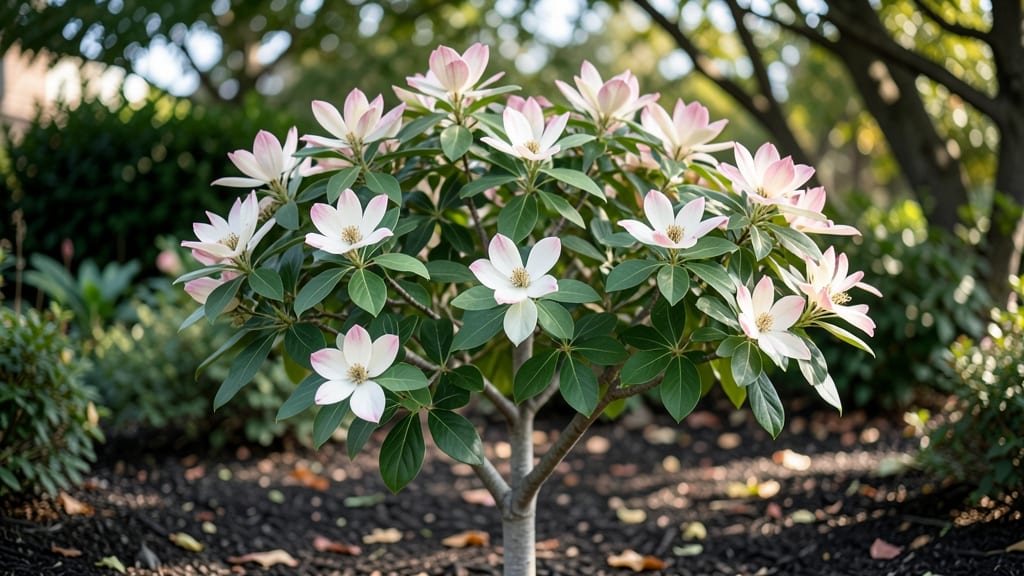
The pink-and-white dogwood tree transforms any garden into a living canvas with its delicate blooms and graceful silhouette. I planted mine five years ago, and it’s already the centerpiece of my backyard—spring’s soft pink flowers, summer’s glossy foliage, and winter’s bare branches with character.
The best part? It thrives with almost no fuss, making it perfect for busy gardeners who still want drama.
This tree works as a standalone statement piece or paired with hostas, ferns, and azaleas for layered interest. In spring, its blooms contrast beautifully with blueberry bushes, while in fall, the burgundy leaves add warmth.
Even in winter, its structure provides year-round elegance. Plant it where it gets morning sun and afternoon shade for the best display—your garden will thank you.
📚 In This Guide
- What you need
- Instructions
- Tips and common mistakes
- Wrapping up and next steps
What you need
- ● Pruning shears – Sharp, bypass-style shears (for clean cuts). Quantity: 1 pair.
- ● Gloves – Heavy-duty gardening gloves (protection from sap, pests, or thorns). Quantity: 1 pair.
- ● Disinfectant (70% isopropyl alcohol or bleach solution) – To sterilize tools between cuts. Quantity: Small bottle or spray.
- ● Fungicide (copper-based or systemic) – For treating powdery mildew or anthracnose. Quantity: 1–2 gallons (follow label instructions).
- ● Insecticidal soap or horticultural oil – Targets aphids, mites, or scale. Quantity: 1–2 quarts.
- ● Spray bottle or hose attachment – For applying treatments evenly. Quantity: 1.
- ● Plastic sheeting or drop cloth – To protect ground from spills. Quantity: 1–2 sheets (5’x5’).
- ● Loppers – For thicker branches (if pruning larger limbs). Quantity: 1 pair.
- ● Tree wound dressing – Speeds healing of pruning cuts (controversial but useful for large wounds). Quantity: Small tub.
- ● Magnifying glass – Helps spot tiny pests or early disease signs. Quantity: 1.
- ● Pest ID guide or app – For confirming what’s bugging your tree! (Example: PlantSnap or iNaturalist).
Step-by-step guide to cultivating a thriving pink-and-white dogwood tree
Here’s how to nurture this stunning ornamental tree with seasonal care that highlights its natural elegance.
Select the Ideal Planting Location
Dogwood trees thrive in partial shade to full sun, with at least 4-6 hours of morning sunlight to prevent leaf scorch. Choose a spot with well-draining soil—they hate soggy roots. The pink-and-white varieties, like Cornus florida 'Rubra', perform best in USDA Hardiness Zones 5-9, so check your local climate before planting.
Dig a hole twice as wide as the root ball but no deeper. Loosen the soil at the base to encourage root spread. Here’s the thing—dogwoods develop shallow roots, so avoid heavy clay or compacted soil. Amend with 2-3 inches of organic matter (like compost) if your native soil is dense. Water the hole thoroughly before planting to settle the soil.
Plant with Proper Spacing and Mulching
Space mature dogwoods 15-25 feet apart to allow airflow and prevent disease. For smaller varieties, 10-15 feet is sufficient. Place the tree so the root flare (where roots meet the trunk) sits 1-2 inches above ground level—burying it too deep suffocates the roots. Backfill with native soil, tamping gently to remove air pockets.
Apply a 3-inch layer of mulch (wood chips or shredded bark) around the base, keeping it 6 inches away from the trunk to prevent rot. Mulch retains moisture and regulates soil temperature, which is critical during summer heat. Water deeply after planting to encourage root establishment, then let the soil dry slightly before watering again.
Maintain Seasonal Care for Year-Round Interest
Dogwoods are low-maintenance, but spring and summer watering is key—1-1.5 inches per week, more in drought. You’ll know it’s time to water when the top 2 inches of soil feel dry. Fertilize lightly in early spring with a balanced 10-10-10 formula, but avoid heavy feeding—dogwoods prefer lean soil.
Prune only to remove dead, diseased, or crossing branches in late winter or early spring before new growth starts. Never prune in fall—it invites fungal infections. Thin out crowded branches to improve airflow, but never cut more than 25% of the canopy in one season. The goal is to preserve the tree’s natural shape and encourage those iconic spring blooms.
Protect Against Common Pests and Diseases
Dogwoods are susceptible to powdery mildew and anthracnose fungus, especially in humid climates. Improve airflow with proper spacing and avoid overhead watering. If you spot black spots on leaves or a white powdery coating, prune affected branches immediately and apply neem oil as a preventive spray.
Watch for borers—tiny holes in the bark signal an infestation. Remove infested branches and treat with systemic insecticide if needed. Healthy dogwoods rarely struggle, but stressed trees (from overwatering or poor drainage) are more vulnerable. A thin layer of mulch and consistent moisture keep them resilient.
Enjoy Year-Round Beauty with Minimal Effort
The pink-and-white dogwood’s spring blooms steal the show, but don’t overlook its fall color—leaves turn vibrant reds and purples. In winter, the exfoliating bark adds texture, and birds flock to its berries (if you’re growing a fruiting variety). The secret to long-term success? Less is more—avoid heavy pruning, fertilizing, or watering once established.
With this care routine, your dogwood will reward you with decades of effortless beauty. Real talk: the first few years are the most critical—after that, it’s mostly admiring the show. Step back, enjoy the view, and let nature do the rest.
Tips & tricks for perfect pink-and-white dogwood cultivation
Here's what nobody tells you about making your dogwood thrive—these are the secrets that take your tree from "meh" to "showstopper."
Location Intelligence: That 4-6 hours of morning sunlight is non-negotiable for vibrant blooms, but here's the twist: afternoon shade is your friend in hotter climates. I've seen dogwoods in Zone 8 wilt under full afternoon sun, while those with filtered afternoon light produced twice as many flowers. If your yard has intense afternoon heat, consider planting on the east side of buildings or under high-canopy trees.
Root Ball Revelation: The root flare being 1-2 inches above ground isn't just about aesthetics—it's about oxygen flow to those shallow roots. I learned this the hard way after burying a dogwood too deep; it took three years for the roots to finally establish properly. Use a level to check placement before backfilling, and never mound soil against the trunk after planting. The roots need room to breathe horizontally.
Mulch Mastery: That 3-inch layer of mulch is your tree's best friend, but placement matters just as much as quantity. I used to pile mulch right against the trunk—big mistake. Now I keep it 6 inches away to prevent rot while still protecting the roots. Pro tip: refresh the mulch annually in spring, mixing in some compost to replenish nutrients without overfeeding.
Pruning Precision: The 25% canopy rule is your safety net, but timing is everything. I've seen gardeners prune in fall and watch their trees develop fungal issues overnight. Always do your pruning in late winter when the tree is dormant but before buds swell. Use sharp, clean tools to make cuts just outside the branch collar—this ensures faster healing and prevents unsightly stubs.
Pro Tips for Dogwood Tree Pink And White
- Here's what nobody tells you about making your dogwood thrive—these are the secrets that take your tree from "meh" to "showstopper."
- Location Intelligence: That 4-6 hours of morning sunlight is non-negotiable for vibrant blooms, but here's the twist: afternoon shade is your friend in hotter climates.
- Root Ball Revelation: The root flare being 1-2 inches above ground isn't just about aesthetics—it's about oxygen flow to those shallow roots.
Frequently asked questions
Got questions about your stunning pink and white dogwood tree? You’re not alone! Whether you’re a new owner or a seasoned gardener, these common queries can help you keep your tree thriving with minimal fuss.
Why aren’t my dogwood flowers pink and white this year?
Dogwoods may skip vibrant blooms due to late frost, nutrient deficiencies, or stress (like drought or transplant shock). Most varieties bloom in early spring—if flowers are sparse, check for leaf spot or powdery mildew (white fungal growth). Prune dead branches in late winter to encourage new growth.
Are pink and white dogwoods prone to pests or diseases?
Yes! Watch for borers (tiny holes in bark), scale insects (sticky residue), and anthracnose fungus (black spots on leaves). Preventative care helps: Water at the base, avoid overhead sprinklers, and mulch 2–3 inches deep to deter pests. Neem oil or horticultural soap can treat mild infestations.
How long does it take for a dogwood tree to bloom?
Young dogwoods (under 3–5 years) may focus on root/leaf growth instead of flowers. Pink and white varieties like ‘Cherokee Brave’ or ‘White Pixie’ typically bloom 3–7 years after planting. Patience pays off—mature trees (10+ years) produce show-stopping spring displays!
Can I prune my dogwood tree anytime, or is there a best time?
Prune only in late winter or early spring (before buds swell) to avoid removing next year’s flowers. Never prune after June—it can stunt blooms. Remove dead/diseased branches anytime, but limit heavy pruning to 10–15% of the canopy per year to keep it healthy.
What’s a low-maintenance alternative if dogwoods require too much care?
If you love pink/white blooms but want less fuss, try:
- Serviceberry (Amelanchier) – Edible berries + spring flowers.
- Japanese Tree Lilac – Fragrant blooms, drought-tolerant.
- Viburnum – Disease-resistant, berry-producing.
Wrapping up and next steps
The pink and white dogwood tree is a stunning, low-maintenance addition to any landscape, offering year-round charm with minimal pruning effort. Its vibrant blooms, lush foliage, and graceful form make it a standout choice—whether you're battling pests, preventing diseases, or simply enjoying its beauty.
With the right care, this tree can thrive for decades, bringing joy and elegance to your outdoor space.
Ready to plant or pamper your own? Start by choosing a healthy specimen, then follow the tips shared to keep it flourishing. Happy gardening! 🌸🌿