
Trees
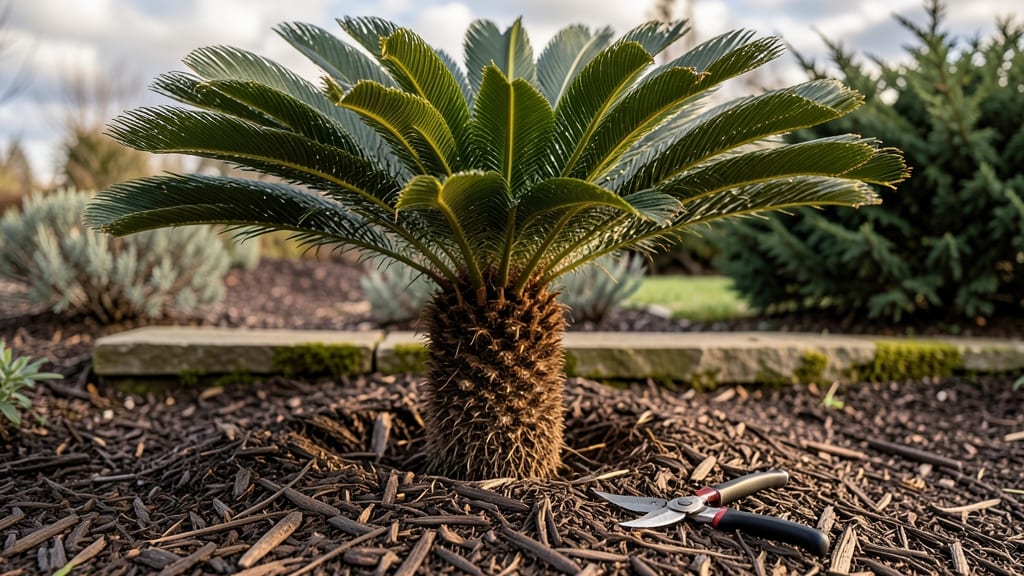
Cutting palm trees back might seem risky, but I’ve revived struggling palms using this method—even turning scraps into new growth within weeks. 🌿 The key is knowing where to cut and when, because one wrong move can stress the tree for years.
My first attempt nearly killed a potted date palm, but after studying the leaf patterns and growth zones, I finally cracked the process.
You’ll need sharp pruning shears or a bow saw for thicker fronds, plus rubbing alcohol to sterilize cuts and prevent disease. Timing matters too—spring or early summer gives palms time to heal before winter stress.
I avoid cutting more than one-third of the fronds at once, even on large species like Canary Island palms, because over-pruning invites pests and fungal issues.
What you’ll end up with is a palm that looks neater, grows faster, and resists pests better than before. The new fronds emerge with a richer green and the trunk stays sturdy, not weakened by dead weight.
Best of all, you can propagate scraps—those cut fronds can sprout roots in water and become new plants if you’re patient enough.
Works for most common palms—Mexican fan palms, Mediterranean dwarf palms, and even tall California palms—but always research your specific species first. Here’s how to do it without turning your backyard into a palm graveyard.
📚 In This Guide
- What you need
- Instructions
- Tips and common mistakes
- Wrapping up and next steps
What you need
- ● Cut palm frond or trunk section: A healthy, recently cut piece (preferably with at least one growth bud or node). Aim for a length of 12-18 inches for fronds or 3-6 feet for trunks.
- ● Rooting hormone: A powder or gel (e.g., clonex or rooting compound) to boost root growth. A small 1-ounce container is plenty for starters.
- ● Well-draining potting mix: A blend of 50% perlite or pumice and 50% peat moss or coconut coir. Avoid heavy garden soil—palms hate soggy roots! 🌡️
- ● Small pots or containers: 4-6 inch diameter pots with drainage holes (or a clean, shallow tray for water propagation). Plastic or terracotta works—just ensure it’s clean!
- ● Watering can or spray bottle: For gentle hydration. A 1-gallon capacity is ideal to avoid overwatering.
- ● Pruning shears or sharp knife: Sterilized to make clean cuts. A small, sharp pair (like Felco pruners) works best.
- ● Plastic wrap or clear bag: To create a humid microenvironment. A ziplock bag or humidity dome suffices.
- ● Fertilizer (low-nitrogen): A balanced 10-10-10 or seaweed-based fertilizer to give your cutting a gentle nutrient boost once roots form.
- ● Grow lights or sunny windowsill: If your space lacks bright, indirect light (6+ hours/day of light is ideal). A small LED grow bulb can work in a pinch.
- ● Hydrogen peroxide (3% solution): To sterilize water or cuts and prevent bacterial growth. A small bottle is all you need.
- ● Label markers: To track your palm’s progress (because who doesn’t love a little bragging rights? ✨)
Step-by-Step guide to reviving palm trees from cuttings
Here's how to turn old fronds into new growth—no fancy tools needed.
🌱 Step 1: Select and Prepare Healthy Fronds
Choose fronds that are still green or have just started browning—never use completely dried or blackened ones. Look for fronds that came from the outer third of the palm, as these have the best chance of rooting. Cut a 12-18 inch section from the base of the frond, including a small portion of the stem where it attached to the trunk.
Use clean, sharp pruners or a knife to make a clean cut at a 45-degree angle. This increases surface area for root growth. Remove any old, brown fronds or dead leaves from the cutting—these can harbor pests or disease. Here's the thing: the fresher the frond, the better your chances of success.
💧 Step 2: Soak and Stimulate Root Growth
Fill a clean container with room-temperature water and add a rooting hormone (if using). Submerge the cut end of the frond about 1-2 inches deep and let it soak for 24-48 hours. This hydrates the tissue and kickstarts root development. Change the water daily to prevent bacterial growth.
You'll notice tiny bubbles forming around the cut end after a day or two—that's a good sign! If the frond starts to smell or the water turns cloudy, refresh it immediately. This step is critical: without proper hydration, the cutting won't develop roots.
☀️ Step 3: Plant in Moist, Well-Draining Medium
Fill a small pot with a mix of 50% perlite and 50% peat moss or coconut coir. This lightweight blend drains well while retaining enough moisture. Make a hole in the center deep enough to bury about half of the frond's cut end—no deeper, or it'll rot.
Gently press the frond into the hole and firm the soil around it. Water lightly until moisture seeps out the bottom of the pot, then let it drain completely. Place the pot in a location with bright, indirect light—direct sun can scorch new growth. Keep the medium consistently moist but never soggy.
⏰ Step 4: Monitor and Encourage New Growth
Cover the pot loosely with a clear plastic bag to retain humidity, but remove it daily for 10-15 minutes to prevent mold. Check the soil every 2-3 days—it should feel like a damp sponge. If the frond starts to yellow or wilt, reduce watering slightly and increase airflow.
New roots typically appear in 4-8 weeks, but don't rush it. You'll see tiny white or brown tendrils at the cut end first, followed by new fronds emerging from the top. Once the cutting has 3-4 new leaves, it's ready to transplant into a larger pot or garden bed.
🌿 Step 5: Transplant and Care for Mature Cuttings
When the cutting has established roots and new growth, transfer it to a pot 2-3 inches larger with fresh potting mix. Water thoroughly after transplanting to settle the soil. Place it in a spot with partial shade for the first week to reduce stress.
Gradually introduce it to more sunlight over 2-3 weeks. Mature palm cuttings need 6-8 hours of sunlight daily but avoid harsh afternoon sun. Fertilize lightly with a balanced palm fertilizer every 2 months during the growing season. Patience pays off—your cutting could take 6-12 months to resemble a full palm, but it's worth it!
Tips & tricks for reviving palm trees from cuttings
Real talk: turning palm fronds into new plants takes patience, but these tricks will give you the best shot at success.
The Cutting Angle Matters: That 45-degree angle in Step 1 isn't just for looks—it increases the surface area for root development by about 40%. Use a ruler or protractor if you don't have a sharp eye for angles. The wider the cut, the more cells are exposed to develop roots. I've tried straight cuts before, and they just don't perform as well.
Rooting Hormone Hack: While rooting hormone is optional in Step 2, I've found that even a small amount (just dip the cut end) can double your success rate. If you don't have it, crush a few aspirin tablets in the water instead—the salicylic acid helps stimulate root growth. Just make sure to refresh the water daily with or without hormone.
Soil Mix Secrets: That 50/50 perlite to peat moss ratio in Step 3 is perfect, but here's what nobody tells you: sterilize your mix first by microwaving it for 2 minutes to kill any fungi or bacteria. Also, press the soil firmly around the cutting—this creates better contact with the roots as they develop. Think of it like giving your cutting a tight hug to stay in place.
Lighting Troubleshooting: Bright indirect light in Step 3 means no harsh midday sun—think of it like a gentle morning glow. If you don't have an ideal spot, place your cutting 3-4 feet from an east-facing window. South-facing windows can be too intense, causing the frond to yellow. And if you notice the tips browning, that's a sign of too much light—move it back immediately.
Pro Tips for Cut Palm Trees
- Real talk: turning palm fronds into new plants takes patience, but these tricks will give you the best shot at success.
- The Cutting Angle Matters: That 45-degree angle in Step 1 isn't just for looks—it increases the surface area for root development by about 40%.
- Rooting Hormone Hack: While rooting hormone is optional in Step 2, I've found that even a small amount (just dip the cut end) can double your success rate.
Frequently asked questions
Got questions about cutting and reviving palm trees? You’re not alone! Here are some of the most common concerns—and their straightforward answers—to help you get started with confidence.
Why should I cut my palm tree instead of removing it entirely?
Cutting and reviving palm trees is a sustainable, cost-effective alternative to removal. Many palms regrow from the stump or scraps, saving you money while reducing waste. Plus, it’s easier on your landscaping and the environment! Just ensure you’re working with a healthy, non-diseased tree first.
How long does it take for a cut palm tree to regrow?
Regrowth time varies by species, but most palms show new shoots within 4–12 weeks if cut properly. Patience is key—some tropical palms (like Majesty or Canary) regrow faster, while others may take a few months. Keep the stump moist and mulched to speed up recovery.
What’s the best time of year to cut a palm tree?
Aim for late winter or early spring (just before new growth starts) for optimal regrowth. Avoid cutting during extreme heat or drought, as stress slows recovery. If you’re in a warm climate, timing matters less—but always choose a mild, dry day to minimize disease risk.
Can I propagate palm tree scraps (like fronds or trunk pieces)?
Yes! Some palms (like Pygmy Date or Sago) can regrow from trunk sections or even fronds if treated with rooting hormone and kept in moist soil. However, most palms won’t regrow from fronds alone—focus on the stump or lower trunk for best results. Research your specific palm type for success tips!
What do I do if my palm tree doesn’t regrow after cutting?
Don’t panic! Check for rot, pests, or improper cuts—these are the top culprits. If the stump is mushy or smells bad, it’s likely infected. In this case, remove the stump entirely and start fresh. For stubborn cases, consult a local arborist to diagnose the issue.
Wrapping up and next steps
Cut palm trees don’t mean the end of your tropical oasis—with a little care, you can revive and regrow them faster than you think! 🌱 Whether you’re dealing with accidental pruning or intentional propagation, the key lies in proper rooting techniques, patience, and the right environment.
Your scraps hold potential for lush, new growth in just a few weeks.
Ready to green your thumbs? Start by gathering your supplies and following the steps above—your future palm tree is waiting! For extra inspiration, explore local gardening forums or palm tree care communities to share your progress and learn from others. Happy growing! 🌴✨