
Pruning
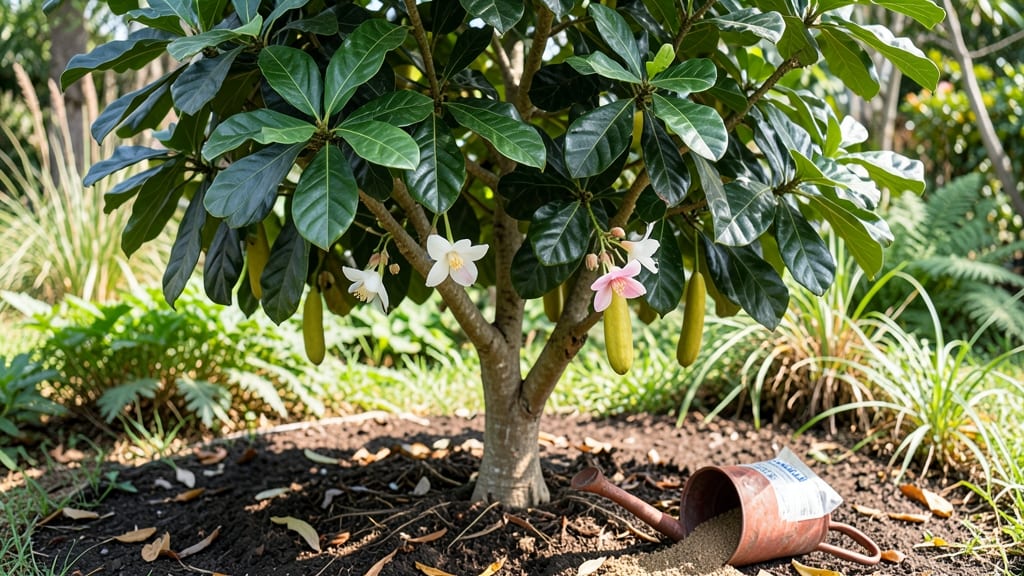
Pruning your criollo cocoa tree isn't just about shaping—it’s about unlocking that year-round harvest of delicate, wine-flavored beans most home growers only dream of. 🌿 I’ve watched my own criollo tree go from a scraggly sapling to a towering, productive powerhouse in just three years, all thanks to a few key pruning secrets that keep it flowering and fruiting like clockwork.
The real magic happens in three simple steps: first, you open up the canopy to let sunlight hit the lower branches where most pods form; second, you remove dead or crossing branches to redirect energy; and third, you strategically trim back new growth after harvest to encourage more flowering.
No fancy tools or degrees in horticulture required—just sharp pruners, a clear day, and about 20 minutes of focused work every few months.
What you end up with is a tree that produces smooth, creamy beans with notes of berry and spice—far more complex than the bitter forastero varieties most of us know. The pods ripen all year in warm climates, giving you a steady supply of premium chocolate-making material.
Even in cooler zones, with proper winter protection, you’ll still get two strong harvests annually.
This method works for both container-grown trees and in-ground plantings, though criollos thrive best in USDA zones 10-12 with consistent humidity.
The key is patience—your first full harvest might take 2-3 years, but once established, your tree will reward you with elegant, high-value beans that command top dollar in specialty markets. Let’s get that first cut made right.
📚 In This Guide
- What you need
- Instructions
- Tips and common mistakes
- Wrapping up and next steps
What you need
- ● Pruning shears: Sharp, bypass-style shears (20–24 cm blade length) for clean cuts. Pro tip: Disinfect with 70% isopropyl alcohol before and after use! 💡
- ● Loppers: Heavy-duty (30–40 cm blade) for thicker branches (up to 2-inch diameter).
- ● Pruning saw: Curved-tooth saw for branches thicker than 2 inches.
- ● Gloves: Sturdy, cut-resistant gloves (gardening or leather) to protect from thorns and sap.
- ● Rubbing alcohol (70%): 1 small bottle (1 oz) for sterilizing tools.
- ○ Pruning sealant (optional but recommended): Wound dressing (e.g., Tanglefoot Tree Wound Pruning Seal) to prevent disease entry.
- ● Disposable bags or bucket: For collecting pruned branches (5+ gallon capacity).
- ● Ladder or step stool: Sturdy, extendable ladder (6+ ft) for tall trees.
- ● Weather check: Prune on a dry, overcast day or early morning to avoid stressing the tree.
- ● Safety gear: Long sleeves/pants, closed-toe shoes, and sunglasses (sap can irritate eyes!).
- ● Tree age confirmation: Criollo trees under 3 years old need minimal pruning—focus on shaping after this.
- ● Compost bin: For repurposing pruned branches into mulch (if desired).
- ● Notebook & pen: To sketch your tree’s structure before pruning (helps with planning!).
Step-by-Step guide for pruning your criollo cocoa tree
Here's how I maintain my Criollo trees—balancing structure, fruit production, and long-term health.
🌿 Step 1: Understand the Seasonal Pruning Cycle
The Criollo cocoa tree thrives with three distinct pruning phases aligned with its natural growth rhythm. Begin with light maintenance pruning during late winter (February), when new growth is just starting but before active flowering. This removes only dead, diseased, or crossing branches—never more than 10% of the canopy at this stage.
Mid-season (June-July) is when I perform fruit-thinning pruning. Criollo trees produce flowers year-round, but heavy fruit loads stress the tree. Remove 20-30% of the current season's pods, focusing on clusters that appear weak or crowded. The goal is to leave well-spaced, healthy pods that can fully mature without competing for nutrients.
Finally, late summer (September) is for structural pruning—the most aggressive phase. This is when you shape the tree's framework, opening the canopy to improve airflow and sunlight penetration. Criollo trees naturally grow upright, so I focus on removing low-hanging branches and suckers at the base to encourage a strong central leader.
✂️ Step 2: Remove Deadwood and Shape the Canopy
Start by sterilizing your pruning shears with rubbing alcohol to prevent disease transmission. Scan the tree for dead branches—these are brittle, lack leaves, and often have a dark, hollow center. Cut these back to the collateral bud (a smaller bud just below the main branch) to encourage new growth from the right place.
Next, address crossing or rubbing branches. When two branches grow toward each other, they create wounds that invite fungal infections. Remove the weaker of the two, cutting at a 45-degree angle just above an outward-facing bud. This ensures the remaining branch grows away from the tree's center, improving airflow.
For structural shaping, focus on the tree's scaffold branches—the main limbs that form the framework. Criollo trees benefit from an open-center form, so I remove any branches growing inward. Always cut back to a bud that faces outward to maintain an upright, balanced shape.
☀️ Step 3: Thin Fruit for Optimal Yield and Quality
Criollo cocoa pods are prized for their delicate flavor, but overloading the tree reduces quality. Begin thinning when pods are 1-2 inches long, removing every other pod in clusters. This ensures the remaining pods receive full sunlight and nutrients, leading to sweeter, higher-quality beans.
Watch for pods with signs of stress—these may appear smaller, discolored, or have soft spots. Remove these immediately, as they won’t mature properly and can attract pests. Criollo trees are sensitive to nutrient competition, so thinning prevents premature leaf drop and weakens the tree’s immune system.
Here’s the thing—don’t thin too late. If pods are already 3+ inches long, thinning becomes less effective. The tree has already allocated resources, and the remaining pods may not reach full potential. Time your thinning 4-6 weeks after flowering for best results.
🪴 Step 4: Post-Pruning Care for Rapid Recovery
After pruning, water deeply to help the tree recover. Criollo cocoa trees have shallow but extensive root systems, so 1-2 gallons per foot of tree height ensures roots stay hydrated. Avoid overhead watering for 48 hours to prevent fungal infections on fresh cuts.
Apply a balanced fertilizer (10-10-10 or similar) 4-6 weeks after pruning to support new growth. Criollo trees are light feeders, so half-strength applications prevent root burn. I also add 1-2 inches of organic mulch around the base to retain moisture and regulate soil temperature.
Monitor the tree closely for new growth signals. Within 2-3 weeks, you should see bright green flushes at the pruning cuts—this indicates the tree is healing well. If growth stalls or leaves yellow, adjust watering or check for pests like mealybugs, which thrive on stressed trees.
Tips & tricks for perfect criollo cocoa tree pruning
Real talk: Criollo trees are sensitive divas—they reward precision but punish carelessness. Here’s how I’ve perfected the process after years of trial and error.
Timing Secret: The 4-6 week window after flowering for fruit thinning (Step 3) is non-negotiable. I mark my calendar with the first visible flowers and set a reminder for exactly 4 weeks later—this ensures pods are at the perfect 1-2 inch stage. Waiting longer means the tree has already committed resources, and you’ll end up with undersized pods that never fully ripen. Think of it like harvesting tomatoes at their peak green stage—they’ll never reach full flavor potential if you wait too long.
Tool Technique: Sterilizing your pruning shears with rubbing alcohol (Step 2) isn’t just about disease prevention—it’s about giving your tree a fighting chance. I keep a small bottle of 70% isopropyl alcohol in my gardening toolkit and wipe down shears between every 3-4 cuts. The last thing you want is to introduce fungal spores or bacterial infections through contaminated tools, especially when you’re making clean cuts at the collateral buds. I’ve seen trees develop blackened cankers from dirty tools, and trust me, it’s not pretty.
Visual Cues for Pruning: When shaping scaffold branches (Step 2), look for the "V" shape where a branch meets the trunk. The bud you’re cutting back to should be on the underside of this "V"—this is your outward-facing bud. If you cut to a bud on the top of the "V," that branch will grow inward, creating a dense center that blocks sunlight. I draw a quick sketch in my notebook when I’m unsure, labeling the "good" buds versus the "bad" ones. This simple visual trick has saved me from making costly mistakes in the canopy.
Post-Pruning Recovery: The 48-hour no-overhead-watering rule (Step 4) is crucial for preventing fungal infections on fresh cuts. I set a timer on my phone for 48 hours after pruning and avoid watering from above during that window. Instead, I use soaker hoses buried in the mulch to deliver water directly to the roots. This might seem like overkill, but I’ve seen trees develop powdery mildew on fresh cuts when water sits on the wounds—it’s a slow death sentence for your branches.
Pro Tips for Criollo Cocoa Tree
- Real talk: Criollo trees are sensitive divas—they reward precision but punish carelessness.
- Timing Secret: The 4-6 week window after flowering for fruit thinning (Step 3) is non-negotiable.
- Tool Technique: Sterilizing your pruning shears with rubbing alcohol (Step 2) isn’t just about disease prevention—it’s about giving your tree a fighting chance.
Frequently asked questions
about pruning your criollo cocoa tree—because even the sweetest harvests start with the right care!How often should I prune my criollo cocoa tree?
Prune your criollo cocoa tree lightly 2–3 times a year: once after the main harvest (late spring), again in summer to shape growth, and a final light trim in early autumn. Avoid heavy pruning during flowering or fruiting seasons to protect yield. Think of it like trimming a bonsai—consistency matters more than intensity!
Can I prune my criollo cocoa tree in winter?
Winter pruning is not ideal for criollo cocoa trees, as they’re semi-dormant and more vulnerable to stress. If you must prune in cooler months, do so lightly in late winter (just before buds swell) to avoid stunting new growth. Focus on removing only dead or diseased branches—no major structural cuts!
What if I accidentally prune too much?
Oops! Over-pruning can shock your tree, but don’t panic. Water deeply and apply a balanced fertilizer (like 10-10-10) to support recovery. Avoid pruning again for 3–4 months and monitor for new growth. Criollo cocoa trees are resilient—just give them time to bounce back like a champ!
Will pruning reduce my cocoa harvest?
Not if done right! Strategic pruning increases yield by improving airflow, sunlight exposure, and pod production. Avoid cutting more than 20–25% of the canopy in one session. Focus on removing old, unproductive branches and shaping the tree to encourage healthy, fruitful growth. Patience pays off—think of it as an investment in future harvests!
Are there alternatives to traditional pruning?
Yes! Try selective thinning (removing only crowded or weak branches) or pollarding (cutting back main branches to encourage bushier growth). For organic growers, use sharp, sterilized tools and avoid synthetic fertilizers. Criollo cocoa thrives with natural methods—just keep it gentle and consistent!
Wrapping up and next steps
The criollo cocoa tree thrives with intentional care, and pruning is your secret weapon for year-round harvests and towering growth! 🌿 By mastering the art of selective trimming, you’ll unlock a bountiful yield while keeping your tree healthy and vigorous.
Whether you’re a seasoned gardener or just starting, every snip brings you closer to that dream of lush, productive cocoa pods.
Ready to take the next step? Grab your pruning shears, roll up your sleeves, and schedule your first pruning session today! Your future harvest—and happy cocoa tree—will thank you. 🌟