
Pruning
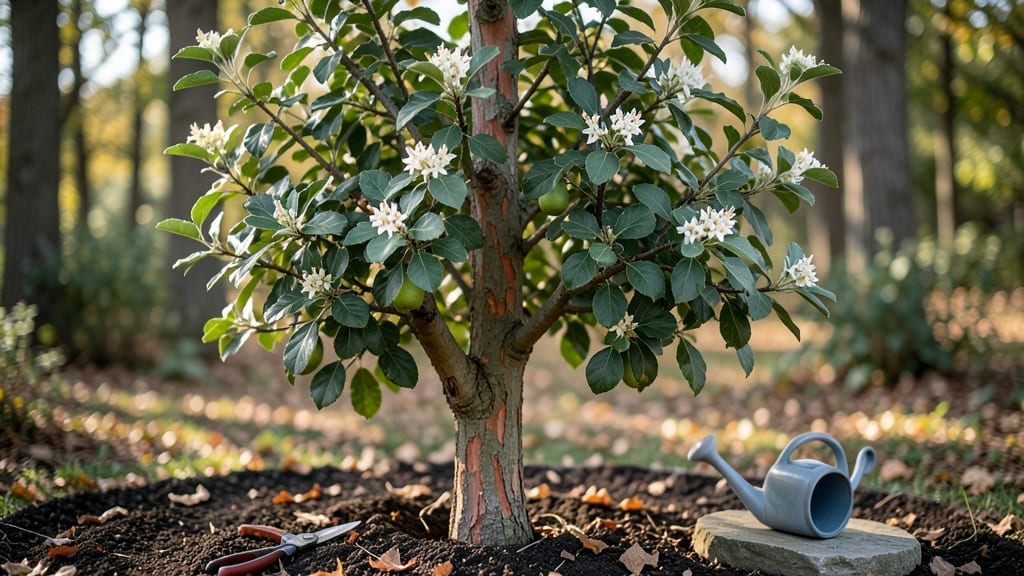
The Cleveland pear tree bark tells a story of resilience and beauty, shifting from smooth silver-gray in spring to rich, textured brown by winter.
I’ve pruned these trees for years, and the bark’s dramatic transformation is one of my favorite signs of a healthy tree—it’s like nature’s own masterpiece unfolding right in your yard.
Pruning isn’t just about shaping branches; it’s about preserving that stunning bark and keeping the tree thriving. The key is timing: late winter or early spring, when the tree is dormant but about to burst with new growth.
A few strategic cuts now mean fewer diseases later, and that velvety bark stays intact for seasons to come.
You’ll end up with a tree that’s not only stunning but disease-resistant and full of life. The bark becomes thicker, more rugged, and even more beautiful as the tree matures. Plus, proper pruning encourages better fruit production if you’re growing it for harvest.
Whether you’re dealing with storm damage or just giving your tree a fresh look, these techniques work for any Cleveland pear in your landscape. Let’s get started—your tree’s health (and that gorgeous bark) depends on it.
📚 In This Guide
- What you need
- Instructions
- Tips and common mistakes
- Wrapping up and next steps
What you need
- ● Pruning shears: Bypass pruners (for cuts up to ½ inch thick) – 1 pair (look for sharp, ergonomic handles).
- ● Loppers: For cuts up to 2 inches thick – 1 pair (with long handles for reach).
- ● Pruning saw: For larger branches (2+ inches thick) – 1 (bow or folding saw recommended).
- ● Gloves: Heavy-duty gardening gloves (cut-resistant) – 1 pair (protects from thorns and rough bark).
- ● Disinfectant: 70% isopropyl alcohol or bleach solution (1 part bleach to 9 parts water) – small spray bottle (prevents disease spread).
- ● Tarp or drop cloth: Medium-sized (4’x6’ or larger) – 1 (to catch debris).
- ○ Rake or broom: For cleanup – 1 (optional but helpful for larger jobs).
- ● Pole saw: Extendable saw for high branches – 1 (if tree is tall).
- ● Ladder: Sturdy, extendable ladder (if branches are >8 feet high) – 1 (safety first!).
- ● Tree wound dressing: Pruning sealant (controversial but useful for large cuts) – small tub.
- ● Notebook & pen: To track pruning notes (dates, cuts, growth observations).
- ● Safety gear: Safety glasses and ear protection (if using a chainsaw for stubborn branches).
Step-by-step guide to pruning your Cleveland pear tree for longevity
Here’s how I keep my Cleveland pear tree thriving—this method works year-round and keeps branches strong.
Choose the Right Time for Pruning
Timing matters most for Cleveland pear trees. The best time to prune is late winter or early spring, just before buds swell but before new growth begins. This ensures the tree can heal quickly and avoids spreading diseases that thrive in wet spring conditions. Avoid pruning in fall or winter—the cuts won’t heal properly before cold sets in.
If you must prune in summer, do it early in the season (June or July) to avoid stressing the tree before dormancy. Never prune when the tree is flowering or fruiting—this weakens the harvest and disrupts pollination. Watch for bud swell as your cue; that’s when the tree is ready for a trim.
Gather Tools and Sanitize for Safety
Use sharp, clean pruning tools—a pruning saw for thick branches, loppers for medium-sized limbs, and hand pruners for smaller cuts. Dull tools crush branches, slowing healing and inviting disease. Before you start, sterilize your tools with rubbing alcohol or a bleach solution (1 part bleach to 9 parts water) to prevent spreading bacterial or fungal infections.
Wear gloves to protect your hands from thorns and sap. A ladder may be needed for higher branches, but never stand on the ladder while pruning—secure it first. Keep a bucket or tarp nearby to collect fallen branches and debris. This keeps your workspace clean and makes cleanup easier.
Remove Dead, Diseased, or Damaged Branches First
Start by identifying dead, diseased, or crossing branches. Dead branches are dry, brittle, and snap easily when bent. Diseased branches may have blackened bark, oozing sap, or fungal growth. Crossing branches rub against each other, creating wounds that invite pests. Cut these out first, making clean cuts at the branch collar—the swollen area where the branch meets the trunk.
Make your cuts at a 45-degree angle just outside the branch collar. Avoid leaving stubs, as they trap moisture and rot. If a branch is larger than 4 inches in diameter, make a three-cut method to avoid tearing the bark. Start with an undercut, then a top cut, and finally remove the branch by twisting it out gently.
Thin the Canopy for Better Airflow and Light
Next, focus on thinning the canopy to improve airflow and sunlight penetration. Remove suckers (shoots growing from the base or trunk) and water sprouts (fast-growing vertical shoots). These compete with the main branches for nutrients and weaken the tree’s structure. Aim to reduce the canopy by no more than 25% in a single year—too much pruning stresses the tree.
Look for branches that grow inward or downward—these block light and air, creating a humid microclimate that encourages fungal diseases. Cut these back to the branch collar, making sure to leave at least ½ inch of healthy bark above the cut. Step back occasionally to visualize the tree’s shape; you want an open, vase-like structure that allows sunlight to reach all branches.
Shape the Tree for Balance and Strength
Finally, refine the tree’s shape by pruning to encourage strong growth. Remove branches that grow too close to the ground or rub against each other. If a branch is too long, shorten it by cutting just above an outward-facing bud. This encourages new growth in the right direction. Avoid topping the tree (cutting the main leader), as this creates weak, stubby growth.
For Cleveland pears, avoid heavy pruning in fruit-bearing years—this reduces next year’s harvest. Instead, focus on light maintenance pruning to keep the tree healthy. After pruning, seal larger cuts (over 2 inches) with pruning sealant to prevent disease entry. Water the tree deeply afterward to help it recover.
Tips & tricks for pruning your Cleveland pear tree
Here's what I've learned from years of keeping my Cleveland pear tree thriving—these little details make all the difference for long-term health.
Timing is Everything: The late winter/early spring window is critical because that's when the tree is still dormant but about to wake up. If you prune too early in winter, the fresh cuts won't heal before cold sets in. I've seen trees develop cankers from winter pruning—it's a slow death sentence. For summer pruning, stick to June or July when the tree has had time to recover from flowering but before the heat of August.
Tool Sharpness Saves Trees: I can't stress this enough—dull tools crush the bark instead of making clean cuts. That crushed bark is an open invitation for disease. Before you start, sharpen your pruning saw and loppers on a fine file. Test them by cutting a small twig—if it tears instead of cleanly slicing, sharpen again. A sharp blade also makes the job easier on your hands and arms.
Branch Collar Awareness: This is where most people go wrong. The branch collar is that swollen area where the branch meets the trunk, and it contains healing tissues. When you make your cut, always leave at least ½ inch of this collar intact. I've seen so many trees develop fungal infections because people cut too close to the trunk. Think of it as leaving a little "landing pad" for the tree's healing process.
Visualize the Canopy: Step back every few minutes and look at your tree from all sides. You're aiming for that open vase shape that lets sunlight reach all branches. I like to imagine I'm looking at a chandelier—I want light to shine through all the way to the center. This isn't just about looks; proper light penetration means better fruit production and fewer disease problems. The 25% canopy reduction guideline is your safety net—don't exceed it in any single year.
Pro Tips for Cleveland Pear Tree Bark
- Here's what I've learned from years of keeping my Cleveland pear tree thriving—these little details make all the difference for long-term health.
- Timing is Everything: The late winter/early spring window is critical because that's when the tree is still dormant but about to wake up.
- Tool Sharpness Saves Trees: I can't stress this enough—dull tools crush the bark instead of making clean cuts.
Frequently asked questions
Got questions about pruning your Cleveland Pear Tree bark and keeping it thriving? Here are answers to the most common concerns—so you can tackle your pruning like a pro!
When is the best time to prune a Cleveland Pear Tree?
The ideal time is late winter or early spring (before buds break)—this minimizes stress and disease risk. Avoid heavy pruning in fall, as wounds may not heal before cold sets in. Pro tip: If you must prune in summer, do it early to avoid encouraging new growth before winter.
How do I know if I’m pruning the right branches?
Look for dead, diseased, or crossing branches—these are top priorities. Also remove suckers (shoots at the base) and water sprouts (fast-growing vertical shoots). Healthy branches should have thick bark, buds, and a natural taper. Pro tip: Use a 3-cut method to avoid bark tears on larger branches.
What should I do if my tree’s bark looks damaged after pruning?
If you see ragged edges or torn bark, don’t panic! Clean cuts with a sharp tool heal faster. Apply pruning sealant (optional) to large wounds (>2 inches) to reduce disease entry. Pro tip: Avoid over-pruning—never remove more than 25% of the canopy in one season to prevent stress.
Can I use Cleveland Pear Tree bark for mulch or compost?
No—never use diseased or infested bark as mulch or compost, as it can spread pathogens. Healthy bark can break down slowly in compost (if free of chemicals), but it’s best to remove and dispose of pruned material properly. Pro tip: Check for borer holes or fungal spots before composting any tree debris.
How often should I prune my Cleveland Pear Tree?
Young trees (under 5 years) need annual pruning to establish structure. Mature trees benefit from light pruning every 2–3 years, focusing on deadwood and shape. Pro tip: Schedule a light cleanup in late summer to remove any storm-damaged branches promptly.
Wrapping up and next steps
Mastering the art of pruning your Cleveland Pear Tree ensures a thriving, disease-resistant tree that rewards you with stunning blooms and luscious fruit year after year. 🌳 With the right tools, timing, and techniques—like removing dead branches and thinning for airflow—you’re well on your way to fostering a healthier tree.
Remember, consistency is key, so schedule regular check-ins to keep your tree in top shape.
Ready to take action? Grab your pruners and start small—whether it’s tackling a single branch or planning a full pruning session. Your Cleveland Pear Tree will thank you with vibrant growth and bountiful harvests for seasons to come! 🌟