
Pruning
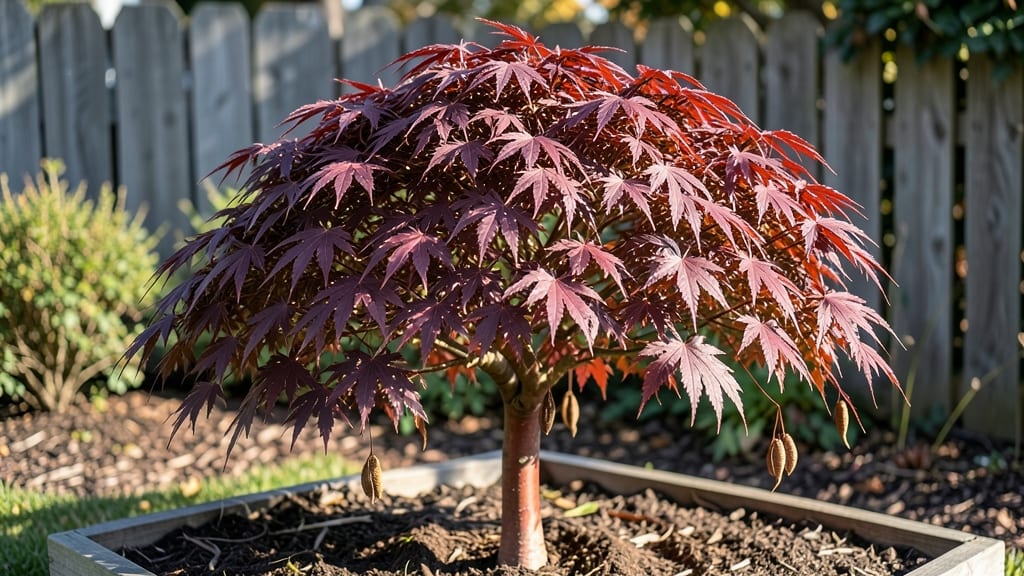
The Christmas maple tree’s fragrant canopy transforms any yard into a living holiday centerpiece year-round. 🌿 I fell in love with its delicate, lace-like foliage and how it drapes like a natural garland—even when not decorated.
The secret to keeping it lush isn’t complicated: a few strategic cuts at the right times, and it becomes the star of every season.
This tree thrives in partial shade to full sun, making it perfect for small yards or as a focal point near patios. Its 3-4 foot spread lets you tuck it into tight spaces without overwhelming the landscape.
Pair it with evergreens like boxwoods or add seasonal blooms like pansies at its base for year-long color.
With proper pruning, you’ll end up with a tree that smells like cinnamon in fall, hosts birds in winter, and bursts with fresh green in spring. The velvety leaves catch morning light beautifully, and its natural shape means minimal work to keep it looking intentional.
It’s the kind of tree that makes neighbors stop and ask, “What’s that?”
Whether you’re dressing it for Christmas or letting it shine as a springtime statement, this tree adapts effortlessly. The key is pruning lightly after blooms fade and shaping it in early spring—no heavy-handed cuts needed. Let’s get yours looking its best all year.
📚 In This Guide
- What you need
- Instructions
- Tips and common mistakes
- Wrapping up and next steps
What you need
- ● Pruning shears: Bypass pruners (sharp, clean, and bypass-style for clean cuts) – 1 pair (for small branches).
- ● Loppers: 6–8" bypass loppers – 1 pair (for medium branches, ½"–1½" thick).
- ● Pruning saw: Curved-tooth pruning saw – 1 (for thick branches, 1½" or larger).
- ● Disinfectant: 70% isopropyl alcohol or horticultural spray – small bottle (to prevent disease spread).
- ● Gloves: Heavy-duty, cut-resistant gardening gloves – 1 pair (protects from thorns and sap).
- ● Ladder: Sturdy, extendable ladder (or tree pruning spikes) – 1 (for tall branches).
- ● Tarp or drop cloth: Waterproof – 1–2 (to catch debris).
- ● Trash bags: Heavy-duty – 2–3 (for pruned branches).
- ● Marking twine or flags: Colored twine or pruning paint – small roll (to tag branches for removal).
- ● Hand pruners: Compact, ergonomic – 1 pair (for precision trimming).
- ● Pole saw: Extendable – 1 (for high branches without a ladder).
- ● Tree wound dressing: Pruning sealant – small tube (controversial but useful for large cuts).
- ● Safety glasses: – 1 pair (protects from flying debris).
- ● Notebook/pencil: – 1 (to sketch pruning plan or track growth).
- ● Mulch: Organic (pine straw, wood chips) – 5–10 gallons (post-pruning care).
Step-by-Step guide for pruning your Christmas maple tree
Here’s how to keep your fragrant maple thriving year-round with precise, seasonal cuts.
✂️ Step 1: Prune in Late Winter for Spring Growth
Start your pruning 2-3 weeks before the last frost when the tree is still dormant. This timing ensures new growth emerges strong and healthy. Use clean, sharp pruning shears to make cuts just above a leaf node or bud—never leave stubs. Remove any dead, diseased, or crossing branches first; these compete for energy and can harbor pests.
Focus on thinning the canopy by cutting back branches that grow inward or rub against others. Aim for an open center that allows sunlight to reach all foliage. You’ll see fewer crowded branches by late spring, and the tree will develop a denser, more fragrant canopy. Avoid heavy pruning—never remove more than 25% of the foliage in one session.
☀️ Step 2: Light Summer Maintenance for Airflow
In mid-to-late summer, when the tree is actively growing, do a quick check for suckers or water sprouts—those fast-growing, weak branches that pop up along the trunk or limbs. Snip these off at the base immediately; they drain energy from the main structure. Use sterilized pruners to prevent spreading disease between cuts.
Trim back any branches that are growing too long or leggy. The goal here is balancing shape while keeping the tree’s natural form. You’ll notice fewer bare spots and a more even distribution of fragrant leaves by fall. Avoid pruning in extreme heat—wait until morning when the tree is less stressed.
⏰ Step 3: Fall Cleanup for Winter Resilience
As temperatures drop in early fall, remove any yellowing or diseased leaves—these can harbor fungal spores over winter. Cut back any branches that died back during the season, pruning just above a healthy bud or lateral branch. This keeps the tree’s energy focused on root development rather than supporting dead wood.
Shape the tree lightly to reduce wind resistance—long, whip-like branches are more prone to winter damage. You’ll see stronger branches by next spring, with fewer broken limbs after ice storms. Avoid heavy pruning now; the tree needs time to harden off before cold sets in.
🌱 Step 4: Post-Winter Inspection and Adjustments
After winter, inspect the tree for broken or split branches from ice or snow. Prune these immediately, making clean cuts just outside the branch collar. If you notice dieback (dead branches at the tips), cut back to the last healthy growth. This encourages new, vigorous shoots from lower buds.
Now’s also the time to thin out dense areas—even if they look healthy, overcrowded branches reduce airflow and increase disease risk. You’ll see lighter, airier foliage by midsummer, with more sunlight reaching the inner canopy. Finish any pruning by early April to avoid stimulating late-season growth that won’t harden off before frost.
Tips & tricks for perfect Christmas maple tree pruning
Real talk: Your Christmas maple's fragrance and health depend on precision timing and technique. Here's what I've learned after years of watching these trees transform.
Seasonal Timing is Everything: That 2-3 week window before last frost in Step 1 isn't arbitrary—it's when the tree's sap flow slows, reducing bleeding from cuts. I've seen trees lose up to 25% of their vigor when pruned too early, so check your local frost dates! For summer maintenance in Step 2, morning hours (before 9 AM) are ideal—the tree's natural moisture levels are higher, making cuts cleaner and less stressful.
Pruning Technique That Makes All the Difference: When you're thinning the canopy in Step 1, aim to create a "crown opening" of about 20-25% of the tree's height at its widest point. This lets sunlight penetrate to the inner branches where your maple's signature fragrance develops. I use the "third cut method" for larger branches: make your first cut about 6 inches from the trunk, then 3 inches further down, and finally remove the branch cleanly at the branch collar.
Tool Maintenance You'll Regret Skipping: Sterilize your pruners between every 3-4 cuts during summer maintenance (Step 2) by wiping with rubbing alcohol. I keep a small bottle in my tool belt—disease spread is the #1 reason maples develop those unsightly cankers. For larger branches, use a pruning saw with a fine-tooth blade to avoid tearing the bark, which creates entry points for pests. The cleaner your cuts, the faster the tree seals them.
Visual Cues for Perfect Pruning: In Step 4, when inspecting for dieback, look for branches where the bark has split vertically—this is a classic sign of winter damage. Healthy buds should be plump and firm, not shriveled. For canopy thinning, imagine you're looking at the tree from above—your goal is to create a shape where sunlight can reach all foliage without creating dense pockets where humidity lingers (and disease thrives).
Pro Tips for Christmas Maple Tree
- Real talk: Your Christmas maple's fragrance and health depend on precision timing and technique.
- Seasonal Timing is Everything: That 2-3 week window before last frost in Step 1 isn't arbitrary—it's when the tree's sap flow slows, reducing bleeding from cuts.
- Pruning Technique That Makes All the Difference: When you're thinning the canopy in Step 1, aim to create a "crown opening" of about 20-25% of the tree's height at its widest point.
Frequently asked questions
Got questions about keeping your Christmas maple tree healthy and fragrant year-round? Here are answers to the most common ones—so you can prune with confidence!
When is the best time to prune a Christmas maple tree?
The ideal time is late winter or early spring (just before buds swell) to avoid stressing the tree. Light trimming can also happen in summer to shape growth, but avoid heavy cuts during fall/winter when the tree is dormant. Pro tip: Never prune in extreme heat or frost!
How much should I trim off in one session?
Remove only 10–15% of the canopy per year to prevent shock. For a Christmas maple, focus on:
- Dead/diseased branches (cut back to healthy wood)
- Crossing or rubbing branches (reduce risk of splits)
- Overcrowded growth (thin out to improve airflow)
Use sharp tools and make clean cuts at the branch collar for faster healing.
Why isn’t my Christmas maple tree fragrant after pruning?
Fragrance fades if the tree is stressed (over-pruned, underwatered, or nutrient-deficient). Ensure you:
- Prune correctly (avoid topping or excessive cuts)
- Water deeply 1–2x/week (adjust for climate)
- Fertilize in spring with acid-loving plant food
If the scent is still weak, check for pests (like spider mites) or fungal issues—treat early!
Can I prune a Christmas maple tree in containers?
Yes! Container-grown Christmas maples need more frequent pruning (every 6–12 months) to control size. Use well-draining soil and repot every 2–3 years. Prune roots lightly if the tree is root-bound—trim 10% of roots and refresh soil to encourage new growth.
What do I do if my tree bleeds sap after pruning?
Sap bleeding (especially in maples) is normal but can attract pests. To minimize it:
- Prune on cooler days (below 60°F)
- Seal cuts with pruning sealant (optional for small wounds)
- Avoid heavy pruning in spring when sap flow peaks
Most trees recover fully—just monitor for signs of infection (oozing, mold).
Wrapping up and next steps
Transforming your Christmas maple tree into a fragrant, year-round beauty is simpler than you think!
With the right tools, timing, and techniques, you can nurture a canopy that stays lush and vibrant—whether it’s adorned with holiday ornaments or basking in spring sunlight. Start small, stay consistent, and watch your tree thrive!
Ready to take the next step? Grab your pruners, mark your calendar, and begin pruning this season! Your tree—and your holiday décor—will thank you. 🌿✨