
Trees
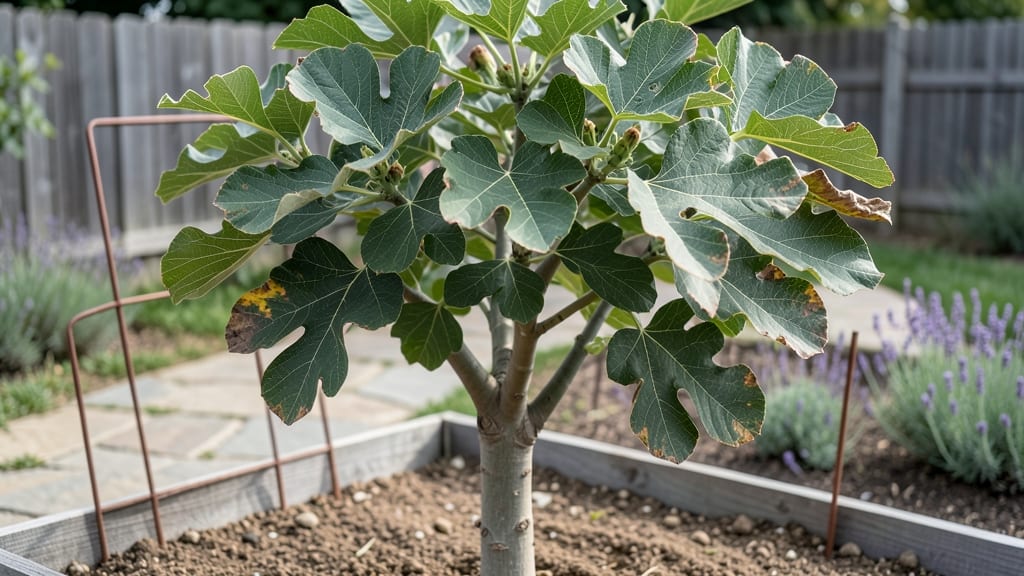
When your Turkey fig tree leaves turn brown, it’s often a cry for help from its cold-stressed roots—not just a random wilting act. 🌿 I’ve nursed back more than a few of these tough trees by focusing on the roots first, and the results speak for themselves.
The key isn’t just water or fertilizer; it’s understanding how cold snaps disrupt the root system and what to do about it.
Start by checking the soil around the roots—it should feel damp but not soggy. If the ground stays frozen for more than a few days, the roots can’t absorb water or nutrients, leading to those telltale brown leaves.
A simple soil test or just digging down an inch or two can reveal if the roots are still active or struggling. Once you confirm the issue, the fix is straightforward: protect the roots from further cold stress and give them time to recover.
📚 In This Guide
- What you need
- Instructions
- Tips and common mistakes
- Wrapping up and next steps
What you need
- ● Brown turkey fig tree leaves: 1–2 handfuls (fresh or slightly wilted, but not mushy)
- ● Well-draining potting mix: 2–3 gallons (blend of 60% coconut coir, 30% perlite, and 10% compost)
- ● Rooting hormone: 1 small bottle (e.g., Clonex or Rootone)
- ● 5–6" plastic propagation pots: 3–4 units (with drainage holes)
- ● Clear plastic domes or humidity tent: 1 (to retain moisture)
- ● pH test kit: 1 (to verify soil pH of 6.0–7.0)
- ● Cold-stress solution: Ice water (1 cup crushed ice + 1 gallon water) OR
- ● Chilled water (40–45°F) with 1 tsp hydrogen peroxide (3%)
- ● Pruning shears: 1 pair (sterilized with 70% isopropyl alcohol)
- ● Misting bottle: 1 (for gentle hydration)
- ● Grow lights: 1–2 units (LED, 6400K spectrum, for low-light setups)
- ● Thermometer: 1 (to monitor soil temp: ideal range: 65–75°F)
- ● Epsom salt: 1 tbsp (for magnesium boost, if leaves show yellowing)
How to revive brown turkey fig trees with cold-stressed roots
Fig trees are tough, but cold damage can turn leaves brown. Here’s how to nurse them back to health.
🌱 Step 1: Assess Root and Soil Damage
Gently lift the tree’s outer soil layer with your hands or a small trowel to check for cold damage. Look for dark, mushy roots or soil that smells sour—this means rot has set in. Healthy roots should be firm, white or tan at the tips, and slightly springy when pressed. If the soil feels icy or stays clumped even when dry, it’s too compacted and needs aeration.
Don’t dig too deep—just enough to see the top 2-3 inches of roots. If you find large patches of brown, leathery roots, prune them out with sterilized shears. This step is critical: damaged roots can’t absorb water or nutrients, so the tree stays weak. Waterlogged soil accelerates rot, so if the area feels soggy, hold off on watering until it dries slightly.
💧 Step 2: Fluff Soil and Improve Drainage
Break up compacted soil around the roots with your fingers or a fork, loosening it to 6 inches deep. This helps air and water reach the roots again. Mix in 2-3 inches of coarse sand or perlite into the top 4 inches of soil to improve drainage—fig trees hate soggy feet. If your soil is heavy clay, add a handful of organic matter like compost to lighten it.
Water lightly after loosening the soil, just enough to settle it without compacting again. You’ll know it’s right when the surface looks slightly damp but not glistening. Avoid heavy watering now—you want the roots to recover, not drown. If the soil drains poorly, consider raising the tree slightly by mounding soil around the base to create a small berm.
☀️ Step 3: Protect from Further Cold and Wind
Fig trees are hardy but can’t handle sudden cold snaps. Wrap the trunk in burlap or tree wrap to shield it from windburn and temperature swings. If frost is forecast, drape a frost cloth loosely over the tree—don’t tuck it tight, or you’ll trap moisture and encourage rot. Leave the bottom open so air can circulate at the roots.
Move potted fig trees to a sheltered spot, like against a south-facing wall or under an overhang. If you’re in a windy area, stake the tree lightly to prevent swaying, which stresses roots. Mulch the base with 2-3 inches of wood chips or straw to insulate the soil and retain moisture. Check the mulch weekly—it should stay dry but not crusty.
✂️ Step 4: Prune Damaged Foliage and Stimulate New Growth
Trim any brown or blackened leaves with clean shears, cutting back to healthy green growth. Don’t panic if the tree looks skeletal—fig trees regrow quickly once roots recover. Focus on removing only the worst damage; healthy leaves can still photosynthesize and feed the tree. If branches are brittle, prune them back to a strong bud or joint.
After pruning, apply a balanced fertilizer (like 10-10-10) lightly around the roots, not touching the trunk. A light feeding encourages new root growth without overwhelming a stressed tree. Water deeply once a week, checking that the soil stays moist but not waterlogged. You’ll see new leaves in 4-6 weeks if the roots are healing—watch for small, pale green shoots as your signal.
🪴 Step 5: Monitor and Adjust Care Long-Term
Keep an eye on the tree for 8-12 weeks, checking for new leaf growth and firm, white roots when you peek at the soil. If leaves yellow again, it could mean overwatering or nutrient deficiency—adjust your watering schedule or add compost. Figs thrive in full sun, so if the tree is in partial shade, gradually move it to a sunnier spot over a few weeks.
By next season, your fig tree should bounce back stronger. If roots still look weak, consider staking the tree for support until it stabilizes. Cold damage is temporary—with the right care, your Brown Turkey fig will reward you with sweet fruit for years to come.
Tips & tricks for reviving cold-stressed fig trees
Here's what I've learned from helping fig trees bounce back after cold damage—these little tricks make all the difference.
Root Inspection Tip: When checking those top 2-3 inches of roots in Step 1, bring a small flashlight to help you spot subtle signs of damage. Healthy roots should look firm and have a slight sheen when damp—not slimy or blackened. I've seen many gardeners miss early rot because they relied only on touch. A quick visual check saves time and stress later.
Soil Aeration Secret: In Step 2, if your soil is particularly dense, consider using a garden fork to loosen it to 6 inches deep rather than just your fingers. I've found that this extra aeration helps roots recover faster, especially in heavy clay soils. After loosening, gently press the soil back around the roots to maintain stability—don't just leave it loose.
Cold Protection Hack: For Step 3, if you don't have frost cloth, layer a few sheets of old bedsheets or lightweight blankets loosely over the tree. The key is circulation—leave gaps at the bottom and sides. I've used this trick in emergencies and it works surprisingly well to protect against unexpected frosts.
Pruning Watch: When trimming damaged foliage in Step 4, look for small green buds along the branches—they're your sign of recovery. I've seen trees that looked completely dead regrow from these tiny buds when given proper care. Don't be afraid to cut back aggressively to these healthy growth points.
Pro Tips for Brown Turkey Fig Tree Leaves
- Here's what I've learned from helping fig trees bounce back after cold damage—these little tricks make all the difference.
- Root Inspection Tip: When checking those top 2-3 inches of roots in Step 1, bring a small flashlight to help you spot subtle signs of damage.
- Soil Aeration Secret: In Step 2, if your soil is particularly dense, consider using a garden fork to loosen it to 6 inches deep rather than just your fingers.
Frequently asked questions
Why are my turkey fig tree leaves turning brown even after repotting?
Brown leaves often signal root shock or cold stress. If roots look mushy or black, they may be rotting. Prune affected roots, trim brown leaves, and repot in fresh, well-draining soil. Avoid watering until the soil dries slightly—overhydration worsens stress. Pro tip: Use a root hormone dip when transplanting for faster recovery!
How long does it take for a turkey fig tree to recover from cold-stressed roots?
Recovery time varies, but with proper care, most trees show improvement in 4–8 weeks. Monitor for new growth (tiny leaves or buds) as a sign of healing. Patience is key—avoid repotting again too soon. In mild winters, trees may bounce back faster with mulch and shade protection.
Can I save a turkey fig tree with severely damaged roots (black/mushy)?
Yes, but act fast! Trim all mushy/black roots with sterilized shears, then treat with a hydrogen peroxide (3%) soak for 10 minutes to prevent fungus. Repot in a sterile, gritty mix (like cactus soil + perlite) and keep in bright, indirect light. If roots are 50%+ damaged, propagation from healthy cuttings may be your best bet.
What’s the best alternative soil mix for turkey fig trees with cold-damaged roots?
Skip heavy garden soil—opt for a fast-draining blend:
- 60% cactus/succulent mix
- 20% perlite or pumice (for aeration)
- 10% sand or orchid bark
- 10% compost or worm castings (for nutrients)
Should I prune brown leaves now, or wait until spring?
Prune dead or crispy brown leaves immediately—they drain energy from the tree. Wait to trim yellowing or partially brown leaves until spring, as they may recover. Use clean, sharp shears and sterilize with rubbing alcohol to prevent disease. Note: If >30% of leaves are brown, prioritize root health first!
How can I protect my turkey fig tree from future cold stress?
Cold-hardy but sensitive to prolonged temps below 20°F. Use these tricks:
- Wrap the pot and roots in burlap or frost cloth (don’t cover leaves—they need airflow).
- Move potted trees to a sheltered spot (garage, under eaves) before frost.
- Mulch the soil surface with straw or leaves (but avoid suffocating the base).
- Consider a tree wrap for the trunk in harsh climates.
Wrapping up and next steps
Caring for your brown turkey fig tree during cold stress is all about preparation, patience, and proactive root support. By following the right steps—like mulching, watering wisely, and protecting roots—you’ll give your tree the best shot at thriving once warmer weather returns. 🌱
Ready to take action? Start by inspecting your tree’s roots this weekend and apply the tips you’ve learned. With a little love and the right techniques, your turkey fig will reward you with lush, vibrant leaves for years to come!
Next step: Mark your calendar for a root-check in 6-8 weeks to monitor progress and adjust care as needed.