
Trees
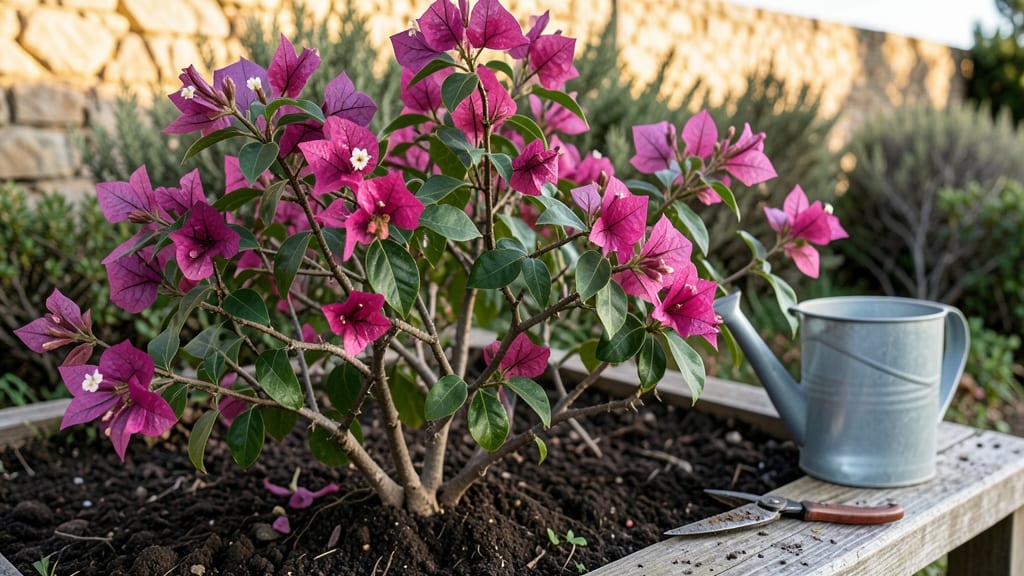
Growing bougainvillea trees in Florida isn’t just possible—it’s a showstopper that turns your yard into a vibrant tropical escape. 🌺 These drought-resistant beauties thrive in the Sunshine State’s intense heat and humidity, but they need the right start to truly flourish.
I’ve learned the hard way that Florida’s summer storms and occasional cold snaps demand extra attention, but with the right approach, your bougainvillea will reward you with bold, year-round color.
The key to success begins with well-draining soil and full-sun exposure—think south-facing walls or open spaces where the plant can soak up at least 6-8 hours of sunlight daily.
Florida’s sandy soil often needs amending with compost or a cactus/succulent mix to prevent root rot, while watering should be deep but infrequent—once a week is usually enough once established. The real magic happens when you mimic its natural habitat: minimal fuss, maximum impact.
By late summer, you’ll be pinching back leggy growth to encourage bushier blooms and shaping the plant to fit your space. Florida’s humidity actually helps bougainvilleas stay lush, but watch for scale insects or whiteflies—neem oil sprays work wonders without harming pollinators.
With proper pruning, your bougainvillea will become the jewel-toned centerpiece of your landscape, blooming even in the dog days of summer.
Whether you’re wrapping a patio, lining a driveway, or training it up a trellis, this guide covers Florida-specific tricks to keep your bougainvillea thriving year after year. Let’s get those roots settled in the right spot—the payoff is worth every bit of effort.
📚 In This Guide
- What you need
- Instructions
- Tips and common mistakes
- Wrapping up and next steps
What you need
- ● Bougainvillea plant: Choose a healthy, Florida-friendly variety (e.g., Bougainvillea spectabilis or Bougainvillea glabra). Buy from a local nursery (1-3 plants, depending on desired size).
- ● Well-draining soil: Mix 60% native Florida soil with 30% coarse sand and 10% perlite or pumice (5-10 gallons per plant). Avoid heavy clay.
- ● Container (if potted): A 15-20 gallon pot with drainage holes (terracotta or fiberglass). For larger trees, opt for 30+ gallons.
- ● Organic fertilizer: Slow-release 7-9-5 or 8-3-9 NPK blend (1 lb per plant). Look for Florida-friendly options like Osmoote or Miracle-Gro Shake ‘n Feed.
- ● Mulch: 2-3 inches of pine bark or wood chips (avoid fresh mulch—it can harm roots).
- ● Pruning shears: Bypass pruners (sharp, 6-8 inch blades) for shaping and maintenance.
- ○ Support stake (optional for young plants): 5-6 ft bamboo or metal stake + soft plant tie.
- ● Gloves: Heavy-duty gardening gloves (bougainvillea thorns are serious!).
- ● Trowel or spade: For digging holes (2x wider than the root ball).
- ● Watering can or hose with nozzle: Drip irrigation or a soaker hose for deep watering.
- ○ Drought-resistant ground cover (optional): Lantana or muhly grass to suppress weeds and retain moisture.
- ○ Epsom salt (optional): 1 tbsp per gallon of water monthly for magnesium boost (especially for yellowing leaves).
- ● Sun protection: Long sleeves/pants (thorns + Florida sun = recipe for regret!).
Step-by-Step guide to planting and cultivating bougainvillea in Florida’s climate
Here’s how to establish vibrant bougainvillea that thrives in Florida’s heat and humidity.
🪴 Step 1: Select the Right Location and Prepare the Soil
Bougainvillea craves full sun exposure—at least 6-8 hours daily—so choose a spot that gets maximum sunlight. In Florida’s intense heat, afternoon shade helps prevent leaf scorch, but morning sun is non-negotiable. The soil should drain exceptionally well; bougainvillea roots rot easily in soggy conditions. If your yard has heavy clay, amend with 3-4 inches of coarse sand or gravel mixed into the top 12 inches of soil to improve drainage.
Here’s the thing—bougainvillea isn’t picky about soil pH, but it does need loose, aerated soil. If you’re planting in a container, use a well-draining cactus or succulent mix with perlite or pumice. Avoid garden soil; it compacts and suffocates roots. A quick test: press your finger into the soil—if it feels dense or sticks to your hand, amend it further.
🌱 Step 2: Plant at the Correct Depth and Stake for Support
Dig a hole twice as wide as the root ball but only as deep as the container’s base. Bougainvillea roots are shallow but sprawling, so disturbing them too much stresses the plant. Gently remove the plant from its container and loosen any circling roots with your fingers. Place it in the hole so the top of the root ball sits level with the surrounding soil—burying the stem too deep invites rot, while planting too high stresses the plant.
Staking is critical, especially in Florida’s wind and storms. Drive a 5-6 foot wooden stake into the ground 6 inches away from the plant’s main stem. Use soft plant ties (not wire) to secure the bougainvillea’s central leader to the stake, allowing room for growth. This prevents the plant from toppling over as it matures. Water deeply after planting to settle the soil around the roots.
☀️ Step 3: Water Deeply and Establish a Drought-Tolerant Routine
Bougainvillea is famously drought-resistant, but newly planted specimens need consistent moisture for the first 4-6 weeks to establish roots. Water deeply 2-3 times per week, soaking the soil to a depth of 12-18 inches. You’ll know you’ve watered enough when water runs out the drainage holes (if in a container) or when the soil feels moist 6 inches down. Overwatering is the fastest way to kill bougainvillea, so let the top 2 inches of soil dry out between waterings after the initial phase.
Real talk: Florida’s humidity can trick you into thinking the plant needs more water. Bougainvillea’s thick, waxy leaves store moisture, so wilting is a late-stage warning sign. If leaves start curling or dropping, you’re either underwatering or overwatering. Check the soil first—if it’s bone-dry, water; if it’s soggy, hold off. Mulch with 2-3 inches of gravel or bark around the base (but keep it 6 inches away from the stem) to retain moisture and regulate soil temperature.
✂️ Step 4: Prune Strategically for Bushier Growth and More Flowers
Pruning bougainvillea isn’t just about shaping—it’s about encouraging vibrant blooms. The best time to prune is late winter or early spring, just as new growth begins. Cut back one-third of the plant’s height to stimulate bushier growth. Use clean, sharp pruners and make cuts just above a leaf node (the bump where leaves and branches meet). Avoid cutting into old wood; bougainvillea flowers only on new growth, so pruning too late in the season removes potential blooms.
Here’s where it gets fun—watch how the plant responds. After pruning, bougainvillea sends out vigorous new shoots that will produce more flowers. Deadhead spent blooms regularly (but don’t worry about the colorful bracts—they’re the showy part, not the actual flowers). If your bougainvillea grows leggy, it’s a sign it needs more light or a harder prune. Florida’s climate rewards aggressive pruning, so don’t be shy—this plant thrives on bold cuts.
🌿 Step 5: Fertilize and Protect for Year-Round Color
Feed bougainvillea every 6-8 weeks during the growing season (spring through fall) with a balanced, slow-release fertilizer (10-10-10 or similar). Florida’s sandy soil often lacks nutrients, so a little extra goes a long way. Avoid high-nitrogen fertilizers—they promote leafy growth at the expense of flowers. In late summer, switch to a low-nitrogen, high-phosphorus fertilizer (like 5-10-10) to boost blooming before winter.
Watch for pests like bougainvillea moths or scale insects, which love Florida’s warm climate. Spray the plant with neem oil or insecticidal soap at the first sign of infestation. Bougainvillea is generally pest-resistant, but stress from poor drainage or overwatering invites problems. In winter, if temperatures drop below 30°F, protect young plants with burlap wraps or move potted specimens to a sheltered spot. Florida’s mild winters usually spare mature bougainvillea, but new growth is vulnerable.
Tips & tricks for thriving bougainvillea in Florida's sunshine
Between us, Florida’s climate is bougainvillea’s dream come true—but even paradise plants need a little extra TLC to reach their full potential. Here’s what I’ve learned after watching these vibrant beauties flourish (and occasionally struggle) in the Sunshine State.
Sunlight Strategy: That 6-8 hour daily sun requirement isn’t just about quantity—it’s about quality. Position your bougainvillea where it gets morning sun and afternoon shade, especially in central Florida where temperatures can soar. I’ve seen plants in direct afternoon sun develop crispy leaf edges, so a little strategic placement makes all the difference.
Soil Science: The 3-4 inches of coarse sand or gravel amendment in Step 1 isn’t just about drainage—it’s about creating an airy environment bougainvillea roots adore. I’ve had the best success using a mix of sand and perlite (about 50/50) for container plants. Pro tip: If you’re unsure about your soil, do the finger test—if it feels like wet cement, you need more amendment.
Pruning Precision: When you’re cutting back one-third of the plant’s height in Step 4, aim for clean cuts just above leaf nodes. This isn’t just about shape—it’s about directing energy to new growth where the flowers will appear. I always sterilize my pruners with rubbing alcohol between cuts to prevent spreading disease, especially in Florida’s humid conditions.
Watering Wisdom: The 2-3 times per week watering schedule in Step 3 works wonders, but timing matters just as much. Water in the early morning so leaves have time to dry before evening humidity sets in. This simple habit has cut my fungal issues by 90%—trust me on this.
Pro Tips for Bougainvillea Tree Florida
- Between us, Florida’s climate is bougainvillea’s dream come true—but even paradise plants need a little extra TLC to reach their full potential.
- Sunlight Strategy: That 6-8 hour daily sun requirement isn’t just about quantity—it’s about quality.
- Soil Science: The 3-4 inches of coarse sand or gravel amendment in Step 1 isn’t just about drainage—it’s about creating an airy environment bougainvillea roots adore.
Frequently asked questions
Got questions about growing bougainvillea in Florida’s sunshine?
You’re not alone! Here are answers to the most common queries from gardeners eager to cultivate this vibrant, drought-resistant beauty.
Can bougainvillea survive Florida’s heat and humidity?
Bougainvillea thrives in Florida’s climate—hot summers, high humidity, and even coastal conditions. Just ensure it gets full sun (6+ hours daily) and well-draining soil to prevent root rot. Mulching helps retain moisture while keeping roots cool.
When is the best time to plant bougainvillea in Florida?
Plant in late winter or early spring (Feb–March) to give roots time to establish before summer’s peak heat. Avoid planting in fall, as cooler temps can stress the plant. If buying potted bougainvillea, transplant anytime except during frost (rare in most of Florida).
Why isn’t my bougainvillea flowering?
Bougainvillea needs full sun and stress (like pruning or drought) to bloom. If it’s not flowering, check for:
- Shade: Move to sunnier spot.
- Overwatering: Let soil dry between waterings.
- Lack of pruning: Trim leggy growth to encourage new blooms.
- Nutrient deficiency: Feed with low-nitrogen fertilizer (like 5-10-10) in spring.
Are there Florida-friendly bougainvillea varieties?
Yes! Top picks for Florida include:
- ‘San Diego Red’: Classic, deep magenta blooms; heat-tolerant.
- ‘Thunderboat’: Vibrant orange-red; great for hedges.
- ‘California Gold’: Bright yellow; thrives in coastal areas.
- ‘Garden Pink’: Soft pink blooms; compact size.
How do I prevent bougainvillea from becoming invasive?
Bougainvillea can spread aggressively in Florida’s warm climate. To keep it in check:
- Plant in containers if space is limited.
- Prune regularly to control size and shape.
- Avoid planting near water sources or in disturbed soil.
- Check local invasive species lists—some Florida counties restrict it.
Wrapping up and next steps
Growing a bougainvillea tree in Florida is a rewarding way to add vibrant color and drought-resistant beauty to your landscape! 🌺 With the right soil, sunlight, and care, this tropical stunner will thrive year-round, offering stunning blooms with minimal effort.
Whether you're a seasoned gardener or just starting out, your bougainvillea will reward you with a burst of energy and charm that brightens any space.
Ready to get started? Plant your bougainvillea today! Check local nurseries for healthy cuttings or young plants, then give your new tree the love it deserves—soon, you’ll be enjoying a flourishing, sun-drenched masterpiece. Happy gardening! 🌞