
Pruning
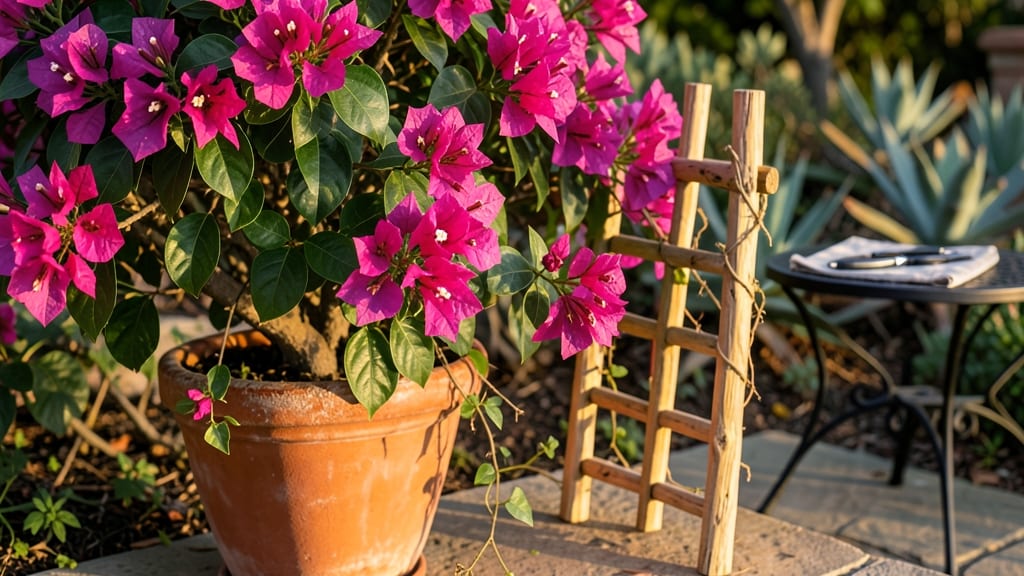
Creating a bougainvillea patio tree turns your outdoor space into a vibrant, tropical retreat without needing a yard. The secret lies in its compact growth habit and explosion of color—those papery bracts in pink, purple, or orange transform any small patio into a showstopper.
I’ve watched mine go from a scraggly sapling to a 6-foot-tall conversation piece in just two seasons, all while staying perfectly contained in a large pot.
Start with a 15-gallon container and full sun—six hours or more daily—and you’re golden. Bougainvilleas thrive on neglect, but they do need well-draining soil and occasional pruning to encourage bushier growth.
Pair it with drought-tolerant companions like lantana or succulents, and you’ll create a low-maintenance patio oasis that blooms year-round in warmer climates. The key is shaping it early to avoid leggy stems—think of it like training a small tree, not a shrub.
By summer, your patio will burst with color that outshines any store-bought planter. The blooms last for months, and the plant’s natural thorns keep pests at bay. Plus, the fragrance—when it’s not too hot—adds a subtle, citrusy touch that makes evenings feel even more inviting.
With minimal effort, you’ll have a bold, living centerpiece that’s the envy of every neighbor.
Works for balconies, courtyards, or even as a striking focal point near outdoor seating. The best part? It’s adaptable—train it as a standard, let it cascade over a trellis, or prune it into a rounded bush.
Once you see how easy it is to maintain, you’ll wonder why you didn’t try this sooner.
📚 In This Guide
- What you need
- Instructions
- Tips and common mistakes
- Wrapping up and next steps
What you need
- ● Bougainvillea plant: 1 mature patio-sized variety (e.g., 'California Gold,' 'Thornless Double Pink,' or 'San Diego Red').
- ● Potting mix: 5–10 gallons of well-draining cactus/succulent mix (or add perlite/pumice for extra drainage).
- ○ Container: 1 large patio pot (15–20 gallons) with drainage holes. Optional: Self-watering pot for convenience.
- ● Fertilizer: 1 bag of balanced granular fertilizer (10-10-10 or 20-20-20) or slow-release pellets.
- ● Pruning shears: 1 pair of sharp, bypass-pruning shears (sterilized with rubbing alcohol).
- ● Gloves: 1 pair of thick gardening gloves (bougainvillea has thorns!).
- ● Mulch: 1–2 inches of gravel or bark chips (to retain moisture and deter weeds).
- ● Watering can or hose: With a gentle spray nozzle for post-pruning hydration.
- ● Trowel or small shovel: For repotting or amending soil.
- ○ Support stake (optional): 1–2 bamboo stakes or trellis if training the bougainvillea vertically.
- ● Sunlight access: A south-facing or west-facing patio (6+ hours of direct sun daily).
- ● Climate check: Ensure your zone is USDA 9–11 (or bring potted bougainvillea indoors in winter).
How to cultivate a thriving bougainvillea patio tree
Here's how to coax vibrant blooms from a bougainvillea in even the tightest patio spots.
🪴 Step 1: Select the Right Container and Soil Mix
Choose a 5-gallon or larger container with drainage holes—bougainvilleas hate soggy roots. Terra cotta pots work best because they breathe and prevent overwatering. Fill the bottom third with cactus/succulent mix for excellent drainage, then top with regular potting soil mixed with 20% perlite. This combination mimics their native rocky soil and prevents root rot.
I always add a handful of slow-release fertilizer (10-10-10) to the soil mix before planting. This gives your bougainvillea a nutrient boost right from the start. The key here is light, airy soil—bougainvilleas need their roots to breathe, just like their leaves need sun.
☀️ Step 2: Plant and Position for Maximum Sunlight
Place your bougainvillea in a south-facing position where it gets at least 6-8 hours of direct sunlight daily. These plants are sun worshippers—without enough light, they’ll produce fewer blooms. If your patio only gets partial sun, supplement with a grow light for 4-6 hours in the evening during shorter days.
When planting, bury the root ball just slightly deeper than it was in its nursery pot. Gently firm the soil around the roots but don’t compact it. Water thoroughly after planting, letting the excess drain completely. Bougainvilleas are drought-tolerant once established, but they need consistent moisture during their first growing season.
💧 Step 3: Water and Fertilize for Continuous Blooms
Water your bougainvillea deeply once a week during the growing season (spring and summer), allowing the top 2 inches of soil to dry out between waterings. Overwatering is the fastest way to kill these plants—yellowing leaves usually mean too much moisture. In winter, reduce watering to every 2-3 weeks, as growth slows dramatically.
Feed your bougainvillea with a balanced liquid fertilizer (20-20-20) every 4-6 weeks during the growing season. I switch to a low-nitrogen, high-phosphorus fertilizer (like 5-10-10) when buds form to encourage more blooms. Always water before fertilizing to prevent root burn. You’ll notice new growth and brighter color within weeks of consistent feeding.
✂️ Step 4: Prune for Shape and Encourage More Flowers
Prune your bougainvillea right after flowering in late spring or early summer. Cut back leggy stems by one-third to encourage bushier growth and more blooms. Use clean, sharp pruners and make cuts just above a leaf node. Avoid heavy pruning in fall or winter—this is when the plant stores energy for next year’s growth.
Here’s the thing—bougainvilleas bloom on new wood, so regular pruning keeps them flowering year-round in warm climates. If your plant looks woody and sparse, don’t panic—just trim back aggressively in spring. You’ll see fresh, vibrant growth within a few weeks, and those colorful bracts will return in full force.
⏰ Step 5: Protect and Overwinter for Next Season
If your patio tree faces frost or temperatures below 40°F, move it to a sheltered spot or bring it indoors near a sunny window. Bougainvilleas are tropical and won’t survive freezing temps. Before winter, reduce watering and fertilizing to every 6-8 weeks to help the plant enter dormancy.
In early spring, resume regular watering and fertilizing as new growth appears. This is when bougainvilleas really wake up—you’ll see fresh green leaves and the promise of those bold bracts. With proper care, your patio tree will reward you with nonstop color from late spring through fall.
Tips & tricks for perfect bougainvillea patio tree cultivation
Here's what nobody tells you about keeping your patio tree vibrant and blooming year after year.
Container Selection: While terra cotta is ideal, you can also use fiberglass containers if you prefer lighter options. The key is ensuring the pot has drainage holes—bougainvilleas despise soggy roots. If your chosen container lacks holes, drill them yourself or use a cache pot with gravel at the bottom. I've successfully grown bougainvilleas in decorative pots by adding a layer of pebbles beneath the soil mix for extra drainage.
Sunlight Optimization: The 6-8 hours of direct sunlight requirement is non-negotiable for vibrant blooms, but you can maximize light exposure with reflective surfaces. Place your patio tree near light-colored walls or use white garden markers around the base to reflect additional sunlight. For indoor winter care, position near the brightest window and supplement with a grow light for 4-6 hours daily—this mimics the natural sunlight cycle and prevents leggy growth.
Pruning Strategy: When pruning those leggy stems by one-third in late spring, focus on cutting just above a leaf node where new growth will emerge. This encourages bushier growth and more blooms. I recommend using clean, sharp pruners and making cuts at a 45-degree angle to prevent water from pooling on the cut surface, which could lead to rot. The key is to prune right after flowering when the plant has finished blooming for that season.
Fertilizer Timing: The switch to low-nitrogen, high-phosphorus fertilizer (5-10-10) when buds form is crucial for encouraging more blooms. I've found that applying this fertilizer in early spring, just as new growth appears, gives the plant the phosphorus boost it needs to produce vibrant bracts. Always water thoroughly before and after fertilizing to prevent root burn—this is especially important with concentrated fertilizers.
Pro Tips for Bougainvillea Patio Tree
- Here's what nobody tells you about keeping your patio tree vibrant and blooming year after year.
- Container Selection: While terra cotta is ideal, you can also use fiberglass containers if you prefer lighter options.
- Sunlight Optimization: The 6-8 hours of direct sunlight requirement is non-negotiable for vibrant blooms, but you can maximize light exposure with reflective surfaces.
Frequently asked questions
Got questions about keeping your bougainvillea patio tree vibrant and thriving?
Here are answers to the most common ones—so you can enjoy that stunning color with confidence!
How often should I prune my bougainvillea patio tree?
Prune your bougainvillea lightly every 2–3 months during the growing season (spring to fall) to encourage bushier growth and more blooms. Avoid heavy pruning in winter, as it can stress the plant. Focus on shaping and removing dead branches—just never cut into old wood, as it won’t regrow.
Can I prune bougainvillea in winter?
Winter is the worst time to prune bougainvillea! Heavy cuts can lead to dieback or weak regrowth. Instead, do minimal trimming to remove only dead or diseased branches. If you must shape it, wait until early spring when new growth starts. Patience pays off—your plant will reward you with bold blooms in warmer months!
What’s the best way to revive a bougainvillea that’s not blooming?
Lack of blooms often means too much shade or over-fertilizing. Move your patio tree to a spot with 6+ hours of sun daily and switch to a low-phosphorus fertilizer (like a bloom booster). Also, ensure it’s well-drained—bougainvilleas hate soggy roots! A light prune to encourage new growth can help too.
Are there bougainvillea alternatives for colder climates?
If your zone gets below 20°F, consider hardier alternatives like abutilon (flowering maple), lantana, or pentas. These thrive in containers, offer vibrant colors, and tolerate cooler temps better. Just ensure they get plenty of sun—like bougainvillea, they love warmth!
How do I prevent pests like aphids or mealybugs on my bougainvillea?
Keep your patio tree healthy with regular inspections—wipe leaves with soapy water if you spot pests. Encourage beneficial insects like ladybugs by planting nearby herbs. For severe infestations, use neem oil (a natural, pet-safe solution). Strong, well-pruned bougainvilleas are less prone to pests, so stay on top of care!
Wrapping up and next steps
Transforming your patio with a bougainvillea patio tree is a fantastic way to add vibrant color and life to small spaces! 🌸 With the right pruning techniques, you’ll keep it lush, manageable, and bursting with those stunning blooms.
Whether you’re a beginner or a seasoned gardener, this bold beauty is well worth the effort—so grab those shears and get ready to enjoy your stunning outdoor oasis.
Ready to take the next step? Pick your favorite variety, gather your tools, and start pruning today—your patio (and future guests) will thank you!