
Propagation
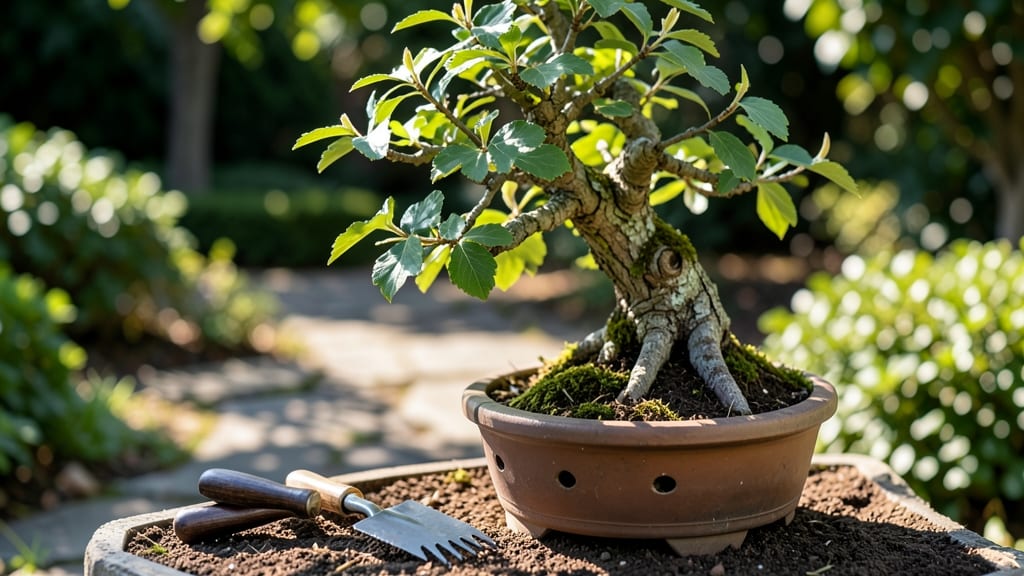
Growing a bonsai oak from an acorn is the ultimate long-term project—it’s not just gardening, it’s creating a living heirloom that could outlive you. 🌿 The patience pays off with a tree that carries the strength of an ancient oak in a 6-inch pot, its gnarled branches whispering centuries of stories.
I’ve nurtured my own from acorn to bonsai, and the journey teaches more than horticulture—it’s a lesson in time, space, and the quiet art of restraint.
The real magic starts with the acorn—it’s not just any acorn, but one from a white oak (Quercus alba) or red oak (Quercus rubra), both of which respond well to bonsai training.
You’ll need a shallow tray for stratification, a mix of peat and perlite for germination, and a humid propagation chamber to coax that first root. The first year is all about patience: no pruning, just watching a single leaf unfurl into a seedling that could one day become your masterpiece.
By year three, you’ll be shaping those first branches, wiring them into elegant curves, and learning the delicate balance between growth and restraint. The soil stays slightly acidic, the watering precise—never soggy, never bone-dry—and the light must mimic the dappled shade of an oak’s natural forest home.
Every pinch of foliage, every twist of wire, is a step toward that miniature majesty you’re building.
This isn’t a quick project—think decades, not months. But the reward? A tree that’s yours alone, its character shaped by your hands and the slow passage of time.
Whether you’re starting with a single acorn this fall or dreaming of the day your great-grandchildren will tend it, the journey begins with one small, unassuming seed.
📚 In This Guide
- What you need
- Instructions
- Tips and common mistakes
- Wrapping up and next steps
What you need
- ● Mature acorns – Collect from a healthy, disease-free oak tree (preferably white or red oak). Aim for 2-3 plump, undamaged acorns.
- ● Well-draining bonsai soil mix – A blend of 50% inorganic material (pumice, perlite, or lava rock) and 50% organic matter (akadama, peat moss, or compost).
- ● Small propagation tray or seed-starting pots – 3-4-inch diameter with drainage holes.
- ● Clear plastic dome or humidity tent – To maintain moisture during germination.
- ● Misting bottle – For gentle watering without disturbing the soil.
- ● Pruning shears or scissors – For trimming roots and branches as the tree grows.
- ○ Wire or aluminum bonsai clips – To shape branches (optional, for early stages).
- ● pH testing kit – Ensures soil pH is acidic (5.0–6.5), ideal for oak seedlings.
- ● Grow lights or sunny windowsill – 6+ hours of indirect light daily (south-facing window or LED grow lights).
- ● Fertilizer (balanced or oak-specific) – Diluted liquid fertilizer (10-10-10 or 20-20-20) for young seedlings.
- ● Rooting hormone – Speeds up germination (apply to acorn before planting).
- ● Miniature bonsai pot – 4–6 inches wide for transplanting after 1–2 years.
- ● Heating mat – Keeps soil warm (70–75°F) to encourage faster sprouting.
- ● Journal or growth tracker – Document progress, pruning notes, and watering schedules.
How to grow a bonsai oak tree from an acorn
Here's the long-term method I've perfected for nurturing acorns into stunning miniature oaks.
🌱 Step 1: Collect and Stratify the Acorn
Gather mature acorns from healthy oak trees in fall—look for plump, intact ones without cracks or holes. I store them in a sealed container with slightly damp peat moss and refrigerate for 3-4 months to break dormancy. This cold period mimics winter and triggers germination. Check weekly to ensure the moss stays moist but not soggy—soggy moss leads to mold that kills acorns before they sprout.
After stratification, plant each acorn ½ inch deep in a small pot filled with well-draining bonsai soil mix. Use a heat mat set to 70-75°F to speed germination. You'll see tiny roots emerge within 4-8 weeks, but don't rush to water—wait until the top inch of soil feels dry to touch before giving a gentle drink. Overwatering at this stage drowns delicate roots before they establish.
🌿 Step 2: Grow the Seedling into a Sturdy Sapling
Once the acorn sprouts, move it to a bright spot with indirect light—direct sun scorches tender new leaves. I keep my seedlings under a grow light for 12-14 hours daily to prevent leggy growth. You'll notice the first true leaves (not the initial seed leaves) appear in 3-6 months. These are your signal to start training the tree's structure.
When the seedling reaches 6-12 inches tall, repot it into a slightly larger container with fresh bonsai soil. Prune the roots by 20-30% to encourage branching. This is where patience pays off—oaks grow slowly, but consistent pruning shapes the trunk and branches. Watch for new growth at the base; this tells you the tree is adapting well to its new home.
☀️ Step 3: Transition to Outdoor Bonsai Care
After 2-3 years of indoor growth, your oak is ready for outdoor life. Harden it off by placing it outside for 2-3 hours daily, gradually increasing exposure over 2 weeks. Choose a spot with morning sun and afternoon shade—oaks appreciate protection from intense afternoon rays. You'll see the leaves develop a richer green color as they adapt to natural light.
Water deeply every 3-5 days, soaking the soil until water runs from the drainage hole. Let it dry slightly between waterings—oaks hate soggy roots. In late spring, apply a balanced liquid fertilizer diluted to half strength. You'll notice new growth spurt after feeding, but don't overdo it—too much fertilizer burns delicate roots.
✂️ Step 4: Shape and Maintain the Miniature Form
Once your oak reaches 12-18 inches, begin wiring branches to create your desired shape. Use aluminum or copper wire wrapped gently around branches—never too tight, or you'll scar the bark. I check the wire monthly and remove it within 3-6 months to prevent permanent damage. Prune new growth to encourage denser foliage and refine the silhouette.
Every 2-3 years, repot your bonsai into a container just 1-2 inches larger than the current one. Trim roots aggressively to maintain size and health. This is where the artistry comes in—adjust the pruning and wiring each season to maintain your vision. A well-maintained oak bonsai can live for centuries with proper care.
Tips & tricks for perfect miniature oak bonsai
Turning an acorn into a bonsai masterpiece takes patience—and these little tricks make all the difference.
Stratification Success: During your 3-4 month cold treatment, place a small piece of wood or a popsicle stick next to each acorn in the container. This makes it easy to identify which ones have sprouted without disturbing the damp moss. I've lost count of the acorns I've accidentally discarded because I couldn't tell if they'd started growing!
The Heat Mat Hack: When using your 70-75°F heat mat for germination, place a digital thermometer directly on the mat surface to monitor temperature. Mats can fluctuate—especially near edges—so aim for consistent warmth. I've seen germination rates double when maintaining this precise temperature range during those critical 4-8 weeks.
Lighting Transition: As your seedling grows from the 12-14 hour grow light phase to outdoor conditions, gradually move the pot closer to a south-facing window over 2-3 weeks before full outdoor transition. This mimics natural light conditions and prevents shock. Watch for leaves that turn yellow or drop—this is your signal to slow down the transition.
Outdoor Hardening Strategy: For the 2-3 hour daily outdoor acclimation in Step 3, start with morning hours when temperatures are cooler. Move to afternoon exposure only after your oak shows no stress signs. I've seen trees that thrived with morning sun but wilted when exposed to hot afternoon rays too soon—patience here prevents long-term damage.
Pro Tips for Bonsai Oak Tree From Acorn
- Turning an acorn into a bonsai masterpiece takes patience—and these little tricks make all the difference.
- Stratification Success: During your 3-4 month cold treatment, place a small piece of wood or a popsicle stick next to each acorn in the container.
- The Heat Mat Hack: When using your 70-75°F heat mat for germination, place a digital thermometer directly on the mat surface to monitor temperature.
Frequently asked questions
Growing a bonsai oak tree from an acorn is a rewarding but nuanced process. Here are answers to some of the most common questions to help you navigate your journey with confidence!
How long does it take for an acorn to sprout into a bonsai oak?
Patience is key! Acorns typically sprout within 4–8 weeks if kept in warm, moist conditions. However, developing a full bonsai oak—ready for styling—can take 5–10 years or longer, depending on species (e.g., white oak vs. red oak) and growth conditions. Early years focus on nurturing strong roots and trunk, not pruning.
Can I grow a bonsai oak from any acorn I find?
Not all acorns are equal! Only native oak species (like white, red, or pin oak) are ideal. Avoid acorns from non-native oaks (e.g., valley oak) or those with signs of pests/disease. Pro tip: Collect acorns in fall from healthy, mature trees—let them dry for 1–2 weeks to prevent mold before planting.
Why isn’t my acorn sprouting? Troubleshooting tips?
Acorns need three things to sprout: moisture, warmth (65–75°F), and oxygen. Common issues:
Too dry? Keep soil consistently moist (not soggy) with a humidity dome or misting.
Too cold? Use a seedling heat mat or place near a sunny window.
Rot? Ensure pots have drainage holes to avoid fungal growth.
If no sprout appears after 2 months, the acorn may be non-viable—try another!Do I need to use special soil for bonsai oak seedlings?
While bonsai-specific soil isn’t required for seedlings, a well-draining mix is critical. Use a blend of:
- 50% peat moss or coco coir
- 30% perlite/pumice
- 20% sand or orchid bark
Can I skip the seedling stage and graft an oak branch?
Grafting is an advanced technique for accelerating bonsai growth, but it’s not beginner-friendly and works best with mature oak stock (not acorns). For acorn-grown oaks, grafting can be attempted once your seedling has 3–5 years of growth and a thick trunk. Warning: Oak trees are notoriously difficult to graft—success rates vary widely. If you’re new, stick with propagation!
Wrapping up and next steps
Growing a bonsai oak tree from an acorn is a rewarding journey that blends patience, care, and creativity! 🌱 With the right techniques—from selecting the perfect acorn to mastering pruning and styling—you’ll nurture a stunning miniature masterpiece over time.
Remember, every expert bonsai artist started with a single seed, so embrace the process and enjoy the magic of watching your tiny oak thrive.
Ready to take the next step? Start with one acorn today and let your bonsai adventure begin! Share your progress, experiment with styles, and soon, you’ll have a breathtaking living work of art. Happy growing! 🎨✨