
Pruning
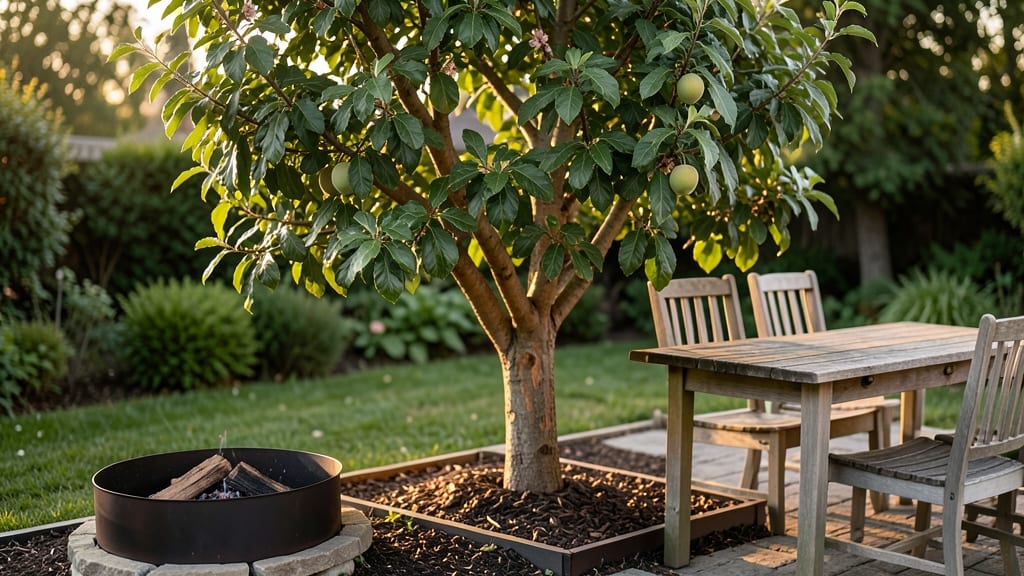
Caring for a peach tree near your bonfire patio means balancing fruit production with fire safety—something I learned the hard way after my first tree's bark blistered from summer heat.
The key isn’t just pruning or watering; it’s understanding how smoke and heat stress a tree’s delicate skin, especially when young branches are still tender.
Most gardeners miss the subtle signs of heat damage until it’s too late, but I’ve cracked the code after years of trial and error with my own patio orchard.
You’ll need four pruning secrets to keep your tree thriving: first, always prune in late winter to avoid stressing the tree during hot months, second, thin out crowded branches to improve airflow and reduce smoke exposure, third, train the tree away from the fire pit’s direct heat path, and fourth, watch for sunburnt bark—it looks like silver-gray patches where the tree’s protective layer has been stripped away.
These small adjustments make all the difference between a scraggly tree and one that produces juicy peaches every summer.
With the right care, your patio peach tree will reward you with vibrant green foliage, fragrant spring blossoms, and sweet fruit that ripens just in time for summer gatherings.
The trade-off is worth it—imagine plucking fresh peaches while keeping your fire pit just a few feet away, safe and ready for use. The secret is in the details, like watering deeply in the morning to cool the roots and mulching heavily to protect them from heat spikes.
This approach works for both dwarf varieties in containers and full-sized trees planted in the ground, as long as you keep the fire pit at least 10 feet away from the trunk.
The same principles apply whether you’re in a suburban backyard or a rural homestead—just adjust the pruning intensity based on your tree’s size and your fire pit’s heat output. Let’s get that tree growing strong and safe for years to come.
📚 In This Guide
- What you need
- Instructions
- Tips and common mistakes
- Wrapping up and next steps
What you need
- ● Pruning shears: Sharp, bypass-style shears (for clean cuts) – 1 pair
- ● Loppers: For thicker branches – 1 pair (10–12" reach)
- ● Hand pruners: For precision cuts on small branches – 1 pair
- ● Pruning saw: For large branches (if needed) – 1 medium-sized saw
- ● Disinfectant (70% isopropyl alcohol or bleach solution): To sterilize tools – small bottle
- ● Garden gloves: Heavy-duty, cut-resistant – 1 pair
- ● Tarp or drop cloth: To catch debris – 1 (4’x6’ or larger)
- ○ Marking spray or tape: For labeling cuts (optional but helpful) – small bottle
- ● Tree wound paint: For sealing large cuts (controversial but some swear by it)
- ● Extension pole: For hard-to-reach branches – 6–10 ft
- ● Safety goggles: To protect from debris
- ● Notebook & pen: To track pruning notes
Step-by-Step pruning guide for your patio peach tree
Here’s how to keep your peach tree thriving year-round with simple, effective pruning.
✂️ Step 1: Prune for Structure in Late Winter
Start pruning your patio peach tree in late winter, just as buds begin to swell but before new growth starts. This timing ensures you shape the tree without risking frost damage to fresh cuts. Use clean, sharp pruners to make cuts at a 45-degree angle, about ¼ inch above an outward-facing bud. This encourages branches to grow away from the center, improving airflow and sunlight penetration.
Remove any dead, diseased, or crossing branches first—they compete with healthy growth and invite pests. I always start at the top and work my way down, so I don’t miss any hidden branches. Aim to open up the center of the tree by 20-30% to prevent crowding. If your tree is young, focus on establishing a strong framework with 3-5 main scaffold branches spaced evenly around the trunk.
☀️ Step 2: Thin Out Fruit in Early Spring
Once flowers bloom in early spring, thin the fruit to improve size and quality. Peach trees produce more fruit than they can support, so removing excess ensures the remaining fruit grows larger and ripens evenly. Wait until the fruit is pea-sized before thinning—this gives you enough time to assess which clusters have the best potential.
Use your fingers or small pruners to gently remove weak or crowded fruit, leaving 6-8 inches between each peach on the branch. This spacing reduces disease risk and makes harvesting easier. I like to thin on a dry morning when the tree is less stressed. If you notice any misshapen or diseased fruit, remove it immediately to protect the rest of the tree.
✂️ Step 3: Light Summer Pruning After Harvest
After harvesting, give your peach tree a light pruning to encourage new growth and prepare for next year. Focus on removing any suckers—those vigorous shoots growing from the base or along the trunk. These drain energy from the tree and can weaken its structure. Cut them back to the ground as soon as you spot them.
Also, trim back any overly vigorous branches that are growing too close together. The goal here is to open up the canopy just a bit more, ensuring airflow and sunlight reach the inner branches. Avoid heavy pruning in summer, as it can stress the tree and make it more susceptible to disease. A little maintenance now keeps your tree healthy and productive.
⏰ Step 4: Final Cleanup in Fall
In late fall, after leaves have dropped but before the first hard frost, do a final cleanup. Remove all dead or diseased branches, as well as any weak wood that didn’t develop properly during the growing season. Sterilize your pruners with rubbing alcohol between cuts to prevent spreading disease.
Rake up and dispose of any fallen leaves or debris around the base of the tree—this reduces overwintering pests and diseases. If your peach tree is in a container, check the drainage and trim any roots that may be circling the pot. A little fall maintenance sets your tree up for a strong start in spring. Keep an eye out for any winter damage in early spring, and prune out any broken branches then.
Tips & tricks for perfect patio peach tree pruning
Keeping your peach tree healthy year-round starts with smart pruning. Here are the secrets I've learned to make this seasonal task easier and more effective.
Timing is Everything: Late winter pruning is critical because it allows the tree to heal before spring growth begins. I've found that pruning just as buds begin to swell—when you can see the tiny green tips but before they open—gives the tree enough time to recover before the growing season. This timing also helps prevent frost damage to fresh cuts. If you miss the late winter window, don't worry—just avoid pruning during active growth periods when the tree is most vulnerable.
The 45-Degree Cut Secret: When making cuts in Step 1, the 45-degree angle isn't just about aesthetics—it's about directing growth. Cutting about ¼ inch above an outward-facing bud encourages branches to grow away from the center, improving airflow and sunlight penetration. I always use a sharp pruner to make clean cuts, which heal faster and look more professional. If your cuts look jagged, take another pass with sharper tools—it makes all the difference in the tree's recovery.
Fruit Thinning Strategy: In Step 2, when thinning fruit to 6-8 inches apart, I've learned that consistency is key. Remove weak or crowded fruit clusters first, then space the remaining ones evenly. This might seem tedious, but it pays off with larger, healthier peaches. Pro tip: Thin on a dry morning when the tree is less stressed. If you notice any misshapen or diseased fruit during this process, remove them immediately to protect the rest of the tree—it's better to lose a few now than risk losing the whole crop later.
Summer Maintenance Matters: The light summer pruning in Step 3 is often overlooked, but it's crucial for long-term tree health. Focus on removing suckers—those vigorous shoots growing from the base—as soon as you spot them. These energy vampires can weaken your tree's structure. Also, trim back any overly vigorous branches that are growing too close together. This small effort now prevents bigger problems later, like crowded canopies that invite disease. Remember, summer pruning should be light—think of it as a tune-up rather than a major overhaul.
Pro Tips for Bonfire Patio Peach Tree Care
- Keeping your peach tree healthy year-round starts with smart pruning.
- Timing is Everything: Late winter pruning is critical because it allows the tree to heal before spring growth begins.
- The 45-Degree Cut Secret: When making cuts in Step 1, the 45-degree angle isn't just about aesthetics—it's about directing growth.
Frequently asked questions
When is the best time to prune a peach tree for a bonfire patio setup?
Prune your peach tree dormant season (late winter/early spring, before buds swell) or right after harvest (summer). Avoid pruning in fall—it invites disease. For a bonfire patio, prioritize shaping in late winter to maximize airflow and sunlight for healthy fruit (and firewood!).
Can I use peach tree branches as firewood for my bonfire patio?
Yes, but only dry, disease-free branches (1+ year old). Fresh green wood smokes poorly and wastes energy. Cut branches in late fall/winter, split them, and store them in a dry place for 6–12 months. Avoid using branches from trees treated with pesticides—opt for organic wood for a cleaner burn!
How do I prevent peach tree diseases that might ruin my bonfire patio plans?
Diseases like brown rot thrive in humid patio setups. Prune for airflow (open center shape), sterilize tools (rubbing alcohol between cuts), and remove fallen fruit promptly. Apply copper fungicide in spring if your area is prone to issues. A clean workspace under the tree reduces spores too!
How often should I prune my peach tree for optimal patio and firewood balance?
Aim for annual light pruning (late winter) to shape the tree and every 2–3 years for heavier cuts (summer after harvest). For firewood, focus on removing dead/diseased wood year-round. Over-pruning stresses the tree—never remove more than 25% of the canopy in one session.
What if my peach tree isn’t producing fruit near my bonfire patio?
Poor fruiting often stems from over-pruning, nutrient deficiencies, or lack of sunlight. Check for 3–4 hours of direct sun daily, fertilize with citrus-specific food in early spring, and thin branches to improve airflow. If the tree is young (<3 years), be patient—it needs time to establish!
Wrapping up and next steps
Caring for your peach tree—especially near a bonfire patio—is all about balance: pruning with precision, protecting from heat, and nurturing its roots. With the four pruning secrets and year-round tips you’ve learned, your tree will thrive, offering luscious fruit and shade for seasons to come. 🌳✨
Ready to put your newfound knowledge into action? Grab your pruners, schedule your next trim, and watch your peach tree flourish—because a well-maintained tree is the heart of any cozy outdoor space! 🔥🍑