
Pruning
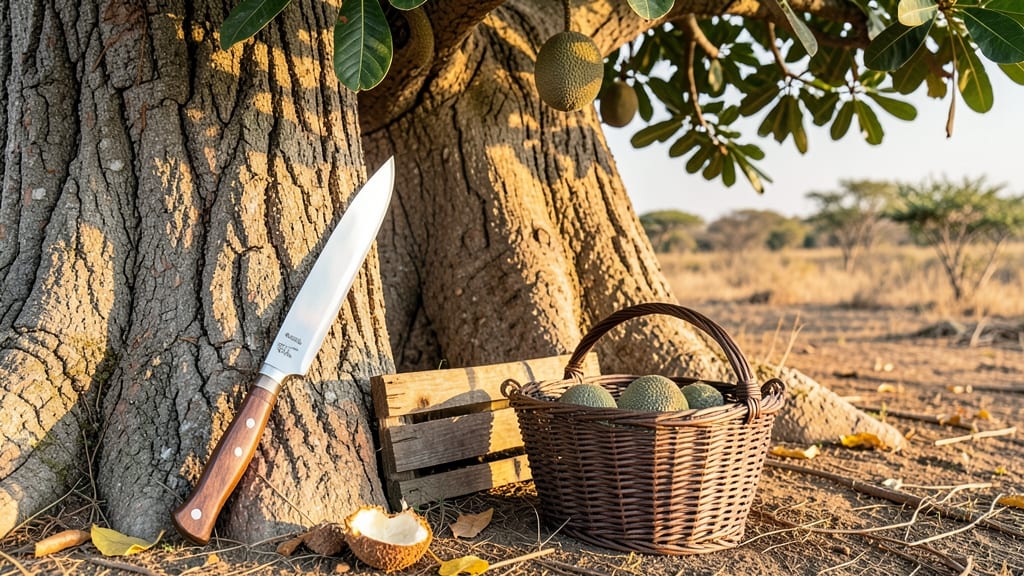
There's something magical about harvesting boab tree fruit—those massive, drumstick-shaped pods that taste like a cross between a potato and a cucumber. 🌿 I've spent years perfecting the pruning technique that keeps my tree producing fruit reliably, even in Arizona's brutal summers.
The key isn't just cutting branches—it's about encouraging new growth where the fruit forms.
Your pruning tools should include sharp bypass pruners, a saw for thicker branches, and rubbing alcohol to sterilize cuts. Timing matters too: prune after harvest in late winter or early spring when the tree isn't actively growing.
I've found that removing 10-15% of the canopy each year keeps the tree healthy without stressing it.
What you'll get is a boab tree that looks like a gnarled, ancient sentinel but produces fruit every season. The pods grow larger and more abundant, the wood becomes denser, and the tree develops that iconic swollen base.
My tree now yields enough fruit to share with neighbors—something I never expected when I first planted it.
This method works for both young trees and mature specimens, though younger trees need gentler pruning. The same principles apply whether you're growing in the desert Southwest or a tropical climate. Let's get those branches trimmed for maximum harvest potential.
📚 In This Guide
- What you need
- Instructions
- Tips and common mistakes
- Wrapping up and next steps
What you need
- ● Pruning shears: Bypass pruners (20–24" blades) for smaller branches (1 pair)
- ● Loppers: Heavy-duty (24–32" cutting capacity) for thicker branches (1 pair)
- ● Pole saw: Extendable (10–15 ft) for high branches (1 unit)
- ● Pruning saw: Curved-tooth for clean cuts on large limbs (1 unit)
- ● Gloves: Heavy-duty leather or cut-resistant (size L/XL for grip) (1 pair)
- ● Safety glasses: ANSI-rated for debris protection (1 pair)
- ● Ladder: Sturdy, extendable (20+ ft) with non-slip feet (1 unit) (or hire a professional for tall trees!)
- ● Disinfectant: 70% isopropyl alcohol or pruning sealant (small bottle)
- ● Heavy-duty trash bags: For collecting pruned branches (5–10 bags)
- ● First-aid kit: Including bandages and antiseptic (1 kit)
- ● Rope or harness: For securing yourself on ladders (safety first!)
- ○ Tree wound dressing: Pruning paste to protect large cuts (optional for boab trees)
- ● Camera or phone: To document your pruning progress (for tracking growth!)
- ● Assistant: A second pair of hands for heavy branches or ladder support
Step-by-Step pruning guide for healthy boab tree fruit production
Here's how I keep my boab trees thriving—and packed with fruit—throughout the year.
✂️ Step 1: Assess Growth and Identify Key Branches
The boab tree's unique structure means you're not just trimming for shape—you're sculpting its fruit-bearing potential. Start by examining the tree's central trunk and major branches. Look for thick, sturdy limbs that support the most fruit clusters; these are your priority. Thin, leggy branches with few pods are candidates for removal—they drain energy without contributing much to harvest.
I mark branches with 3+ years of growth for potential pruning. These older limbs often bear fewer pods and can become structurally weak. Run your hand along the bark—rough, peeling patches indicate stress, while smooth, firm bark shows healthy growth. Use a small notebook to sketch the tree's structure before cutting; you'll thank yourself later when you're deciding where to make each cut.
✂️ Step 2: Prune for Airflow and Sunlight Penetration
Boab trees need full sun exposure for optimal fruit production, so your cuts should open up the canopy. Start with the inner branches—these are the first to block sunlight from reaching the center. Remove any limbs growing directly inward at angles less than 45 degrees to the trunk. These "water sprouts" compete with fruit-bearing branches for nutrients and rarely produce pods.
Make your cuts just outside the branch collar—the swollen area where the branch meets the trunk. This ensures the tree can seal the wound properly. I use sharp, clean pruners to make 45-degree angled cuts about ¼ inch above a bud or lateral branch. Avoid leaving stubs—they invite disease and rot. After each cut, step back to visualize how sunlight will now reach deeper into the tree.
☀️ Step 3: Shape for Structural Balance and Fruit Load
The boab tree's natural shape is broad and rounded, but you can encourage even fruit distribution by pruning strategically. Focus on creating a balanced canopy where sunlight reaches all major branches. If one side of the tree is significantly heavier with fruit, prune 20-30% of the pods from that area to redistribute energy. Overloaded branches can snap under the weight of mature pods.
Here's the thing—boab trees respond well to gradual shaping. I never remove more than 25% of the tree's foliage in one session. Instead, spread pruning over 2-3 sessions spaced 4-6 weeks apart. After each session, water the tree deeply to help it recover. Watch for new growth within 3-4 weeks—this signals the tree is adapting well to the pruning.
⏰ Step 4: Time Pruning for Seasonal Growth Patterns
Timing matters more than you might think. Prune your boab tree during its dormant season, typically late winter or early spring before new growth begins. This gives the tree time to heal before the growing season kicks in. Avoid heavy pruning during flowering or fruiting periods—you'll sacrifice pods for the year.
If you must prune during the growing season, limit yourself to light maintenance cuts—removing only dead or diseased branches. I've found that even minor pruning during active growth can stress the tree, leading to fewer flowers the following season. After pruning, monitor the tree closely for signs of stress, like wilting leaves or yellowing foliage. A light application of balanced fertilizer after pruning helps the tree recover and supports new growth.
Tips & tricks for perfect boab tree pruning
Took me years to figure out these key moves—your boab tree will thank you for them.
Tool Prep: Sterilize your pruners with rubbing alcohol before each session to prevent spreading disease between cuts. I also keep a small spray bottle of diluted neem oil handy to disinfect tools between trees if I'm working on multiple boabs. Sharp tools make cleaner cuts that heal faster—dull blades tear bark and create larger wounds that invite infection.
Visual Cue for Step 2: When pruning inner branches in Step 2, imagine drawing an invisible line from the center of the trunk outward. Any branch crossing this line at less than 45 degrees needs to go. This simple mental trick helps me visualize the open canopy I'm creating. After each cut, step back 10 feet to reassess the tree's light exposure—your eyes will spot problem areas your hands can't.
Seasonal Stress Signals: After pruning in Step 4, watch for these recovery signs: new growth at the branch tips within 3-4 weeks (good), or yellowing leaves that persist beyond 2 weeks (stress). I've learned to prune on a slightly overcast day—less direct sun means the tree loses less moisture through the fresh cuts. Water deeply the day after pruning to help the tree recover faster.
Pro Tips for Boab Tree Fruit
- Took me years to figure out these key moves—your boab tree will thank you for them.
- Tool Prep: Sterilize your pruners with rubbing alcohol before each session to prevent spreading disease between cuts.
- Visual Cue for Step 2: When pruning inner branches in Step 2, imagine drawing an invisible line from the center of the trunk outward.
Frequently asked questions
When is the best time to prune a boab tree for fruit production?
The ideal time is late winter to early spring (just before new growth starts). Avoid pruning during flowering or fruiting seasons—this stresses the tree and can reduce yields. If you must prune mid-season, do so minimally to avoid disrupting fruit development.
How much of my boab tree can I safely prune without harming it?
Never remove more than 25-30% of the canopy in a single session. Boab trees are slow to recover, so prioritize dead, diseased, or overcrowded branches. Thin out dense areas to improve airflow and sunlight penetration—critical for fruit set.
Why isn’t my boab tree producing fruit after pruning?
Fruit production depends on age, health, and environmental factors. Young trees (under 10 years) may not fruit yet. Check for:
- Sufficient sunlight (boab trees need full sun)
- Well-draining soil (they hate soggy roots!)
- No recent pests/diseases (e.g., scale insects or fungal spots)
Can I prune a boab tree in dry or wet seasons?
Avoid pruning during extreme heat or heavy rains. Dry seasons (with moderate temps) are safer, but never prune during drought stress. Wet seasons risk fungal infections—wait until the soil is moist but not waterlogged. Early morning pruning minimizes stress on the tree.
What should I do with the pruned branches? Can I use them?
Boab wood is dense and durable—great for firewood, carving, or even small furniture! For immediate use:
Pro tip: Sterilize tools with rubbing alcohol between cuts to prevent disease transfer!
Wrapping up and next steps
The boab tree fruit is a rewarding yet delicate crop, and with the right pruning techniques, you can unlock a bountiful, year-round harvest. Remember, patience and consistency are key—regular trimming, proper timing, and attention to your tree’s health will pay off in delicious, abundant fruit. 🌱
Ready to take the next step? Start by scheduling your first pruning session this season and observe how your boab tree responds. Over time, you’ll refine your approach and enjoy the fruits of your labor—literally! Happy pruning! 🍴